
Glass Guides
Acoustic Glass vs Laminated Glass: Sound Insulation Performance Comparison for Mumbai Recording Studios
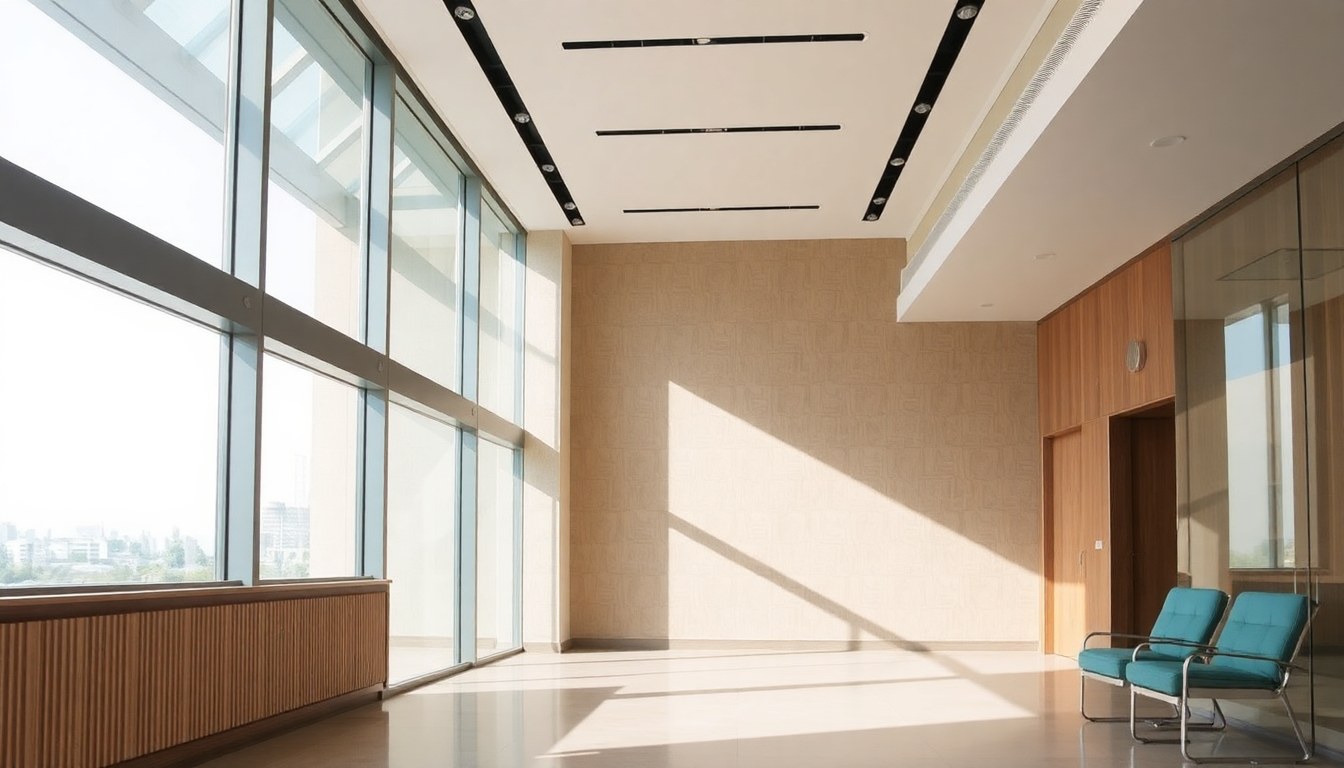
When setting up a recording studio, home theater, or professional audio space in Mumbai's relentlessly noisy environment, the choice between acoustic glass and laminated glass can make the difference between pristine sound quality and constant interference from traffic, construction, and urban chaos. While both glass types offer sound reduction capabilities, acoustic glass is specifically engineered for superior noise insulation with STC ratings typically 5-10 points higher than standard laminated glass, though at a significantly higher cost. This comprehensive comparison will help you understand which solution best fits your acoustic requirements and budget.
Understanding the Fundamental Differences
Acoustic glass and laminated glass are often confused, but they serve different primary purposes. Laminated glass consists of two or more glass panes bonded together with a polyvinyl butyral (PVB) interlayer, originally designed for safety and security. When glass breaks, the PVB layer holds fragments together, preventing shattering. This construction also provides moderate sound dampening as a secondary benefit, typically reducing noise by 30-35 decibels.
Acoustic glass, on the other hand, is purpose-built for sound insulation. It uses specialized acoustic PVB interlayers or asymmetric glass pane thicknesses to disrupt sound wave transmission more effectively. The acoustic interlayer is denser and more elastic than standard PVB, converting sound energy into minimal heat through molecular friction. Some acoustic glass systems incorporate multiple air gaps with different thicknesses to target various sound frequencies, making them particularly effective against the low-frequency rumble of Mumbai's traffic and the high-frequency noise from construction sites.
Construction Technology Comparison
Standard laminated glass typically uses a 0.38mm to 0.76mm PVB interlayer between glass panes of equal thickness—commonly 6mm+0.76mm PVB+6mm. Acoustic laminated glass employs thicker acoustic PVB layers (1.52mm to 2.28mm) with enhanced damping properties. The most advanced acoustic glass systems use asymmetric configurations like 8mm+1.52mm acoustic PVB+6mm, where the different pane thicknesses prevent sound waves from resonating through the glass structure.
Sound Transmission Class (STC) Ratings Explained
The Sound Transmission Class rating measures how effectively a material reduces airborne sound transmission. Higher STC values indicate better sound insulation. Standard single-pane glass typically rates between STC 26-28, which is insufficient for any serious acoustic application. Understanding these ratings is crucial when comparing your options for noise control.
Standard laminated glass with basic PVB interlayers achieves STC ratings of 32-36, providing noticeable improvement over single-pane glass. This level works adequately for residential applications where moderate noise reduction suffices. However, acoustic laminated glass reaches STC ratings of 38-42, and premium acoustic glass systems can achieve STC 45-50 when installed in proper insulated glazing units (IGUs) with optimized air gaps.
Real-World Performance in Mumbai Conditions
Mumbai's unique acoustic challenges require special consideration. Traffic noise typically ranges from 70-85 decibels at street level, while construction sites can exceed 90 decibels. For a recording studio requiring background noise below 30-35 decibels, you need at least 40-50 decibels of sound reduction. Standard laminated glass (STC 34) would reduce 80-decibel traffic noise to approximately 46 decibels—still too loud for professional recording. Acoustic glass with STC 45 would bring the same noise down to 35 decibels, approaching acceptable studio conditions.
Frequency response matters significantly. Low-frequency sounds (below 500 Hz) from heavy vehicles and industrial equipment penetrate more easily than high-frequency noise. Acoustic glass systems with asymmetric pane configurations and specialized interlayers perform substantially better at blocking these challenging low frequencies, making them essential for music production spaces where bass clarity matters.
Cost Analysis and Budget Considerations
The price difference between laminated and acoustic glass is substantial and represents the primary decision factor for many projects. Standard laminated safety glass costs approximately ₹350-600 per square foot in Mumbai, depending on thickness and supplier. When sourcing quality glass products, established suppliers like Sri Lakshmi Glass Plywood And Hardware can provide reliable options and technical guidance for your specific requirements.
Acoustic laminated glass commands premium pricing, typically ranging from ₹1,200-2,500 per square foot for standard acoustic configurations. High-performance acoustic glass systems designed for recording studios or critical listening environments can cost ₹2,800-4,500 per square foot. These prices include the glass itself but not installation, framing systems, or acoustic sealing materials, which add another 30-40% to total project costs.
Long-Term Value Assessment
While acoustic glass requires significantly higher upfront investment, the long-term value proposition depends on your specific use case. For a professional recording studio where acoustic quality directly impacts business viability and client satisfaction, acoustic glass typically proves cost-effective within 2-3 years through improved productivity and reduced need for extensive interior acoustic treatment. For residential applications or spaces with moderate noise concerns, standard laminated glass often provides sufficient performance at much lower cost.
- Recording studios and mastering facilities: Acoustic glass essential for professional results
- Home theaters and listening rooms: Acoustic glass recommended for serious audiophiles
- Conference rooms and office spaces: Laminated glass usually sufficient
- Residential bedrooms facing busy streets: Laminated glass provides good value
- Podcast studios and voice-over booths: Acoustic glass preferred but laminated acceptable with additional treatment
Installation Requirements and Technical Considerations
Both acoustic and laminated glass require professional installation to achieve rated performance, but acoustic glass demands more rigorous installation standards. Sound easily travels through the smallest gaps, so acoustic installations require specialized acoustic sealants, properly designed window frames with thermal breaks, and careful attention to flanking paths where sound can bypass the glass entirely.
Frame selection significantly impacts overall acoustic performance. Standard aluminum frames with poor sealing can reduce a high-performance acoustic glass system's effectiveness by 30-40%. Specialized acoustic window frames with compression seals, multiple contact points, and internal damping materials are essential for achieving design STC ratings. Working with experienced professionals, including architects like SAN Design Square, ensures proper system design and integration with overall building acoustics.
Critical Installation Factors
The installation process for acoustic glass requires attention to several critical factors. All perimeter gaps must be sealed with acoustic sealant rather than standard silicone. The frame must be isolated from the building structure using resilient mounts to prevent structure-borne sound transmission. Any penetrations for wiring or ventilation must be acoustically treated. Even perfectly installed acoustic glass will underperform if the surrounding wall construction allows sound flanking.
For double-glazed units, the air gap width matters considerably. Optimal acoustic performance typically occurs with air gaps of 150-200mm between panes, much wider than standard thermal insulation units. This spacing requirement affects frame depth and overall wall thickness, considerations that must be incorporated during the design phase rather than as afterthoughts.
Making the Right Choice for Your Application
Selecting between acoustic and laminated glass requires honest assessment of your actual acoustic requirements and budget constraints. Start by measuring or estimating the ambient noise levels in your location. Use a smartphone decibel meter app for rough measurements, or hire an acoustic consultant for critical applications. Determine your target interior noise level based on intended use—recording studios typically require NC-15 to NC-25 (25-35 decibels), while residential spaces function well at NC-30 to NC-35 (35-45 decibels).
Calculate the required noise reduction by subtracting your target level from ambient exterior noise. If you need 35-40 decibels of reduction, standard laminated glass may suffice, especially when combined with other acoustic treatments. For 45+ decibels of reduction, acoustic glass becomes necessary. Consider that achieving very high sound insulation (STC 50+) requires addressing the entire building envelope, not just upgrading glass.
Hybrid Solutions and Compromises
Budget-conscious projects can sometimes employ hybrid approaches. Use acoustic glass for windows facing the noisiest exposures (street-facing walls in Mumbai) while installing laminated glass on quieter elevations. This targeted approach can reduce overall costs by 30-40% while still achieving acceptable acoustic performance. Another option involves installing high-quality laminated glass initially with frames designed to accept acoustic glass upgrades later when budget allows.
For recording studios, consider that glass represents only one element of acoustic design. Even with premium acoustic glass, you'll need bass traps, diffusers, absorbers, and proper room geometry. Sometimes investing moderately in laminated glass while allocating more budget to interior acoustic treatment produces better overall results than expensive glass with inadequate interior acoustics.
Frequently Asked Questions
What is the actual decibel reduction difference between acoustic glass and laminated glass?
Standard laminated glass typically reduces noise by 32-36 decibels (STC 32-36), while acoustic glass achieves 38-50 decibels of reduction (STC 38-50) depending on the specific system. In practical terms, this means acoustic glass can reduce Mumbai street noise from 80 decibels to approximately 30-35 decibels, while laminated glass would reduce it to only 44-48 decibels. This 10-15 decibel difference is perceptually significant—human hearing perceives 10 decibels as roughly a halving or doubling of loudness.
Can I retrofit acoustic glass into existing window frames?
Retrofitting acoustic glass into existing frames is technically possible but rarely advisable for achieving optimal performance. Acoustic glass requires specialized frames with superior sealing, appropriate depth for thicker glass assemblies or wider air gaps, and proper acoustic isolation from the structure. Existing frames typically lack these features. For best results, budget for complete window system replacement including frames specifically designed for acoustic applications. If budget constraints are severe, high-quality laminated glass in existing frames with upgraded sealing provides better value than acoustic glass in inadequate frames.
How much does acoustic glass installation cost for a typical Mumbai recording studio?
For a small recording studio (10x12 feet) with approximately 80 square feet of window area, expect total costs of ₹2,40,000-4,00,000 for complete acoustic glass installation including frames, sealing, and labor. This breaks down to roughly ₹1,800-2,500 per square foot for acoustic glass, ₹800-1,200 per square foot for acoustic window frames, and ₹15,000-25,000 for professional installation with proper acoustic sealing. Larger studios or those requiring premium acoustic glass systems (STC 48-50) can see costs of ₹5,000-6,000 per square foot for complete installations.
Does acoustic glass also provide thermal insulation and UV protection?
Yes, acoustic glass provides thermal insulation comparable to standard insulated glazing units, with U-values typically ranging from 1.4-2.0 W/m²K when installed as double-glazed units. Most acoustic glass systems can incorporate low-E coatings for enhanced thermal performance and UV protection without significantly compromising acoustic properties. However, thermal performance depends primarily on the IGU configuration (air gap, gas fill, coatings) rather than the acoustic interlayer itself. Specify both acoustic and thermal requirements to your supplier to ensure the complete system meets all performance criteria.
How long does acoustic glass last, and does it require special maintenance?
Quality acoustic glass has a service life of 25-30 years, similar to standard laminated glass, with the acoustic PVB interlayer remaining effective throughout this period. Maintenance requirements are minimal—regular cleaning with standard glass cleaners and periodic inspection of seals and frames. The acoustic performance does not degrade over time unless the seal fails and moisture enters the IGU cavity, which would also affect thermal performance and cause visible condensation or fogging. Ensure proper installation with quality materials to maximize longevity and maintain rated acoustic performance throughout the glass's service life.
Choosing the right glass solution for your acoustic needs requires balancing performance requirements, budget constraints, and installation realities. Whether you opt for acoustic glass or laminated glass, professional guidance ensures optimal results. Explore the glassy.in directory to connect with experienced glass suppliers, acoustic consultants, and installation professionals who can help you achieve your sound insulation goals in Mumbai's challenging acoustic environment.