
Insulated Glass Units Guide: Benefits, Types & Installation

The Complete Guide to Insulated Glass Units (IGU)
In the world of architecture and interior design, glass has long been celebrated as a versatile material, offering both practicality and aesthetic appeal. From sleek modern interiors to artistic expressions, glass has the power to transform spaces. Among the many innovations in the realm of glazing, Insulated Glass Units (IGU) stand out as an essential component for maintaining comfort, energy efficiency, and style without compromising functionality.
In this comprehensive guide, we’ll explore everything you need to know about insulated glass units—how they work, their benefits, applications, and why they play a significant role in marrying functionality with the art of glass.
What Are Insulated Glass Units (IGU)?
Insulated glass units, commonly referred to as IGUs or double-glazing units, are advanced glass assemblies that consist of two or more glass panes separated by a spacer and sealed together to form a single unit. The space between the panes is typically filled with air or inert gases (like argon or krypton) to enhance insulation.
This innovative construction is designed to improve thermal efficiency, reduce energy costs, minimize noise transmission, and provide structural integrity. Whether protecting a home from extreme weather or creating the perfect acoustic balance, IGUs serve as a key element of modern architecture and design.
How Do Insulated Glass Units Work?
Understanding how an IGU works is essential to appreciate its power. The multi-layered construction creates a barrier that significantly reduces heat transfer and sound transmission. Here’s how the components of an IGU contribute to its effectiveness:
-
Glass Layers: The number and thickness of the panes vary depending on the purpose—double glazing is ideal for residential insulation, while triple glazing offers even greater thermal and acoustic performance.
-
Spacer: The spacer maintains the precise distance between glass panes. It is usually made from metal or foam and contains desiccants to eliminate moisture.
-
Gas Fill: The trapped layer of air or inert gases minimizes convection currents, improving insulation and soundproofing.
-
Sealant: A high-quality sealant secures the unit, making it long-lasting and resistant to condensation.
IGUs harness the principles of heat and sound resistance, creating an environment that is more comfortable and energy-efficient.
The Benefits of Insulated Glass Units
1. Energy Efficiency
One of the top reasons to choose IGUs is their exceptional thermal performance. By reducing heat loss in colder months and minimizing heat gain during summer, IGUs help lower heating and cooling costs. This makes them indispensable for eco-friendly buildings and sustainable living designs.
2. Acoustic Insulation
Noise pollution is increasingly problematic, especially in urban environments. IGUs significantly reduce unwanted sounds, making them ideal for residential buildings, offices, studios, or any space requiring acoustic comfort.
3. Enhanced Safety
Whether used in large-scale commercial projects or private residences, IGUs improve safety. Options such as laminated or tempered glass provide additional protection, reducing the risk of breakage or injury.
4. Versatility in Design
The beauty of IGUs lies in their versatility—they’re customizable to fit a variety of functions without sacrificing aesthetics. From clear and tinted glass to decorative or patterned designs, IGUs open endless possibilities for creative expression in architectural and interior art.
Where Are Insulated Glass Units Used?
Residential Architecture
Homeowners often turn to insulated glass units for better energy performance, comfort, and an enhanced aesthetic appeal. Whether incorporated into sliding doors, windows, or statement glass walls, IGUs elevate home design while offering practical benefits.
Commercial Buildings
In modern office buildings, IGUs help architects create bright, airy spaces while maintaining energy efficiency and soundproof interiors.
Artistic Expressions in Glass
When blended with artistry, insulated glass goes beyond functionality. Modern designers use glass creatively—transforming IGUs into stained art pieces, backlit panels, or feature walls. For those who embrace architecture as an art form, IGUs enable innovative design approaches, integrating function and creativity harmoniously. For professionals seeking inspiration, platforms like Glassy showcase incredible examples of glass artistry.
Skylights and Sunrooms
IGUs make skylights and sunrooms practical by offering a balance between natural light and thermal/sound insulation. These features provide a peaceful and well-lit escape without overheating or exposure to extreme weather.
How IGUs Transform Interior Design
IGUs have become a trusted solution for infusing elegance and practicality into spaces. By merging innovative technology with stunning glass artistry, homeowners and designers create interiors that truly stand out. For example, large format IGUs can be used to frame breathtaking outdoor views, while decorative glazing options lend a bespoke touch to doors and partitions.
Looking to customize your modern space with insulated glass units? Discover inspiring ideas and solutions at Glassy, an industry leader committed to the art and craft of glass.
Tips for Choosing the Right IGU
Selecting the right insulated glass unit depends on your specific needs and project goals. Here are a few tips to make an informed decision:
-
Understand Your Environment: Are you looking to enhance thermal insulation, minimize noise, or prioritize aesthetics? Knowing the environment helps determine the number of glass layers and type of spacer or gas fill.
-
Customization for Design: Consider tinted, frosted, or decorative IGUs that complement your architectural vision.
-
Check Performance Ratings: Look for labels like U-values (indicating thermal performance) and STC (Sound Transmission Class) ratings to measure acoustic insulation.
-
Opt for Quality Installation: Partner with experienced professionals to ensure proper installation, maximizing the longevity and efficiency of your IGUs.
Final Thoughts: Designing with Insulated Glass Units
Insulated glass units have revolutionized the way we incorporate glass into architectural projects, blending art and engineering seamlessly. Their ability to balance functionality, style, and sustainability makes them ideal for homeowners, interior designers, and architects striving to create spaces that stand out.
Whether you’re designing a serene bedroom retreat, a vibrant commercial space, or an artistic feature wall with IGUs, they prove that glass can be both beautiful and functional. The future of art and architecture lies in innovative materials, and IGUs exemplify this harmony perfectly.
For stunning ideas and expert assistance in choosing the perfect glass solutions, explore the creative world of Glassy—your trusted partner in transforming spaces with unparalleled artistry and craftsmanship.
This guide is more than just a technical manual—it’s a celebration of how insulated glass units redefine modern living by combining art, architecture, and efficiency.# The Complete Guide to Insulated Glass Units (IGU)
Insulated Glass Units (IGUs), often hailed as a revolutionary innovation in modern architecture, have transformed the way designers, builders, and homeowners incorporate glass into their spaces. Combining functionality, sustainability, and aesthetic appeal, IGUs are not just about increasing energy efficiency—they help blur the line between form and function in elegant, inspiring ways. Whether you’re designing a cutting-edge commercial building or curating a masterpiece of art and glass in your home interiors, understanding IGUs will empower you to make more informed decisions.
What are Insulated Glass Units (IGUs)?
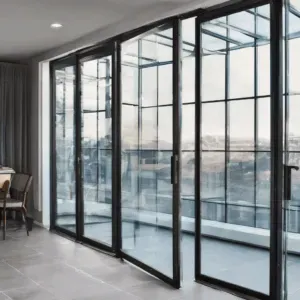
An Insulated Glass Unit (IGU) consists of two or more panes of glass separated by a spacer material and sealed around the edges to form a single unit. The space between the glass layers is often filled with air or inert gases like argon or krypton, enhancing insulation and thermal performance. Unlike traditional single-pane glass, IGUs are designed to improve energy efficiency while offering soundproofing and condensation resistance.
IGUs come in various configurations, allowing customization to meet design goals and environmental demands. Whether you require clear, tinted, or patterned glass, the versatility of IGUs makes them a favorite choice for modern interiors and innovative architectural spaces.
Why Are Insulated Glass Units Essential?
1. Energy Efficiency
IGUs minimize heat transfer, which means your space stays cooler in the summer and warmer in the winter. This reduces reliance on artificial heating or cooling systems, effectively lowering energy costs. Given the growing emphasis on sustainability in architectural design, IGUs play a pivotal role in building eco-friendly environments.
2. Noise Reduction
In bustling urban settings or areas prone to excessive noise, IGUs work like a charm. The multiple layers of glass and the gas filling act as a buffer, significantly reducing sound transmission and helping to create tranquil interiors—a key consideration for serene home designs, studios, or commercial spaces.
3. Aesthetic Versatility
Those passionate about the synergy of art and glass will be delighted by the creative opportunities IGUs bring to the table. From artistic patterns etched into the glass to tinted finishes that redefine space, IGUs open up endless ways to integrate glass as both a functional material and a canvas for expression.
Key Components of Insulated Glass Units
To truly appreciate the value of IGUs, let’s break down their core components:
1. Glass Panes
Typically made of high-quality float glass, the panes in IGUs can be tailored in terms of thickness, color, and texture. For those interested in blending glass with artful designs, decorative glass panes within IGUs can make a strong visual statement.
2. Spacer
The spacer is the material inserted between the panes to maintain their structural integrity and provide a hermetically sealed unit. Spacers also improve thermal performance and minimize condensation buildup along the edges of the glass.
3. Gas Filling
The space between the panes is often filled with inert gases like argon, krypton, or xenon. These gases provide better insulation than air, further enhancing the energy-saving properties of IGUs.
4. Sealant
Sealants secure the unit and prevent moisture or gas leakage, ensuring the longevity and performance of the IGU.
Applications of IGUs in Modern Design
1. Residential Spaces
Homes increasingly use IGUs in windows, sliding doors, and skylights to improve energy efficiency while creating a comfortable living environment. Homeowners often choose windows tailored with artistic designs to add a unique touch to interiors while reaping IGU benefits.
2. Commercial Buildings
From towering office complexes to retail outlets, IGUs are integral to enhancing sustainability. By integrating tinted or colored glass, architects can introduce elements of art and design to create spaces that are both functional and visually captivating.
3. Artistic Installations
For those immersed in the world of art and glass, IGUs offer an exciting medium for creative brilliance. Whether used in mosaics, partitions, or facade designs, IGUs elevate artistic and architectural projects to new heights with their blend of durability and visual appeal.
The Role of IGUs in Art and Glass
Glass has long been cherished for its ability to balance transparency, light, and structural strength. When paired with IGUs, this material becomes an even more versatile medium, opening avenues for artistic experimentation. Consider stained glass-inspired IGUs where vibrant colors and intricate designs merge with advanced technology to create not only energy-efficient but also visually stunning installations. Such innovations highlight how IGUs transcend functionality and serve as integral elements of artistic spaces, bridging the gap between craftsmanship and sustainability.
For designers with an eye for blending practical functionality with aesthetic charm, IGUs are a valuable tool. They allow the infusion of creativity and originality into everyday architecture, transforming ordinary windows or facades into moments of visual poetry.
Maintenance Tips for IGUs
To ensure that your IGUs retain their efficiency and appearance, regular upkeep is essential:
-
Clean Carefully: Use only non-abrasive cleaners and microfiber cloths to avoid scratches or damage to the panes.
-
Inspect Seals: Periodically check the edges for signs of damage or corrosion. Any break in the seal can compromise the unit’s insulating properties.
-
Professional Repairs: If you notice fogging or condensation between panes, consult a professional immediately to address seal or gas leakage issues.
Proper maintenance guarantees the durability of your IGUs, safeguarding your investment while keeping your space energy-efficient and elegant.
Conclusion
When it comes to combining functionality, sustainability, and design versatility, Insulated Glass Units (IGUs) are unmatched. They aren’t just about energy savings—they represent an evolution in glass technology, allowing you to integrate beauty and innovation into residential or commercial spaces. Whether you’re a homeowner searching for window solutions or a designer inspired by the interplay of art and glass, IGUs offer infinite possibilities.
Ready to explore high-quality glass solutions tailored for modern interiors or artistic installations? Visit Glassy to discover products and designs that bring art, elegance, and sustainability into your home or project.
For unmatched craftsmanship and cutting-edge innovations in IGUs, Glassy leads the way in curating glass solutions that inspire.
Seamlessly blending functionality and beauty, IGUs are a testament to how art and glass come together to define the future of design. Embrace this transformative material and introduce timeless sophistication into your spaces today!