
Glass Guides
Troubleshooting Condensation on IGU Windows: Causes & Solutions
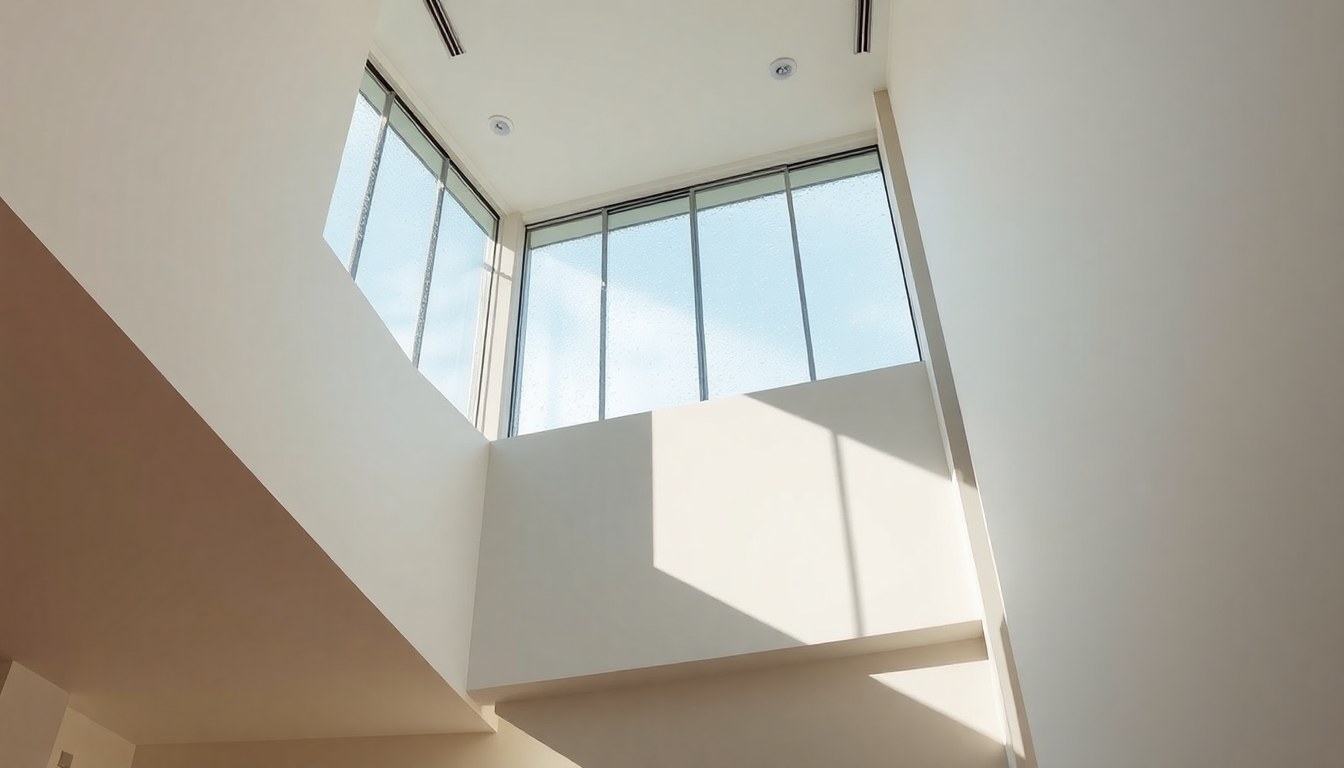
Condensation appearing on your insulated glass unit (IGU) windows is more than just a cosmetic nuisance—it's a warning sign that moisture is trapped where it shouldn't be. In India's hot, humid climate, IGU windows are essential for energy efficiency and comfort, but when condensation forms inside the sealed panes, it indicates a seal failure or environmental imbalance that demands immediate attention. This guide walks you through diagnosing the root cause and implementing effective solutions to restore your windows and protect your property.
Understanding IGU Window Condensation
Insulated glass units consist of two or more glass panes separated by a spacer and sealed with a desiccant-filled chamber. This design traps air or inert gas between the panes, creating an insulating barrier. When condensation appears between the panes—not on the outer surface—it means the seal has failed and moisture has entered the sealed cavity.
Condensation on the outside of your window (on the room-facing side) is normal and typically harmless, especially in monsoon season or early mornings. However, internal condensation signals a structural problem with the IGU itself. The desiccant inside the spacer is no longer absorbing moisture effectively, or the seal has cracked, allowing humid air to penetrate.
Primary Causes of IGU Condensation in Indian Climates
Seal Failure
The primary butyl and secondary polyisobutylene seals that bond the glass panes are vulnerable to thermal stress, UV exposure, and age. India's intense summer heat and monsoon moisture create extreme conditions that accelerate seal degradation. A failed seal allows humid air to enter the cavity, where it condenses on the cooler glass surfaces, especially on the inner pane.
Seal failure typically occurs 5–15 years after installation, depending on window quality, installation method, and environmental exposure. Poor installation—where the seal isn't properly compressed or applied—can reduce this lifespan significantly.
Desiccant Saturation
The desiccant material inside the spacer (usually silica gel or molecular sieves) absorbs moisture during the manufacturing and installation process. Over time, especially in humid climates, the desiccant reaches saturation and can no longer absorb additional moisture. Once saturated, any moisture entering the cavity will condense on the glass.
High humidity levels in coastal Indian cities and during the monsoon season accelerate desiccant saturation. Windows installed in poorly ventilated spaces or areas with persistent high humidity are at greater risk.
Thermal Stress and Expansion
Temperature fluctuations cause glass and frame materials to expand and contract at different rates. In India, daily temperature swings can exceed 15°C, placing constant stress on the seals. This thermal cycling gradually weakens the seal bond, creating micro-fissures through which moisture enters.
Windows on west-facing walls, which receive intense afternoon sun, experience greater thermal stress than north-facing windows. Over months and years, this repeated stress compromises seal integrity.
Poor Installation Practices
Improper installation is a leading cause of premature IGU failure. Common mistakes include:
- Failing to clean the frame surface before sealing
- Applying sealant in damp or humid conditions
- Not allowing adequate curing time before exposing windows to weather
- Over-tightening frame fasteners, which stresses the seal
- Using incompatible sealants or low-quality materials
If your windows developed condensation within 2–3 years of installation, poor workmanship is likely the culprit. Always hire certified installers with proven experience in your region.
Diagnostic Steps to Identify the Problem
Visual Inspection
Start by examining where the condensation appears. Is it between the panes or on the outer surface? Check multiple windows at different times of day and in different seasons. Internal condensation that persists for more than a few hours, especially on sunny days, indicates a seal failure.
Look for discoloration, haze, or mineral deposits between the panes. These indicate prolonged moisture exposure and suggest the seal has been compromised for some time. Also inspect the frame and sill for water stains, mold, or wood rot, which signal moisture infiltration.
Temperature and Humidity Monitoring
Use a hygrometer to measure indoor humidity levels. Relative humidity above 60% significantly increases the risk of condensation on windows. In India's humid climate, maintaining humidity below 50% indoors helps prevent moisture problems. If your home consistently exceeds this level, ventilation and dehumidification are necessary.
Note the outdoor temperature and humidity when condensation appears. If condensation forms during cooler nights or early mornings when the glass temperature drops, but disappears as the day warms, this is typically external condensation and not a seal failure.
Age and Installation History
Determine when your windows were installed and by whom. Windows older than 10–12 years are more likely to experience seal failure. If you have documentation of the installation, review it for any mentions of warranty or known issues. Contact the original installer if condensation appeared shortly after installation—this may be covered under warranty.
Solutions and Remedies for IGU Condensation
Short-Term Moisture Management
While you arrange a permanent fix, reduce indoor humidity to minimize condensation:
- Improve ventilation: Open windows during dry periods, use exhaust fans in kitchens and bathrooms, and ensure air conditioning units are properly maintained.
- Use dehumidifiers: Portable dehumidifiers or air conditioning can reduce humidity levels, especially during monsoon season.
- Wipe condensation regularly: Dry the outer glass surface daily to prevent water from pooling on the sill and frame, which can cause rot.
- Increase air circulation: Use ceiling fans or portable fans to improve air movement and reduce localized moisture buildup near windows.
Seal Replacement
If the IGU seal has failed, the most effective permanent solution is to replace the entire IGU unit. This involves removing the window sash, taking out the failed IGU, and installing a new one with fresh seals and desiccant. Replacement costs vary widely—typically ₹2,500–₹8,000 per window depending on size and glass type—but is necessary to restore the window's insulating properties.
Reputable glass dealers and window specialists can assess whether your IGU is repairable or requires replacement. In many cases, especially for newer windows still under warranty, manufacturers will replace failed units at no cost or reduced cost.
Frame and Sill Maintenance
Ensure the window frame and sill are properly sealed and maintained. Cracks or gaps in the frame allow water infiltration, which worsens condensation problems. Apply appropriate sealant (silicone or polyurethane) to any visible gaps. Check that the sill has adequate slope to allow water to drain away from the frame, not toward it.
If you notice wood rot in wooden frames, address it immediately. Rotted wood loses structural integrity and cannot hold seals effectively. Consult a professional about repair or replacement of affected frame sections.
Professional Assessment and Warranty Claims
If your windows are relatively new (within 5–10 years), contact the manufacturer or installer about warranty coverage. Most quality IGUs come with 10–15 year warranties against seal failure. Document the condensation with photos and dates, and file a warranty claim promptly.
For older windows or those outside warranty, hire a certified glass specialist to assess the damage and recommend solutions. Professionals can determine whether the issue is seal failure, improper installation, or environmental factors that can be managed.
Preventing Future IGU Condensation Problems
Choose High-Quality Windows
Invest in IGU windows from reputable manufacturers that use durable seals and quality desiccants. Look for windows certified by Indian Standards (IS) or international standards like IGCC (Indian Glass & Ceramics Council). Premium windows may cost 20–30% more initially but last significantly longer in India's harsh climate.
Ensure Professional Installation
Hire certified installers with experience in your region's climate. Poor installation is a leading cause of premature failure. Verify that installers follow manufacturer guidelines, use appropriate sealants, and allow adequate curing time. Ask for a warranty on both materials and labor.
If you're working with architects or interior designers, ensure they specify quality window standards. Firms like StudioPHI Architects understand the importance of proper window selection and installation in Indian climates.
Control Indoor Humidity
Maintain indoor humidity between 30–50% year-round. Use air conditioning and dehumidifiers during monsoon season, ensure kitchens and bathrooms have proper exhaust ventilation, and avoid drying clothes indoors. These habits reduce the moisture load on your windows and extend their lifespan.
Regular Maintenance
Inspect windows quarterly for signs of condensation, cracks, or seal deterioration. Clean frames and sills regularly to remove dirt and moisture. Check that drainage holes in the sill are not blocked. Address minor issues promptly before they escalate into major problems.
When to Replace vs. Repair
Deciding whether to repair or replace depends on several factors:
- Age of the window: Windows over 12 years old may have multiple issues; replacement is often more cost-effective than repeated repairs.
- Extent of damage: If only one or two IGUs are affected, replacement of those units is sufficient. If multiple windows show condensation, consider replacing the entire window system.
- Frame condition: If the frame is rotted, cracked, or severely damaged, the entire window must be replaced. Resealing a damaged frame is temporary and ineffective.
- Energy efficiency goals: Replacing old windows with modern, high-performance IGUs improves insulation, reduces energy costs, and enhances comfort. This is especially valuable in India's extreme climates.
- Budget constraints: Replacing a single IGU costs ₹2,500–₹8,000; replacing an entire window costs ₹8,000–₹20,000+. Plan accordingly.
Consult specialists like Adaptec Glass Specialities or Kajal Glass Shop for professional assessment and transparent pricing.
Frequently Asked Questions
Is condensation on the outside of my window a sign of failure?
No. External condensation—moisture on the room-facing outer surface—is normal and indicates your window is working well. The glass is cold, and warm indoor air condenses on it. This is especially common in monsoon season and early mornings. Simply wipe it away. However, condensation between the glass panes is a serious problem requiring attention.
Can I repair a failed IGU seal without replacing the entire window?
In most cases, no. Once the seal fails, the desiccant is compromised and moisture will continue to enter. Temporary sealants applied externally may slow the problem but cannot restore the IGU's function. Complete IGU replacement is the reliable solution. Some manufacturers offer IGU replacement programs that are more affordable than replacing the entire window frame.
How long do IGU windows typically last in India?
Quality IGU windows last 15–25 years in India's climate with proper maintenance. Factors affecting lifespan include seal quality, installation standards, humidity levels, and maintenance. Windows in coastal areas or extremely humid regions may fail sooner. Regular cleaning and humidity control extend the lifespan significantly.
Will reducing humidity inside my home eliminate condensation between the panes?
No. Once condensation appears between the panes, the seal has already failed, and reducing humidity won't reverse the damage. However, controlling humidity prevents additional moisture from accumulating and may slow further deterioration. The only permanent fix is IGU replacement.
Is condensation on IGU windows covered by manufacturer warranty?
Most quality IGU manufacturers offer 10–15 year warranties against seal failure. If your windows are within the warranty period, contact the manufacturer with documentation (photos, installation date, proof of purchase). Warranty coverage varies, so review your specific warranty terms. Some warranties cover replacement costs fully; others cover only materials or labor.
Protect Your Windows and Home
Condensation on IGU windows is a manageable problem when diagnosed and addressed promptly. Whether your issue stems from seal failure, poor installation, or environmental factors, the solutions range from humidity control to complete window replacement. In India's challenging climate, investing in quality windows and professional installation pays dividends in comfort, energy efficiency, and durability.
Ready to assess your windows or explore replacement options? Browse certified glass specialists and window dealers on glassy.in, India's largest glass-business directory. Connect with local experts who understand your region's climate and can provide reliable solutions for your condensation problems.