
Mirrors
How to Choose the Right Mirror Thickness for Bathroom and Wardrobe Applications
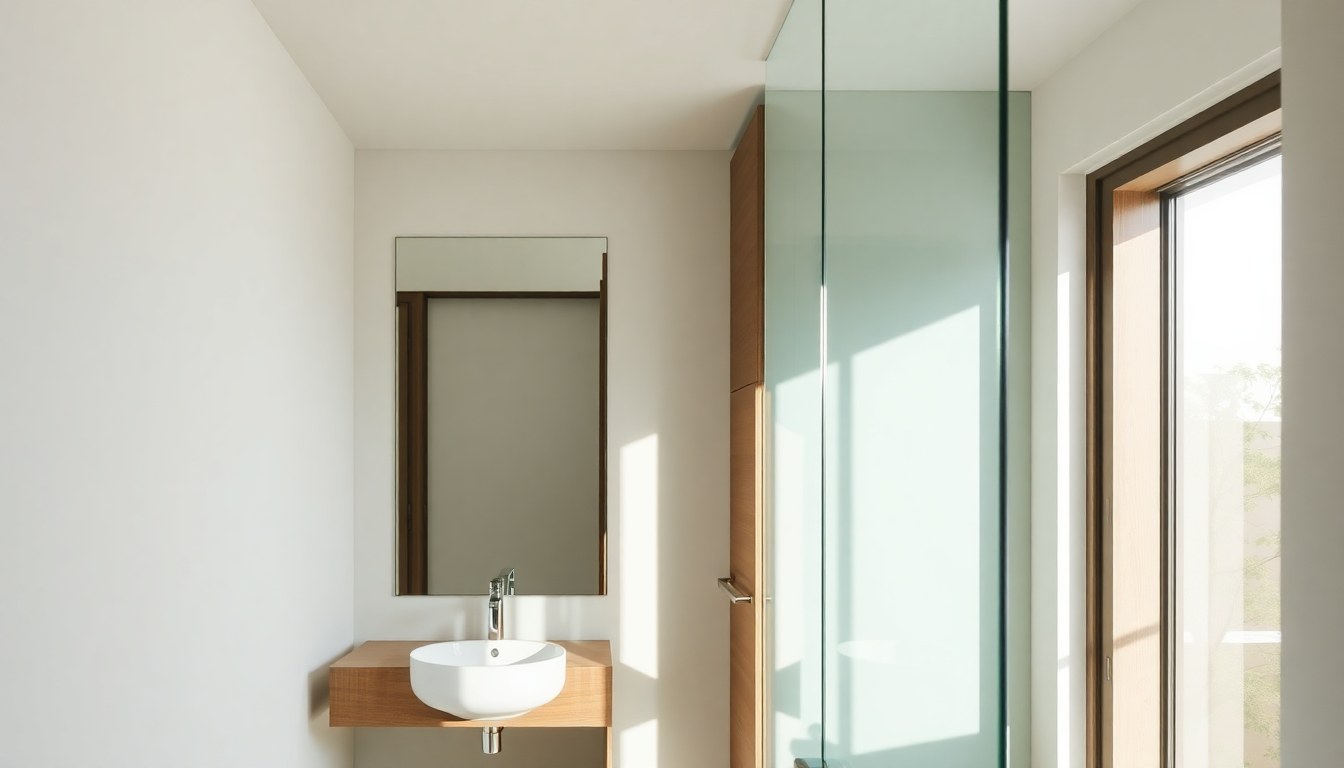
Choosing the correct mirror thickness for your bathroom or wardrobe isn't just about aesthetics—it directly impacts durability, safety, and image quality. While thinner mirrors may seem cost-effective, they're prone to distortion and breakage, especially in humid environments. This comprehensive guide will help you understand the differences between 4mm, 5mm, and 6mm mirror thicknesses and select the perfect option for your specific application.
Understanding Standard Mirror Thickness Options
Mirrors for residential applications in India typically come in three standard thicknesses: 4mm, 5mm, and 6mm. Each thickness serves different purposes and offers distinct advantages depending on where and how you plan to install them.
The 4mm mirror is the thinnest option commonly available and is suitable for smaller applications where the mirror is well-supported. The 5mm thickness represents the middle ground, offering better rigidity and distortion resistance while remaining affordable. The 6mm mirror is the premium choice, providing superior flatness, minimal distortion, and enhanced durability, particularly for larger installations.
In Indian homes, the choice between these thicknesses often comes down to balancing budget constraints with long-term performance. While a 4mm mirror might cost ₹80-100 per square foot, a 6mm mirror typically ranges from ₹150-200 per square foot, representing a significant investment that pays dividends in longevity and quality.
Mirror Size and Thickness Relationship
The size of your mirror is perhaps the most critical factor in determining the appropriate thickness. As mirror dimensions increase, the risk of waviness and distortion grows exponentially if the glass is too thin to support its own weight.
Small Mirrors (Up to 2 feet in any dimension)
For compact bathroom mirrors or small wardrobe door panels measuring up to 2 feet in length or width, a 4mm thickness is generally adequate. These smaller mirrors have less surface area and weight, meaning they're less susceptible to sagging or warping. They work well for powder rooms, small apartment bathrooms, or decorative accent mirrors.
Medium Mirrors (2 to 4 feet)
When your mirror dimensions fall between 2 and 4 feet, a 5mm thickness becomes the recommended standard. This is the sweet spot for most bathroom vanity mirrors and single-door wardrobe applications in Indian homes. The 5mm glass provides sufficient rigidity to prevent visible distortion while keeping costs reasonable.
Large Mirrors (Above 4 feet)
For mirrors exceeding 4 feet in any dimension—common in master bathroom vanities, full-length wardrobe doors, or wall-to-wall installations—6mm thickness is essential. Large format mirrors in 4mm or even 5mm thickness will almost certainly develop waves and distortions over time, creating an unflattering reflection. The additional rigidity of 6mm glass ensures your reflection remains true even across expansive surfaces.
Mounting Methods and Their Impact on Thickness Selection
How you plan to mount your mirror significantly influences the thickness you should choose. Different installation methods provide varying levels of support, which directly affects the structural requirements of the mirror itself.
Adhesive Mounting
Adhesive mounting, where mirror adhesive or double-sided tape bonds the mirror directly to the wall, offers full back support across the entire surface. This method is popular in Indian bathrooms because it creates a seamless, frameless look. With complete back support, you can sometimes opt for slightly thinner mirrors—a 5mm mirror with adhesive mounting often performs as well as a 6mm mirror with clip mounting for the same size.
However, proper surface preparation is crucial. The wall must be perfectly flat, dry, and free from moisture seepage—a common challenge in Indian bathrooms during monsoon season. Any irregularities in the wall surface will telegraph through to the mirror, causing distortion regardless of thickness.
Clip and Channel Mounting
Clip mounting systems or channel frames support the mirror at specific points or edges rather than across the entire back surface. This method requires thicker, more rigid mirrors because the glass must span unsupported areas without flexing. For clip-mounted installations, always opt for 6mm thickness for any mirror larger than 3 feet. The additional rigidity prevents the mirror from bowing between support points.
J-channels and U-channels, commonly used for wardrobe sliding doors, provide edge support but leave the center unsupported. Here again, thicker mirrors perform better, especially for tall wardrobe doors that may span 6-7 feet in height.
Humidity Resistance and Bathroom-Specific Considerations
Bathrooms present unique challenges for mirrors due to constant exposure to moisture, temperature fluctuations, and steam. While mirror thickness doesn't directly affect moisture resistance, it does impact the overall durability and longevity of your bathroom mirror in humid conditions.
Thicker mirrors are less prone to edge damage and chipping during installation and daily use. Since moisture typically attacks mirrors through exposed or damaged edges where the silver backing becomes vulnerable, a thicker mirror with properly sealed edges will generally last longer in bathroom environments. The robust construction of 6mm mirrors makes them more forgiving of minor installation imperfections that might compromise a thinner mirror.
For bathrooms in coastal cities like Mumbai, Chennai, or Kolkata where humidity levels remain high year-round, investing in thicker mirrors with copper-free silver backing provides the best long-term value. The additional thickness also allows for better edge polishing and sealing, creating a more effective barrier against moisture infiltration.
Preventing Distortion and Ensuring Clear Reflections
Distortion is the enemy of a good mirror. Even slight waviness can make your reflection appear unflattering and make tasks like applying makeup or shaving frustrating. Mirror thickness plays a direct role in maintaining optical flatness and preventing distortion.
Thinner mirrors are more susceptible to flexing under their own weight, especially when mounted vertically. This flexing creates subtle waves that distort your reflection. The effect is particularly noticeable in larger mirrors where even a slight bow across a 4-foot span becomes visually apparent. A 6mm mirror has approximately 50% more rigidity than a 4mm mirror, making it significantly more resistant to this type of distortion.
Temperature variations also cause glass to expand and contract. In bathrooms where hot showers create rapid temperature changes, thinner mirrors may develop stress points that lead to visible distortion or even cracking over time. Thicker mirrors better withstand these thermal cycles without developing optical defects.
- Choose 6mm thickness for any mirror where optical clarity is paramount
- Ensure the wall surface is perfectly flat before adhesive mounting
- Use adequate support points for clip-mounted installations
- Allow proper curing time for adhesive mounts before exposing to moisture
- Consider the mirror's orientation—horizontal spans need more support than vertical
Cost Considerations and Long-Term Value
Budget naturally plays a role in your mirror selection, but it's important to consider the total cost of ownership rather than just the initial purchase price. A cheaper 4mm mirror that needs replacement within 3-5 years due to distortion or damage ultimately costs more than investing in a quality 6mm mirror upfront.
For a standard bathroom vanity mirror measuring 3 feet by 4 feet, the price difference between 4mm and 6mm thickness might be ₹1,500-2,000. While this seems significant, spread across the 10-15 year lifespan of a quality mirror, the additional daily cost is negligible. Factor in the improved appearance, better reflections, and reduced risk of breakage, and the thicker option clearly represents better value.
Wardrobe applications present a different calculation. A full wardrobe with three sliding mirror doors might require 60-80 square feet of mirror surface. Here, the difference between 5mm and 6mm thickness could amount to ₹3,000-5,000. For wardrobes in bedrooms with controlled humidity and careful use, 5mm thickness often provides an acceptable balance between performance and cost. However, for wardrobes in master bedrooms with attached bathrooms where humidity migration is a concern, the investment in 6mm mirrors pays off in longevity.
Frequently Asked Questions
What is the minimum mirror thickness recommended for a bathroom vanity?
For bathroom vanity mirrors, 5mm is the recommended minimum thickness for most installations. If your vanity mirror exceeds 3 feet in any dimension, opt for 6mm thickness to prevent distortion and ensure long-term durability in the humid bathroom environment. Smaller vanity mirrors under 2 feet can work with 4mm thickness if properly mounted with full adhesive backing.
Can I use 4mm mirror for a full-length wardrobe door?
While technically possible, 4mm mirror is not recommended for full-length wardrobe doors, especially those taller than 5 feet. The mirror will be prone to visible waviness and distortion. For wardrobe applications, use 5mm as the minimum thickness, and opt for 6mm for doors exceeding 6 feet in height or 3 feet in width. The additional rigidity prevents flexing and ensures a clear, undistorted reflection.
Does mirror thickness affect how clearly I can see my reflection?
Yes, mirror thickness directly impacts reflection quality. Thinner mirrors are more prone to flexing and developing waves, which distort your reflection. Thicker mirrors maintain better optical flatness, providing clearer, more accurate reflections. For applications where precision matters—like makeup application or detailed grooming—6mm thickness ensures the truest reflection without distortion.
Is adhesive mounting or clip mounting better for bathroom mirrors?
Adhesive mounting generally provides better support and allows for slightly thinner mirrors because the entire back surface is supported. However, it requires a perfectly flat, dry wall surface and professional installation. Clip mounting is easier to install and remove but requires thicker mirrors (typically 6mm) to prevent flexing between support points. For permanent bathroom installations with proper wall preparation, adhesive mounting with 5mm or 6mm mirror offers the best results.
How much does mirror thickness affect the price?
Mirror thickness significantly impacts pricing. In Indian markets, 4mm mirrors typically cost ₹80-100 per square foot, 5mm mirrors range from ₹110-140 per square foot, and 6mm mirrors cost ₹150-200 per square foot. While 6mm mirrors cost roughly double compared to 4mm options, they offer substantially better performance, durability, and distortion resistance, making them more cost-effective over their lifespan.
Selecting the right mirror thickness ensures your bathroom and wardrobe mirrors remain beautiful and functional for years to come. Whether you're renovating your home or working on a new construction project, connect with experienced mirror suppliers and glass professionals through the Glassy.in directory to get expert guidance and quality products for your specific needs.