
Mirrors
How to Choose the Right Mirror Thickness for Bathroom Vanities
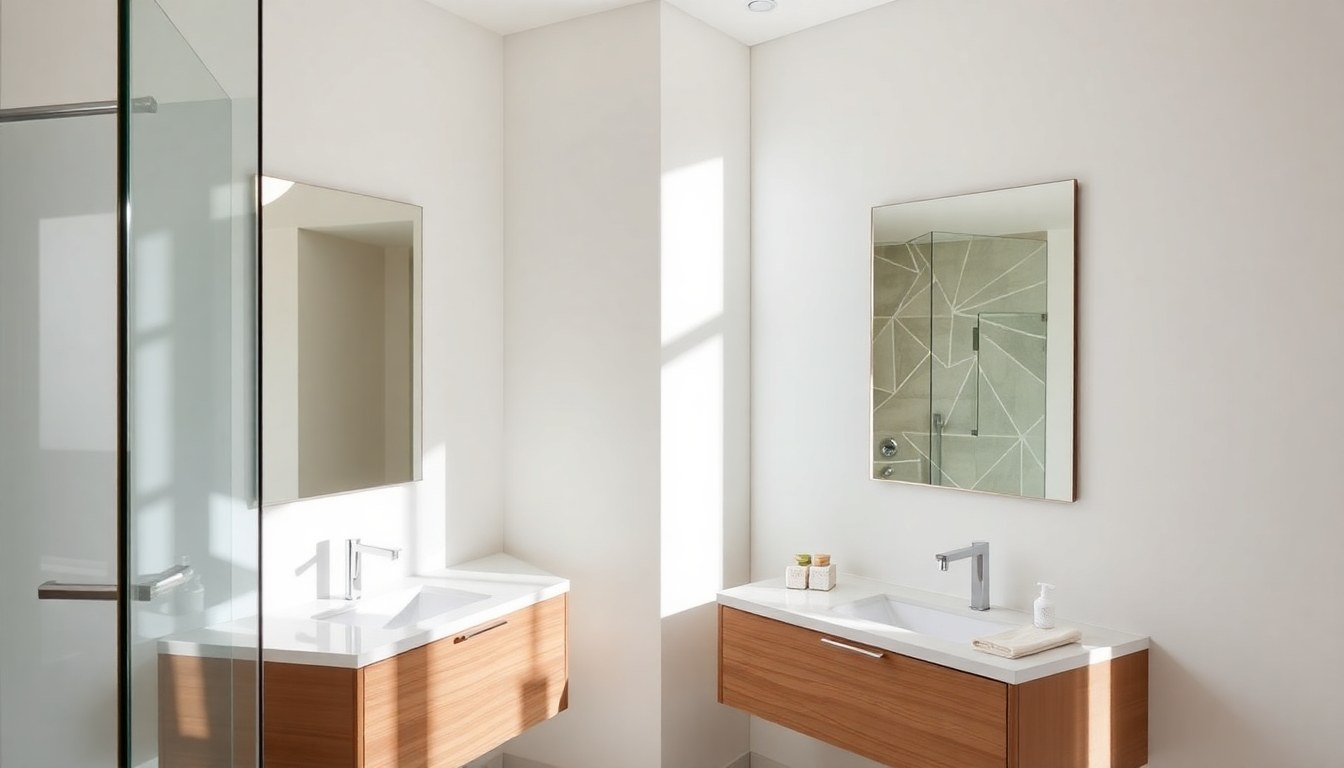
Choosing the right mirror thickness for your bathroom vanity is crucial for both safety and longevity, especially in India's humid climate. While thicker mirrors offer superior durability and distortion-free reflection, thinner options can be perfectly adequate for smaller installations when properly backed and installed. Understanding the differences between 4mm, 5mm, and 6mm mirror thickness will help you make an informed decision that balances quality, safety, and budget.
Understanding Standard Mirror Thickness Options
Bathroom mirrors in India are typically available in three standard thicknesses: 4mm, 5mm, and 6mm. Each thickness serves different purposes and comes with distinct advantages. The thickness you choose directly impacts the mirror's weight, structural integrity, resistance to warping, and overall lifespan in moisture-rich environments.
A 4mm mirror is the thinnest option commonly used in residential bathrooms. It works well for smaller vanities up to 60cm in width and is the most economical choice. However, 4mm mirrors require proper backing and support to prevent distortion over time, particularly in humid conditions typical of Indian bathrooms.
The 5mm thickness strikes a balance between affordability and durability, making it the most popular choice for standard bathroom vanities ranging from 60cm to 120cm. This thickness provides better resistance to warping and offers improved structural stability compared to 4mm mirrors. Most ready-made bathroom cabinets in India come with 5mm mirrors as standard.
Premium 6mm mirrors offer the highest quality reflection with virtually no distortion, even across larger surfaces. They're recommended for vanities exceeding 120cm in width, luxury bathrooms, or installations where the mirror will be frameless or wall-mounted without a cabinet backing. The additional thickness provides superior moisture resistance and longevity.
How Humidity Affects Mirror Performance
Indian bathrooms face unique challenges due to high humidity levels, especially during monsoon seasons and in coastal cities like Mumbai, Chennai, and Kolkata. Moisture is the primary enemy of bathroom mirrors, causing edge corrosion, silvering deterioration, and black spots that progressively spread across the mirror surface.
Thicker mirrors naturally resist humidity-related damage better than thinner ones. The additional glass thickness provides more protection to the silvering layer at the back. However, thickness alone doesn't guarantee moisture resistance—the quality of the silvering, the protective backing layers, and proper edge sealing are equally important factors.
Protective Coatings and Backing Requirements
Regardless of thickness, ensure your bathroom mirror has a copper-free silvering process, which offers superior corrosion resistance in humid environments. Modern mirrors should include multiple protective layers: a reflective silver coating, a copper layer, and at least two coats of protective paint. Premium options include additional moisture-barrier coatings specifically designed for bathroom use.
For 4mm mirrors especially, a safety backing film is essential. This vinyl or polymer backing serves dual purposes: it holds shattered glass together in case of breakage and provides an additional moisture barrier. Many building codes in Indian metros now require safety backing for all bathroom mirrors regardless of thickness.
Safety Considerations for Bathroom Mirrors
Safety should be a primary concern when selecting bathroom mirror thickness, particularly in homes with children or elderly family members. Thicker mirrors are inherently more resistant to impact and less likely to shatter from accidental knocks or temperature fluctuations common in bathrooms.
A 6mm mirror with proper safety backing can withstand considerably more impact than a 4mm mirror. If the mirror does break, the thicker glass produces larger, less numerous fragments compared to thinner glass, which tends to shatter into many small, sharp pieces. This makes cleanup safer and reduces the risk of injury.
- Always specify safety backing regardless of mirror thickness
- Consider shatterproof film for bathrooms used by children
- Ensure proper installation with appropriate wall anchors rated for the mirror's weight
- Check that edge polishing is smooth to prevent cuts during handling and cleaning
- Verify the mirror meets IS 2835 standards for safety glass in wet areas
Edge Finishing and Installation Methods
The edge finishing of your bathroom mirror affects both aesthetics and safety. Polished edges are essential for any exposed mirror edges, while beveled edges add a decorative touch and are commonly available on 5mm and 6mm mirrors. Thinner 4mm mirrors typically have simple polished edges due to the difficulty of creating bevels on thinner glass.
Installation methods vary based on mirror thickness and size. Lighter 4mm mirrors under 60cm can be installed using high-quality mirror adhesive alone. Medium-weight 5mm mirrors typically require both adhesive and mechanical support through J-channels or clips, especially for larger installations. Heavy 6mm mirrors always need mechanical fixing with sturdy brackets or a French cleat system.
Wall Preparation and Support
Indian homes have varying wall construction—from brick and concrete to drywall and hollow blocks. Your wall type determines the installation method. Concrete and brick walls can support heavier mirrors with appropriate anchors, while hollow walls require special toggle bolts or mounting to wall studs. For 6mm mirrors exceeding 15kg, professional installation is recommended to ensure proper weight distribution and secure mounting.
Cost Considerations Across Different Thicknesses
Mirror pricing in India varies significantly based on thickness, size, and quality. As a general guideline, 4mm mirrors cost approximately ₹80-120 per square foot for standard quality, while 5mm mirrors range from ₹120-180 per square foot. Premium 6mm mirrors typically cost ₹200-300 per square foot, with luxury options featuring superior coatings commanding even higher prices.
While the upfront cost difference may seem substantial, consider the long-term value. A quality 6mm mirror can last 15-20 years in humid bathroom conditions with proper maintenance, while a budget 4mm mirror might show deterioration within 5-7 years. Factor in replacement costs, reinstallation expenses, and potential wall damage when calculating total ownership cost.
Installation costs also vary by thickness. A 4mm mirror installation might cost ₹500-800, while a heavy 6mm mirror could require ₹1,500-2,500 for professional mounting, especially if reinforced brackets or specialized hardware are needed. Cities like Delhi, Bangalore, and Pune typically have higher labor costs compared to tier-2 cities.
Making the Right Choice for Your Bathroom
Your ideal mirror thickness depends on several factors working together. For compact bathrooms with vanities under 60cm, a quality 4mm mirror with safety backing and proper installation offers excellent value. Standard family bathrooms with 60-120cm vanities benefit most from 5mm mirrors, which provide the best balance of durability, cost, and performance.
Choose 6mm mirrors for master bathrooms, large vanities over 120cm, frameless installations, or luxury renovations where superior quality justifies the investment. High-humidity environments like bathrooms without windows or proper ventilation should lean toward thicker options regardless of vanity size, as the additional thickness provides better long-term moisture resistance.
- Small vanities (under 60cm): 4mm with safety backing
- Standard vanities (60-120cm): 5mm for optimal value
- Large vanities (over 120cm): 6mm for stability
- Frameless installations: 6mm minimum
- High-humidity bathrooms: 5mm or 6mm preferred
- Budget-conscious projects: 4mm with quality backing
- Premium renovations: 6mm with advanced coatings
Frequently Asked Questions
What is the minimum mirror thickness recommended for bathroom vanities?
The minimum recommended thickness for bathroom vanities is 4mm, provided the mirror has proper safety backing and moisture-resistant coatings. For vanities wider than 60cm or in high-humidity environments, 5mm is the better minimum choice. Anything thinner than 4mm is prone to distortion and is not suitable for bathroom applications where moisture and temperature fluctuations are common.
Can I use a 4mm mirror for a large bathroom vanity?
While technically possible, using a 4mm mirror for vanities exceeding 90cm in width is not recommended. Thinner mirrors are more susceptible to warping over large spans, especially when exposed to bathroom humidity and temperature changes. For vanities over 90cm, opt for at least 5mm thickness, and for those over 120cm, 6mm thickness ensures distortion-free reflection and better longevity.
How does mirror thickness affect distortion?
Thicker mirrors provide clearer, more distortion-free reflections, particularly across larger surfaces. A 4mm mirror may show slight waviness or distortion when viewed from angles, especially if not mounted on a perfectly flat surface. The 6mm thickness offers the truest reflection with minimal distortion even on large installations, making it ideal for makeup application and grooming tasks that require precision.
Is safety backing necessary for all bathroom mirror thicknesses?
Yes, safety backing is highly recommended for all bathroom mirrors regardless of thickness. It prevents glass shards from scattering if the mirror breaks and provides an additional moisture barrier that extends mirror life. While thicker mirrors are less likely to shatter, safety backing adds minimal cost and significantly improves safety, making it a worthwhile investment for any bathroom installation.
How long do different mirror thicknesses last in Indian bathroom conditions?
With proper installation and maintenance, a quality 4mm mirror typically lasts 5-8 years in humid Indian bathrooms, while 5mm mirrors can last 10-15 years. Premium 6mm mirrors with advanced moisture-resistant coatings can exceed 15-20 years of service life. Actual longevity depends heavily on ventilation quality, maintenance practices, and the quality of protective coatings applied during manufacturing.
Ready to source the perfect bathroom mirror for your project? Visit the Glassy.in directory to connect with verified mirror manufacturers and suppliers across India who can provide expert guidance on thickness selection, custom sizing, and professional installation services tailored to your specific requirements.