
Glass Railings
Glass Staircase Balustrades: Installation, Safety Standards & Maintenance
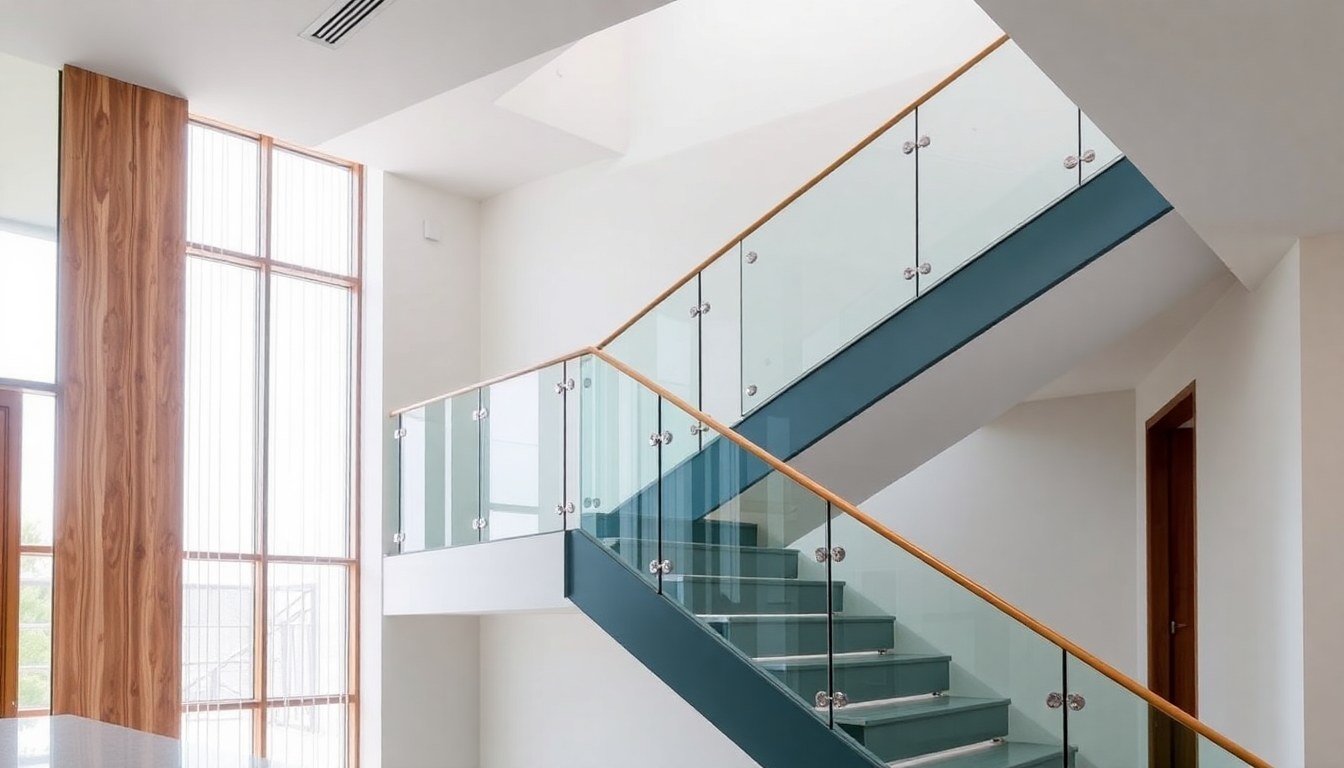
Glass staircase balustrades combine aesthetic elegance with functional safety when installed correctly according to Indian building codes. Whether you're renovating a residential home in Mumbai, designing a commercial space in Bangalore, or upgrading a heritage property, understanding the installation process, compliance requirements, and long-term care ensures your glass railings remain beautiful and secure for decades. This comprehensive guide covers everything from material selection to maintenance protocols aligned with Indian safety standards.
Understanding Glass Staircase Balustrades and Their Benefits
Glass staircase balustrades have become increasingly popular in modern Indian architecture because they maintain visual continuity while providing safety barriers. Unlike traditional metal or wooden railings, toughened glass allows light to flow through staircases, making spaces feel larger and more open—a significant advantage in compact urban homes and commercial buildings across India's major metros.
The primary advantage lies in their versatility. Glass railings work seamlessly with contemporary interiors, minimalist designs, and even traditional spaces seeking a modern upgrade. They're also easier to clean and maintain than porous materials, making them practical for high-traffic areas. Most importantly, when manufactured and installed to specification, toughened glass provides the same safety performance as conventional railings while offering superior aesthetics.
Indian Safety Standards and Compliance Requirements
IS 4099 and Relevant Building Codes
India's primary safety standard for staircase design is IS 4099:2015 (Code of Practice for Design, Fabrication and Erection of Structural Steelwork in Buildings), which includes provisions for railing safety. However, the most directly applicable standard is IS 1644:2017 (Code of Practice for General Construction of Non-Framed Structures and Foundations), which specifies railing height, infill requirements, and load-bearing capacity.
Key safety requirements under Indian building codes include:
- Minimum railing height: 1000 mm (39 inches) from the stair tread nosing, measured vertically
- Load-bearing capacity: Railings must withstand a horizontal force of 1.2 kN (approximately 120 kg) applied at the top rail without permanent deformation
- Glass thickness: Minimum 10 mm toughened glass for residential applications; 12 mm for commercial or high-traffic areas
- Baluster spacing: Maximum 100 mm gap between vertical elements to prevent child entrapment
- Deflection limits: Maximum 15 mm deflection under specified loads
State-Level Variations
While national standards provide the baseline, individual states and municipal corporations may impose stricter requirements. Mumbai's BMC, Delhi's MCD, and Bangalore's BBMP have specific bylaws governing railing specifications. Always consult your local municipal authority before installation to ensure compliance with regional building regulations.
Material Selection and Structural Requirements
Toughened Glass Specifications
Not all glass is suitable for staircase railings. Toughened (tempered) glass is mandatory for safety reasons. This glass undergoes a heating and rapid cooling process that increases its strength to 4-5 times that of ordinary glass. If toughened glass breaks, it crumbles into small, relatively harmless granules rather than sharp shards, significantly reducing injury risk.
For Indian installations, specify:
- Thickness: 10 mm for residential; 12 mm for commercial spaces
- Type: Toughened (tempered) glass only—never use annealed or heat-strengthened glass
- Edge finishing: Polished edges (minimum 2 mm polish) to prevent sharp edges and improve aesthetics
- Certification: Ensure glass bears ISI mark and comes with test certificates confirming toughening process
- Transparency: Clear glass is standard; frosted or tinted options available for privacy
Support Structure and Mounting Systems
The glass panel is only as strong as its support system. Mounting typically uses either stainless steel (SS 304 or SS 316) or aluminum frames, with glass secured using specialized clamps, brackets, or silicone sealants. Stainless steel is preferred in India due to superior corrosion resistance in humid climates, particularly in coastal cities like Mumbai, Goa, and Kochi.
The support structure must be anchored to the staircase stringers or floor with structural bolts rated for the calculated loads. Load calculations must account for the glass weight, applied forces, and safety factors as per IS codes. Professional structural engineers typically handle these calculations.
Installation Process and Best Practices
Pre-Installation Planning
Before any installation begins, obtain detailed measurements of your staircase and have a qualified glass fabricator prepare shop drawings. These drawings should clearly show glass dimensions, thickness, edge details, mounting hardware specifications, and load calculations. This step prevents costly errors and ensures compliance with safety standards.
Verify that your staircase structure can support the additional load. Glass adds approximately 25 kg per square meter of area. For a typical 1000 mm high balustrade spanning 3 meters, expect an additional load of 75-100 kg distributed along the railing.
Installation Steps
Professional installation typically follows this sequence:
- Surface preparation: Clean and level the mounting surface; repair any defects in the staircase structure
- Anchor installation: Drill and install structural anchors (typically M10 or M12 bolts) at specified intervals, usually 600-800 mm apart
- Frame assembly: Install support frames or channels that will hold the glass panels
- Glass installation: Carefully position toughened glass panels and secure them using clamps or brackets with appropriate gaskets
- Sealing: Apply structural silicone sealant (neutral-cure, non-corrosive) to seal gaps and improve weather resistance
- Testing: Perform load tests to verify the railing meets design specifications before handover
Edge Finishing Importance
Polished edges are non-negotiable for safety and aesthetics. Rough or sharp edges create injury hazards and look unfinished. The edge should be polished to a smooth finish, typically 2-4 mm polish width. Some fabricators offer beveled edges (45-degree angles) for added elegance. Ensure the fabricator uses proper edge-finishing equipment and quality control checks.
Long-Term Maintenance and Care
Routine Cleaning
One advantage of glass railings is their easy maintenance. Clean glass surfaces with a soft cloth and mild glass cleaner (vinegar and water solution works well) every 1-2 weeks in residential settings, more frequently in commercial spaces. Avoid abrasive scrubbers that can scratch the surface.
Pay special attention to the silicone sealant joints. Wipe these areas gently and ensure no water accumulates in the seals. In humid climates like coastal India, proper drainage is essential to prevent moisture ingress and structural deterioration.
Periodic Inspections
Conduct visual inspections every 6 months to check for:
- Cracks or chips in the glass (any damage requires panel replacement)
- Loose mounting hardware or bolts
- Deterioration of silicone sealants
- Corrosion of stainless steel components (rare but possible in salt-air environments)
- Visible movement or deflection when gentle pressure is applied
Sealant Replacement
Structural silicone sealants typically last 10-15 years in Indian climates. If you notice the sealant becoming discolored, hardened, or cracking, schedule replacement immediately. This prevents water infiltration and maintains the structural integrity of the installation. Use only neutral-cure, non-acetic silicone sealants approved for structural glazing applications.
Cost Considerations in India
Glass staircase balustrade costs in India vary significantly based on location, glass thickness, and finish quality. Expect to budget ₹1,500–₹3,500 per running meter for residential installations and ₹2,500–₹5,000 per running meter for commercial-grade systems in major metros like Delhi, Mumbai, and Bangalore. Installation labor typically adds ₹500–₹1,500 per running meter depending on complexity and local rates.
Common Installation Mistakes to Avoid
Many installations fail due to preventable errors. Never use ordinary annealed glass—it shatters dangerously. Avoid inadequate anchoring or spacing bolts more than 1000 mm apart; this compromises load-bearing capacity. Don't skip load testing; always verify your installation meets design specifications before occupancy. Finally, never compromise on edge finishing or use low-quality sealants; these cost-cutting measures lead to safety hazards and premature failure.
Ensure your installation contractor holds relevant certifications and has completed similar projects. Ask for references and inspect previous installations if possible.
Frequently Asked Questions
What is the minimum thickness of glass required for staircase railings in India?
The minimum thickness for residential applications is 10 mm toughened glass, as specified in Indian building codes. Commercial or high-traffic installations require 12 mm toughened glass. The glass must be tempered (toughened) through a heating and rapid cooling process to ensure it crumbles safely if broken, rather than creating sharp shards. Always verify with your local municipal authority, as some jurisdictions may have stricter requirements.
How often should glass staircase railings be inspected?
Conduct visual inspections every 6 months to check for cracks, loose hardware, sealant deterioration, and any visible movement. In high-traffic commercial settings, increase inspection frequency to quarterly. After extreme weather events or if you notice any unusual sounds or movement, perform an immediate inspection. Most structural issues can be prevented through regular maintenance and early detection.
Can glass railings be installed on existing stairs without structural modifications?
In most cases, yes—but only if the existing staircase structure is sound and can support the additional load (approximately 25 kg per square meter). A structural engineer must assess the staircase and confirm its capacity before installation. If the staircase is deteriorated or undersized, reinforcement may be necessary, adding to project costs and timeline. Always consult a professional before assuming your existing structure can accommodate glass railings.
What is the cost of glass staircase balustrades in India?
Residential installations typically cost ₹1,500–₹3,500 per running meter, while commercial-grade systems cost ₹2,500–₹5,000 per running meter in major Indian metros. Installation labor adds ₹500–₹1,500 per running meter. Costs vary based on glass thickness, finish quality, location, and complexity. Coastal areas may require premium stainless steel components, increasing costs. Obtain quotes from multiple qualified fabricators and compare not just price but also warranties and certification credentials.
How do I maintain glass railings in humid coastal climates?
In coastal areas like Mumbai, Goa, or Kochi, clean glass surfaces weekly with a soft cloth and mild glass cleaner to prevent salt deposits. Ensure silicone sealants are in excellent condition and replace them every 10-12 years (rather than the typical 15-year interval) due to accelerated degradation in salt-air environments. Use premium stainless steel components (SS 316 grade) instead of standard SS 304. Inspect bolts and fasteners annually for corrosion and apply protective coatings if needed.
Conclusion
Glass staircase balustrades elevate modern interiors while maintaining safety when designed and installed according to Indian building codes and standards. By understanding material specifications, compliance requirements, proper installation techniques, and maintenance practices, you can ensure your glass railings remain beautiful, functional, and safe for decades. Partner with certified glass fabricators, conduct thorough inspections, and follow recommended maintenance schedules to maximize your investment.
Ready to upgrade your staircase with professional glass railings? Browse certified glass fabricators and installation specialists in your city on glassy.in, India's largest glass-business directory. Connect with verified vendors, compare quotes, and find the perfect solution for your project today.