
Glass Railings
Glass Staircase Balustrades: Load Testing, Installation, and Maintenance Guide
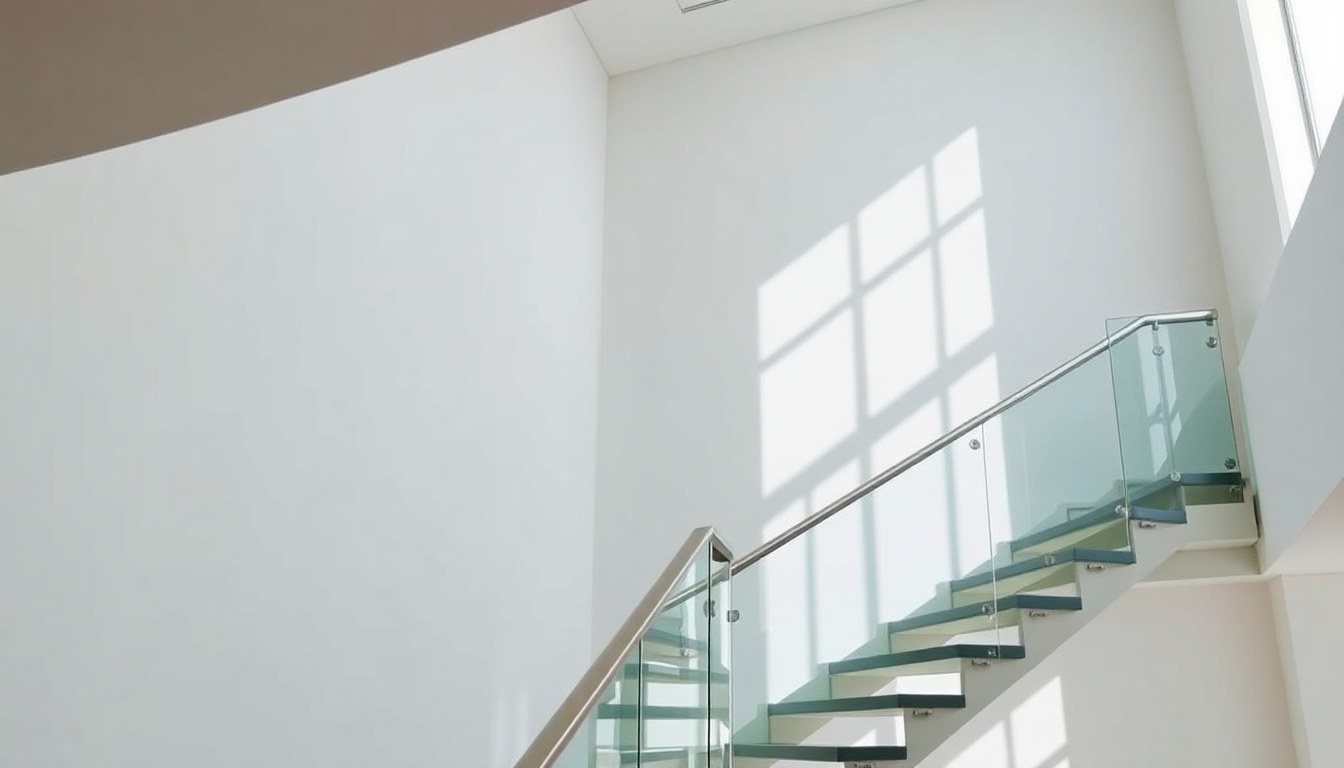
Glass staircase balustrades transform interiors with their sleek, modern aesthetic while maintaining clear sightlines and natural light flow. However, safety is paramount—these railings must withstand significant loads and meet strict building codes. This comprehensive guide walks you through load testing requirements, professional installation practices, and maintenance protocols to ensure your glass balustrade remains beautiful and secure for decades.
Understanding Glass Balustrade Safety Standards in India
Glass balustrades installed in residential and commercial spaces across India must comply with Indian Standards (IS 1641:2016) and National Building Code of India (NBC) guidelines. These standards specify minimum thickness, material quality, and load-bearing capacity to prevent accidents and structural failure. The regulations ensure that railings can withstand both horizontal and vertical loads without compromising safety.
The primary concern is preventing falls, which makes load resistance critical. A balustrade must support the weight of a person leaning against it, plus accidental impacts. Most codes require balustrades to resist a horizontal load of 1.2 kN (approximately 120 kg force) applied at any point along the rail without permanent deformation. Toughened or tempered glass is mandatory because it shatters into small, harmless granules rather than sharp shards if it breaks.
- Minimum glass thickness: 10mm for residential installations
- 12mm or 15mm for high-traffic commercial spaces
- Laminated glass for enhanced safety in earthquake-prone regions
- All glass must be certified toughened (tempered) glass
- Stainless steel or aluminum frames required for corrosion resistance
Load Testing: What You Need to Know
Load testing is the process of applying controlled forces to a glass balustrade system to verify it meets safety standards before installation. This testing is essential for custom installations or when using non-standard materials. Professional testing laboratories in major Indian cities like Delhi, Mumbai, Bangalore, and Hyderabad can conduct these evaluations using specialized equipment.
Types of Load Tests
Horizontal load testing applies force perpendicular to the balustrade surface, simulating a person pushing or leaning against it. The test measures deflection and confirms the system returns to its original position without permanent bending or cracking. Vertical load testing checks the railing's ability to support weight from above, ensuring the top rail doesn't sag under sustained pressure. Impact testing evaluates how the system responds to sudden force, such as a child running into the railing.
Testing Documentation
Reputable glass suppliers and installers provide load test certificates from accredited laboratories. These documents should clearly state the glass thickness, frame material, test loads applied, and results. Keep these certificates with your property records—they're valuable for insurance claims, property sales, and warranty verification. Testing costs typically range from ₹5,000 to ₹15,000 per balustrade system, depending on complexity.
Professional Installation Best Practices
Proper installation determines whether a glass balustrade performs safely over its lifetime. Poor installation can compromise load-bearing capacity, create water infiltration problems, and lead to premature corrosion of metal components. Always hire certified installers with experience in glass railing systems and knowledge of local building codes.
Pre-Installation Preparation
Before installation begins, the staircase structure must be inspected for damage, proper slope, and adequate anchor points. The concrete or wooden substrate should be sound and able to support the additional weight of the glass system. Installers should verify that the staircase meets building code specifications and obtain necessary permissions from local authorities. In India, this often requires approval from the municipal corporation or housing society.
Mounting and Anchoring
Glass panels are anchored to the staircase using stainless steel brackets, clamps, or channels. The spacing between fasteners is critical—typically no more than 600mm apart for residential installations. All fasteners must be stainless steel (Grade 304 or 316) to prevent rust, which is especially important in humid climates. Silicone sealants used around anchors should be neutral-cure, non-corrosive types that won't damage the glass or metal components.
The top rail should be securely fastened and capable of supporting a minimum 1.2 kN horizontal load. Vertical spacing between the glass panel and the stair treads should be minimized to prevent objects from passing through, particularly important in homes with children. Most codes specify a maximum 100mm gap at the bottom of the railing.
Critical Installation Checkpoints
- Verify all fasteners are stainless steel and properly tightened
- Confirm glass panels are plumb (vertically straight) within 5mm tolerance
- Check that all sealant joints are properly filled and smooth
- Ensure the top rail is level and secure at all connection points
- Test horizontal load resistance before final sign-off
- Inspect for any chips or cracks in the glass surface
Maintenance and Cleaning Protocols
Glass balustrades require regular maintenance to remain safe, attractive, and functional. Dust, moisture, and environmental contaminants can accumulate on glass surfaces and around fasteners, potentially causing corrosion or reducing visibility. A consistent maintenance schedule prevents costly repairs and extends the system's lifespan significantly.
Regular Cleaning Schedule
Clean glass surfaces weekly in residential settings, more frequently in high-traffic commercial spaces. Use a soft microfiber cloth with a glass cleaner specifically formulated for toughened glass—avoid abrasive cleaners that can scratch the surface. For stubborn deposits, use a solution of equal parts white vinegar and water. Wipe the top rail, metal frames, and all fasteners with a damp cloth monthly to remove dust and prevent corrosion.
In coastal areas or regions with high humidity, increase cleaning frequency to every 3-4 days. Salt air and moisture accelerate corrosion of metal components, so pay special attention to stainless steel fasteners and frames. Rinse thoroughly with distilled water and dry completely to prevent water spots and mineral deposits.
Inspection and Maintenance Tasks
- Monthly inspection: Check all fasteners for tightness and corrosion signs
- Quarterly inspection: Examine sealant joints for cracks or separation
- Bi-annual inspection: Test horizontal load resistance with firm hand pressure
- Annual professional inspection: Hire a certified installer to assess structural integrity
- Immediate action: Address any visible cracks, loose components, or corrosion immediately
Common Maintenance Issues and Solutions
Water staining and mineral deposits appear as white or cloudy marks on glass. These are cosmetic but can reduce clarity. Clean with vinegar solution and buff dry with a lint-free cloth. Corrosion on fasteners indicates moisture intrusion or low-grade stainless steel. Replace affected fasteners with Grade 316 stainless steel components immediately. Sealant degradation allows water penetration and structural weakness. Reapply neutral-cure silicone sealant when existing sealant shows cracking, shrinkage, or discoloration.
Cost Considerations and Material Selection
Glass balustrade costs in India vary significantly based on glass thickness, frame material, design complexity, and installation location. Basic residential installations with 10mm toughened glass and aluminum frames typically cost between ₹3,000 to ₹5,000 per running meter. Premium systems using 12mm laminated glass with stainless steel frames range from ₹6,000 to ₹10,000 per meter.
Choosing quality materials upfront reduces long-term maintenance costs. Stainless steel (Grade 316) costs more than aluminum but lasts significantly longer in humid or coastal environments. Laminated glass costs 20-30% more than standard toughened glass but offers superior safety in earthquake-prone regions and reduces noise transmission. Consider your location's climate, building code requirements, and aesthetic preferences when selecting materials.
Frequently Asked Questions
What is the minimum glass thickness for a staircase balustrade?
The minimum thickness is 10mm for residential installations in India, as per IS 1641:2016 standards. High-traffic commercial spaces and installations in seismic zones should use 12mm or 15mm thick toughened glass. Laminated glass, even at 10mm thickness, provides additional safety benefits in certain applications. Always verify local building code requirements with your municipal authority before installation.
How often should glass balustrades be professionally inspected?
Professional inspections should occur annually, with monthly visual checks and quarterly detailed inspections by the property owner. More frequent inspections are necessary in coastal areas, regions with high humidity, or buildings experiencing significant temperature fluctuations. Any visible damage, loose fasteners, or corrosion should trigger immediate professional assessment.
Can I use regular glass instead of toughened glass for balustrades?
No, toughened (tempered) glass is mandatory for all balustrade installations under Indian building codes. Regular annealed glass shatters into large, sharp pieces that cause severe injuries. Toughened glass breaks into small, harmless granules, making it the only safe choice for railings. Always verify that your glass supplier provides certification confirming the glass is properly tempered.
What should I do if my glass balustrade develops a crack?
Stop using that section of the staircase immediately and contact a professional installer. Even small cracks can compromise the structural integrity of the entire panel. The affected glass panel must be replaced—cracks cannot be safely repaired. Do not attempt DIY repairs, as improper fixes can lead to catastrophic failure and serious injuries.
How can I prevent corrosion of metal components in my glass balustrade?
Use only stainless steel (Grade 316 in coastal areas) or high-quality aluminum for all metal components. Clean and dry the metal surfaces regularly, especially in humid environments. Apply a protective coating like clear lacquer or wax every 6-12 months to create a barrier against moisture. In coastal regions, increase cleaning frequency to every 3-4 days and consider professional maintenance every 6 months.
Find Quality Glass Balustrade Suppliers on Glassy.in
Installing a safe, beautiful glass staircase balustrade requires partnering with experienced professionals who understand load testing, installation standards, and long-term maintenance. Browse India's largest glass business directory at Glassy.in to connect with certified glass suppliers, installers, and maintenance specialists in your city. Whether you're planning a residential renovation or commercial project, find trusted professionals who deliver quality workmanship and reliable support.