
Glass Guides
Glass Skylights: Structural Load, Condensation, and Maintenance in Monsoon
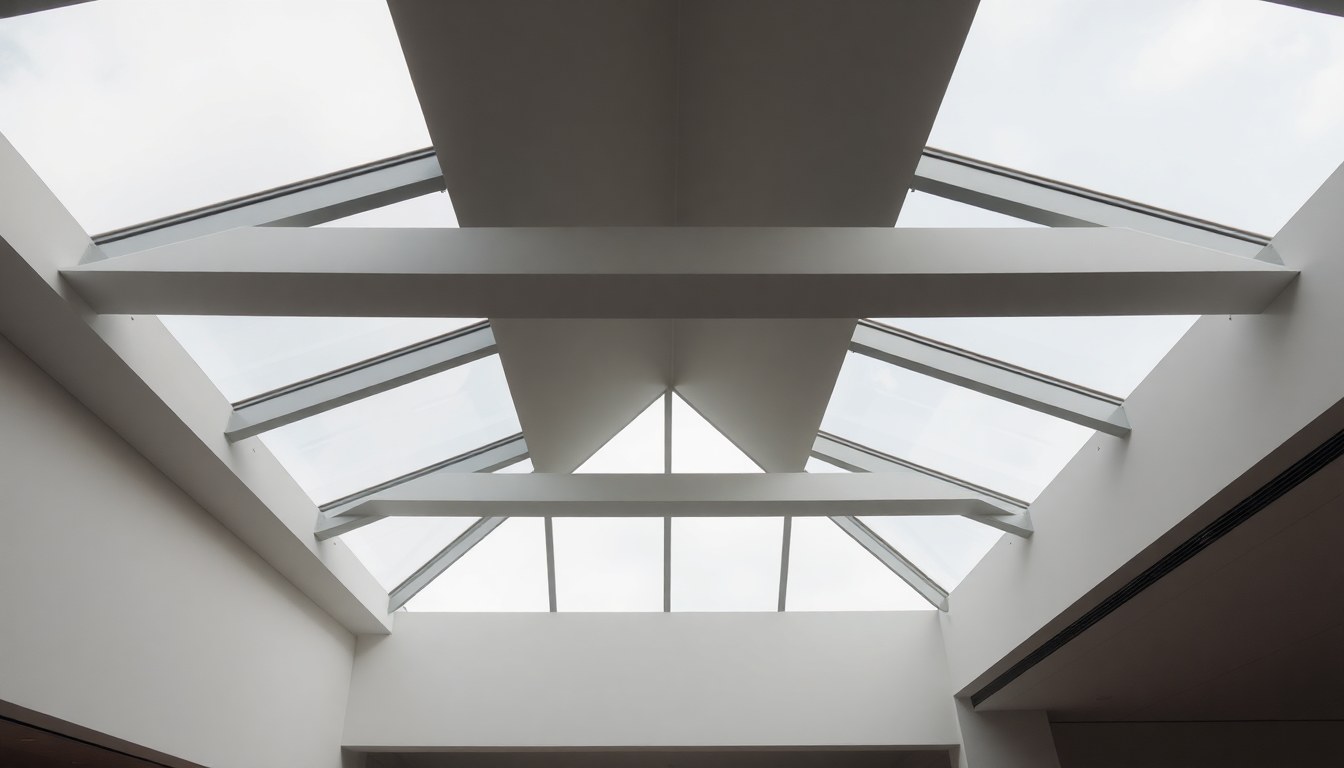
Glass skylights flood interiors with natural light and create stunning visual connections to the sky, but they introduce real engineering challenges—especially in India's monsoon climate. Improper installation, inadequate load calculations, and neglected maintenance can lead to water leaks, structural damage, and safety hazards. This guide walks you through structural load assessment, condensation prevention, and monsoon-proof maintenance protocols to ensure your skylights perform reliably for decades.
Understanding Structural Load on Glass Skylights
Every glass skylight sits on a roof structure that must safely support its weight plus environmental forces. The total load includes the glass pane weight, frame material, insulation layers, and external forces like wind pressure and, critically in India, water accumulation during heavy rainfall. Undersizing the support structure is a common mistake that can lead to sagging, cracking, or catastrophic failure.
Load calculations begin with the basic formula: Total Load = Dead Load + Live Load + Environmental Load. Dead load includes the skylight assembly itself—typically 15–25 kg per square meter for single-pane glass and 25–40 kg/m² for double-glazed units. Live load accounts for maintenance access (usually 100 kg concentrated load per building codes). Environmental load includes wind uplift (varies by location and roof pitch) and, uniquely in monsoon regions, water pooling on horizontal or low-slope skylights.
Calculating Dead Load for Your Skylight
Standard annealed glass weighs approximately 2.5 kg per square meter per millimeter of thickness. A 6 mm single-pane skylight over 2 m² area weighs roughly 30 kg. Add the aluminum frame (typically 3–5 kg), insulation gaskets, and sealant, and you're looking at 35–40 kg total. Tempered or laminated glass adds 10–15% more weight due to processing. Always verify the manufacturer's specifications—they should provide a weight certificate.
For double-glazed skylights, the weight nearly doubles. A 4 mm + 4 mm double-pane unit (6 mm air gap) over 2 m² weighs 40–50 kg plus frame. If your roof structure was designed decades ago or for a different purpose, this additional load may exceed safe limits. Consult a structural engineer if you're retrofitting older buildings in Delhi, Mumbai, Bangalore, or other Indian cities where heritage structures are common.
Wind and Monsoon Water Load
Wind pressure varies by location, roof pitch, and building height. In coastal areas (Chennai, Mumbai, Goa), wind speeds can exceed 50 km/h during cyclone season. The pressure formula is P = 0.613 × V² × Cf, where V is wind speed in m/s and Cf is a shape coefficient (typically 1.2–1.5 for skylights). A 2 m² skylight facing 50 km/h wind experiences roughly 200–300 N of force—manageable with proper bracing, but dangerous if ignored.
Monsoon water load is equally critical. A 10 mm depth of water over 2 m² adds 200 kg of weight. If your skylight lacks proper slope or drainage, water can pool, especially on flat roofs common in urban Indian construction. This is why pitch (slope) matters: skylights should tilt at least 5–10 degrees to allow water runoff. Horizontal skylights require internal drainage channels or a secondary catch pan beneath the glass.
Preventing Condensation: The Thermal Challenge
Condensation forms when warm, moist indoor air meets the cold surface of a skylight glass, particularly during early mornings or after heavy rainfall when outside temperatures drop. In Indian monsoon regions, humidity levels exceed 80–90%, making condensation almost inevitable without proper design and ventilation.
The dew point—the temperature at which air becomes saturated—determines when condensation occurs. If your indoor air is 25°C with 70% relative humidity, dew point is around 18°C. If the skylight glass surface drops below 18°C (common at night or during rain), water will condense. Double-glazed or insulated skylights maintain higher inner-pane temperatures, reducing condensation risk by 60–80% compared to single-pane units.
Choosing the Right Glass Type
Single-pane clear glass offers minimal thermal resistance (R-value ~0.15 m²K/W). In monsoon climates, this guarantees condensation. Double-glazed units with low-emissivity (Low-E) coatings perform far better, with R-values of 0.4–0.6 m²K/W. Low-E coatings reflect infrared radiation inward, keeping the inner glass warmer. In India, prices for double-glazed skylights range from ₹8,000–₹15,000 per m² versus ₹3,000–₹6,000 for single-pane, but the condensation prevention and energy savings justify the investment.
Triple-glazed skylights (R-value 0.8–1.0 m²K/W) are rare in India due to cost and weight, but they're ideal for high-humidity buildings like bathrooms, kitchens, or indoor swimming pools. Laminated glass (two panes bonded with polyvinyl butyral) adds safety and sound dampening but doesn't significantly reduce condensation unless combined with a thermal break in the frame.
Ventilation and Moisture Control
The most effective condensation strategy combines thermal insulation with active ventilation. Install automated skylight vents or operable skylights that open during high-humidity periods. Even 10–15 minutes of ventilation per hour can reduce indoor humidity by 15–20%. Motorized skylights with humidity sensors are increasingly affordable in India, with prices starting at ₹12,000–₹20,000.
Passive ventilation through roof turbines or ridge vents also helps. Ensure your building has balanced air intake (soffit vents) and exhaust (ridge or gable vents). A skylight in an unventilated attic will almost certainly develop condensation. For bathrooms and kitchens, install dedicated exhaust fans that duct humid air directly outside, not into attic spaces.
Water Ingress Prevention During Monsoon
Water leaks around skylights are among the most common roofing failures in India. The culprits: poor flashing installation, deteriorated sealants, and inadequate slope. Monsoon rains don't just fall vertically—wind-driven rain can approach from any angle, and water will exploit even hairline gaps in the seal.
Flashing is the critical interface between the skylight frame and the roof membrane. Standard aluminum flashing is prone to corrosion in humid climates; stainless steel or vinyl-coated aluminum lasts longer. The flashing should overlap the roof membrane by at least 150 mm on the upslope side and 100 mm on the downslope side. Many Indian installations cut corners here, leading to leaks within 2–3 monsoon seasons.
Proper Flashing and Sealant Protocol
Install flashing in layers: first, a self-adhesive waterproofing tape directly on the roof deck around the opening; second, the metal flashing pan; third, roof membrane over the top of the flashing; fourth, sealant (polyurethane or silicone) at all joints. Use high-quality sealants rated for monsoon climates—budget ₹500–₹1,500 per liter. Cheap sealants degrade within 1–2 years under UV and moisture exposure.
The skylight frame itself should have an internal weeping system or drainage channels that direct any water that penetrates the outer seal down and out, not into the building. Check the manufacturer's installation manual—reputable brands (Velux, Fakro, Solatube, and Indian makers like Sigma Glass) provide detailed flashing diagrams. Improper installation voids warranties, so hire certified installers familiar with monsoon conditions.
Slope and Drainage Design
Skylights must slope at least 5 degrees from horizontal. On flat roofs, create a sloped curb or frame to achieve this pitch. For every 1 meter of width, the skylight should rise 87 mm in height (5-degree slope). Horizontal skylights are tempting aesthetically but dangerous in monsoon climates—water pools, sealants degrade faster, and structural load increases. If a horizontal skylight is non-negotiable, install a secondary catch pan (a waterproof tray beneath the glass) with its own drainage to the outside.
Ensure roof gutters and downspouts are clear and functional. A blocked gutter can cause water to back up under the skylight flashing. In monsoon season, inspect gutters monthly and clear debris. Consider installing gutter guards or leaf screens to reduce maintenance burden.
Maintenance Protocols for Monsoon Regions
Proactive maintenance extends skylight lifespan from 15–20 years (with neglect) to 30–40 years (with care). In India's monsoon climate, a maintenance schedule is non-negotiable.
Pre-Monsoon Inspection and Cleaning
Inspect skylights 2–3 weeks before monsoon onset (typically late May in most of India). Check for:
- Cracks or chips in the glass (even small cracks can leak)
- Sealant gaps or deterioration around the frame perimeter
- Rust or corrosion on metal flashing or frames
- Debris accumulation on the roof around the skylight
- Sagging or movement of the frame (sign of structural issues)
Clean the glass thoroughly before monsoon. Use mild soap, water, and a soft cloth—avoid abrasive cleaners that scratch tempered glass. For exterior glass, use a squeegee to remove water streaks. For interior condensation, wipe with a microfiber cloth and ensure ventilation is functioning. Budget 1–2 hours per skylight for thorough cleaning; hire professionals if your skylight is above the first story (safety first).
Sealant and Flashing Maintenance
Inspect sealant annually. Press your finger gently on the sealant bead—it should be firm and slightly flexible, not cracked or hard. If sealant is more than 5 years old or shows visible cracks, schedule resealing. Cost: ₹3,000–₹8,000 per skylight depending on size and accessibility. Use only sealants rated for exterior use and monsoon climates (polyurethane or silicone, not acrylic).
Check flashing for rust (on steel) or green patina (on copper). Light surface corrosion is normal; deep pitting or holes require replacement. If you notice rust stains on interior ceilings below the skylight, investigate immediately—it indicates active water ingress.
Post-Monsoon Assessment
After monsoon season (October–November), inspect for water damage inside the building. Look for water stains, mold growth, or soft spots in ceiling materials. If you find evidence of leaks, mark the location and photograph it for your installer or insurance. Repair leaks promptly—water damage compounds over time and can weaken structural elements.
Material Selection for Durability
The longevity of your skylight depends heavily on material choices. In India's humid, corrosive environment, material quality directly impacts maintenance burden and lifespan.
Glass: Tempered glass is mandatory for safety in India (per National Building Code). Laminated glass adds shatter resistance and sound dampening. Tinted or reflective glass reduces heat gain but may reduce natural light benefits. For monsoon regions, prioritize double-glazed units with Low-E coatings over single-pane.
Frames: Aluminum frames are standard, but quality varies. Anodized aluminum resists corrosion better than bare aluminum. Stainless steel frames cost more but last longer in coastal areas. Vinyl frames (PVC) don't corrode but have lower structural strength and may degrade under intense UV exposure. Wood frames look beautiful but require regular maintenance and are prone to rot in monsoon climates.
Flashing: Stainless steel flashing costs 30–50% more than aluminum but lasts 2–3 times longer. In coastal or industrial areas, stainless is worth the investment. Copper flashing develops a protective patina and lasts 50+ years, but costs ₹2,000–₹4,000 per meter.
Frequently Asked Questions
How much weight can a typical roof support for a skylight?
Standard residential roof framing (16–24 inch joist spacing) can typically support 50–100 kg concentrated load at a single point, or 150–250 kg distributed over 2–3 m². However, this varies by joist size, spacing, and existing roof load. Always consult a structural engineer before installation. They'll review your roof plans and may recommend additional reinforcement (sister joists, additional support beams) costing ₹5,000–₹15,000.
Can I install a skylight on a flat roof in India?
Yes, but with caveats. Flat roofs require sloped skylight frames or curbs (minimum 5-degree slope) to prevent water pooling. Install a secondary catch pan beneath the glass as a backup. Inspect more frequently during monsoon—at least monthly. Horizontal skylights on flat roofs are high-risk in monsoon climates and should be avoided unless you're willing to accept higher maintenance and leak risk.
What's the best way to prevent condensation inside my skylight?
Use double-glazed or triple-glazed units with Low-E coatings to keep the inner glass warm. Ensure your home has adequate ventilation—use exhaust fans in bathrooms and kitchens, and open windows or skylights when humidity is high. If condensation persists, consider a small dehumidifier or install a motorized skylight with a humidity sensor (₹12,000–₹25,000). Avoid blocking air vents or creating sealed, stagnant spaces.
How often should I clean my skylight?
Clean skylights at least twice yearly—before and after monsoon season. If you live near the coast or in a dusty area, clean quarterly. Interior cleaning is simple (soap and water, microfiber cloth). Exterior cleaning is riskier due to fall hazards; hire professionals with safety equipment. Budget ₹1,500–₹3,000 per cleaning visit.
What should I do if my skylight starts leaking?
First, locate the leak source from inside—water may travel along rafters before dripping, so the stain may not be directly below the skylight. Mark the location and photograph it. Next, inspect the exterior: check sealant integrity, flashing condition, and roof slope. Minor sealant gaps can be patched (₹500–₹1,500). If flashing is damaged or sealant is severely deteriorated, the skylight may need reinstallation (₹8,000–₹20,000). Call a certified skylight installer immediately—leaks worsen rapidly during monsoon and can cause structural damage.
Conclusion: Invest in Quality, Plan for Maintenance
Glass skylights are architectural assets that enhance natural light, ventilation, and property value—but only if properly engineered and maintained. In India's monsoon climate, cutting corners on structural load calculations, thermal insulation, or water-sealing is false economy. A ₹15,000 double-glazed skylight with professional installation and annual maintenance will outperform a ₹5,000 single-pane unit installed by an unqualified contractor.
Start with a structural engineer's assessment, choose insulated glass and stainless steel flashing, hire certified installers, and commit to pre- and post-monsoon inspections. These investments—typically 15–25% more upfront—pay dividends in durability, energy efficiency, and peace of mind.
Ready to find the right skylight supplier or installer? Browse verified glass businesses, manufacturers, and installation professionals in your city on glassy.in, India's largest glass-business directory. Compare quotes, read reviews, and connect with experts who understand Indian monsoon challenges.