
Glass Guides
Glass Skylight Installation: Waterproofing, Framing & Maintenance
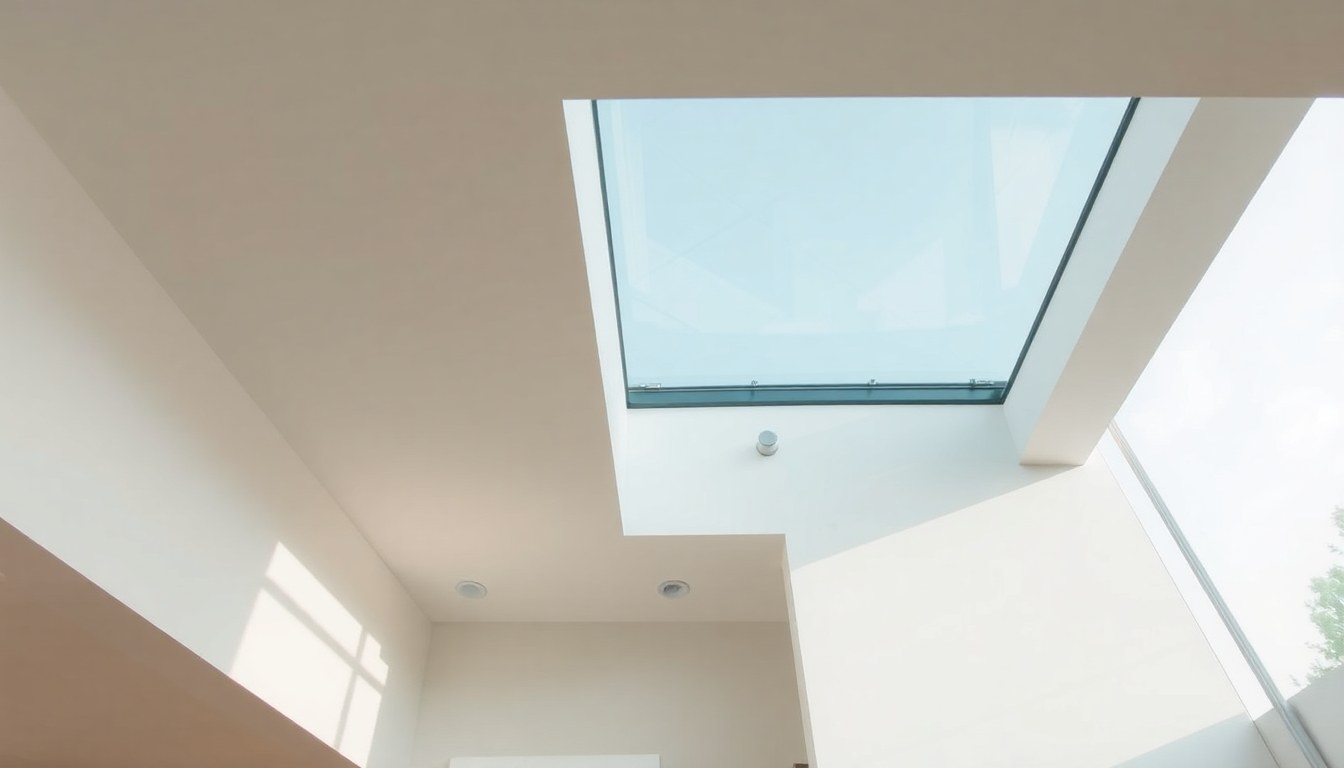
A well-installed glass skylight transforms any space with natural light and aesthetic appeal, but poor installation leads to costly leaks and structural damage. This comprehensive guide walks you through frame selection, waterproofing best practices, and maintenance schedules tailored to India's diverse climate zones—ensuring your skylight remains leak-free and beautiful for decades.
Understanding Skylight Frame Types and Materials
The frame is the foundation of a successful skylight installation. It determines durability, thermal performance, and how well water is managed around the opening. In India, where monsoons and temperature fluctuations are common, choosing the right frame material is critical.
Aluminum frames are the most popular choice for commercial and residential skylights across India. They're lightweight, corrosion-resistant, and cost-effective, typically ranging from ₹800 to ₹2,500 per running meter. Aluminum frames conduct heat readily, so thermal breaks (insulating strips) are essential in hot climates like Delhi and Mumbai. UPVC frames offer better insulation and are ideal for cooler regions, though they're more expensive at ₹1,500 to ₹3,500 per running meter. Steel frames provide superior strength for large installations but require regular maintenance to prevent rust, especially in coastal areas.
Frame Depth and Slope Considerations
Frame depth affects both water drainage and installation complexity. Standard frames range from 50mm to 150mm in depth. Deeper frames create a larger cavity for flashing and sealant, reducing leak risk. The slope of your skylight matters equally—a minimum slope of 5 degrees (1:12 ratio) is necessary for proper water runoff. Flat skylights in India often fail because monsoon rains accumulate on the glass surface, creating hydrostatic pressure that forces water past seals.
Waterproofing: The Critical Layer Between Glass and Structure
Waterproofing is where most skylight failures occur. Water doesn't just leak through cracks—it exploits gaps between the frame and the building structure, then travels along the underside of the frame into your interior. A multi-layer waterproofing approach prevents this.
Sealant Selection for Indian Climates
Silicone sealants are the industry standard for skylight waterproofing. They remain flexible across India's temperature swings (from 5°C in winter to 45°C in summer), maintain elasticity for 15–20 years, and resist UV degradation. High-quality silicone sealants cost ₹300 to ₹800 per 300ml cartridge but are worth the investment. Polysulfide sealants offer superior adhesion to both glass and metal frames but are less common in India and more difficult to apply. Polyurethane sealants are budget-friendly (₹150–₹400 per cartridge) but cure slowly and can shrink over time, making them less ideal for high-movement areas.
Always apply sealant in a continuous bead around the perimeter where the frame meets the structure. A typical skylight requires 8–12 cartridges. Avoid breaks in the sealant line; even a 2mm gap can allow water infiltration during heavy rain.
Flashing Installation: The Unsung Hero
Flashing is metal or rubber trim that directs water away from the skylight frame and onto the roof surface. Improper flashing causes 80% of skylight leaks in India. Install flashing in layers: the upper flashing overlaps the roof material above the skylight, while the lower flashing sits beneath the roof material below it. This shingle-like arrangement ensures water flows downward and outward.
For pitched roofs (common in residential areas), use aluminum or galvanized steel flashing. For flat roofs, rubber flashing membranes or self-adhesive bituminous flashing work better. The flashing should extend at least 150mm beyond the skylight frame on all sides. In monsoon regions, 200mm is safer.
Step-by-Step Installation Process
Proper installation technique is as important as material selection. Rushing this phase invites future problems.
- Prepare the opening: Ensure the roof opening is structurally sound and matches the skylight dimensions exactly. Gaps larger than 10mm require shimming or additional framing. In older buildings, check for water damage or rot around the opening.
- Install the curb or frame: Position the skylight frame level and secure it to the roof structure with stainless steel fasteners spaced 150mm apart. Aluminum screws corrode in India's humid climate; use stainless steel only.
- Apply primary sealant: Run a continuous bead of silicone sealant where the frame meets the curb. Smooth it with a wet finger or caulk tool for a concave profile that sheds water effectively.
- Install upper flashing: Secure the flashing above the skylight, overlapping the roof material. Use stainless steel fasteners and seal all fastener holes with silicone sealant.
- Install lower flashing: Position the lower flashing below the skylight, under the roof material. This is critical—water should flow onto this flashing, not behind it.
- Apply secondary sealant: Apply a second bead of sealant around the outer edge of the flashing where it meets the roof. This creates a backup seal if the primary sealant fails.
- Install the glass unit: Once sealants cure (typically 24–48 hours), install the glazed unit into the frame using the manufacturer's gaskets and fasteners.
After installation, test the skylight during the next rainfall. Check the underside of the frame and surrounding interior for any moisture. If leaks appear, don't ignore them—they worsen quickly during monsoon season.
Seasonal Maintenance for Indian Climates
India's climate—with intense monsoons, dust storms, and temperature extremes—demands regular skylight maintenance. A simple maintenance schedule prevents costly repairs and extends skylight life to 25–30 years.
Pre-Monsoon Inspection (May–June)
Before the monsoon arrives, inspect your skylight thoroughly. Clean the glass with mild soap and water; dust and debris reduce light transmission and trap moisture. Check the sealant around the frame for cracks, peeling, or discoloration. If sealant is damaged, remove it completely with a sealant removal tool and reapply fresh silicone. Inspect flashing for rust, gaps, or loose fasteners. Stainless steel fasteners rarely corrode, but check their tightness. Look for moss or algae growth on the glass or frame—these trap moisture and accelerate deterioration.
Post-Monsoon Inspection (October–November)
After the monsoon, check for water stains on the interior ceiling or walls around the skylight. Even small stains indicate moisture infiltration. Inspect the exterior for debris accumulated in the flashing channels. Leaves, twigs, and dust block drainage and create standing water. Clean these thoroughly. Check that all sealant joints are intact and that no water has pooled on the glass (indicating a slope problem).
Annual Maintenance Tasks
- Clean the glass twice yearly (pre-monsoon and post-monsoon) using soft brushes and non-abrasive cleaners. Avoid high-pressure washers that can force water past seals.
- Inspect sealant joints quarterly. Silicone typically lasts 15–20 years, but India's UV exposure can degrade it faster. Plan for resealing every 10–12 years.
- Check fasteners for corrosion and tightness. Loose fasteners allow frame movement, which breaks sealant seals.
- Trim tree branches that overhang the skylight. Falling branches damage glass and create debris dams in flashing.
- In coastal areas (Mumbai, Chennai, Kochi), increase inspection frequency to quarterly. Salt air accelerates corrosion of aluminum and fasteners.
Common Installation Mistakes to Avoid
Learning from others' errors saves time, money, and frustration. The most common skylight installation failures in India stem from overlooked details.
Insufficient sealant is the leading cause of leaks. Many installers apply a thin bead to save material, but silicone shrinks slightly as it cures. A thin bead leaves gaps. Use enough sealant that it slightly overflows the joint—you can trim excess after curing. Skipping the secondary sealant layer is another critical error. The first sealant layer is the primary defense, but the second layer provides insurance against future cracks.
Improper flashing installation—especially installing it above the roof material instead of beneath it—guarantees leaks. Water flows downward and outward; if flashing is positioned incorrectly, water flows behind it. Not sloping the skylight adequately is common in flat-roof installations. Flat skylights must have at least a 5-degree slope, achieved by shimming the upper edge of the frame.
Using non-stainless fasteners is false economy. Aluminum and mild steel fasteners corrode within 2–3 years in India's humid climate, creating rust stains and allowing frame movement. Stainless steel fasteners cost 30% more but last 25+ years.
Frequently Asked Questions
How much does a professional skylight installation cost in India?
A typical residential skylight (1m × 1m) costs ₹15,000 to ₹40,000 installed, depending on frame material, glass type, and location. Aluminum frames with standard tempered glass are the budget option; triple-glazed units with thermal breaks cost more. Labor charges vary by city—Delhi and Mumbai are 20–30% more expensive than tier-2 cities. Commercial installations with multiple skylights often cost less per unit due to economies of scale.
What glass type is best for skylights in India?
Tempered glass is the minimum standard for safety and durability. Laminated tempered glass adds security and sound insulation. For hot climates (Delhi, Jaipur, Bangalore), low-emissivity (Low-E) glass reduces solar heat gain by 40–50%, lowering cooling costs significantly. Double or triple-glazed units with Low-E coating are ideal for energy efficiency but cost 2–3 times more than single-pane tempered glass. Frosted or tinted glass reduces glare in south-facing installations.
How often should skylight sealant be replaced?
High-quality silicone sealant lasts 15–20 years under normal conditions. In India's harsh UV environment and high humidity, plan for resealing every 10–12 years. Coastal areas should reseal every 8–10 years due to salt exposure. If you notice cracks, peeling, or water stains before this timeline, reseal immediately. Delaying repairs allows water infiltration that damages the structure beneath the skylight.
Can I install a skylight myself, or should I hire a professional?
DIY installation is possible if you have roofing experience and proper tools, but mistakes are costly. Improper waterproofing leads to structural damage worth ₹50,000–₹200,000 to repair. Professionals carry insurance and guarantee their work. For most homeowners, hiring a licensed installer is worth the cost. If you do DIY, invest in quality materials (silicone sealant, stainless fasteners, proper flashing) and follow the manufacturer's installation manual precisely.
What should I do if my skylight leaks after installation?
First, identify the leak source. Water stains on the interior ceiling directly below the skylight suggest a frame seal failure. Water stains offset from the skylight indicate flashing failure. Don't assume the leak is at the lowest point—water travels along structural members before dripping. If the skylight is under warranty, contact the installer immediately. If not, have a professional inspect and reseal. Most leaks are fixable by resealing the frame or repairing flashing, costing ₹5,000–₹15,000.
Ready to install or upgrade your skylight? Browse certified glass installers and skylight specialists in your city on glassy.in. Our directory connects you with experienced professionals who understand India's climate challenges and deliver leak-free installations backed by warranties.