
Glass Safety Regulations in Indian Construction Projects
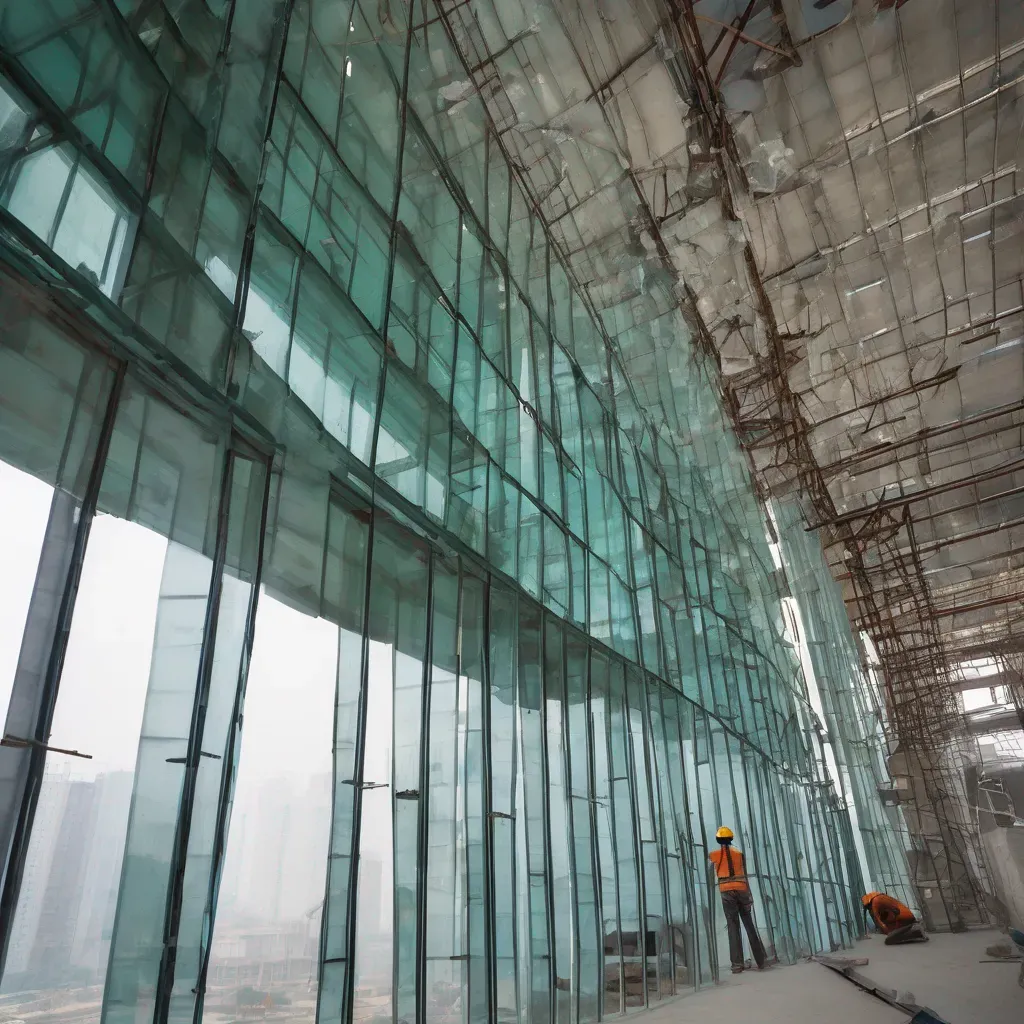
Glass Safety Regulations in Indian Construction Projects: Ensuring Secure and Aesthetic Designs
The construction landscape in India is flourishing at an unprecedented pace. From towering skyscrapers to architectural wonders showcasing contemporary design, the industry has embraced innovation in various forms. One of the most significant materials that has undergone a transformation in modern construction is glass. As both a functional and artistic element, glass plays a pivotal role in shaping India’s architectural identity. However, as its usage rises, so does the responsibility to ensure that glass installations meet stringent glass safety regulations—a critical component of creating safe, long-lasting, and visually inspiring buildings.
This article explores the importance of adhering to glass safety regulations in Indian construction projects, the implications for design and art, and why compliance is crucial for creating spaces that successfully blend aesthetics with safety.
The Role of Glass in Indian Architecture and Design
Glass has evolved from being a mere utilitarian component to becoming a symbol of elegance, modernity, and creativity in architectural design. Particularly in India, where the urban skyline is undergoing a remarkable transformation, glass facades and interiors reflect a blend of functionality and artistry.
From iconic office buildings with soaring glass windows to creative uses in residential interiors as partitions, railings, or skylights, glass seamlessly fuses art and architecture. The material doesn’t just add aesthetic appeal but also allows natural light to filter into spaces, contributing to energy-efficient and sustainable designs, which are increasingly sought after across India.
However, with great design potential comes strong responsibility. Improper handling, substandard materials, or negligence in installation can transform this sleek, transparent material into a safety hazard. This is precisely where glass safety regulations step in as a non-negotiable aspect of construction practices.
Understanding Glass Safety Regulations in India
India has seen the emergence of various building codes and regulations to encourage safer construction practices. Glass safety regulations are particularly critical, given the risks associated with its misuse or failure. These rules are crafted to ensure that glass installations not only contribute to the building’s overall strength but also minimize risks to occupants and passersby.
Some of the key regulations and safety standards for glass in Indian construction projects include:
1. IS 16231: Code of Safety for Glazing
The Indian Standard IS 16231 is a benchmark document developed by the Bureau of Indian Standards (BIS) to guide the safety measures for glass works in construction. It highlights necessary parameters, such as thickness, weight-bearing capacity, and testing methods to ensure the material can withstand environmental and operational stresses.
2. Fire and Building Codes
Rules such as NBC (National Building Code) of India mandate fire safety compliance for glass installations. It ensures glass panels used in facades or indoor partitioning are treated with fire-resisting materials or tempered for safe evacuation during emergencies.
3. Use of Tempered and Laminated Glass
Safety glass types—like tempered or laminated glass—are now mandatory for applications in high-risk zones such as balconies, staircases, or building exteriors. These varieties are engineered to break into blunted, safer fragments or remain bonded to an interlayer, reducing injury risks.
4. Seismic Safety
In a country like India, prone to seismic activity, glass safety regulations also include resistance to vibrations, wind loads, and storms, ensuring structural integrity during natural disasters.
Builders, architects, and glass suppliers are legally required to follow these measures at every stage of construction to protect occupants’ well-being and prevent liability concerns.
The Intersection of Art & Safety in Glass Design
A crucial yet often overlooked aspect of working with glass in construction is the balance between artistic expression and strict adherence to safety norms. Glass allows architects and designers to experiment with colors, textures, and patterns, creating artworks within the structural fabric of a building. From decorative etched-glass partitions to innovative stained-glass skylights, glass transforms mundane spaces into visual masterpieces.
However, ensuring these displays are not only beautiful but also meet safety standards can be challenging. For instance:
- Heat-treated or patterned safety glass is ideal for art-centric installations, offering durability without compromising on creative intent.
- UV-resistant glass films provide protection while preserving intricate designs, especially for outdoor use.
- Digital printing on laminated glass combines aesthetics with sturdiness, allowing designers to bring bold ideas to life without worrying about fragility.
When glass art is paired with reliable safety measurements, the end result is not just visually appealing but also a model of functional durability.
Why Compliance is Crucial for Indian Construction Projects
Non-compliance with glass safety regulations in India doesn’t just risk hefty fines or legal troubles; it jeopardizes lives. Cases of shattered glass in public spaces, unsafe installation of glass panels, or inadequate resistance to natural forces highlight the pressing need for stricter implementation of standards.
Here’s why compliance is non-negotiable:
- Enhanced Durability: Properly treated glass ensures long-lasting performance, reducing the likelihood of costly repairs or replacements.
- Public Trust: Structures adhering to laws gain public confidence, especially in commercial or public spaces.
- Sustainable Designs: Compliance aligns with India’s push for green buildings and energy-efficient architecture.
Fortunately, robust support from quality manufacturers and suppliers in India makes regulation adherence easier. Collaborating with reputed glass providers who comply with safety norms ensures hassle-free integration into any project.
Trusted Glass Solutions for Art and Architecture
For projects aspiring to bring imaginative glass designs to life without compromising on safety, partnering with industry leaders is essential. Companies like Glassy provide end-to-end solutions for artistic glasswork that meets safety codes. Whether your project demands innovative panels or custom windows, Glassy ensures that aesthetic ambitions align perfectly with regulatory standards.
By emphasizing craftsmanship and safety as dual pillars, organizations like Glassy empower Indian architects and developers to set new benchmarks for both compliance and creativity. Collections featuring tinted, tempered, and laminated varieties offer unparalleled options to find the perfect fit for any vision.
Final Thoughts: Towards a Safe, Stylish Future
The push for safer construction practices in India has been fueled by the nation’s rapid urbanization and the evolving demands of modern living. Glass, as a material, plays an undeniably transformative role in achieving architectural elegance. But when used without proper regulation, it can just as easily become a source of risk.
Adopting glass safety regulations isn’t simply about compliance—it’s about creating environments that people can admire and inhabit without fear. With the right partnerships, designs that celebrate art, architecture, and safety can become more achievable than ever.
As India inches towards building smarter and safer cities, glass safety will undoubtedly remain a cornerstone in the journey to architectural excellence.Glass Safety Regulations in Indian Construction Projects
In the ever-evolving landscape of Indian construction, glass has emerged as a significant element in architectural aesthetics. Be it towering office buildings with glimmering facades or intricately designed interior spaces, the use of glass is synonymous with modernity, luxury, and sophistication. However, behind the beauty of glass lies a critical concern: safety. This makes understanding glass safety regulations in Indian construction projects essential for architects, builders, and homeowners alike.
The Growing Demand for Glass in Construction
Incorporating glass into construction goes beyond functionality; it’s a canvas for creativity. From facades that reflect the skyline to decorative glass panels in homes, the versatility and elegance of glass are unparalleled. It has enabled architects and designers to infuse elements of art and glass into their projects. Frameless glass balustrades, textured glass partitions, and skylights are just a few examples of how art meets functionality in modern Indian architecture.
Yet, as beautiful as glass installations can be, they also come with inherent safety risks. Improper selection, installation, or maintenance of glass can lead to devastating accidents. This is where the role of stringent safety regulations becomes paramount.
The Need for Glass Safety Regulations
As urbanization in India accelerates, the demand for glazed buildings has skyrocketed. However, the increased use of glass has highlighted challenges relating to its durability, thermal stress, and potential for breakage. The construction industry must ensure that glass installations prioritize both aesthetics and safety.
India’s diverse climatic conditions worsen issues such as thermal cracking or wind pressure stress on glass structures. Accidents, such as glass breakages in high-rise buildings, have raised serious concerns about compliance with glass safety standards. The Bureau of Indian Standards (BIS) has introduced regulations aimed at addressing these concerns, ensuring that glass used in construction can safely withstand environmental and operational stresses.
Key Glass Safety Regulations in Indian Construction
India’s glass safety regulations ensure that every glass feature installed in a building adheres to specified standards for strength, durability, and safety. Below are some of the most critical measures undertaken:
-
Laminated and Toughened Glass: The BIS recommends the use of laminated and toughened safety glass for applications that demand high levels of strength and resistance to impact, such as windows, facades, and doors. Laminated glass, in particular, minimizes the risk of injury as it holds shattered pieces together after breakage.
-
Load-Bearing Standards: For structural glazing systems, such as curtain walls, codes specify that glass must meet the necessary load-bearing and wind-load resistance standards to avoid risks caused by heavy wind forces in high-rise buildings.
-
Fire Safety Requirements: Glass used in buildings must also conform to fire safety standards. Fire-rated glass, tested for flame resistance and heat insulation, is mandatory in certain areas, such as evacuation routes and stairwells.
-
Human Impact Safety: The risk of human collision with large glass panels is another concern. BIS mandates the use of safety glass in areas prone to such events, including balconies, doors, and low-level windows. Tempered safety glass is particularly useful in such applications as it shatters into blunt, safe fragments upon breakage.
To learn more about innovative and safe glass applications, visit Glassy. Their offerings align with the latest safety standards and showcase glass solutions that balance design and safety.
Art Meets Safety: Incorporating Design and Functionality
One might think that focusing on safety regulations limits creativity, but with modern glass technology, the opposite is true. Advanced glazing systems are designed not only to comply with safety standards but also to elevate the artistry of a building.
For instance, architects are now using smart glass innovations, which include energy-efficient coatings and dynamic shading systems that adapt based on sunlight exposure. These elements combine safety, function, and beauty, creating spaces that are both comfortable and awe-inspiring.
Another growing trend in Indian construction projects is the use of decorative laminated glass. This material blends safety with aesthetics, enabling designers to create intricate art and glass installations in wall claddings, partitions, and ceiling panels.
Consequences of Non-Compliance
While innovation and creativity are driving the demand for glass, non-adherence to safety guidelines compromises lives and projects. According to safety standards like IS 2553 and IS 16231 by BIS, failure to comply may result in structural loss, lawsuits, and accidents. Architects and contractors must ensure that they engage credible suppliers and experienced installers who prioritize regulation-compliant products.
Moreover, the lack of adequate training in handling and installation is another factor leading to mishaps. Proper education and training for workers in glass handling can reduce accidents. This investment in skill-building is as critical as ensuring compliance with glass safety regulations.
For individuals seeking guidance on compliant and aesthetically-pleasing glass designs, Glassy provides expert insights into creating safe, stylish, cutting-edge solutions for any type of construction project.
Conclusion
India’s construction industry is at an inflection point where traditional methods are being challenged by modern design philosophies. With the increase in the use of glass as a building material, prioritizing glass safety regulations in Indian construction projects is not an option; it’s an imperative.
The fusion of art and glass, supported by adherence to safety codes, ensures that projects are both visually stunning and secure. By following these rules, architects and builders contribute to a safer urban environment without sacrificing the creative potential that glass brings to design.
For anyone involved in glass applications—whether they are builders, architects, or homeowners—keeping safety at the forefront is essential. The true beauty of glass lies not just in its aesthetic appeal but also in how seamlessly it integrates safety and durability with style.