
Glass Railings
Glass Railings for Staircases: Safety Standards & Installation Guide
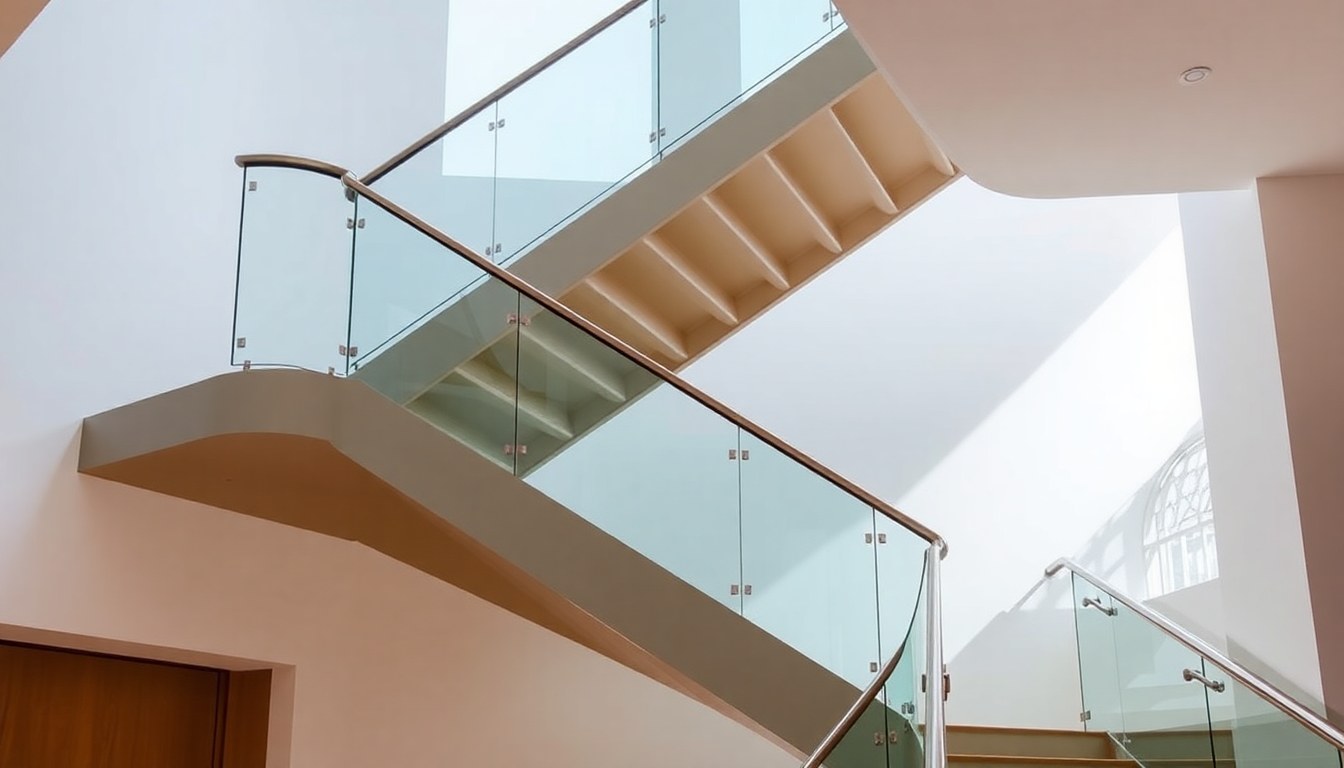
Glass railings have become a hallmark of contemporary interior design, offering unobstructed views while maintaining safety on staircases. However, installing glass railings isn't just about aesthetics—it demands strict adherence to safety standards, load-bearing requirements, and building codes to protect occupants. This guide walks you through the essential specifications, safety norms, and installation practices you need to know before choosing glass railings for your staircase.
Understanding Toughened Glass for Staircase Railings
Toughened glass, also called tempered glass, is the only acceptable material for staircase railings in India. This glass undergoes a heating and rapid cooling process that increases its strength by four to five times compared to ordinary annealed glass. When toughened glass breaks, it shatters into small, relatively harmless granules rather than sharp shards, significantly reducing injury risk.
The thickness of toughened glass for staircase railings typically ranges from 10mm to 12mm, depending on the span and load requirements. Indian building codes, particularly the National Building Code (NBC) 2016, mandate that all glass used in railings must be toughened or laminated to withstand impact and prevent accidental penetration. For staircases, toughened glass is preferred over laminated glass because it offers superior strength and clarity without the layered appearance.
Glass Thickness and Span Considerations
The appropriate glass thickness depends on the railing height and the distance between support posts. For spans up to 1.5 meters, 10mm toughened glass is generally sufficient. However, for longer spans or areas prone to higher impact, 12mm thickness provides additional safety margin. Glass thickness must be certified by the manufacturer with proper documentation indicating the toughening process and quality standards.
Safety Standards and Building Code Compliance
In India, glass staircase railings must comply with the National Building Code (NBC) 2016 and IS 4099:2015 (Code of Practice for Safety in Lifts and Escalators). These regulations establish minimum safety requirements for barrier systems in buildings. The NBC mandates that railings must be at least 1.1 meters high for residential staircases and 1.2 meters for commercial spaces, measured from the stair nosing.
Load-bearing capacity is a critical safety parameter. Railings must withstand a horizontal concentrated load of 1.2 kN (approximately 122 kg-force) applied at the top rail without permanent deformation. This requirement ensures that railings can support accidental leaning or impact without failure. Additionally, railings must resist a distributed load of 0.74 kN per meter along the top rail. These tests are performed in laboratory conditions and documented in manufacturer certificates.
Impact Resistance and Certification
Glass railings must pass impact resistance tests to ensure they won't shatter under normal use conditions. The test involves dropping a 50mm diameter steel ball from a height of 1.5 meters onto the glass. Toughened glass must withstand this impact without cracking or breaking. Always request test certificates from your glass supplier confirming compliance with these standards before installation.
Balustrade System Requirements
The entire railing system—not just the glass—must meet safety standards. The supporting framework, whether aluminum, stainless steel, or other materials, must be designed to distribute loads safely to the building structure. The gap between the glass and the floor must not exceed 100mm to prevent objects or small children from passing through. This requirement is especially important in residential buildings with young children.
Load-Bearing Requirements and Structural Design
Proper structural design is fundamental to safe glass railing installation. The support structure must be anchored securely to the staircase structure using appropriate fastening methods. For concrete staircases, expansion anchors or chemical anchors are commonly used. For wooden staircases, heavy-duty bolts with washers ensure adequate load distribution. Steel staircases require welding or bolted connections depending on the design.
The spacing between support posts significantly affects load-bearing capacity. Posts should typically be spaced 1.2 to 1.5 meters apart for residential applications and closer for commercial spaces with higher traffic. Each post must be individually anchored to the staircase structure with redundant fastening systems to ensure safety even if one fastener fails. The connection details should be designed by a structural engineer and documented in the installation plan.
Handrail Integration
Glass railings often incorporate a continuous handrail for added safety and accessibility. The handrail must be graspable with a diameter between 32mm and 43mm and positioned 30-50mm from the glass surface. The handrail must support a concentrated load of 1.1 kN without permanent deformation. In India, handrails are mandatory on at least one side of the staircase for residential buildings and both sides for commercial or institutional buildings.
Installation Best Practices for Glass Staircases
Professional installation is non-negotiable for glass staircase railings. The process begins with accurate measurements and structural assessment of the staircase. Any existing defects or structural issues must be addressed before installation begins. The substrate must be clean, dry, and free from loose material to ensure proper adhesive bonding and fastener performance.
Installation typically involves the following steps: first, anchor the support posts using appropriate fastening systems; second, install the glass panels using silicone sealant and mechanical fasteners; third, attach the handrail and any additional components; and finally, test the completed system for stability and load-bearing capacity. Each step must be performed by trained professionals following manufacturer guidelines and building code requirements.
Fastening Methods and Adhesives
Two primary fastening approaches are used for glass railings: mechanical fastening (using stainless steel clamps and bolts) and adhesive bonding (using structural silicone sealants). Many modern installations use a hybrid approach combining both methods for maximum safety. Structural silicone sealants must be certified for use in load-bearing applications and applied strictly according to manufacturer specifications. Mechanical fasteners should be stainless steel or galvanized to prevent corrosion, particularly in coastal areas or humid climates.
Site Preparation and Quality Control
Before installation, the staircase surface must be inspected for cracks, uneven surfaces, or structural damage. Any issues should be repaired by a structural professional. The installation site should be protected from weather during the installation process, particularly if adhesive bonding is involved. Silicone sealants require specific temperature and humidity conditions for proper curing—typically between 5°C and 40°C with relative humidity between 40% and 80%.
Quality control during installation includes verifying proper alignment, checking load-bearing connections, and testing the completed system. A professional installer will perform a final inspection to confirm that the railing meets all safety standards before handover to the building owner.
Indoor vs. Outdoor Glass Railing Considerations
Glass railings for indoor staircases have different requirements compared to outdoor applications. Indoor railings must primarily resist accidental impact and support leaning loads. Outdoor railings, however, must also withstand environmental stresses including wind loads, temperature fluctuations, and UV exposure. In India's diverse climate zones, outdoor railings in coastal areas require enhanced corrosion resistance and more frequent maintenance.
For outdoor applications, the glass should be toughened and preferably treated with a protective coating to reduce environmental degradation. The support structure must be designed to resist wind loads, which vary by geographic location and building height. The NBC provides wind load calculations based on location—for example, coastal cities like Mumbai and Chennai experience higher wind pressures than inland locations. The fastening system must account for thermal expansion and contraction, particularly in areas experiencing significant temperature variations.
Maintenance Requirements
Glass railings require regular maintenance to preserve appearance and safety. Indoor railings should be cleaned monthly with mild soap and water, while outdoor railings may need more frequent cleaning depending on environmental conditions. The silicone sealants should be inspected annually for deterioration and replaced if necessary. Stainless steel components should be checked for corrosion, and any corroded fasteners should be replaced immediately.
Common Installation Mistakes to Avoid
One frequent mistake is using non-toughened glass or glass below the required thickness. This significantly compromises safety and violates building codes. Another common error is inadequate fastening or using incorrect fastener materials that corrode over time. Poor quality silicone sealants that don't meet structural requirements can also lead to failure.
Improper spacing between support posts is another concern—posts that are too far apart may not provide adequate support for the glass panels. Additionally, failing to account for building movement, thermal expansion, or environmental loads can result in premature failure. Always hire certified installers who understand local building codes and have experience with glass railing systems.
Cost Considerations and Material Selection
The cost of glass staircase railings in India typically ranges from ₹1,500 to ₹3,500 per running meter, depending on glass thickness, support structure material, and installation complexity. Toughened glass from reputed manufacturers costs more than basic glass but offers superior safety and longevity. Stainless steel support structures are more expensive than aluminum but provide better durability, particularly in humid or coastal environments.
When budgeting for glass railings, include costs for structural assessment, professional installation, testing, and certification. Cheaper options that cut corners on material quality or installation standards pose safety risks and may not comply with building codes. Invest in quality materials and professional installation to ensure long-term safety and satisfaction.
Frequently Asked Questions
What is the minimum thickness of glass required for staircase railings in India?
The minimum thickness is 10mm for toughened glass in residential staircases with spans up to 1.5 meters. For longer spans or commercial applications, 12mm thickness is recommended. The National Building Code 2016 specifies that all glass used in railings must be toughened or laminated to prevent accidental penetration and ensure occupant safety.
How much weight can glass railings support?
Glass railings must withstand a horizontal concentrated load of 1.2 kN (approximately 122 kg-force) at the top rail and a distributed load of 0.74 kN per meter without permanent deformation. These requirements ensure that the railing can safely support accidental leaning or impact from adults without failing. The entire system, including the support structure, must be designed to handle these loads safely.
Can laminated glass be used instead of toughened glass for staircase railings?
While laminated glass meets NBC requirements, toughened glass is preferred for staircase railings because it offers superior strength and clarity. Laminated glass is more commonly used in applications where the risk of penetration is higher, such as ground-floor windows. For staircases, toughened glass provides better performance and is the industry standard in India.
How often should glass railings be maintained?
Indoor glass railings should be cleaned monthly with mild soap and water. Outdoor railings may require more frequent cleaning depending on environmental conditions. Silicone sealants and fasteners should be inspected annually for deterioration or corrosion. Any damaged components should be replaced promptly to maintain safety and compliance with building standards.
What is the typical height requirement for staircase railings?
The NBC 2016 mandates a minimum height of 1.1 meters for residential staircase railings and 1.2 meters for commercial spaces, measured from the stair nosing. The railing must extend the full length of the staircase and be sturdy enough to prevent accidental falls. Proper height ensures that railings provide effective protection for occupants of all ages.
Conclusion
Glass staircase railings combine aesthetics with safety when designed and installed according to Indian building codes and safety standards. Toughened glass of appropriate thickness, properly anchored support structures, and professional installation are essential for ensuring occupant safety and regulatory compliance. Whether you're renovating an existing staircase or building a new one, prioritize quality materials, certified installers, and thorough testing to create a railing system that will serve safely for years to come.
Ready to upgrade your staircase with professional glass railings? Browse verified glass suppliers and installation experts on glassy.in, India's largest glass-business directory. Find local manufacturers, installers, and consultants who specialize in compliant, high-quality glass railing systems for your home or commercial space.