
Glass Railings
Glass Railing Installation for Spiral Staircases: Safety & Design Guide
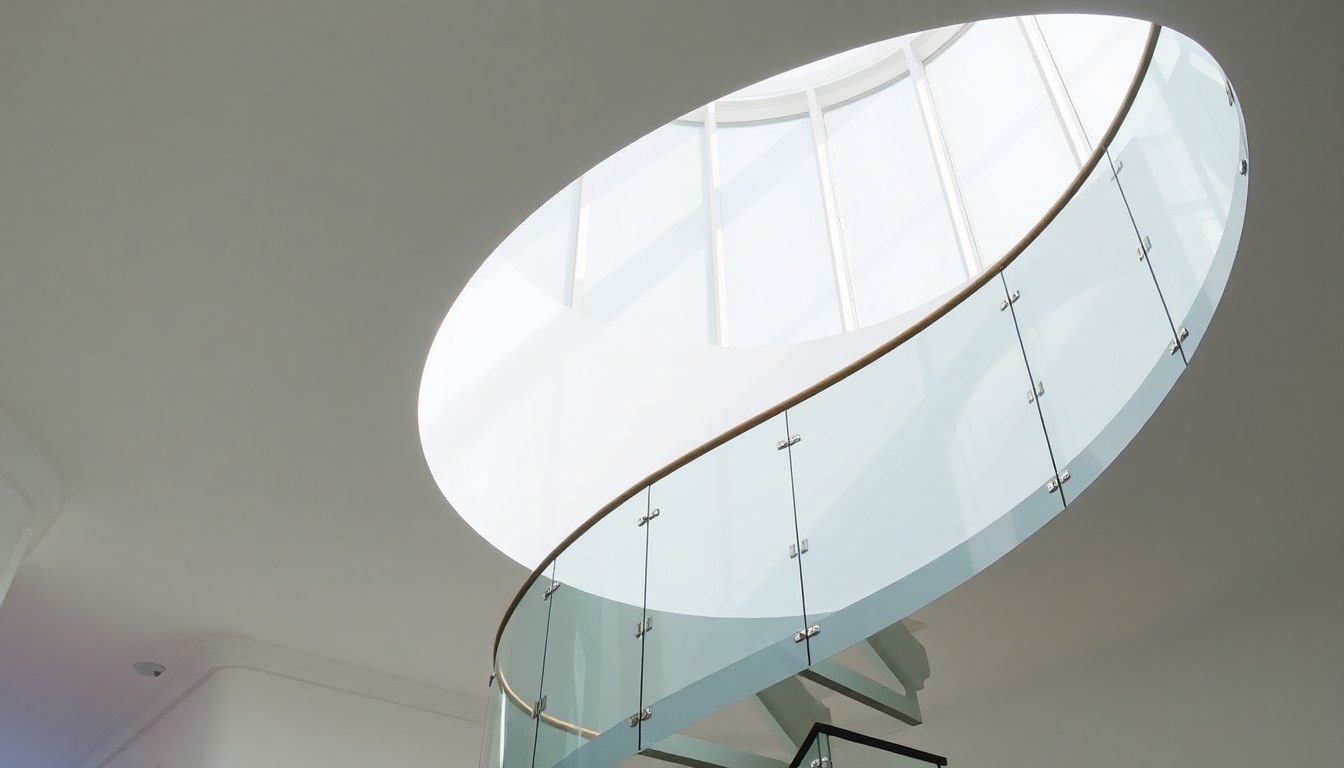
Spiral staircases are architectural showpieces, but adding glass railings transforms them into safe, modern focal points that don't compromise on aesthetics. Whether you're renovating a home in Mumbai, Bangalore, or Delhi, understanding the installation process, safety requirements, and design options ensures your spiral staircase is both stunning and compliant with building codes. This comprehensive guide walks you through frameless and framed glass railing systems, installation techniques, and the critical safety standards you must follow.
Understanding Glass Railing Systems for Spiral Staircases
Glass railings come in two primary configurations: frameless and framed systems. Frameless glass railings use tempered glass panels held in place by minimal hardware, creating an unobstructed view and a contemporary aesthetic. These systems are ideal for spiral staircases where you want to showcase the staircase design itself. Framed railings, by contrast, use aluminum or stainless steel frames to support the glass panels, offering additional structural rigidity and design flexibility with various frame finishes.
The choice between frameless and framed depends on your budget, design preferences, and the specific geometry of your spiral staircase. Frameless systems typically cost more but deliver a premium, minimalist look. Framed systems are more affordable and easier to install, making them popular for residential applications across Indian cities. Both must use tempered or laminated safety glass—never standard glass—to meet Indian building safety standards.
Tempered vs. Laminated Glass
Tempered glass is heated and rapidly cooled to increase its strength, making it four to five times stronger than standard glass. When it breaks, it shatters into small, relatively harmless granules rather than sharp shards. Laminated glass consists of two or more glass panes bonded with a plastic interlayer; if broken, the interlayer holds the glass together, preventing it from falling. For spiral staircases, tempered glass is the standard choice due to its strength and safety profile. Laminated glass is sometimes used in high-traffic commercial settings or where additional sound dampening is desired.
Safety Standards and Building Codes in India
All glass railing installations in India must comply with the National Building Code (NBC) and Indian Standards (IS), particularly IS 4099 for safety glass and IS 14713 for safety requirements for glass railings. These standards mandate minimum glass thickness, balustrade height, and load-bearing capacity. Spiral staircase railings must be at least 900 mm high from the stair tread, and the glass must withstand a horizontal load of 1.2 kN (approximately 120 kg force) applied at any point along the railing.
The glass thickness typically ranges from 10 mm to 12 mm for residential applications, depending on the span between support points and the height of the railing. For spiral staircases with larger diameters, 12 mm tempered glass is often recommended to ensure adequate rigidity and safety. Always consult with a structural engineer or certified installer to confirm the appropriate specifications for your specific installation, as non-compliance can result in safety hazards and legal liability.
Load Testing and Certification
Before installation, ensure your glass supplier provides certification that the glass meets Indian safety standards. The glass should be marked with the IS certification and the manufacturer's details. Professional installers should conduct load testing on the completed railing to verify it meets the required 1.2 kN horizontal load capacity. This testing is not optional—it's a critical safety checkpoint that protects occupants and ensures legal compliance.
Step-by-Step Installation Guide for Frameless Glass Railings
Frameless glass railing installation on spiral staircases is more complex than on straight staircases due to the curved geometry. The process begins with precise measurements of the spiral's radius, rise, and tread depth. Each glass panel must be custom-cut to match the spiral's curvature and the specific angle of each step. This is why frameless systems on spirals are typically more expensive than on straight runs—the fabrication requires precision CNC cutting and fitting.
Measurement and Fabrication
Start by measuring the spiral staircase at multiple points along its curve. Record the radius at the inner and outer edges, the height between treads, and the angle of each step relative to the horizontal plane. These measurements must be translated into a CAD drawing that the glass fabricator will use to cut the panels. Even a 5 mm error in measurement can result in panels that don't fit properly, so take your time and double-check all dimensions. Many professional installers use laser measurement tools to ensure accuracy.
Once measurements are confirmed, the glass fabricator will cut and temper each panel. For spiral staircases, panels are often cut with curved edges on the inner radius to follow the staircase contour. The outer edge may be straight or slightly curved depending on the design. Holes are drilled at precise locations for the mounting hardware—typically stainless steel posts at the inner edge and possibly mid-span supports depending on the span length.
Hardware Installation and Mounting
Frameless railings rely on stainless steel or aluminum posts, base shoes, and top rails to hold the glass in place. For spiral staircases, posts are typically mounted to the stair stringers using heavy-duty anchors and fasteners. Each post must be plumb (perfectly vertical) and securely fastened to the structural frame of the staircase. This is critical because any misalignment will prevent the glass panels from fitting properly and will compromise the system's integrity.
After posts are installed, glass panels are inserted into the base shoes and secured at the top with caps or clamps. Silicone sealant is applied around the edges where glass meets hardware to create a weather-tight seal and dampen vibrations. For spiral staircases, the curved nature of the installation means each panel may require custom hardware positioning—this is why professional installation is strongly recommended.
Sealing and Finishing
Once all panels are in place, apply a high-quality silicone sealant around the perimeter where glass meets the posts and top rail. Use a silicone rated for structural glazing applications—not standard bathroom caulk. Allow the sealant to cure fully (typically 24-48 hours) before allowing foot traffic on the staircase. After curing, clean the glass thoroughly with appropriate glass cleaner and inspect all connections for tightness and proper sealing.
Framed Glass Railing Installation for Spiral Staircases
Framed railings are generally easier to install than frameless systems because the aluminum or stainless steel frame provides the structural support, and the glass simply fills the frame openings. For spiral staircases, the frame must be custom-fabricated to follow the curve of the staircase. The frame typically consists of vertical stiles and horizontal rails, with glass panels inserted into grooves or secured with gaskets and fasteners.
Frame Fabrication and Customization
Like frameless systems, framed railings on spirals require custom fabrication. The frame supplier will need the same detailed measurements of the spiral's radius, rise, and tread angles. The aluminum extrusion profile is cut and welded to create a frame that follows the staircase curve. Corner joints must be welded and finished to ensure strength and aesthetics. For spiral staircases, the frame may be fabricated in sections that are assembled on-site, or as a continuous curved frame if the supplier has the capability.
Installation Process
Begin by mounting the base rail to the stair stringers using heavy-duty fasteners and angle brackets. Ensure the base rail is level and properly aligned before proceeding. Install vertical stiles at regular intervals—typically every 1.0 to 1.5 meters along the spiral. Each stile must be plumb and securely fastened to both the base rail and the top rail. Once the frame structure is complete and all connections are tightened, insert the glass panels into the frame grooves or secure them with gaskets and fasteners as specified by the frame manufacturer.
Inspect all connections, tighten fasteners, and apply silicone sealant around the glass-to-frame interfaces. Allow sealants to cure fully before use. Framed systems typically require less curing time than frameless systems because the frame provides immediate structural support, but always follow the sealant manufacturer's recommendations.
Design Considerations and Aesthetic Options
Beyond safety and installation, glass railings offer design flexibility that can enhance your spiral staircase's appearance. Frameless systems create a minimalist, contemporary look that emphasizes the staircase structure. Framed systems allow for various aluminum finishes—brushed, anodized, powder-coated in custom colors—that can match your interior design scheme. In Indian homes, popular finishes include brushed stainless steel, matte black, and champagne gold.
Consider whether you want a full-height glass railing (900 mm to 1100 mm) or a half-height railing with a wooden or metal top rail. Some designs incorporate decorative elements like frosted or tinted glass panels, or etched patterns that add privacy and visual interest. For spiral staircases in commercial spaces like hotels, restaurants, or office buildings, glass railings with integrated LED lighting create a premium, sophisticated aesthetic.
Maintenance and Long-Term Care
Glass railings require regular maintenance to remain clear and safe. Clean glass panels monthly with a soft cloth and appropriate glass cleaner—avoid abrasive materials that can scratch tempered glass. Inspect the sealant annually; if it becomes cracked or deteriorated, reseal the affected areas promptly to prevent water infiltration and structural issues. Check all fasteners and connections annually, tightening any that have loosened due to vibration or building settling.
In coastal areas like Mumbai or Goa, salt spray can accelerate corrosion of aluminum and stainless steel hardware. If your spiral staircase is in a coastal location, consider stainless steel hardware exclusively and apply a protective coating to aluminum components. Regular maintenance extends the lifespan of your glass railing system and ensures it remains safe and attractive for decades.
Frequently Asked Questions
What is the minimum glass thickness for a spiral staircase railing?
For residential spiral staircases, 10 mm tempered glass is typically adequate if the span between support posts does not exceed 1.2 meters. For spans larger than 1.2 meters or in high-traffic commercial settings, 12 mm tempered glass is recommended. Always consult with a structural engineer or certified installer to determine the appropriate thickness for your specific installation, considering the spiral's radius, the glass span, and local building codes.
Can I install a glass railing on an existing spiral staircase without rebuilding it?
Yes, glass railings can typically be added to existing spiral staircases. The installation involves mounting posts or frames to the existing stair stringers using fasteners and anchors. However, the staircase structure must be sound and capable of supporting the additional load. Have a structural engineer inspect the staircase before installation to ensure it can safely accommodate the railing system. If the staircase has significant damage or deterioration, repairs may be necessary before proceeding.
How much does a glass railing for a spiral staircase cost in India?
Costs vary widely depending on the system type, glass thickness, staircase diameter, and your location. Frameless glass railings typically cost between ₹8,000 to ₹15,000 per running meter, while framed systems range from ₹5,000 to ₹10,000 per running meter. For a complete spiral staircase with a 1.5-meter radius, total costs can range from ₹80,000 to ₹2,50,000 or more, depending on customization and finish options. Always obtain detailed quotes from multiple suppliers and installers in your area.
Is tempered glass safe if it breaks?
Yes, tempered glass is specifically designed for safety applications. When it breaks, it shatters into small, relatively harmless granules rather than sharp shards like standard glass. This significantly reduces the risk of serious injury. However, tempered glass should not be cut or drilled after tempering, as this compromises its strength. All cutting and drilling must be done before the glass is tempered, which is why custom fabrication is essential for spiral staircase railings.
How long does a glass railing installation typically take?
For a standard residential spiral staircase, frameless glass railing installation typically takes 3 to 5 days, including measurement, fabrication, and on-site installation. Framed systems may take 2 to 4 days depending on complexity. Custom fabrication time (before installation) can range from 2 to 4 weeks depending on the supplier's workload. Plan your project timeline accordingly, especially if you need the staircase operational during or after installation.
Conclusion and Next Steps
Installing a glass railing on a spiral staircase is a rewarding investment that enhances safety, aesthetics, and property value. Whether you choose a frameless system for a minimalist look or a framed system for added structure and design flexibility, proper planning, compliance with Indian building codes, and professional installation are essential. Take time to measure accurately, select quality materials, and work with certified installers who understand the unique challenges of spiral staircase installations.
Ready to transform your spiral staircase? Browse verified glass railing suppliers and professional installers in your city on glassy.in, India's largest glass-business directory. Connect with experts who specialize in custom spiral staircase installations and get competitive quotes tailored to your project requirements.