
Glass Railings
Tinted Glass for Balcony Railings: Privacy, Heat Control & Legal Requirements
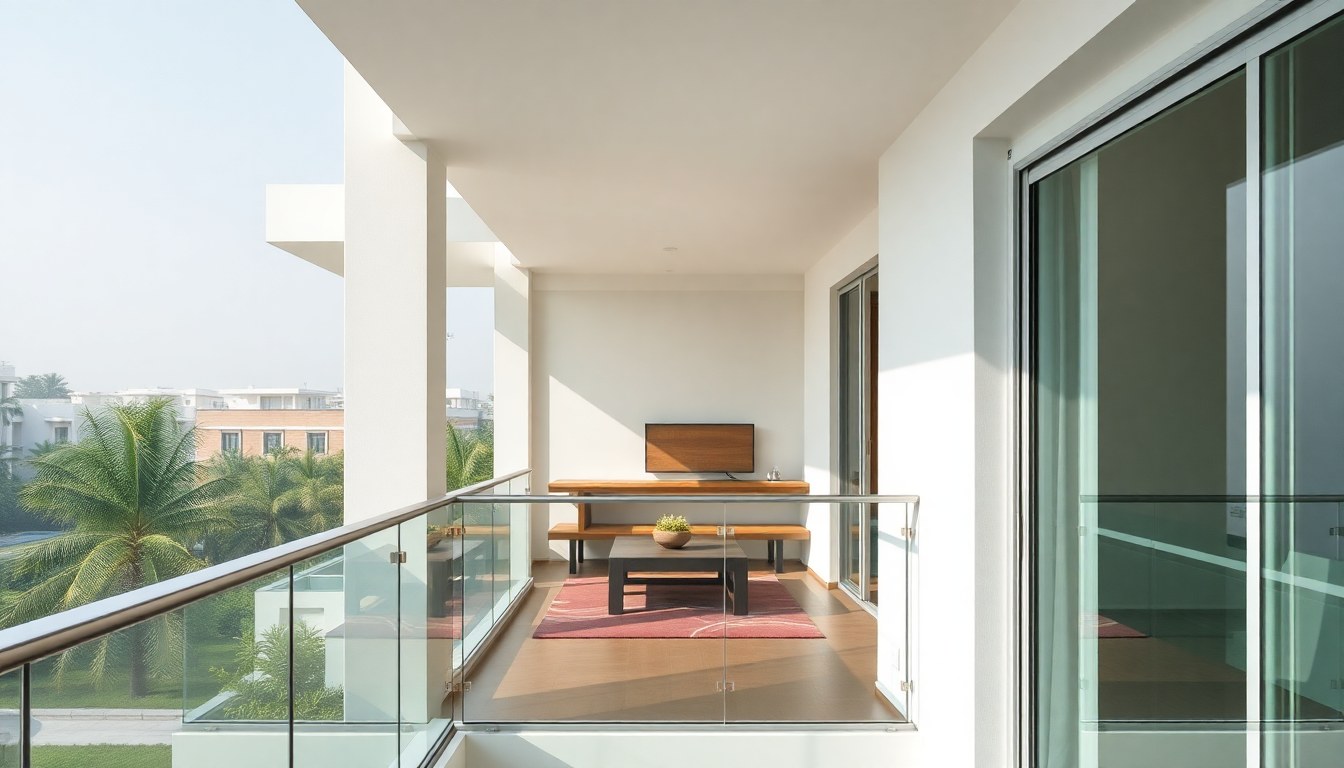
Balcony railings are more than just safety features—they're an opportunity to enhance your home's privacy, reduce heat gain, and elevate its aesthetic appeal. Tinted glass railings have become increasingly popular in Indian homes, offering homeowners a sophisticated way to address multiple concerns simultaneously. Whether you're renovating an existing balcony or designing a new one, understanding the benefits, types, and legal requirements of tinted glass can help you make an informed decision that aligns with both your needs and local building codes.
Understanding Tinted Glass: Types and Characteristics
Tinted glass comes in various colors, each offering distinct visual and functional properties. The most common options for balcony railings include bronze, grey, and green tints, each with its own advantages depending on your climate, aesthetic preference, and functional requirements.
Bronze-tinted glass is one of the most popular choices for balconies across India. It provides a warm, elegant appearance while offering moderate heat rejection and privacy. The bronze hue works well with both modern and traditional architectural styles, making it a versatile option for most homes. Grey-tinted glass, on the other hand, offers a more neutral, contemporary look and provides excellent visibility while still maintaining privacy from certain angles. Green-tinted glass is less common but appeals to homeowners seeking a unique aesthetic or those with specific architectural themes.
Heat Rejection Properties
One of the primary reasons homeowners opt for tinted glass is its ability to reject solar heat. Tinted glass works by absorbing solar radiation and converting it to heat, which is then dissipated into the environment. The effectiveness varies depending on the tint color and thickness of the glass.
- Bronze tint: Typically rejects 40-50% of solar heat, making it ideal for hot climates
- Grey tint: Offers 30-40% heat rejection with superior color neutrality
- Green tint: Provides 35-45% heat rejection with minimal color distortion
For maximum heat control, consider pairing tinted glass with reflective coatings or low-emissivity (Low-E) treatments. These advanced options can increase heat rejection to 60-70%, significantly reducing your air conditioning load during summer months—a crucial benefit in cities like Delhi, Mumbai, and Bangalore where temperatures regularly exceed 35°C.
Privacy Benefits of Tinted Glass Railings
Privacy is a major concern for apartment dwellers and homeowners with neighboring properties. Tinted glass railings provide an effective solution without compromising natural light or creating a claustrophobic appearance. The tint reduces the visibility of your balcony interior from outside, making it difficult for neighbors or passersby to see into your space while still allowing you to enjoy views outward.
The level of privacy depends on the tint intensity and darkness. A darker tint offers more privacy but may reduce the amount of natural light entering your home. Conversely, lighter tints maintain better visibility while providing moderate privacy. The angle of sunlight also affects privacy—during bright daylight hours, tinted glass offers better privacy than during evening or night when interior lights are on.
Balancing Light and Privacy
The challenge many homeowners face is achieving privacy without sacrificing natural light. Medium-density tints (typically in the 30-50% visible light transmission range) offer a good balance. These allow sufficient daylight to enter while maintaining reasonable privacy. If you need maximum privacy, you can combine tinted glass with frosted or textured finishes, or add privacy films that diffuse light while blocking visibility.
Building Codes and Legal Requirements in India
Before installing tinted glass balcony railings, it's essential to understand the legal requirements and building codes that govern such installations. In India, balcony railings are regulated under the National Building Code (NBC) and various state-specific building bylaws. These regulations exist to ensure safety, structural integrity, and compliance with fire codes.
Safety Standards for Glass Railings
The NBC mandates that balcony railings must be at least 1.1 meters high (or as specified in local bylaws) to prevent falls. The glass used must be tempered or toughened glass, which is significantly stronger than regular glass and breaks into small, harmless granules rather than sharp shards if damaged. This is a critical safety requirement that cannot be compromised.
Additionally, the glass must meet load-bearing standards. Railings are designed to withstand lateral loads (force applied horizontally) of at least 1.2 kN per meter of railing length, as per NBC guidelines. When selecting tinted glass, ensure that your supplier provides certification confirming that the glass meets these safety standards.
Approval Process and Documentation
Most municipalities require homeowners to obtain approval from the local municipal corporation or housing society before installing or modifying balcony railings. This process typically involves:
- Submitting architectural drawings or plans showing the proposed railing design and materials
- Obtaining approval from the building's structural engineer or the society's architect
- Getting clearance from the municipal corporation if the building is under their jurisdiction
- Ensuring compliance with fire safety codes, particularly regarding material flammability
For apartment complexes, you'll also need permission from your housing society's management committee. Many societies have specific guidelines about balcony modifications to maintain uniformity and structural integrity across the building. Working with qualified professionals like BIM Modeller Consulting Services can streamline this approval process and ensure all documentation is in order.
Aesthetic and Design Considerations
Beyond functionality, tinted glass railings significantly enhance your home's visual appeal. The choice of tint color should complement your home's architecture, interior design, and surrounding landscape. In traditional Indian homes, bronze tints often work beautifully, while modern minimalist designs may benefit from grey or clear tints with minimal coloration.
Tinted glass also creates interesting visual effects at different times of day. During morning and evening hours, the glass may appear darker or more reflective, while midday sunlight creates a different aesthetic. Consider how the tint will look from both inside and outside your home before making a final decision.
Integration with Overall Design
Your balcony railing is a visible architectural element that frames views and defines your home's character. When selecting tinted glass, consider how it coordinates with:
- Your home's exterior color scheme and materials
- Window frames and other glass elements
- Flooring and wall finishes visible from the balcony
- Landscape and neighboring properties
Professional interior designers and architects, such as Royal Kitchens and Interiors, can provide valuable guidance on selecting tints that harmonize with your overall design vision.
Installation and Maintenance
Proper installation is crucial for the safety and longevity of tinted glass railings. The glass must be securely mounted using stainless steel or aluminum frameworks designed to withstand environmental stresses, wind loads, and thermal expansion. Installation should always be performed by experienced professionals who understand local building codes and safety requirements.
Reputable glass dealers like CITY GLASS PALACE AND ALUMINIUM FABRICATION offer both supply and installation services, ensuring that your railings meet all safety standards and regulatory requirements. They can also advise on the best tint options for your specific climate and requirements.
Maintenance and Durability
Tinted glass railings require minimal maintenance compared to other materials. Regular cleaning with mild soap and water, along with occasional checks of the mounting hardware, will keep your railings in excellent condition for decades. The tint itself doesn't fade or degrade when quality glass and proper installation practices are used. Stainless steel frames are particularly durable in India's varied climate, resisting rust and corrosion effectively.
Cost Considerations and Value
The cost of tinted glass balcony railings varies based on several factors: the size of your balcony, the type and intensity of tint, glass thickness, and frame material. On average, tinted glass railings in India cost between ₹800 to ₹2,000 per square meter, though premium options with advanced coatings may exceed this range.
While the initial investment is higher than standard clear glass or aluminum railings, the long-term benefits justify the expense. Reduced air conditioning costs, improved privacy, enhanced aesthetic appeal, and increased property value make tinted glass a worthwhile investment. Many homeowners find that the energy savings alone pay for the installation within 3-5 years in hot climates.
Frequently Asked Questions
What is the difference between tinted and reflective glass for balconies?
Tinted glass absorbs solar radiation and appears colored when viewed, allowing you to see outward while limiting inward visibility. Reflective glass has a metallic coating that bounces light back, creating a mirror-like appearance. Reflective glass offers superior heat rejection (up to 80%) but can be harsh on the eyes and may violate building codes in some areas due to glare concerns. Tinted glass is generally preferred for residential balconies as it provides a more natural appearance while still offering good heat control and privacy.
Is tinted glass safe for balcony railings?
Yes, when properly installed and certified. Tinted glass for railings must be tempered glass, which is significantly stronger than regular glass and meets all NBC safety standards. Always purchase from reputable suppliers who provide proper certification and installation services. Ensure that the glass meets the required load-bearing specifications and is installed by qualified professionals familiar with local building codes.
Can I install tinted glass railings without society approval?
In most cases, no. Housing societies and municipal corporations require approval for any balcony modifications, including railing installations or replacements. This is to ensure structural safety, maintain building aesthetics, and ensure compliance with fire and safety codes. Proceeding without approval can result in fines or orders to remove the installation. Always check with your society management and local authorities before beginning any work.
How much heat does tinted glass actually reduce?
Bronze and green-tinted glass typically reduce solar heat transmission by 40-50%, while grey tints offer 30-40% reduction. This translates to noticeable reductions in air conditioning costs, especially during summer months. For maximum heat rejection (60-70%), consider combining tinted glass with low-emissivity coatings. The exact reduction depends on your climate, window orientation, and the intensity of the tint chosen.
How long do tinted glass railings last?
Quality tinted glass railings, when properly installed and maintained, can last 20-30 years or more. The glass itself doesn't degrade, and stainless steel or aluminum frames resist corrosion effectively in India's climate. Regular cleaning and occasional hardware checks are all that's needed to maintain them. The durability makes them a cost-effective investment compared to other railing materials that may require more frequent replacement or maintenance.
Ready to enhance your balcony with tinted glass railings? Browse verified glass dealers, architects, and interior designers on glassy.in, India's largest glass-business directory. Connect with experienced professionals in your area who can guide you through the selection, approval, and installation process while ensuring full compliance with building codes and safety standards.