
Glass Railings
Laminated Glass vs Toughened Glass for Staircase Railings: Safety & Cost Comparison
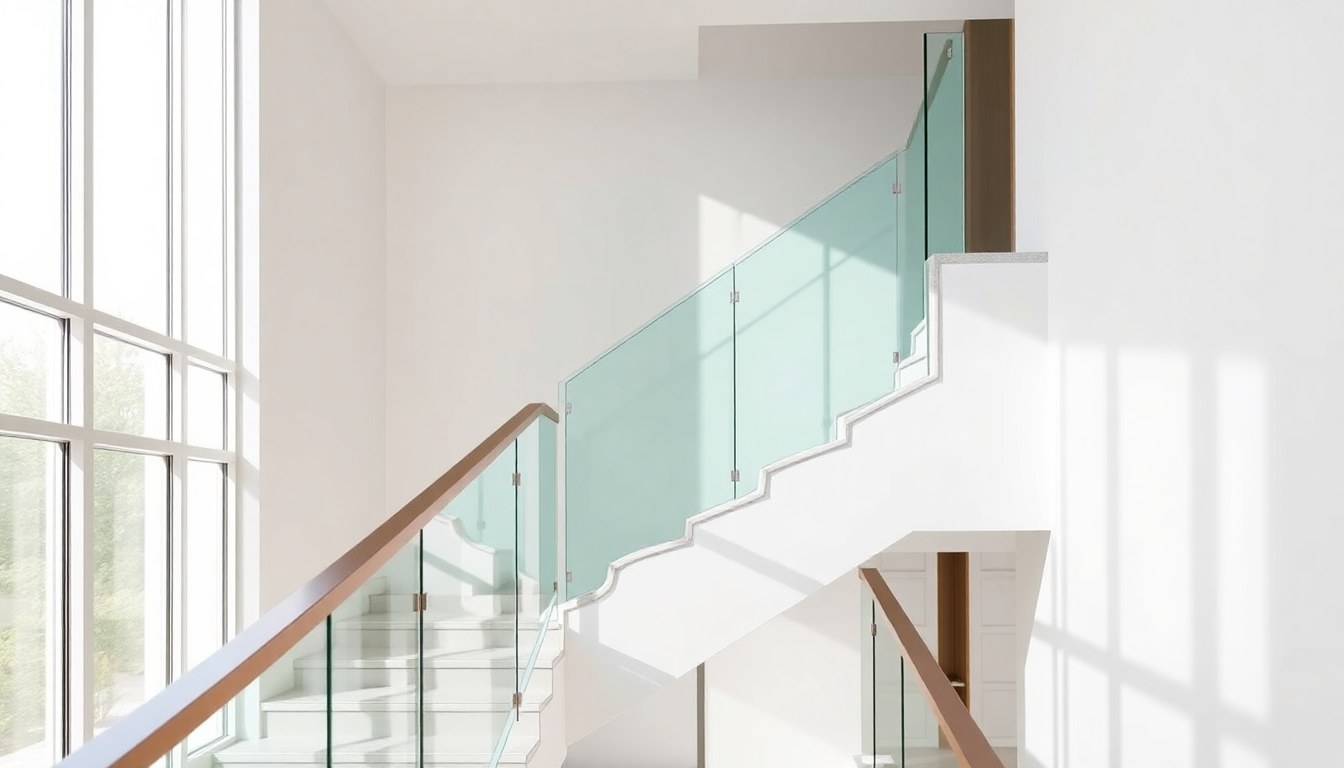
When designing staircases in modern homes and commercial buildings, the choice between laminated and toughened glass railings significantly impacts both safety and budget. Both materials offer distinct advantages—laminated glass provides superior impact resistance and holds together when broken, while toughened glass offers excellent strength and thermal stability. Understanding the differences helps you make an informed decision that aligns with your safety requirements, aesthetic preferences, and financial constraints.
Understanding Laminated Glass for Staircase Railings
Laminated glass consists of two or more glass panes bonded together with a polyvinyl butyral (PVB) interlayer. When impact occurs, the glass may crack, but the interlayer holds the fragments together, preventing them from scattering. This characteristic makes laminated glass particularly valuable in safety-critical applications like staircase railings where falls or accidents could occur.
The construction process involves heating glass sheets with the PVB layer under pressure in an autoclave. The result is a composite material that maintains structural integrity even after damage. Laminated glass also provides sound insulation and UV protection, making it suitable for both interior and exterior staircase installations.
Safety Benefits of Laminated Glass
- Fragments remain bonded to the interlayer, reducing injury risk from sharp glass pieces
- Maintains barrier function even when cracked, preventing accidental falls
- Absorbs impact energy effectively, reducing force transmitted to the frame
- Meets Indian Standard IS 2553 for safety glass requirements
- Provides security benefits by resisting forced entry attempts
Understanding Toughened Glass for Staircase Railings
Toughened glass (also called tempered glass) undergoes a thermal treatment process where the glass is heated to approximately 600°C and then rapidly cooled. This creates compressive stress on the outer surfaces and tensile stress in the core, resulting in glass that is four to five times stronger than annealed glass of the same thickness.
When toughened glass breaks, it disintegrates into small, relatively harmless granules rather than sharp shards. This characteristic has made it the standard choice for safety applications across India. The manufacturing process is standardized and widely available, making toughened glass more accessible and cost-effective for most installations.
Safety Benefits of Toughened Glass
- Four to five times stronger than ordinary annealed glass
- Breaks into small, blunt granules that cause minimal injury
- Complies with Indian Standard IS 2553 and IS 13551
- Excellent thermal resistance and shock resistance
- Suitable for both load-bearing and non-load-bearing applications
Safety Standards and Compliance in India
Both laminated and toughened glass for staircase railings must comply with Indian safety standards. IS 2553 specifies requirements for safety glass used in buildings, while IS 13551 covers safety glass and glass ceramics. The choice between laminated and toughened glass should align with your building's classification and local building codes.
For residential buildings, toughened glass is typically sufficient and widely accepted. For commercial spaces, hospitals, and high-traffic areas, architects often recommend laminated glass for enhanced safety. Some building regulations in metropolitan areas like Mumbai, Delhi, and Bangalore may specify laminated glass for staircase railings in certain occupancy categories, so consulting local building authorities is essential.
Testing and Certification Requirements
Both materials must undergo impact resistance testing and certification. Manufacturers in India typically provide test certificates confirming compliance with Indian Standards. When purchasing, always request certificates of conformity and ensure the supplier is an authorized manufacturer or distributor with proper quality assurance documentation.
Cost Comparison Across Indian Cities
Pricing for glass railings varies significantly based on location, glass thickness, and supplier. Here's a realistic breakdown of typical costs for a standard 10-foot staircase railing in major Indian cities:
Laminated Glass Railing Costs
- Delhi: ₹8,000–₹12,000 per running foot (12mm laminated glass)
- Mumbai: ₹9,000–₹13,500 per running foot
- Bangalore: ₹7,500–₹11,000 per running foot
- Hyderabad: ₹7,000–₹10,500 per running foot
- Chennai: ₹7,500–₹11,000 per running foot
Toughened Glass Railing Costs
- Delhi: ₹5,500–₹8,500 per running foot (10mm toughened glass)
- Mumbai: ₹6,000–₹9,000 per running foot
- Bangalore: ₹5,000–₹7,500 per running foot
- Hyderabad: ₹4,500–₹6,500 per running foot
- Chennai: ₹5,000–₹7,500 per running foot
These prices include materials and basic installation. Additional costs may apply for specialized fittings, stainless steel hardware, custom designs, or installation in challenging locations. Laminated glass typically costs 40–50% more than toughened glass due to the additional manufacturing process and materials involved.
Installation Complexity and Timeline
Installation complexity differs between the two materials. Toughened glass railings generally have a simpler installation process since the glass is more forgiving during fitting. Laminated glass requires more careful handling during installation to avoid damaging the interlayer, which can compromise the safety benefits.
For a standard residential staircase, toughened glass railings typically take 3–5 days from measurement to final installation. Laminated glass installations may require 5–7 days due to the need for more precise fitting and quality control checks. Both materials require professional installation by certified technicians to ensure proper alignment, secure fastening, and compliance with safety standards.
Installation Considerations
- Toughened glass is easier to cut and modify, reducing on-site complications
- Laminated glass requires careful handling to prevent interlayer separation
- Both require stainless steel or aluminum fittings for durability
- Professional installation ensures proper load distribution and safety
- Site conditions and staircase design affect installation timeline
Maintenance and Longevity
Maintenance requirements for both materials are minimal, primarily involving regular cleaning with glass cleaner and soft cloths. However, their longevity differs in certain scenarios. Toughened glass maintains its clarity and strength indefinitely if not damaged. Once toughened glass breaks, it must be replaced entirely since it cannot be repaired.
Laminated glass can sometimes be repaired if minor cracks occur, depending on the damage extent and interlayer condition. The PVB interlayer may yellow slightly over 10–15 years in high-UV environments, though this is primarily an aesthetic concern. Both materials are resistant to moisture and temperature fluctuations common in Indian climates, making them suitable for long-term use.
Long-term Care Tips
- Clean glass monthly with mild soap and water to prevent mineral buildup
- Inspect hardware quarterly for corrosion or loosening
- Address any cracks immediately to prevent safety hazards
- Avoid abrasive cleaners that may scratch or damage the glass surface
- For coastal areas, use stainless steel hardware to prevent rust
Which Should You Choose for Your Staircase?
Your choice between laminated and toughened glass depends on several factors. Choose toughened glass if you prioritize cost-effectiveness, have a straightforward staircase design, and live in a low-risk environment. It's ideal for residential buildings, small commercial spaces, and areas where budget is a primary concern.
Choose laminated glass if safety is paramount, you have high-traffic areas, or your building codes specifically require it. Laminated glass is recommended for commercial buildings, healthcare facilities, public spaces, and homes with young children or elderly residents who are at higher fall risk.
Consider a hybrid approach: use laminated glass on the most critical sections (like the main staircase) and toughened glass on secondary staircases or landings. This balances safety and cost effectively.
Frequently Asked Questions
Can laminated glass break like toughened glass?
Yes, laminated glass can crack or break under extreme force, but the PVB interlayer holds the fragments together, preventing them from scattering. Toughened glass breaks into small, blunt granules. Both meet safety standards but through different mechanisms.
Is toughened glass safer than laminated glass for staircase railings?
Both are safe when properly installed and certified. Laminated glass offers superior safety in high-impact scenarios because it maintains structural integrity even when damaged. Toughened glass is safer in terms of preventing sharp injuries from broken glass. The "safer" choice depends on your specific risk profile and building requirements.
How long do glass railings typically last?
With proper maintenance, both laminated and toughened glass railings last 15–25 years or longer. The glass itself is extremely durable; failure typically occurs due to hardware corrosion or structural issues rather than glass degradation. Coastal environments may reduce lifespan due to salt corrosion, necessitating stainless steel fittings.
Can I repair a cracked laminated or toughened glass railing?
Toughened glass cannot be repaired and must be replaced entirely. Laminated glass may be repairable if the crack is minor and doesn't compromise the interlayer, but replacement is often the safer and more practical option. Always consult a professional before attempting any repair.
What thickness of glass should I use for staircase railings?
Indian Standards recommend minimum 10mm thickness for toughened glass and 12mm for laminated glass in staircase railings. Higher thresholds in commercial or public buildings may require 12mm toughened or 16mm laminated glass. Consult your local building authority and a structural engineer for specific requirements.
Ready to upgrade your staircase with safe, durable glass railings? Explore verified glass suppliers, manufacturers, and installation experts across India on glassy.in, where you can compare quotes, read reviews, and connect with certified professionals in your city.