
Glass Railings
Glass Balcony Screening: Wind Resistance & Safety Standards in Delhi
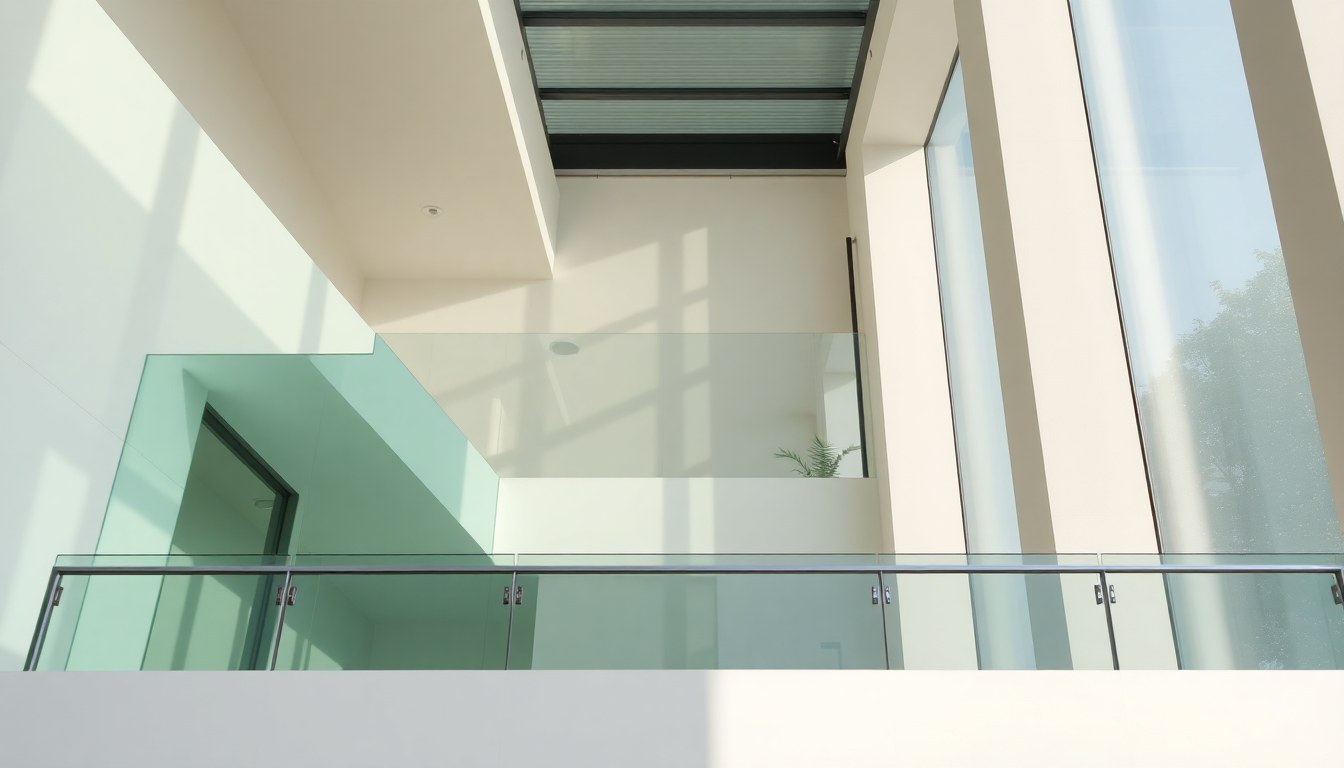
Frameless glass balcony screens have become the preferred choice for modern apartments across Delhi, offering unobstructed views while maintaining safety in high-rise buildings. However, choosing the right glass screening system requires understanding wind load calculations, safety certifications, and installation standards specific to India's climate and building codes. This guide walks you through everything you need to know about glass balcony screening, from safety requirements to installation best practices.
Understanding Wind Resistance in Delhi's Climate
Delhi experiences significant wind pressures, particularly during the monsoon season and pre-monsoon storms. Wind speeds can reach 40–50 km/h during severe weather events, creating substantial lateral forces on balcony structures. Glass balcony screening systems must be engineered to withstand these pressures without compromising structural integrity or resident safety.
Wind resistance in glass balcony systems is measured in terms of wind load, calculated using the formula: Wind Load (kN/m²) = 0.613 × Velocity Pressure × Exposure Factor × Design Factor. For Delhi, typical design wind speeds range from 45 to 55 m/s for residential buildings, depending on building height and location. Taller buildings in exposed areas require more robust screening systems than those in sheltered urban zones.
Wind Load Classification for Delhi Buildings
- Low-rise buildings (up to 12 meters): Design wind speed of 45 m/s, wind load approximately 1.2–1.5 kN/m²
- Medium-rise buildings (12–30 meters): Design wind speed of 50 m/s, wind load approximately 1.8–2.3 kN/m²
- High-rise buildings (above 30 meters): Design wind speed of 55 m/s, wind load approximately 2.5–3.2 kN/m²
These calculations ensure that your glass balcony screening can safely withstand Delhi's seasonal weather patterns without deflection or structural failure.
Safety Standards and Certifications for Glass Balconies
In India, glass balcony screening systems must comply with the National Building Code (NBC) 2016, which sets minimum safety requirements for all residential buildings. The NBC specifies that balcony railings must resist a horizontal load of at least 1.2 kN/m (or approximately 120 kg per linear meter) applied at the top of the railing, ensuring they can withstand accidental impacts or leaning forces.
Additionally, all glass used in balcony screening must meet Indian Standards IS 2250 (Safety Code of Practice for Safety of Building and Building Facilities) and IS 1608 (Code of Practice for Use of Toughened Glass in Buildings). Toughened (tempered) glass is mandatory for balcony applications because it breaks into small, relatively harmless granules rather than sharp shards, significantly reducing injury risk in case of breakage.
Key Safety Certifications to Look For
- IS 1608:2005: Specifies toughened glass thickness (typically 10–12 mm minimum for balconies) and safety performance standards
- NBC 2016 Compliance: Ensures structural adequacy and safety against wind, seismic forces, and impact loads
- ISI Certification: Confirms that glass and hardware are manufactured under quality control and testing protocols
- Seismic Design Compliance: For buildings in seismic zones, additional reinforcement may be required per IS 13920
When selecting a glass balcony screening provider, always request documentation of these certifications. Reputable manufacturers will have test reports from accredited laboratories confirming wind load resistance and impact safety.
Frameless Glass Balcony Systems: Design and Installation
Frameless glass balcony screening systems use structural silicone sealants and stainless steel hardware to create a seamless aesthetic while maintaining full safety compliance. Unlike framed systems, frameless designs provide unobstructed 180-degree views and are easier to clean, making them increasingly popular in Delhi's residential market.
The installation process involves several critical steps: precise measurement of the balcony perimeter, preparation of the substrate (concrete or steel), application of structural silicone, placement of toughened glass panels, and installation of stainless steel clamps or channels. Each step must be executed by trained technicians to ensure the system performs as designed under wind loads and impacts.
Critical Installation Considerations
- Substrate Preparation: The balcony edge must be structurally sound, free of cracks, and properly cleaned before silicone application. Poor substrate preparation is the leading cause of glass balcony system failures.
- Silicone Sealant Quality: Structural silicone must be ISO 11600 certified and capable of accommodating thermal movement and building deflection. Delhi's temperature swings (from 5°C in winter to 45°C in summer) create significant stress on sealants.
- Hardware Specifications: Stainless steel 316 grade is essential for durability in India's climate, as it resists corrosion from pollution and moisture better than lower grades.
- Drainage Design: Proper drainage channels must be integrated to prevent water pooling, which can compromise the silicone bond and create safety hazards during monsoon season.
Wind Load Testing and Compliance Verification
Before installation, reputable glass balcony screening manufacturers conduct wind tunnel testing or computational fluid dynamics (CFD) analysis to validate their designs. These tests simulate Delhi's wind conditions and verify that the system can safely handle design wind speeds without excessive deflection (typically limited to span/180 or less).
Post-installation, building owners should request a structural compliance certificate from the installing contractor. This document confirms that the system has been installed according to design specifications and meets all applicable safety standards. For high-rise buildings, third-party inspection by a structural engineer is strongly recommended.
Testing Standards and Procedures
- ASTM E330: Standard test method for structural performance of exterior windows, doors, skylights, and curtain walls by uniform static air pressure difference
- EN 13049: European standard for glass balustrades—often referenced in India for additional assurance of performance
- In-situ Load Testing: Physical testing of installed systems to verify deflection and structural response under applied loads
Choosing the Right Glass Balcony Screening Provider in Delhi
When selecting a glass balcony screening provider, prioritize companies with proven experience in high-rise residential projects, verifiable certifications, and transparent documentation of their design process. Request references from completed projects in similar building types and ask to review their structural calculations and test reports.
The cost of glass balcony screening varies based on glass thickness, system type (frameless vs. framed), and building height. Frameless systems typically range from ₹1,200 to ₹2,500 per square meter in Delhi, depending on specifications and labor costs. While this represents a significant investment, proper installation ensures decades of trouble-free performance and enhanced property value.
Look for providers who offer comprehensive warranties covering both materials and workmanship, typically 5–10 years for structural components. Space Grid Architects represents the caliber of professional firms that understand structural glass requirements and can guide you through the selection process.
Maintenance and Long-Term Safety
Proper maintenance is essential to preserve the safety and appearance of glass balcony screening systems. Regular inspection (annually, or twice yearly in high-pollution areas) should check for silicone degradation, stainless steel corrosion, and any visible cracks or damage to the glass.
Cleaning should use only mild soap and water with soft cloths—avoid abrasive cleaners or high-pressure washing, which can damage the silicone sealant. In Delhi's dusty environment, more frequent cleaning (monthly) helps maintain visibility and prevents dirt accumulation that can trap moisture and accelerate sealant degradation.
If any cracks, gaps, or separation between glass and frame are observed, contact your installing contractor immediately. These issues compromise wind resistance and safety, and addressing them promptly prevents costly repairs or replacement.
Frequently Asked Questions
What thickness of glass is required for balcony screening in Delhi?
For most Delhi residential buildings, toughened glass thickness of 10–12 mm is standard. High-rise buildings above 30 meters may require 12–15 mm glass to handle increased wind loads. The exact thickness depends on span (distance between support points), building height, and design wind speed. Always consult with a structural engineer to determine the appropriate thickness for your specific building.
How do I verify that a glass balcony system meets Indian safety standards?
Request documentation including ISI certification for the glass, structural compliance certificates, wind load test reports, and the contractor's design calculations. The system should comply with NBC 2016 and IS 1608:2005. Ask for references from completed projects and consider hiring an independent structural engineer to review the design before installation.
What is the typical lifespan of a frameless glass balcony screening system?
With proper installation and maintenance, frameless glass balcony systems typically last 20–30 years. The glass itself is permanent, but structural silicone may require resealing after 15–20 years depending on climate exposure and maintenance quality. Stainless steel hardware remains durable throughout if high-grade materials (316 stainless) are used.
Can existing framed balcony railings be converted to frameless glass screening?
Yes, but this requires structural assessment to ensure the existing balcony edge can support the loads from a frameless system. The process involves removing the old railing, preparing and reinforcing the substrate if necessary, and installing the new frameless system. This conversion is often more cost-effective than complete balcony reconstruction while providing modern aesthetics and improved safety.
How does Delhi's monsoon season affect glass balcony screening?
Heavy rainfall and wind during monsoons (June–September) place maximum stress on balcony screening systems. Proper drainage design is critical to prevent water pooling and silicone degradation. Systems designed for Delhi's 55 m/s wind speeds (high-rise standard) safely handle monsoon conditions. However, annual inspection before monsoon season is recommended to address any existing issues.
Get Professional Glass Balcony Screening Solutions
Glass balcony screening is a critical safety investment for any Delhi apartment or high-rise building. Understanding wind resistance requirements, safety standards, and proper installation practices ensures your system provides decades of reliable performance. Explore vetted glass specialists and architects on glassy.in, India's largest glass-business directory, to find trusted providers who can design and install compliant, high-quality balcony screening systems for your building. Connect with industry experts today and transform your balcony into a safe, beautiful space.