
Glass Railings
Glass Railing Safety Standards in India: What Every Homeowner Must Know
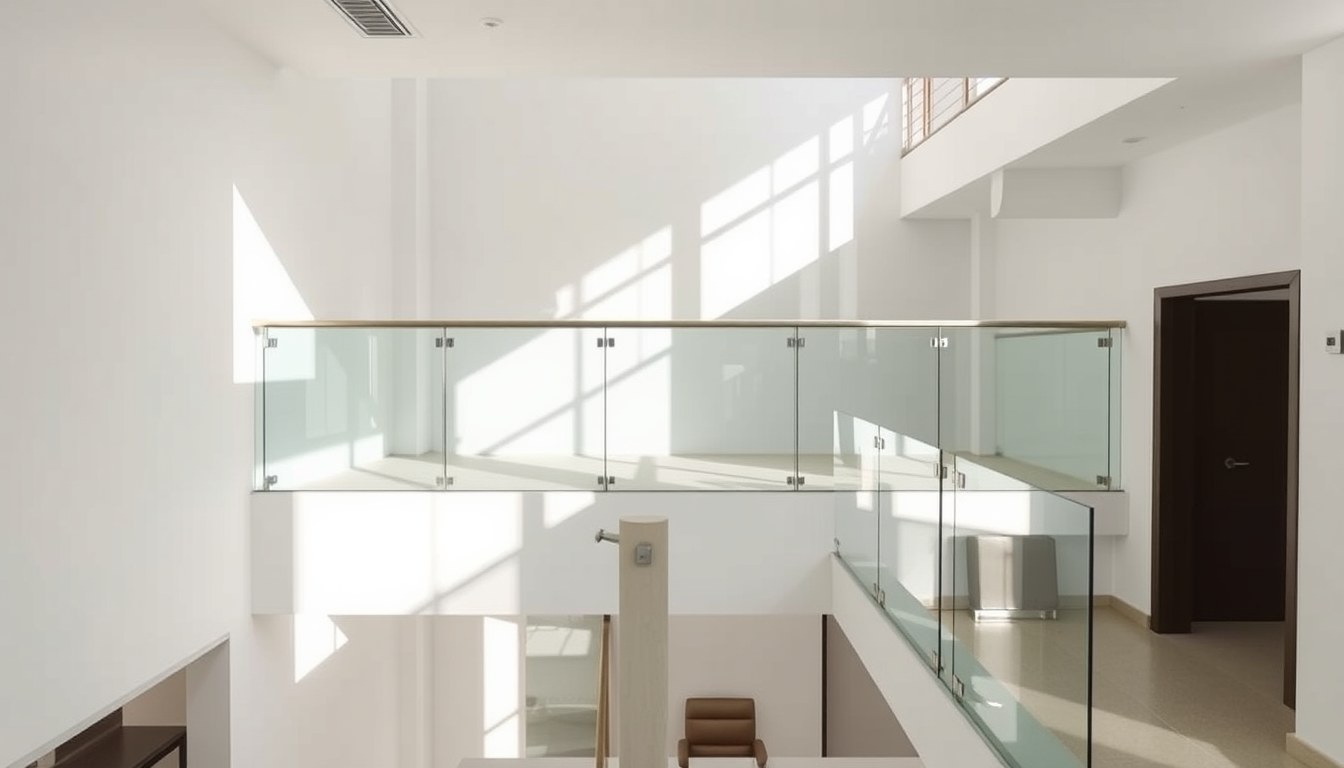
Glass railings have become a popular choice for modern Indian homes, offering unobstructed views and a sleek aesthetic for staircases, balconies, and terraces. However, installing glass railings without understanding safety standards puts your family at risk and may violate building codes. This guide decodes India's official safety standards, including IS 6533, and explains the critical specifications you need to know before installing glass railings in your home.
Understanding IS 6533: India's Glass Railing Standard
IS 6533 is the Indian Standard for safety requirements for glass in buildings, specifically addressing glass used in railings, screens, and protective barriers. This standard was developed by the Bureau of Indian Standards (BIS) to ensure that glass installations meet minimum safety criteria and reduce the risk of injury from breakage, falls, or impact.
The standard covers multiple aspects of glass safety, from the type of glass required to the installation methods and structural support systems. Compliance with IS 6533 is not merely recommended—it is mandatory for any glass railing installation in India, whether in residential, commercial, or public buildings. Non-compliance can result in safety hazards, legal liability, and rejection by municipal authorities during building inspections.
Key Components of IS 6533
- Glass type and strength: Specifies that tempered or laminated glass must be used
- Thickness requirements: Defines minimum thickness based on baluster height and load conditions
- Impact resistance: Sets impact energy thresholds for safety testing
- Installation specifications: Details for frames, fasteners, and support systems
- Load-bearing capacity: Minimum horizontal load requirements for railings
Glass Thickness Requirements for Railings
The thickness of glass used in railings directly impacts its strength and safety. IS 6533 specifies different thickness requirements based on the height of the railing and the type of glass used. For residential applications, typical requirements range from 10mm to 12mm for tempered glass, depending on the span and loading conditions.
For balconies and terraces with heights exceeding 1.1 meters, the standard mandates a minimum thickness of 10mm for tempered glass. If you're using laminated glass (glass bonded with a plastic interlayer), the thickness may vary, but the overall safety performance must meet or exceed that of tempered glass. Many Indian homeowners opt for 12mm tempered glass to provide an extra safety margin and reduce vibration in high-wind areas.
Thickness by Application Type
- Interior staircases: 10mm tempered or 8mm laminated glass
- Balconies and terraces: 10-12mm tempered or 10mm laminated glass
- Open-air railings in coastal areas: 12mm tempered glass (for wind resistance)
- High-traffic areas: 12mm tempered or laminated glass
Baluster Spacing and Structural Requirements
Baluster spacing refers to the gaps between vertical support elements or the distance between the glass panel and any horizontal bars. IS 6533 strictly regulates these gaps to prevent children from getting stuck or falling through. The standard specifies that any opening in the railing must not exceed 100mm (10cm) in width, which prevents a child's head from passing through.
This requirement applies to both the spacing between balusters and the gap between the bottom of the glass panel and the floor or base rail. Many Indian building codes, including those in Delhi, Mumbai, and Bangalore, have adopted or exceeded these specifications. If your home has existing railings that don't meet these standards, retrofitting is strongly recommended, especially if you have children or elderly family members.
Load-Bearing Specifications
Glass railings must withstand both vertical and horizontal loads. IS 6533 requires that railings resist a horizontal load of at least 1.2 kN per linear meter (approximately 120 kg force distributed along the railing length). This ensures that the railing can support a person leaning against it or provide resistance in case of a fall.
The load requirement increases for public buildings and high-traffic areas, but for residential applications, the 1.2 kN standard is the baseline. The supporting frame, fasteners, and glass must all work together to meet this requirement. Improper installation—such as inadequate fastening to the wall or weak frame materials—can compromise the railing's ability to meet load requirements, even if the glass itself is of the correct thickness and type.
Types of Glass Approved Under Indian Standards
Not all glass is suitable for railings. IS 6533 explicitly permits only two types of glass for safety-critical applications: tempered glass and laminated glass. Annealed glass (standard, untreated glass) is strictly prohibited because it breaks into large, sharp shards that pose a severe injury risk.
Tempered Glass
Tempered glass is ordinary glass that has been heated and rapidly cooled, making it four to five times stronger than annealed glass. When tempered glass breaks, it shatters into small, relatively harmless granules rather than sharp shards. This property makes it the preferred choice for railings in India. Tempered glass is also more heat-resistant and suitable for areas exposed to direct sunlight. The main drawback is that once tempered, glass cannot be cut or modified, so precise measurements and planning are essential before manufacturing.
Laminated Glass
Laminated glass consists of two or more glass panes bonded together with a polyvinyl butyral (PVB) interlayer. Even if the glass breaks, the interlayer holds the pieces together, preventing them from scattering. Laminated glass offers superior safety in impact scenarios and provides sound insulation and UV protection. It is particularly suitable for high-impact areas or homes in regions prone to earthquakes or high winds. However, laminated glass is more expensive than tempered glass and may appear slightly hazy due to the interlayer.
Building Code Compliance Across Indian States
While IS 6533 is the national standard, individual states and municipalities may have additional requirements or variations. The National Building Code of India (NBC) incorporates IS 6533 requirements and adds guidelines for structural safety. Most major Indian cities follow these standards, but it's essential to check with your local municipal corporation or building approval authority before installation.
Key Cities and Their Additional Requirements
- Delhi: Follows NBC and requires BIS-certified glass with valid test certificates
- Mumbai: BMC regulations mandate 10mm minimum thickness for balcony railings
- Bangalore: BBMP requires structural engineer certification for glass railing designs
- Hyderabad: GHMC mandates load testing certificates for all glass railings
- Pune: PMC requires railings to meet IS 6533 with documented installation records
Before commissioning a glass railing installation, obtain a copy of your local building code or contact your municipal corporation's building department. Many homeowners face issues during property registration or sale because their railings don't comply with local standards. A small investment in ensuring compliance upfront saves significant headaches and legal complications later.
Installation Best Practices and Safety Considerations
Even if you source glass that meets IS 6533 standards, improper installation can render it unsafe. The frame material, fastening method, and structural support are equally important as the glass itself. All fasteners must be stainless steel or corrosion-resistant to prevent degradation, especially in humid climates or coastal areas.
The frame should be made from materials that won't corrode or weaken over time, such as stainless steel or aluminum. The glass must be securely bonded to the frame using appropriate sealants and mechanical fasteners. Installation should be carried out by qualified professionals who understand the structural requirements and have experience with glass railings. Poor installation can lead to loose panels, water infiltration, and structural failure.
Maintenance and Inspection
- Inspect railings annually for signs of damage, loose fasteners, or seal degradation
- Clean glass with mild soap and water; avoid harsh chemicals that damage sealants
- Check for any cracks, chips, or stress marks on the glass surface
- Ensure that fasteners remain tight and corrosion-free
- Test the railing's stability by applying horizontal pressure (without excessive force)
Cost Implications and Compliance Certification
The cost of compliant glass railings in India typically ranges from ₹800 to ₹2,500 per linear meter, depending on the glass type, frame material, and local labor costs. Tempered glass railings are generally less expensive than laminated options but offer slightly lower impact resistance. While compliance adds to the upfront cost, it protects your family and ensures your property meets legal standards.
Always request a BIS certification or third-party test certificate from your supplier. This document confirms that the glass has been tested and meets IS 6533 requirements. Reputable suppliers will provide these certificates without hesitation. If a supplier cannot provide certification, consider it a red flag and seek an alternative vendor.
Frequently Asked Questions
What is the minimum thickness of glass required for a balcony railing in India?
According to IS 6533, the minimum thickness for balcony railings is 10mm for tempered glass. However, many experts and local codes recommend 12mm tempered glass for better strength and reduced vibration. The exact requirement may vary based on the height of the railing, the span of the glass panel, and local municipal regulations. Always check with your local building authority for specific requirements in your area.
Can I use regular annealed glass for railings instead of tempered glass?
No, annealed glass is strictly prohibited under IS 6533 for safety-critical applications like railings. Annealed glass breaks into large, sharp shards that pose a severe injury risk. Only tempered or laminated glass is permitted. Using annealed glass violates building codes and exposes you to legal liability if someone is injured.
What is the maximum gap allowed between balusters in a glass railing?
The maximum gap allowed between balusters or between the glass panel and the base rail is 100mm (10cm). This spacing prevents children from getting stuck or passing through. If your existing railing has larger gaps, it does not comply with IS 6533 and should be retrofitted to meet current safety standards.
How much horizontal load must a glass railing withstand?
According to IS 6533, residential glass railings must withstand a horizontal load of at least 1.2 kN per linear meter, which is approximately 120 kg of force distributed along the railing length. This ensures the railing can support a person leaning against it or provide resistance during a fall. The entire system—glass, frame, and fasteners—must work together to meet this requirement.
Do I need a structural engineer's approval for a glass railing installation?
In some Indian cities, such as Bangalore and Hyderabad, structural engineer certification is mandatory for glass railing installations. In other cities, it may be required only for large installations or commercial buildings. Check with your local municipal corporation or building department to determine if certification is required in your area. Even if not legally mandated, consulting a structural engineer is a wise investment to ensure safety and compliance.
Conclusion: Prioritize Safety in Your Home
Glass railings enhance the beauty and openness of your home, but they must meet strict safety standards to protect your family. IS 6533 and the National Building Code of India establish clear requirements for glass type, thickness, spacing, and load capacity. By understanding these standards and working with certified suppliers and installers, you ensure that your railings are both aesthetically pleasing and genuinely safe.
Ready to install compliant glass railings in your home? Explore verified glass railing suppliers and manufacturers on glassy.in, India's largest glass-business directory. Find certified professionals in your city who understand IS 6533 requirements and can deliver safe, standards-compliant installations.