
Glass Railings
Glass Railing Maintenance: Keeping Frameless Balconies Crystal Clear
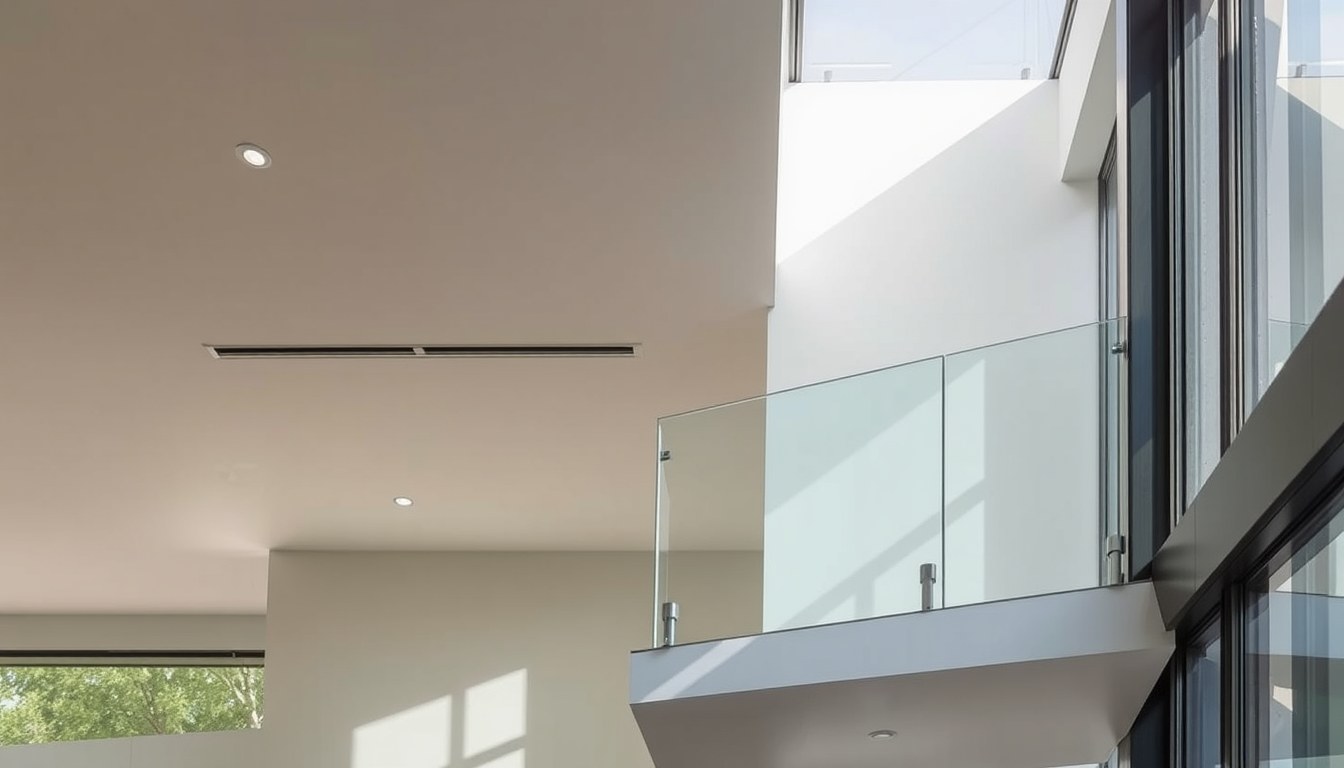
Frameless glass railings transform balconies into open, light-filled spaces with unobstructed views—but they demand consistent care to maintain that pristine appearance. Mineral deposits, water stains, fingerprints, and dust accumulate quickly on toughened glass, dulling the transparency that makes these railings so appealing. This guide walks you through practical cleaning routines, the right products, and proven troubleshooting methods to keep your glass railings sparkling.
Understanding Your Glass Railing Material
Most modern glass railings in India are made from toughened (tempered) glass, a heat-treated material that's five times stronger than standard glass. Toughened glass has a smooth, non-porous surface that resists scratching better than annealed glass, but it's still vulnerable to mineral buildup and hard-water stains—especially in cities with high mineral content in tap water like Delhi, Mumbai, and Bangalore.
The edges of toughened glass railings are typically polished or seamed to prevent chipping. Understanding that your railing is toughened matters because it determines which cleaning products and tools are safe. Abrasive materials, harsh solvents, and extreme temperature changes can compromise the glass integrity or the sealant around mounting points.
Essential Cleaning Products and Tools
Recommended Cleaning Solutions
The best cleaning solution for glass railings is a mixture of equal parts white vinegar and distilled water, plus a drop of dish soap. This combination cuts through mineral deposits without damaging the glass or its frame. For stubborn stains, commercial glass cleaners like Godrej Aer Glass Cleaner or Harpic Glass Cleaner (available across India) work well, but always dilute them according to instructions.
Avoid bleach, ammonia-based cleaners on metal frames, and acidic solutions that are too concentrated—these can etch the glass surface or corrode stainless steel or aluminum frames. Distilled water is preferable to tap water for the final rinse because it leaves no mineral residue.
Tools You'll Need
- Microfiber cloths: Non-abrasive and lint-free; the best choice for streak-free drying.
- Soft-bristled brushes: For cleaning grooves and hard-to-reach areas around mounting hardware.
- Squeegee: A rubber-bladed squeegee helps remove excess water and prevents water-spot formation.
- Spray bottle: For even application of cleaning solution.
- Bucket: For mixing solutions and rinsing cloths.
- Ladder or step stool: Safe access to upper sections of tall railings.
Avoid steel wool, scouring pads, razor blades, and abrasive scrubbers—these scratch toughened glass and are difficult to undo.
Monthly Maintenance Schedule
Weekly Quick Clean
Dust your glass railings weekly using a dry microfiber cloth. This removes surface dust, pollen, and bird droppings before they harden or etch into the glass. A quick wipe takes five minutes and prevents buildup that becomes harder to remove later.
Bi-Weekly Deep Clean
Every two weeks, spray the railing with your vinegar-water solution and wipe thoroughly with a damp microfiber cloth. Pay attention to the bottom rail and edges where dust and moisture collect. Finish with a squeegee or dry cloth to prevent water spots. This routine keeps mineral deposits from forming and maintains clarity.
Monthly Intensive Clean
Once a month, perform a full deep clean of all surfaces, including the frame, mounting brackets, and glass edges. Use a soft brush to gently clean the grooves where the glass meets the frame. Inspect seals and caulking for cracks or separation—these need prompt attention to prevent water infiltration and structural issues.
Seasonal Deep Maintenance
Every three months, inspect the entire railing system. Check for loose bolts, corroded hardware, or compromised seals. Clean the underside of the railing where water tends to pool. In India's monsoon season (June–September), this quarterly check becomes critical to prevent water damage and mold growth.
Removing Mineral Deposits and Hard-Water Stains
White Vinegar Method
For light to moderate mineral deposits, mix equal parts white vinegar and distilled water in a spray bottle. Spray the affected area generously and let it sit for 10–15 minutes. The acidity in vinegar dissolves mineral buildup without scratching the glass. Wipe with a damp microfiber cloth and rinse with distilled water. Dry immediately with a squeegee to prevent new water spots.
Baking Soda Paste for Stubborn Stains
For heavy mineral deposits that vinegar alone won't shift, make a paste from baking soda and distilled water. Apply it to the stained area and let it sit for 15–20 minutes. Using a soft cloth or soft-bristled brush, gently rub the paste in circular motions. Rinse thoroughly with distilled water and dry completely. Baking soda is mildly abrasive but safe for toughened glass when used gently.
Commercial Descaling Products
Products like Harpic Bathroom Cleaner or Godrej Aer Hard Water Stain Remover are formulated for mineral deposits and work faster than vinegar. Always test on a small, inconspicuous area first. Follow the product instructions carefully—most require dilution and a waiting period before wiping. Rinse thoroughly to remove all chemical residue.
Prevention is Easier Than Removal
The best strategy is prevention. After cleaning, always dry the glass with a microfiber cloth or squeegee. In high-humidity areas or during monsoon, wipe down railings more frequently. Consider applying a water-repellent coating (like those used on car windshields) every six months—these products cause water to bead and roll off, reducing mineral deposits and spotting.
Troubleshooting Common Issues
Hazy or Cloudy Glass
Cloudiness usually signals mineral buildup or soap residue. Use the white vinegar method described above, but ensure you rinse thoroughly with distilled water. If haziness persists after cleaning, it may indicate internal condensation between double-paned glass panels, which requires professional inspection and possible resealing.
Fingerprints and Smudges
These are cosmetic but common, especially on high-traffic railings. A quick wipe with a dry microfiber cloth removes most smudges. For stubborn marks, lightly dampen the cloth with your vinegar solution, wipe, and dry immediately. Avoid touching the glass unnecessarily—oils from skin accelerate smudge formation.
Mold or Algae Growth
In humid climates or shaded balconies, mold and algae can develop on the glass surface or frame. Clean affected areas with a solution of one part white vinegar to three parts water. For severe growth, use a commercial mold cleaner, but avoid bleach on metal frames as it causes corrosion. Improve ventilation and reduce moisture to prevent recurrence.
Corrosion on Metal Frames
Stainless steel frames resist corrosion well, but aluminum frames may oxidize or develop white powdery deposits. Clean with a soft cloth and mild soap solution. For light corrosion, use a specialized aluminum cleaner. Wipe dry immediately. If corrosion is severe, contact the railing manufacturer or a professional—it may indicate a deeper issue with the frame's protective coating.
Cracks or Chips in Glass
Toughened glass is durable, but impacts can cause cracks. Small chips at edges are usually cosmetic, but cracks that span the width of a panel compromise safety and require replacement. Do not attempt to repair a cracked railing—contact your installer or a certified glass professional immediately.
Seasonal Considerations for Indian Climate
India's diverse climate demands adjusted maintenance routines. During the monsoon season (June–September), increase cleaning frequency to weekly and inspect seals more often—water ingress is the primary concern. In coastal areas (Mumbai, Goa, Chennai), salt spray accelerates corrosion; rinse railings with fresh water weekly and apply protective coatings more frequently.
In dry, dusty regions (Delhi, Rajasthan), dust accumulation is rapid. Weekly dry dusting becomes essential. During winter (December–February), condensation may form on glass in early mornings; wipe it off promptly to prevent mineral deposits. In summer (March–May), UV exposure and heat can stress seals; inspect caulking regularly and reapply if needed.
Frequently Asked Questions
How often should I clean frameless glass railings?
A weekly dry dust and bi-weekly deep clean is ideal for most Indian homes. In high-traffic areas, coastal regions, or during monsoon, increase frequency to weekly deep cleans. Monthly intensive cleaning and quarterly inspections help catch issues early.
Can I use newspaper or paper towels to dry glass railings?
No. Newspaper leaves ink residue and paper towels shed fibers, both of which create streaks and smudges. Always use microfiber cloths or a squeegee—these are lint-free and won't scratch toughened glass.
Is it safe to use a pressure washer on glass railings?
High-pressure water can damage seals and force water into gaps between glass and frame. Use only low-pressure water spray or hand-cleaning methods. If you must use a pressure washer, keep it on the lowest setting, maintain distance, and avoid spraying directly at seams.
What's the best product to prevent water spots on glass railings?
Water-repellent coatings designed for glass (similar to car windshield treatments) are highly effective. Products like Aquapel or ceramic glass coatings available in India create a hydrophobic surface that causes water to bead and roll off, reducing mineral deposits. Reapply every 6–12 months.
Can I repair a foggy or hazy section of my glass railing myself?
If haziness is surface-level (mineral deposits or soap residue), the vinegar and baking soda methods work well. If haziness is internal (between glass layers), professional resealing is necessary. Never attempt to disassemble or reglaze a railing yourself—always consult a certified installer.
Keep Your Glass Railings Pristine
Maintaining frameless glass railings doesn't require expensive products or excessive effort—consistency and the right techniques matter most. A simple routine of weekly dusting, bi-weekly deep cleaning, and monthly inspections keeps your balcony glass crystal clear and extends the life of your railing system. When issues arise, address them promptly; small problems become expensive repairs if ignored.
For professional glass railing installation, maintenance advice, or repairs in your area, explore verified suppliers and installers on glassy.in, India's largest glass-business directory. Whether you're in Mumbai, Delhi, Bangalore, or any other city, find trusted experts who understand your local climate and can keep your glass railings looking flawless.