
Interior Design
Glass False Ceilings: Acoustic Panels vs. Transparent Glass Alternatives
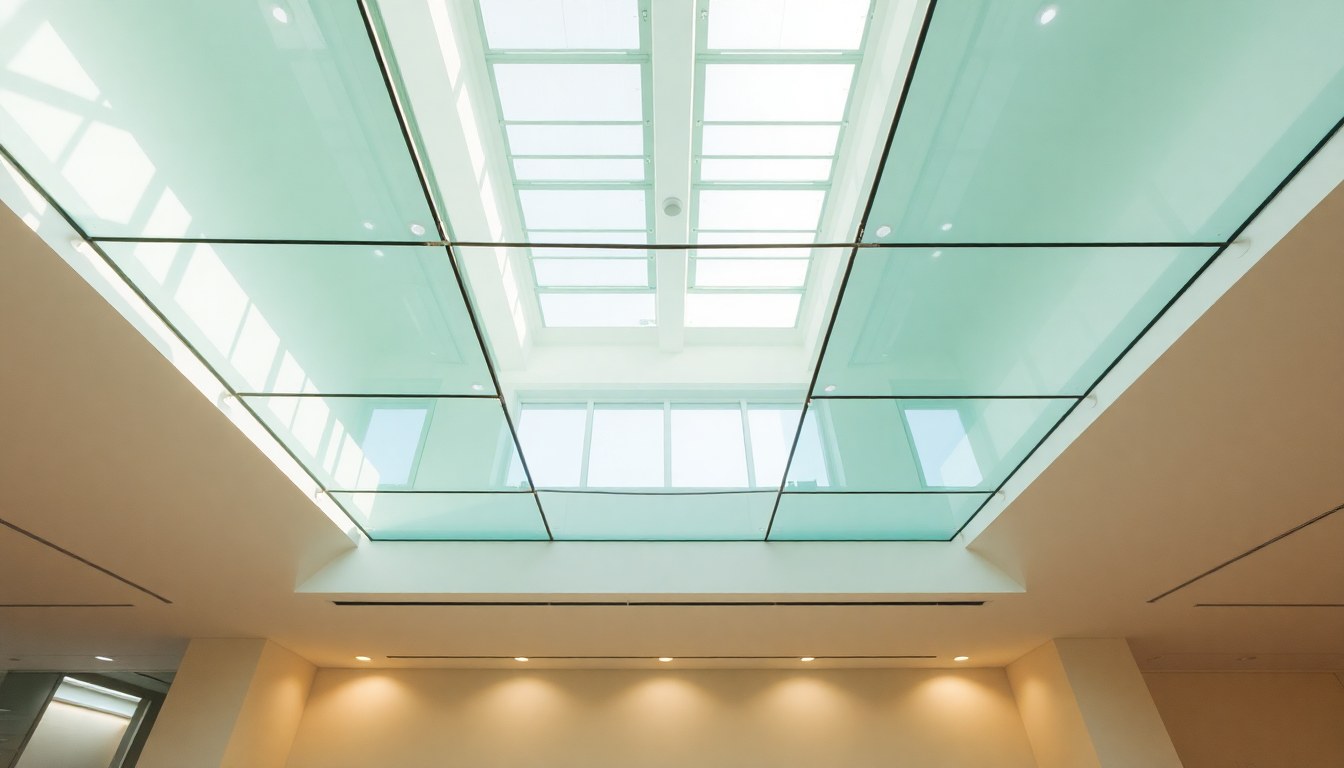
Modern office and retail spaces in Electronic City and across India are increasingly turning to glass false ceiling systems to balance aesthetics, functionality, and natural light. But the choice between acoustic panels and transparent glass alternatives can be confusing—each offers distinct advantages in sound control, light transmission, and visual appeal. This guide breaks down the key differences, cost implications, and best-use scenarios to help you make an informed decision.
Understanding Glass False Ceiling Systems
Glass false ceilings are suspended ceiling structures that incorporate glass as the primary or secondary material. Unlike traditional plaster of Paris (POP) or gypsum board ceilings, glass systems allow light to pass through while maintaining a modern, professional appearance. They're particularly popular in tech parks, corporate offices, and high-end retail outlets across India.
These systems serve multiple purposes: they hide structural elements and wiring, improve acoustic performance when paired with sound-absorbing materials, and create visual continuity in open-plan spaces. The choice between acoustic and transparent variants depends on your specific needs for sound control, privacy, and ambient lighting.
Acoustic Glass Panels: Sound Control and Privacy
Acoustic glass false ceiling panels combine glass with sound-absorbing materials like mineral wool, fiberglass, or polyester. These panels are designed to reduce noise transmission and improve speech intelligibility in bustling office environments.
How Acoustic Glass Panels Work
Acoustic panels feature a porous core that traps sound waves and converts them into heat energy, reducing reverberation. When integrated into a false ceiling, they absorb noise from open-plan workspaces, meeting rooms, and retail floors. The glass face provides a clean aesthetic while the backing material handles sound absorption.
Noise Reduction Coefficient (NRC) ratings typically range from 0.5 to 0.95 for quality acoustic glass panels. A rating of 0.75 or higher is considered excellent for office environments. This means the panel absorbs 75–95% of sound that strikes it.
Advantages of Acoustic Glass Systems
- Superior sound control: Ideal for open-plan offices, call centers, and collaborative spaces where noise management is critical.
- Improved productivity: Reduced ambient noise helps employees concentrate and reduces fatigue.
- Professional appearance: Glass face maintains a modern look while delivering functional acoustic benefits.
- Easy maintenance: Glass surfaces are wipeable and resistant to dust accumulation compared to porous ceilings.
- Privacy: Opaque or semi-translucent options provide visual privacy while maintaining sound control.
Disadvantages and Limitations
Acoustic glass panels can feel heavier visually and may reduce perceived brightness in spaces with limited natural light. The cost is typically higher than transparent glass alternatives. Additionally, if the acoustic material becomes damaged, replacement can be expensive. Some acoustic panels may also trap dust in the backing material if not properly sealed.
Transparent Glass Alternatives: Light and Openness
Transparent or translucent glass false ceilings prioritize visual lightness and natural light transmission. These systems use clear, frosted, or lightly tinted glass panels, often combined with minimal structural framing to create an airy, open aesthetic.
Types of Transparent Glass Ceilings
Transparent glass false ceilings come in several varieties. Clear glass offers maximum light transmission and visibility, making spaces feel larger and more connected. Frosted or acid-etched glass provides partial transparency while diffusing light and reducing glare. Laminated glass adds safety and sound dampening without sacrificing clarity.
Tempered glass is standard in most installations for safety and durability. Some systems incorporate thin aluminum or steel grids to support the glass panels while maintaining visual continuity. LED panels can be integrated directly into the glass framework, creating seamless ambient lighting.
Advantages of Transparent Glass Systems
- Maximum light transmission: Allows natural light and artificial lighting to flow freely, reducing energy consumption for ambient lighting.
- Visual spaciousness: Creates a sense of openness and connectivity, particularly valuable in modern office design.
- Modern aesthetic: Clean lines and minimal visual obstruction appeal to contemporary design preferences.
- Lower initial cost: Generally more affordable than acoustic glass systems.
- Easy cleaning: Smooth glass surfaces resist dust and are simple to maintain.
- Flexibility: Can be easily modified or reconfigured without replacing the entire system.
Disadvantages and Limitations
Transparent glass ceilings offer minimal sound absorption on their own. In noisy environments, they may amplify reverberation rather than dampen it. They also provide no visual privacy between spaces and may create glare issues if not properly designed. In retail or office settings where acoustic performance is essential, additional sound-dampening measures become necessary, offsetting cost savings.
Sound Absorption Trade-offs: Making the Right Choice
The acoustic performance difference between these two systems is substantial. Acoustic glass panels typically achieve NRC ratings of 0.70–0.95, while transparent glass alone has an NRC of 0.05–0.10. This gap is critical in noise-sensitive environments.
When Acoustic Performance Matters Most
Call centers, open-plan offices with 50+ employees, meeting rooms, and retail spaces with high foot traffic benefit significantly from acoustic false ceilings. In these environments, sound control directly impacts productivity and customer experience. Electronic City's tech parks and IT offices, for instance, often require robust acoustic solutions to manage the constant hum of activity.
Hybrid Solutions for Balanced Performance
Many designers opt for hybrid approaches: transparent glass ceilings in collaborative zones combined with acoustic panels in focus areas and meeting rooms. This strategy maximizes light and openness where appropriate while providing sound control where needed. Some systems also incorporate acoustic baffles or suspended panels below the main ceiling structure, offering flexibility without sacrificing aesthetics.
LED Integration and Modern Lighting Design
Both acoustic and transparent glass false ceiling systems can integrate LED lighting, but the approaches differ. Transparent systems allow light to pass through to upper spaces, creating a more open feel. Acoustic systems can embed LEDs within the panel structure or frame, directing light downward into the occupied space.
Modern LED integration offers several benefits: reduced energy consumption compared to traditional fluorescent fixtures, adjustable color temperature for circadian rhythm support, and smart controls for occupancy-based lighting. In retail environments, LED integration can highlight products and create dynamic lighting effects that transparent glass ceilings excel at showcasing.
Cost for LED integration typically ranges from ₹150 to ₹500 per square foot, depending on the complexity and quality of the lighting system. Transparent glass ceilings may require less LED coverage due to natural light transmission, potentially reducing overall lighting costs.
Cost Comparison and Budget Considerations
Pricing for false ceiling systems in India varies by material quality, installation complexity, and regional factors. In Electronic City and Bangalore's commercial hubs, typical costs break down as follows:
- Transparent glass false ceilings: ₹250–₹600 per square foot (material and installation)
- Acoustic glass panels: ₹400–₹900 per square foot (material and installation)
- Hybrid systems: ₹350–₹750 per square foot
- LED integration: Additional ₹150–₹500 per square foot
Labor costs in Electronic City are typically 20–30% higher than smaller Indian cities due to the concentration of commercial projects and skilled labor demand. Material costs also fluctuate based on glass quality, thickness, and acoustic backing specifications.
Long-term value should factor in maintenance costs. Transparent glass requires regular cleaning but minimal repairs. Acoustic panels may need backing replacement or repair if damaged, adding to lifetime costs. Consider also the energy savings from optimized lighting in transparent systems and the productivity gains from improved acoustics in acoustic systems.
Installation and Maintenance Considerations
Both systems require proper installation by experienced professionals to ensure safety, performance, and longevity. Acoustic glass panels need careful handling during installation to avoid damaging the backing material. Transparent glass systems require precise leveling to prevent water pooling or structural stress.
Maintenance differs significantly. Transparent glass ceilings need regular cleaning to maintain light transmission and appearance—dust and fingerprints are visible. Acoustic panels require less frequent cleaning but may trap dust in the backing if not properly sealed. Both systems should be inspected annually for structural integrity, especially in high-humidity areas or spaces with significant vibration from HVAC systems.
In Electronic City's humid climate, moisture management is critical. Ensure your chosen system includes proper vapor barriers and ventilation to prevent mold or corrosion of metal components.
Frequently Asked Questions
What is the acoustic performance difference between glass and traditional POP ceilings?
Glass false ceilings, particularly acoustic variants, generally perform comparably to traditional POP in sound absorption when properly designed. However, transparent glass alone has minimal acoustic benefit. Traditional POP ceilings with mineral fiber backing typically achieve NRC ratings of 0.70–0.80. Modern acoustic glass panels can match or exceed this performance while offering superior aesthetics and easier maintenance. The key is selecting the right acoustic backing material for your specific noise environment.
Can transparent glass false ceilings be retrofitted with acoustic materials later?
Yes, but retrofitting is more expensive and disruptive than installing an acoustic system initially. You can add suspended acoustic panels below a transparent glass ceiling, creating a hybrid system. Alternatively, some glass panels can be replaced with acoustic variants, though this requires partial ceiling deconstruction. It's more cost-effective to plan for acoustic needs during the initial design phase rather than retrofitting afterward.
How do I choose between acoustic and transparent glass for a retail space?
Consider your retail environment's noise levels, lighting needs, and brand image. High-traffic retail spaces benefit from acoustic panels to reduce ambient noise and create a pleasant shopping experience. Boutique retail with lower foot traffic can use transparent glass to showcase products and create an open, luxury feel. Many retailers use a combination: transparent glass in customer-facing areas and acoustic panels in stockrooms or staff areas. Consult with a designer familiar with Electronic City's retail landscape for specific recommendations.
What is the lifespan of glass false ceiling systems?
Quality glass false ceiling systems typically last 15–25 years with proper maintenance. Tempered glass itself is extremely durable, but supporting structures, acoustic backing, and LED components may require replacement or upgrades within 10–15 years. Regular maintenance extends lifespan significantly. Acoustic backing materials may degrade faster in humid environments, so climate control and ventilation are important in Electronic City's weather conditions.
Are there any acoustic glass alternatives that combine sound control with light transmission?
Yes, several options exist. Laminated glass with acoustic interlayers provides partial sound dampening while maintaining transparency. Some manufacturers offer semi-transparent acoustic panels with frosted glass faces and sound-absorbing cores. Suspended acoustic baffles above transparent glass ceilings create hybrid systems that offer both light transmission and sound control. These solutions are more expensive but provide balanced performance for spaces requiring both benefits.
Ready to transform your office or retail space with the perfect glass false ceiling system? Explore verified glass suppliers, acoustic specialists, and installation experts in Electronic City and across India on glassy.in, India's largest glass-business directory. Connect with trusted professionals who can guide you through the acoustic-vs.-transparent decision and deliver quality installations tailored to your space and budget.