
Glass Facades
Glass Façade Maintenance in Monsoon: Bangalore & Coastal City Guide
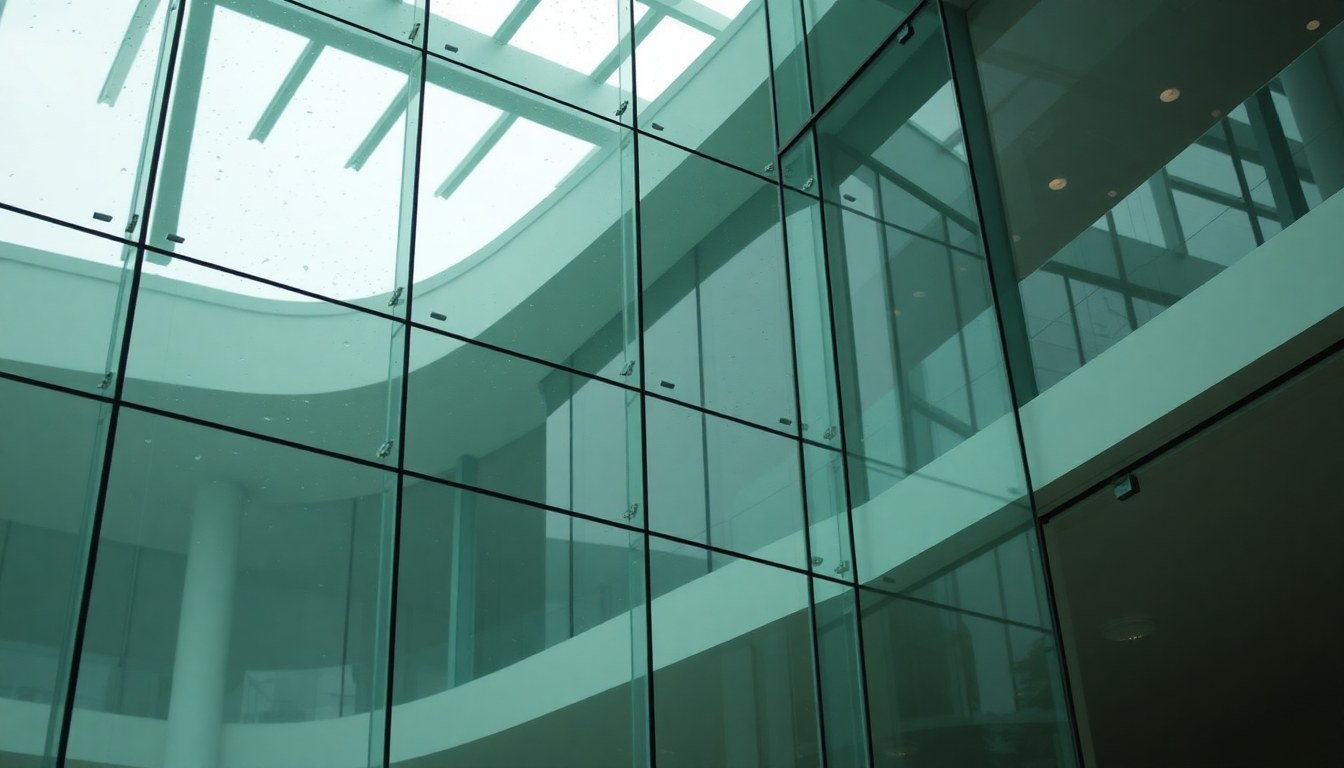
Monsoon season brings heavy rainfall, high humidity, and temperature fluctuations that can severely compromise the integrity of glass façades and curtain wall systems. In cities like Bangalore, Hyderabad, and coastal metros, inadequate maintenance during the rainy season leads to water infiltration, sealant degradation, algae growth, and costly structural damage. This guide provides actionable maintenance strategies to protect your building's glass exterior throughout the monsoon months.
Why Glass Façades Need Special Monsoon Care
Glass façades and curtain walls are exposed to the harshest weather conditions. During monsoon, they face sustained water pressure, wind-driven rain, and prolonged moisture exposure that can penetrate even small gaps and compromise the building envelope. The problem intensifies in high-humidity climates where evaporation is slower, creating ideal conditions for mold, algae, and mineral deposits to flourish on glass surfaces and within structural joints.
The sealants and gaskets that hold curtain wall systems together are particularly vulnerable during monsoon. Silicone sealants, polyurethane, and EPDM gaskets can degrade under UV exposure, temperature cycling, and constant moisture. If these fail, water seeps into the building interior, damaging insulation, electrical systems, and finishes. Regular monsoon-season maintenance prevents these costly failures and extends the lifespan of your façade system by 10–15 years.
Pre-Monsoon Inspection Checklist
Begin your maintenance routine 2–3 weeks before monsoon arrives. A thorough pre-monsoon inspection identifies vulnerabilities while there is still time to address them before heavy rains begin.
Visual Inspection of Sealants and Joints
Walk the perimeter of your building and inspect all visible sealant lines, expansion joints, and glazing seals. Look for cracks, peeling, discoloration, or loss of sealant material. Pay special attention to horizontal joints and corners where water tends to pool. Use a flashlight to check for gaps between the sealant and glass or aluminum frames. Any sealant showing signs of age or damage should be removed and replaced with fresh, high-quality silicone or polyurethane sealant rated for your climate zone.
Document all findings with photographs. This creates a record for future reference and helps prioritize repairs. If your building uses structural glazing (where glass is bonded directly to the frame), inspect the primary and secondary sealant lines separately—secondary seals are your last line of defense against water infiltration.
Drainage System Assessment
Curtain wall systems include internal drainage channels designed to direct water that penetrates the outer seal away from the building interior. Inspect these channels for debris, dirt, and algae buildup. Clear all drainage weep holes—small openings at the base of the façade that allow water to exit. Blocked weep holes force water to accumulate internally, leading to corrosion and structural damage. Use compressed air or a soft brush to clean these openings without damaging the system.
Sealant Replacement and Repair Strategy
Sealant failure is the primary cause of water infiltration in glass façades. During monsoon, even small cracks in sealant can allow water to penetrate the building envelope. A proactive replacement strategy minimizes this risk.
Identifying Sealant Types and Compatibility
Different sealant materials have different lifespans and performance characteristics. Silicone sealants typically last 15–20 years, while polyurethane sealants may last 20–25 years in Indian climates. Before replacing sealants, identify the original material—this is crucial because incompatible sealants can fail prematurely. Check your building's original specifications or consult with the curtain wall manufacturer. If records are unavailable, a materials testing lab can analyze samples to determine composition.
When selecting replacement sealants, choose products specifically formulated for high-humidity, tropical climates. Sealants with mildewcide additives resist algae and fungal growth during monsoon. Ensure the product is compatible with both glass and aluminum frames, and that it meets Indian Standards (IS 1142 for silicone sealants, for example).
Proper Application Techniques
Sealant application quality directly affects performance. Poor application creates air pockets and weak bonds that fail under water pressure. During monsoon repair work, ensure that:
- Surfaces are clean and dry before sealant application—use degreaser and allow full drying time
- Sealant depth matches manufacturer recommendations (typically 6–10 mm for curtain walls)
- Sealant is tooled smoothly into joints to eliminate voids and improve water shedding
- Adequate cure time is allowed before exposing the sealant to water (typically 7–14 days depending on product)
- Sealant application is staggered across different sections to avoid exposing the entire façade during monsoon
Algae Prevention and Glass Cleaning During Monsoon
Monsoon humidity and reduced sunlight create perfect conditions for algae, moss, and fungal growth on glass surfaces. These growths not only reduce transparency and aesthetics but can also trap moisture against glass, accelerating sealant degradation and mineral staining.
Regular Cleaning Protocol
Establish a weekly cleaning schedule during monsoon months. Use deionized or distilled water mixed with a mild detergent to avoid mineral deposits that are common in hard-water areas. Avoid abrasive scrubbers that can scratch glass; instead, use soft-bristle brushes and microfiber cloths. For stubborn algae, apply a specialized algaecide formulated for glass and metal surfaces—ensure it is safe for use on sealants and does not contain chlorine, which can degrade silicone.
After cleaning, allow the glass to dry completely. If water spots appear after drying, apply a hydrophobic coating. These coatings reduce water adhesion, allowing water to bead and roll off rather than running in sheets that leave mineral trails. Hydrophobic coatings also reduce the surface area available for algae spores to settle, significantly extending the time between cleaning cycles.
Ventilation and Humidity Control
Ensure that internal ventilation systems are functioning properly during monsoon. Inadequate ventilation traps humid air inside the building, creating condensation on the interior surface of glass. This interior moisture promotes algae growth on the inside of the façade and can damage internal finishes. Use HVAC systems to maintain indoor humidity between 40–60%, which reduces condensation and mold growth throughout the building.
Drainage System Maintenance and Water Management
Proper drainage is your façade's first line of defense against water infiltration. During monsoon, drainage systems are under maximum stress and require active maintenance.
Cleaning and Clearing Drainage Channels
Internal drainage channels within the curtain wall cavity must remain clear to function effectively. Schedule monthly drainage inspections during monsoon. Use a vacuum or compressed air to remove leaves, dust, and debris that accumulate in these channels. Pay particular attention to horizontal sections where debris settles. Some facilities benefit from installing drain screens or filters that prevent debris accumulation while allowing water to flow freely.
Check that drainage water exits cleanly from weep holes and downspouts. If water is backing up or pooling, the system may be clogged. Clear blockages immediately to prevent water from being forced back into the building interior through sealant gaps or glazing seals.
External Water Management
Beyond the façade itself, manage water around the building's base. Ensure that landscaping slopes away from the building, that gutters and downspouts direct water away from the façade base, and that ground-level drainage systems are functioning. In Bangalore and other cities with heavy monsoon rainfall, water management at the building perimeter is as important as façade maintenance itself.
Professional Maintenance Services and When to Call Experts
While routine cleaning and inspection can be performed in-house, certain maintenance tasks require specialized expertise and equipment. Consider engaging professional curtain wall maintenance services for tasks such as high-access sealant replacement, structural assessment, and performance testing.
Work with experienced providers like Flairwood Interiors or Blue Design Architects who understand Bangalore's specific climate challenges and can recommend tailored solutions for your façade system. Professional services typically include thermal imaging to detect water infiltration, air-pressure testing to verify the integrity of the building envelope, and detailed documentation for maintenance records.
Schedule professional inspections at least once annually, ideally before monsoon season. For buildings over 15 years old or those with a history of water infiltration, consider increasing inspection frequency to twice yearly. Professional assessments cost ₹15,000–₹50,000 depending on building size but can prevent water damage repairs costing ₹5–10 lakhs or more.
Frequently Asked Questions
How often should glass façades be cleaned during monsoon?
During monsoon season, glass façades should be cleaned weekly to prevent algae and mineral buildup. In areas with particularly heavy rainfall or high humidity, bi-weekly cleaning may be necessary. After monsoon ends, reduce cleaning frequency to bi-monthly or as-needed based on visual inspection. Regular cleaning prevents the need for aggressive cleaning methods that can damage sealants.
What is the best sealant for monsoon climates in India?
Silicone sealants with mildewcide additives are ideal for Indian monsoon climates. Look for products meeting IS 1142 standards and specifically formulated for high-humidity, tropical environments. Polyurethane sealants offer slightly longer lifespan but require more careful application. Always verify compatibility with your curtain wall system's existing materials before selection.
Can I apply sealant during monsoon rains?
No—sealants require dry conditions and adequate cure time before water exposure. Never apply sealants during active rainfall or high humidity. Plan sealant work for dry weather windows between monsoon showers, or wait until post-monsoon season. If urgent repairs are needed during monsoon, use temporary waterproof tape or membranes as a stopgap while waiting for conditions suitable for permanent sealant application.
How do I know if water is infiltrating my glass façade?
Signs of water infiltration include water stains on interior walls or ceilings, visible moisture or condensation between glass panes, mold or mildew growth on interior surfaces near the façade, and musty odors. More subtle signs include slight discoloration of sealants, rust stains on aluminum frames, or mineral deposits on glass. If you notice any of these signs, conduct a visual inspection immediately and contact a professional for thermal imaging or air-pressure testing to confirm infiltration locations.
What is the cost of monsoon-season façade maintenance?
Routine maintenance (cleaning, inspection, minor sealant touch-ups) costs ₹5,000–₹20,000 per month during monsoon depending on building size. Comprehensive sealant replacement for a medium-sized commercial building ranges from ₹2–5 lakhs. Professional inspections with thermal imaging cost ₹15,000–₹50,000. These investments are far less expensive than water damage repairs, which can exceed ₹5–10 lakhs for significant infiltration.
Protect Your Glass Façade Year-Round
Monsoon maintenance is an investment in your building's longevity, energy efficiency, and occupant comfort. By implementing a proactive maintenance schedule—starting with pre-monsoon inspections, maintaining sealants and drainage systems, and controlling algae growth—you prevent costly water damage and extend your façade's useful life significantly. For expert guidance tailored to Bangalore's monsoon climate, consult specialists in your area through glassy.in, India's largest glass-business directory, where you can connect with experienced architects, interior designers, and curtain wall experts who understand the unique challenges of high-humidity, high-rainfall regions.