
Glass Facades
Frosted Glass Shopfront Designs: Balancing Visibility and Brand Privacy
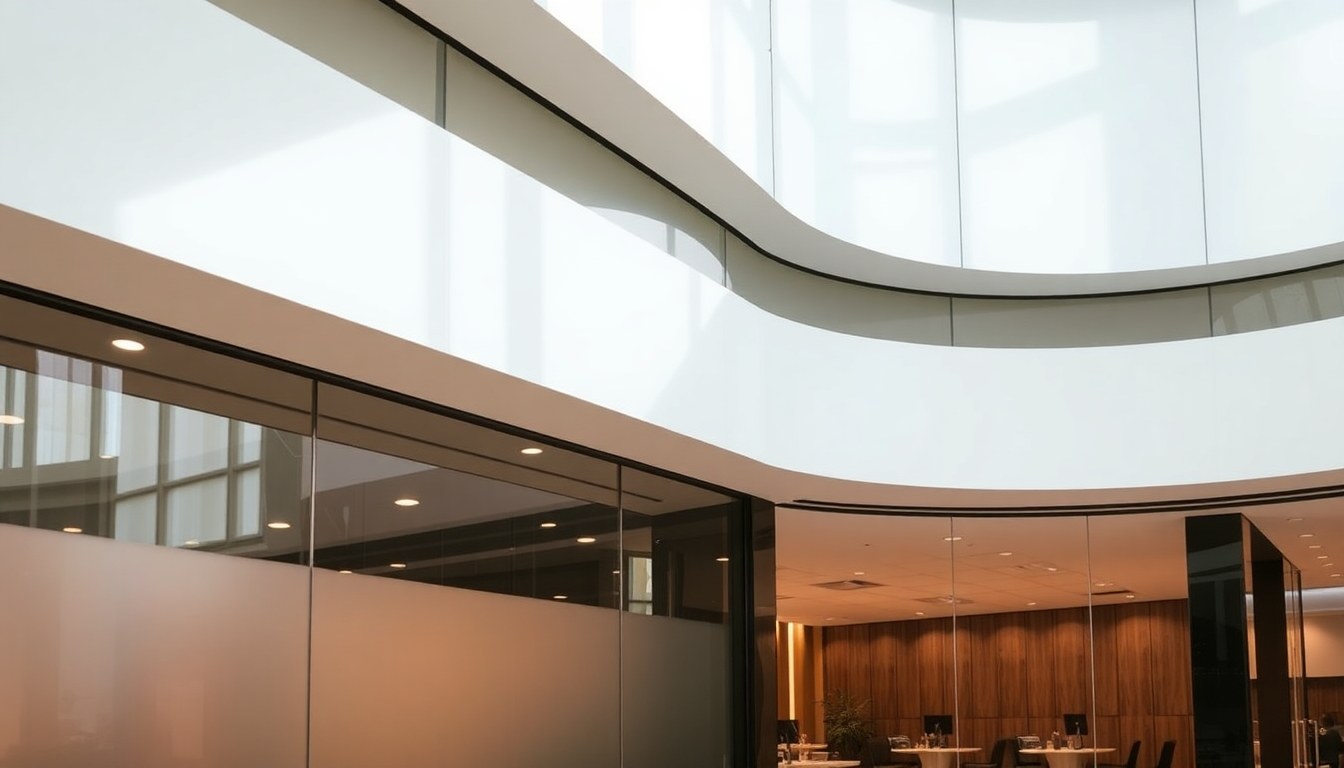
Frosted glass has become a go-to material for modern retail storefronts across India, offering an elegant way to showcase your brand while maintaining control over what customers see from the street. Whether you're protecting inventory, creating a sense of exclusivity, or simply managing customer flow, frosted glass shopfronts strike the perfect balance between transparency and privacy. This guide explores practical design strategies that help retailers leverage frosted glass to strengthen their brand presence and operational efficiency.
Understanding Frosted Glass: Properties and Benefits
Frosted glass, also known as acid-etched or satin glass, is created by treating clear glass with chemicals or abrasive methods to create a translucent, non-reflective surface. This treatment diffuses light while obscuring clear visibility of objects behind the glass, making it ideal for retail environments where selective visibility is essential.
The primary advantages of frosted glass for shopfronts include enhanced privacy, reduced glare, modern aesthetic appeal, and improved UV protection for interior displays. Unlike solid walls, frosted glass maintains a sense of openness and allows natural light to flood into your retail space, reducing dependency on artificial lighting during daytime hours. For retailers in bustling commercial areas across Delhi, Mumbai, Bangalore, and Hyderabad, frosted glass provides a sophisticated alternative to traditional display windows.
Cost Considerations for Indian Retailers
The cost of frosted glass varies based on thickness, size, and treatment method. In India, basic frosted glass panels typically range from ₹400 to ₹800 per square foot, while premium designer frosted glass with custom patterns can cost ₹1,200 to ₹2,500 per square foot. Installation and framing add additional expenses, typically ₹100 to ₹300 per square foot depending on complexity and location.
Design Strategies for Maximum Impact
Effective frosted glass shopfront design requires balancing aesthetics with functionality. The key is determining which areas need complete privacy, which should offer partial visibility, and which can remain transparent to create visual interest and draw customers inside.
Partial Frosting Techniques
One of the most effective approaches is using partial frosting, where only specific sections of your shopfront are frosted while others remain clear. This technique allows you to hide stockrooms, staff areas, or sensitive operations while maintaining an inviting, transparent storefront that showcases your best merchandise. For example, a clothing retailer might frost the lower half of the window while keeping the upper section clear to display premium items.
Partial frosting also creates visual hierarchy and guides customer attention. By strategically placing clear sections at eye level and frosting upper or lower areas, you control the narrative of what customers see first. This approach is particularly effective for jewelry stores, luxury boutiques, and pharmacies where discretion is important but brand visibility remains crucial.
Custom Patterns and Branding
Frosted glass can be customized with etched patterns, logos, and designs that reinforce brand identity while maintaining privacy. Many Indian glass manufacturers now offer digital frosting technology that allows precise reproduction of logos, geometric patterns, and decorative motifs. These custom designs serve dual purposes: they enhance visual appeal and provide additional privacy through strategic pattern placement.
Popular pattern options include:
- Company logos and brand names etched prominently on the storefront
- Geometric patterns that create visual interest while obscuring interior views
- Gradient frosting that transitions from opaque to transparent
- Nature-inspired designs like leaf or floral motifs
- Contemporary line art that aligns with modern retail aesthetics
Privacy Management and Interior Operations
Frosted glass is particularly valuable for retailers who need to manage operational areas while maintaining a professional appearance. Stockrooms, fitting areas, staff workstations, and inventory management zones can be completely obscured from customer view, creating a seamless shopping experience without exposing behind-the-scenes chaos.
Creating Defined Zones
Smart retailers use frosted glass to create distinct zones within their storefronts. The public-facing display area remains transparent or partially frosted to showcase products, while back areas and operational zones are completely frosted for privacy. This zoning approach is especially valuable in high-traffic commercial areas where foot traffic is constant and visibility management is critical.
For instance, a cosmetics store might use clear glass for the main display counter and entrance, partial frosting for the consultation area, and full frosting for the stockroom and preparation areas. This creates a professional, organized appearance while protecting sensitive operations from public view.
Security and Loss Prevention
Frosted glass contributes to security by preventing customers and potential thieves from easily spotting valuable inventory from the street. High-value items stored in frosted sections are less likely to attract unwanted attention. Additionally, frosted glass makes it harder for people to observe cash registers, safes, and other security-sensitive areas, adding an extra layer of protection to your retail operation.
Lighting Design for Frosted Glass Storefronts
Proper lighting is essential for frosted glass shopfronts to maximize their visual impact. Since frosted glass diffuses light, strategic lighting placement can create dramatic effects that enhance brand presence and draw customers inside, even during evening hours.
Backlighting Techniques
Backlighting behind frosted glass creates a glowing effect that makes your storefront stand out on busy shopping streets. LED strips positioned behind frosted panels produce an ethereal, sophisticated appearance that communicates premium quality and modern aesthetics. This technique is particularly effective for fashion retailers, jewelry stores, and high-end restaurants looking to create an upscale impression.
Interior lighting that illuminates products behind frosted sections creates visual depth and intrigue. Customers can see that activity and products exist behind the frosted surface without being able to view specific details, encouraging them to enter and explore. Warm white LED lighting (2700-3000K) works best for creating inviting retail environments, while cool white lighting (4000-5000K) suits modern, contemporary brands.
Accent and Directional Lighting
Spotlights and accent lighting directed at frosted glass surfaces create visual drama and highlight custom etched designs or patterns. This approach transforms your shopfront into a dynamic display that changes throughout the day as natural light shifts. Many successful retail locations in Bangalore's commercial districts and Mumbai's shopping areas use accent lighting to make frosted storefronts memorable and Instagram-worthy.
Maintenance and Longevity Considerations
Frosted glass requires specific maintenance approaches to preserve its appearance and functionality. Unlike clear glass, frosted surfaces can show fingerprints, dust, and water spots more visibly, requiring regular cleaning with appropriate products.
Best practices for maintaining frosted glass include:
- Use microfiber cloths and mild glass cleaners specifically formulated for frosted surfaces
- Avoid abrasive scrubbers that can damage the frosted finish
- Clean weekly to prevent dust accumulation in the textured surface
- Use water-repellent coatings to reduce water spot visibility in humid climates
- Inspect for damage and arrange professional repairs promptly
Quality frosted glass, when properly maintained, lasts 15-20 years or more. Investing in premium glass and professional installation ensures longevity and consistent appearance. Many Indian glass suppliers offer maintenance packages and warranty coverage that protect your investment.
Real-World Applications Across Indian Retail
Frosted glass storefronts have proven successful across diverse retail sectors in India. Luxury fashion boutiques in Delhi's Connaught Place use frosted glass with minimalist branding to create an exclusive atmosphere. Pharmaceutical stores use frosted glass to maintain customer privacy while displaying general health information. Tech retailers in Bangalore combine clear and frosted sections to showcase flagship products while protecting sensitive operational areas.
Restaurants and cafes increasingly adopt frosted glass to create intimate dining experiences visible from the street, encouraging walk-in traffic while maintaining customer privacy. Spa and wellness centers use frosted glass extensively to create serene, private environments that communicate professionalism and discretion.
Frequently Asked Questions
Can frosted glass be used for entire shopfront facades?
Yes, frosted glass can cover an entire shopfront, though most retailers find a combination of clear and frosted sections more effective. Full frosting creates complete privacy but reduces the visual connection with the street and may deter casual customers. A mixed approach typically generates better foot traffic and brand visibility while maintaining necessary privacy.
Is frosted glass suitable for all retail types?
Frosted glass works well for most retail environments, particularly luxury brands, professional services, pharmacies, and restaurants. However, it may not suit retailers who rely heavily on window displays to drive sales, such as bookstores or fashion outlets where showcasing merchandise is the primary marketing tool. Assess your specific business model before deciding.
How often should frosted glass be cleaned?
Frosted glass should be cleaned weekly to maintain appearance and prevent dust accumulation in the textured surface. In humid climates like coastal Indian cities, more frequent cleaning may be necessary. Use gentle cleaning methods and avoid harsh chemicals that can damage the frosted finish.
What is the typical cost of a frosted glass shopfront in India?
Costs vary significantly based on size, design complexity, and location. Basic frosted glass typically ranges from ₹400 to ₹800 per square foot, with custom designs costing ₹1,200 to ₹2,500 per square foot. Installation adds ₹100 to ₹300 per square foot. A typical small shopfront (200-300 sq ft) might cost ₹1.5 to ₹3 lakhs installed.
Can frosted glass designs be changed or updated?
Yes, frosted designs can be updated by removing the existing glass and installing new panels with different designs. Some manufacturers offer removable frosted films as a cost-effective alternative, though these are less durable than etched glass. Plan for design longevity when initially investing in custom frosted patterns.
Ready to transform your retail storefront with frosted glass? Explore the extensive directory of glass suppliers, designers, and installation experts on glassy.in. Browse verified vendors across India, compare quotes, and find the perfect frosted glass solution for your brand. Whether you're in Delhi, Mumbai, Bangalore, or any major Indian city, glassy.in connects you with professionals who understand the balance between visibility and privacy in retail design.