
Glass Railings
Glass Balcony Railings: Load-Bearing Capacity & Installation Standards
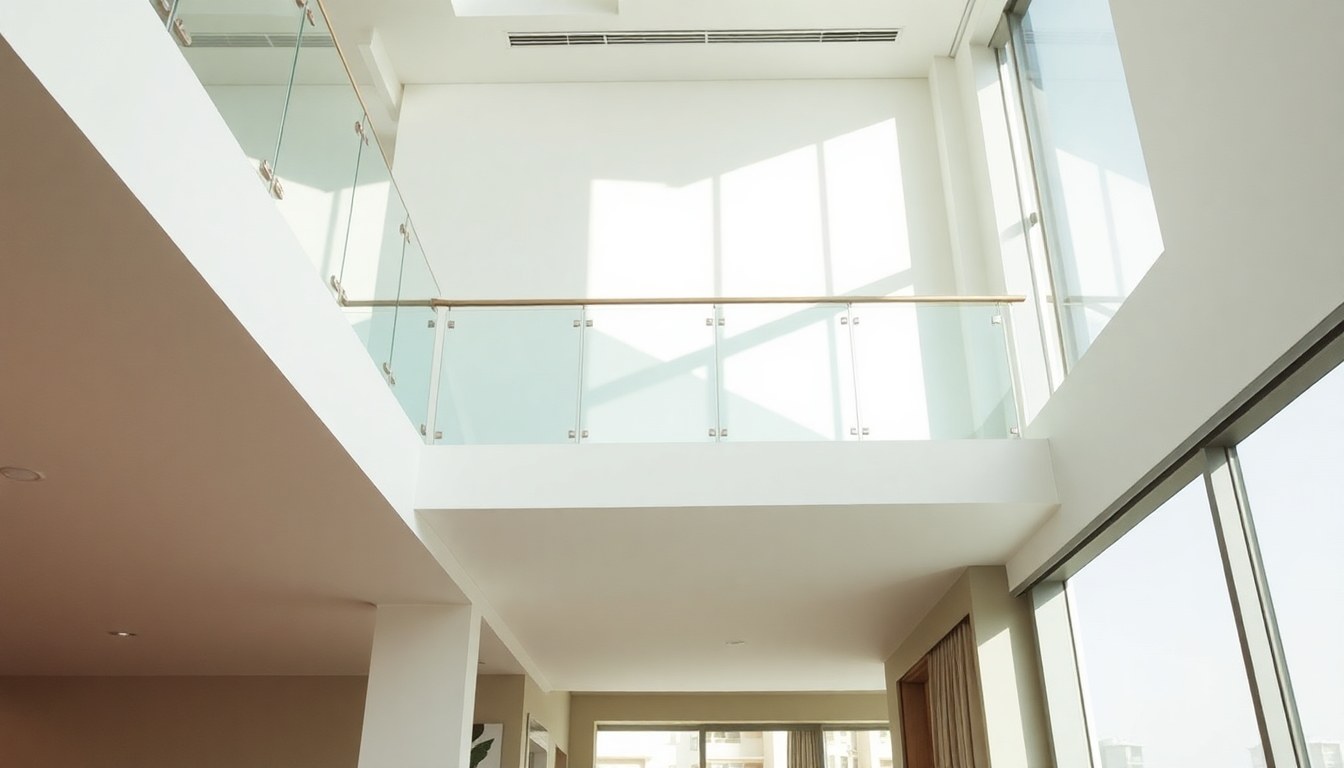
Glass balcony railings have become a popular choice for modern Indian homes, offering unobstructed views while maintaining structural safety. However, selecting and installing the right glass railing requires understanding load-bearing capacity, thickness specifications, and compliance with Indian building codes. This guide walks you through the technical standards and practical considerations to ensure your balcony railing is both safe and compliant.
Understanding Load-Bearing Capacity in Glass Railings
Load-bearing capacity refers to the maximum force a glass railing can withstand without breaking or deforming. For balcony railings, this capacity is measured in terms of horizontal and vertical loads that simulate real-world pressure from people leaning against, falling into, or pushing on the railing. Indian building codes, particularly the National Building Code (NBC), mandate minimum load-bearing standards to prevent accidents and injuries.
The horizontal load capacity for residential balcony railings typically ranges from 1.5 kN to 2.0 kN (approximately 150 to 200 kg-force per linear meter). This means the railing must resist a concentrated horizontal force without cracking or failing. Vertical loads, which account for weight distribution across the railing, are equally important and must meet specified safety factors. The actual capacity depends on glass thickness, frame material, installation method, and the type of glass used.
Factors Affecting Load-Bearing Capacity
- Glass thickness: Thicker glass panels distribute loads more effectively and resist bending and breakage.
- Frame material: Stainless steel, aluminum, and mild steel frames provide different strength-to-weight ratios and corrosion resistance.
- Installation method: Proper anchoring to structural elements and use of appropriate fasteners significantly impact overall safety.
- Glass type: Tempered glass, laminated glass, and toughened glass offer varying levels of impact resistance and post-breakage safety.
- Railing height and span: Longer spans between support points reduce capacity, requiring thicker glass or closer spacing.
Glass Thickness Requirements for Balcony Railings
Glass thickness is one of the most critical specifications for balcony railings. The Indian Standard IS 6262 and the National Building Code provide clear guidelines on minimum thickness based on railing height, span length, and load requirements. For most residential balcony applications, the minimum recommended thickness is 12 mm for tempered glass, though 10 mm tempered glass may be acceptable for shorter spans in some cases.
For frameless glass railings—where the glass panel stands without a visible frame—thickness requirements are more stringent. A minimum of 12 mm to 19 mm tempered or laminated glass is typically required to ensure adequate load-bearing capacity and safety. Framed railings, where glass panels are supported by aluminum or steel frames, can sometimes use slightly thinner glass (10 mm) because the frame distributes loads more effectively.
Thickness Guidelines by Application
- Standard framed railings: 10 mm to 12 mm tempered glass with aluminum or steel frames.
- Frameless glass railings: 12 mm to 19 mm tempered or laminated glass for structural integrity.
- High-traffic balconies: 12 mm to 15 mm tempered glass minimum, with reinforced frames.
- Corner and curved sections: 12 mm to 15 mm tempered glass to handle concentrated loads.
- Balconies with strong wind exposure: 12 mm to 19 mm tempered glass with robust frame anchoring.
Safety Certifications and Compliance Standards
In India, glass balcony railings must comply with the National Building Code (NBC 2016) and relevant Indian Standards to ensure occupant safety and structural integrity. The primary standard is IS 6262, which specifies requirements for safety glass and glazing in buildings. Additionally, IS 4099 covers safety requirements for glazing in buildings, including impact resistance and post-breakage behavior.
When selecting glass for your balcony railing, verify that the manufacturer provides certification from recognized testing laboratories such as CSIR-CBRI (Central Building Research Institute) or equivalent. Tempered glass must be certified to withstand thermal and impact stresses, while laminated glass must demonstrate adequate strength and adhesion of the interlayer. Many suppliers in metros like Delhi, Mumbai, Bangalore, and Chennai now offer certified glass with proper documentation, making compliance easier for homeowners.
Key Certifications to Look For
- IS 6262 certification: Ensures glass meets Indian safety standards for buildings.
- Tempered glass certification: Confirms the glass has undergone proper heat treatment and meets strength requirements.
- Laminated glass certification: Verifies that the interlayer meets adhesion and safety requirements.
- Third-party testing reports: Independent lab reports confirming load-bearing capacity and impact resistance.
- BIS mark: Bureau of Indian Standards mark indicates compliance with national standards.
Frameless vs. Framed Glass Railings: Specifications and Trade-offs
Frameless glass railings offer a sleek, modern aesthetic that maximizes views and minimizes visual obstruction. However, they require thicker glass panels (typically 12 mm to 19 mm tempered or laminated) and precise installation with heavy-duty stainless steel or aluminum patch fittings at connection points. The absence of a visible frame means all structural loads are borne directly by the glass, necessitating higher-grade materials and more rigorous quality control during manufacturing and installation.
Framed glass railings use visible aluminum or stainless steel frames that support the glass panels, allowing the use of slightly thinner glass (10 mm to 12 mm). The frame distributes loads more efficiently and provides a secondary safety barrier if the glass breaks. Framed systems are generally more affordable, easier to install, and require less specialized expertise. They also offer better weather sealing and can accommodate thermal expansion more effectively over time.
Comparison: Frameless vs. Framed Systems
| Aspect | Frameless | Framed |
|---|---|---|
| Glass thickness | 12–19 mm | 10–12 mm |
| Aesthetic appeal | High (unobstructed views) | Moderate (visible frame) |
| Installation complexity | High (specialized fittings) | Moderate (standard fastening) |
| Cost | ₹2,500–₹4,500 per sq. m | ₹1,500–₹2,500 per sq. m |
| Maintenance | Low (minimal crevices) | Moderate (frame cleaning) |
| Weather sealing | Requires silicone sealant | Built-in frame gaskets |
Installation Standards and Best Practices
Proper installation is as important as selecting the right glass and frame materials. The installation process must follow the guidelines outlined in IS 6262 and the manufacturer's specifications. All structural connections must be made to load-bearing elements of the building, such as concrete columns, beams, or reinforced floor slabs. Inadequate anchoring is a common cause of railing failure and safety hazards.
The installation should include proper expansion joints to accommodate thermal movement, especially in climates with significant temperature variations. Silicone sealants should be used to create weather-tight seals while allowing for minor movement. For frameless systems, stainless steel patch fittings (minimum 316-grade stainless steel for coastal areas) should be used to prevent corrosion. All fasteners must be corrosion-resistant and appropriately sized for the loads being transferred.
Installation Checklist
- Verify that the structural support (floor, beam, or column) can handle the railing loads and has adequate capacity.
- Use corrosion-resistant fasteners (stainless steel or galvanized) appropriate for the climate and environment.
- Install expansion joints at regular intervals (typically every 6 meters) to allow for thermal movement.
- Apply high-quality silicone sealant to all joints and connections for weather protection.
- Ensure minimum railing height of 1.1 meters (or as per local building codes) for residential balconies.
- Conduct load testing or third-party inspection to verify compliance with safety standards.
- Maintain proper drainage at the base of the railing to prevent water accumulation and corrosion.
- Document all installation details, certifications, and maintenance recommendations for future reference.
Common Installation Mistakes and How to Avoid Them
One of the most frequent mistakes is anchoring the railing to non-structural elements like drywall, plaster, or lightweight partitions. Glass railings must be anchored directly to the building's primary structural system. Another common error is using inadequate fasteners or spacing them too far apart, reducing the load distribution and increasing stress on individual connection points.
Improper sealant application can lead to water infiltration, which causes corrosion of metal frames and fasteners over time. Many installers also overlook thermal expansion requirements, resulting in cracked glass or misaligned panels during temperature fluctuations. To avoid these issues, hire experienced installers who have completed projects in your area and can provide references. Always request a site inspection before installation to assess structural capacity and environmental conditions.
Frequently Asked Questions
What is the minimum glass thickness for balcony railings in India?
The minimum recommended thickness for balcony railings is 10 mm to 12 mm tempered glass for framed systems, and 12 mm to 19 mm for frameless systems. The exact requirement depends on the railing span, height, and local building code specifications. Always verify requirements with your local municipal corporation or building department before purchasing materials.
How much horizontal load should a balcony railing withstand?
According to the National Building Code and IS 6262, residential balcony railings should withstand a minimum horizontal load of 1.5 kN to 2.0 kN (approximately 150 to 200 kg-force per linear meter). This load simulates the force of a person leaning or falling against the railing. High-traffic or commercial balconies may have higher load requirements.
Is tempered glass or laminated glass better for balcony railings?
Both are suitable, but they serve different purposes. Tempered glass is stronger and more impact-resistant, making it ideal for high-traffic areas and frameless systems. Laminated glass provides better sound insulation and safety after breakage (the interlayer holds fragments together), making it preferable for balconies near busy roads or in areas with extreme weather. Many installations use tempered glass for the main panels and laminated glass for areas with higher risk of impact.
Can frameless glass railings be installed on older buildings?
Frameless systems can be installed on older buildings, but a structural assessment is essential first. The building's concrete, beams, and columns must have adequate capacity to handle the concentrated loads from patch fittings. If the structural elements are weak or deteriorated, reinforcement may be necessary, increasing costs. Framed systems are often a safer and more economical choice for older buildings.
How often should glass balcony railings be maintained?
Glass railings require minimal maintenance but should be inspected annually for signs of corrosion, silicone degradation, or glass damage. Clean the glass and frames regularly with mild soap and water to prevent salt and dust buildup (especially important in coastal areas). Check fasteners and sealants every 2 to 3 years and replace any damaged components promptly to ensure long-term safety and durability.
Glass balcony railings are a smart investment for modern homes when installed to proper safety standards and specifications. Whether you choose frameless or framed systems, understanding load-bearing capacity, glass thickness requirements, and compliance certifications ensures your railing is both safe and compliant with Indian building codes. For expert guidance on selecting and installing the right glass railing for your balcony, explore the trusted suppliers and manufacturers listed on glassy.in, India's largest glass-business directory.