
Buying Guides
Frosted Glass vs Tinted Glass for Privacy: Which Works Best for Your Space?
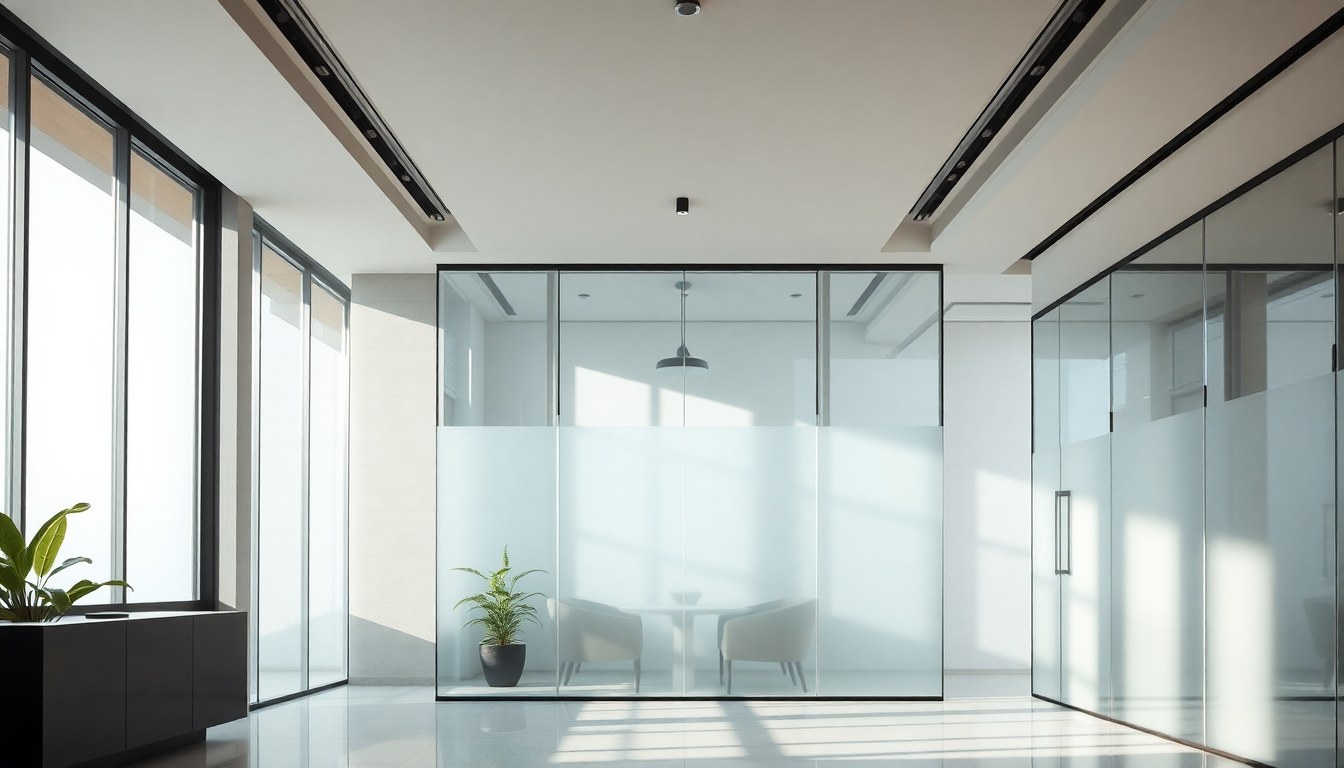
Privacy is a top priority for homes and offices across India, and the right glass solution can make all the difference. Frosted and tinted glass are two popular choices that offer privacy without blocking light entirely, but they work in fundamentally different ways. This guide breaks down the key differences to help you choose the best option for your specific needs.
Understanding Frosted Glass
Frosted glass is created by sandblasting or acid-etching the surface of clear glass, giving it a translucent, milky appearance. This process scatters light as it passes through, making it impossible to see clearly through the glass while still allowing diffused light to enter the space. The frosted effect is permanent and uniform across the surface.
Frosted glass works exceptionally well for bathroom windows, office partitions, and interior glass doors where you want maximum privacy without installing heavy curtains or blinds. The aesthetic appeal is modern and minimalist, fitting seamlessly into contemporary and traditional interiors alike. Many homeowners in metro cities like Delhi, Bangalore, and Mumbai prefer frosted glass for its elegant appearance and practical privacy benefits.
Advantages of Frosted Glass
- Complete privacy: Obscures vision completely while maintaining light diffusion
- Aesthetic appeal: Adds a sophisticated, modern look to any space
- Permanent solution: The frosting doesn't wear off or fade over time
- No heat reduction: Doesn't significantly reduce natural light transmission
- Versatile design: Can be customized with patterns or logos
Disadvantages of Frosted Glass
- Cannot be reversed: The frosting is permanent and cannot be removed
- Fingerprint visibility: Smudges and fingerprints are more visible on frosted surfaces
- Higher initial cost: Frosting adds to the glass price compared to plain glass
- Difficult to clean: The textured surface requires more effort to maintain
Understanding Tinted Glass
Tinted glass is manufactured by adding color pigments or metallic oxides to the molten glass during production. The tint can range from light to dark, with common colors including gray, bronze, blue, and green. Unlike frosted glass, tinted glass maintains clarity while reducing light transmission and heat gain—a property particularly valuable in India's hot climate.
Tinted glass provides privacy by limiting visibility from outside while still allowing occupants inside to see out clearly. This one-way vision effect is especially useful for ground-floor apartments, office buildings, and storefronts in bustling Indian cities. The glass also reduces glare and solar heat, making it an energy-efficient choice for commercial and residential applications.
Advantages of Tinted Glass
- Heat and UV reduction: Blocks up to 50-70% of solar heat and harmful UV rays
- One-way privacy: Occupants can see outside while outsiders cannot see in clearly
- Energy efficiency: Reduces air-conditioning costs in hot climates
- Easy maintenance: Smooth surface is simple to clean and maintain
- Reversible: Can be replaced if you want a different tint or clear glass
- Glare reduction: Makes screens and interiors more comfortable to view
Disadvantages of Tinted Glass
- Reduced light transmission: Darkens interiors, requiring additional artificial lighting
- Privacy limitations: Someone outside can still see shapes and silhouettes
- Color consistency: May fade slightly over many years of sun exposure
- Not ideal for all spaces: Dark tints can make small rooms feel cramped
Privacy Comparison: Which Offers Better Privacy?
When it comes to absolute privacy, frosted glass is the clear winner. It completely obscures vision in both directions, making it impossible to see shapes, silhouettes, or movement. This makes frosted glass ideal for bathrooms, changing rooms, and sensitive office spaces where complete visual privacy is non-negotiable.
Tinted glass, on the other hand, provides directional privacy. During the day, when light is brighter outside, people indoors cannot see clearly outside, but occupants can see out. At night, with interior lights on, the opposite occurs—people outside can see in more easily. This makes tinted glass suitable for offices and residential spaces where some visual privacy is acceptable, but complete obscurity isn't essential.
If your primary concern is preventing anyone from seeing into your space under any lighting condition, frosted glass is the superior choice. If you want to reduce visibility while maintaining outward views and controlling heat, tinted glass is more practical.
Aesthetics and Design Flexibility
Frosted glass offers exceptional design flexibility. You can customize it with etched patterns, company logos, or decorative designs that enhance your interior aesthetic. Professional glass fabricators like Mittal Fabrication in Yamuna Nagar can create bespoke frosted glass designs tailored to your vision. The soft, diffused appearance creates a contemporary, upscale look that works well in both modern and traditional settings.
Tinted glass comes in various colors—gray, bronze, blue, and green—allowing you to match your building's exterior or interior design scheme. However, the color options are more limited compared to frosted glass customization. Tinted glass suits commercial buildings, modern homes, and spaces where energy efficiency and heat control are design priorities.
For spaces where aesthetics matter significantly, consult with architects who specialize in glass solutions. Dream Homes Architects in Jhajjar can help integrate either option seamlessly into your overall design plan.
Durability and Maintenance
Both frosted and tinted glass are highly durable when properly installed. Frosted glass's durability lies in its permanent nature—the frosting won't peel, fade, or wear away over time. However, maintaining frosted glass requires more effort due to its textured surface. Dust, fingerprints, and water spots are more visible and harder to clean. You'll need microfiber cloths and specialized cleaners to keep it looking pristine.
Tinted glass has a smooth surface that's significantly easier to clean with standard glass cleaners and a squeegee. It requires minimal maintenance and maintains its appearance with routine cleaning. The tint itself won't fade noticeably in Indian climates, though extreme heat exposure over decades might cause minimal color change.
For high-traffic areas and commercial spaces, tinted glass wins on maintenance. For residential applications where you can dedicate time to proper cleaning, frosted glass's aesthetic appeal often justifies the extra effort.
Light Transmission and Energy Efficiency
Frosted glass maintains excellent light transmission—typically 80-90% of natural light passes through, though it's diffused rather than direct. This makes spaces feel bright and open without harsh shadows or glare. If maintaining natural light is crucial for your space, frosted glass is the better choice.
Tinted glass reduces light transmission significantly, typically blocking 40-70% of visible light depending on the tint darkness. This reduction means interiors will be noticeably darker, requiring supplementary artificial lighting during daytime hours. However, this light reduction also means superior heat control—tinted glass can reduce cooling costs by 15-25% in hot climates like Delhi, Mumbai, and Bangalore.
Choose frosted glass for spaces where natural light is a priority. Choose tinted glass for energy efficiency and heat reduction, especially in south-facing windows or warm climates.
Cost Comparison
Pricing varies across India depending on glass quality, thickness, and local market rates. Generally, frosted glass costs ₹150-400 per square foot for standard frosting, with custom designs costing ₹250-600+ per square foot. The frosting process adds to the base glass cost, and customization increases the price further.
Tinted glass typically costs ₹120-350 per square foot depending on tint intensity and glass thickness. Standard tinted glass is often cheaper than frosted glass, making it budget-friendly for large installations. However, premium tinted glass with better UV protection can cost more.
Installation costs are similar for both, though frosted glass requires careful handling to avoid damaging the etched surface. For large-scale projects, consult fabricators like Khurana Interior and Exterior Hub in Yamuna Nagar for competitive pricing and quality assurance.
Which Should You Choose?
Choose frosted glass if:
- You need complete privacy in both directions
- Aesthetics and design customization matter
- You want to maximize natural light
- The space is a bathroom, changing room, or sensitive office area
- You're willing to invest in proper maintenance
Choose tinted glass if:
- You want directional privacy with outward visibility
- Heat reduction and energy efficiency are priorities
- You prefer low-maintenance solutions
- The space is a commercial building, ground-floor apartment, or sunny room
- You're working with a tighter budget
- You live in a hot climate and want to reduce cooling costs
Frequently Asked Questions
Can I apply frosting to existing glass?
Yes, you can apply frosting to existing clear glass through sandblasting or acid-etching. However, this requires professional installation and can be expensive. Replacing the glass entirely is often more cost-effective than retrofitting existing panes. Always consult a glass professional before attempting any modifications.
Does tinted glass provide privacy at night?
Tinted glass privacy depends on lighting conditions. During the day, it provides good privacy from outside. At night, with interior lights on, people outside can see inside more easily because the interior is brighter than the exterior. For complete night privacy, combine tinted glass with curtains or blinds.
Which option is better for bathrooms?
Frosted glass is ideal for bathrooms because it provides complete privacy while allowing natural light. It's moisture-resistant when properly sealed and creates a spa-like aesthetic. Tinted glass in bathrooms offers only partial privacy and can make the space feel darker.
Is tinted glass better for air-conditioning costs?
Yes, tinted glass significantly reduces heat gain, especially in south and west-facing windows. Studies show tinted glass can reduce cooling costs by 15-25% depending on climate and tint intensity. In hot Indian cities, this translates to substantial long-term savings.
Can frosted glass be customized with designs?
Absolutely. Frosted glass can be customized with etched patterns, logos, company names, or decorative designs. This customization is done during the frosting process and can transform plain glass into a design feature. Costs vary based on complexity and design intricacy.
Make Your Choice with Confidence
Both frosted and tinted glass offer distinct advantages depending on your priorities. Frosted glass excels in privacy and aesthetics, while tinted glass leads in energy efficiency and ease of maintenance. Assess your space's lighting, privacy needs, climate, and budget before deciding. Whether you choose frosted or tinted glass, working with experienced glass professionals ensures quality installation and long-term satisfaction. Explore verified glass businesses and architects on glassy.in to find trusted suppliers and fabricators near you who can help bring your vision to life.