
Buying Guides
Frosted Glass vs Etched Glass: Which Privacy Solution Works Best for Your Home?
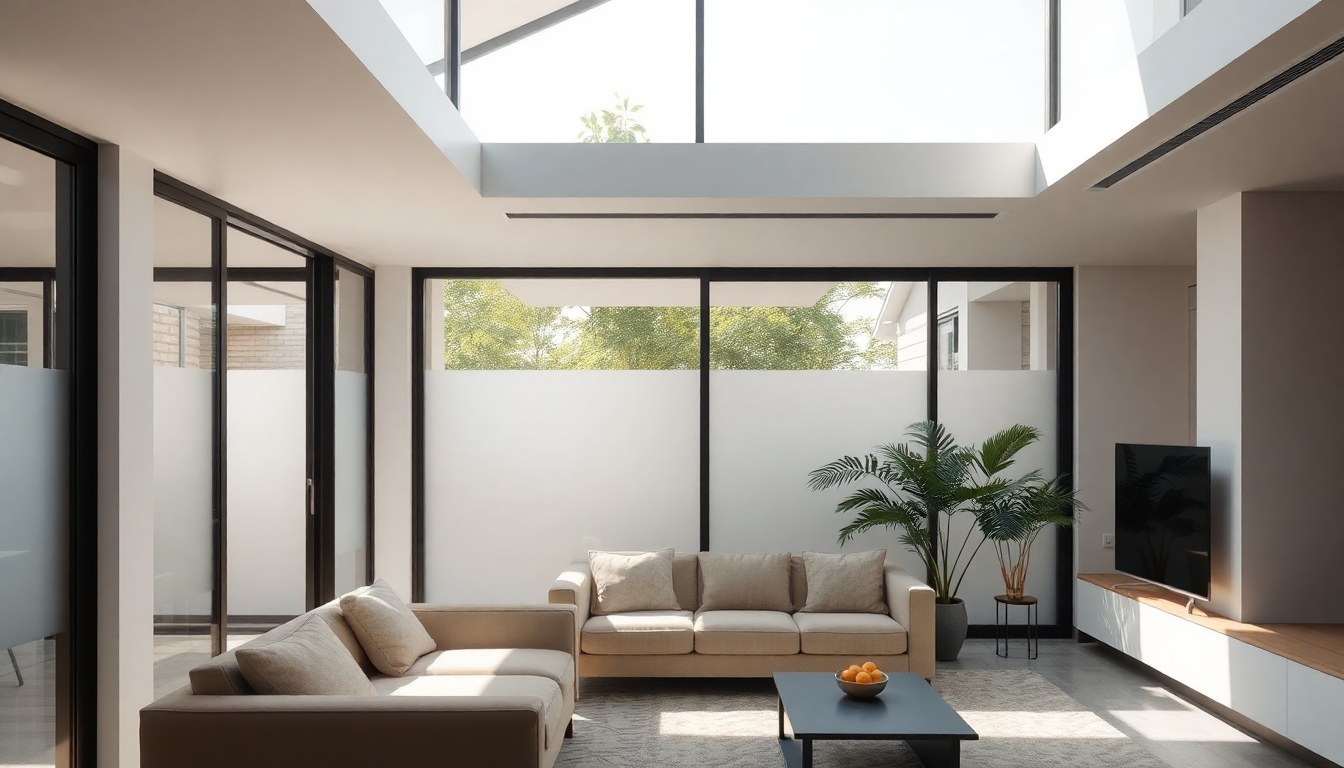
When you need privacy without sacrificing light, frosted and etched glass are two popular choices—but they're not the same. Each finish offers distinct advantages in durability, maintenance, and cost, making the right choice dependent on where you install it and how much wear it will face. This guide breaks down the real differences so you can decide which privacy solution is best for your bathroom, bedroom, or office cabin.
What Is Frosted Glass and How Does It Work?
Frosted glass is created by sandblasting or acid-etching the surface of clear glass to scatter light and obscure vision. The process removes the glass's glossy finish, leaving a smooth, matte appearance that diffuses light evenly while preventing people from seeing through it. This technique has been used for decades in homes and commercial spaces across India because it's affordable and effective.
The frosted effect works by creating microscopic pits across the glass surface. These pits break up light rays, so instead of passing straight through (as with clear glass), light bounces in different directions. From one side, you'll see a hazy, white appearance; from the other, the same effect applies. This makes frosted glass ideal for bathroom windows, shower enclosures, and office partitions where you want natural light without visibility.
Understanding Etched Glass and Its Variations
Etched glass is a broader category that includes several techniques—acid-etching, sandblasting, and chemical etching. While the terms are sometimes used interchangeably with frosted glass, etched glass typically refers to a more decorative or deeper treatment that can include patterns, designs, or text. The etching process removes layers of glass to create visual interest while also providing privacy.
Types of Glass Etching Techniques
- Acid-etched glass: Uses hydrofluoric acid to create a smooth, uniform matte finish. It's gentler than sandblasting and produces a refined look.
- Sandblasted glass: Uses high-pressure sand particles to roughen the surface. It creates a more textured, frosted appearance and is highly durable.
- Chemical etching: A controlled process that allows for precise patterns and designs while maintaining structural integrity.
Etched glass often has more depth and character than simple frosted glass. You can customize designs, add company logos, or create decorative borders—making it popular in high-end homes and corporate offices across Delhi, Mumbai, and Bangalore.
Frosted Glass vs Etched Glass: Key Differences
Appearance and Aesthetics
Frosted glass has a uniform, soft, hazy appearance that looks clean and modern. It's subtle and works well in minimalist or contemporary interiors. Etched glass, by contrast, can range from simple and uniform to highly decorative with intricate patterns, text, or designs. If you want visual interest and customization, etched glass wins. If you prefer understated simplicity, frosted glass is your choice.
Durability and Longevity
Sandblasted etched glass is generally more durable than acid-etched or standard frosted glass. The sandblasting process creates a deeper, more permanent surface treatment that resists wear and doesn't degrade as quickly. Acid-etched glass is more delicate and can show wear over time, especially in high-traffic or wet areas. Frosted glass falls in the middle—it's durable but can become scratched or marked with repeated contact.
In Indian bathrooms with high humidity, sandblasted etched glass performs better because the deeper etching doesn't deteriorate as quickly when exposed to moisture and temperature fluctuations. Frosted glass, especially if acid-etched, may develop a slightly glossy appearance in spots after years of exposure.
Maintenance and Cleaning
This is where frosted glass has a significant advantage. Its smooth matte finish is easier to clean—you can simply wipe it down with a damp cloth and mild soap. Water spots and dust are less visible on the frosted surface, so it requires less frequent cleaning.
Etched glass, particularly sandblasted varieties, has texture that traps dirt, dust, and water droplets in the grooves. Cleaning requires more effort: you'll need a soft brush or cloth to reach into the textured areas, and you may need specialized glass cleaners to prevent streaking. In bathrooms, soap scum and mineral deposits accumulate faster in etched surfaces.
Cost Comparison: Frosted vs Etched Glass
Frosted glass is the more economical choice. A standard frosted glass panel for a bathroom window or shower enclosure typically costs ₹800 to ₹2,500 per square meter, depending on thickness and quality. Installation adds another ₹500 to ₹1,500 per square meter.
Etched glass is more expensive because of the additional labor and customization involved. Basic etched glass starts around ₹1,500 per square meter, but decorative or custom-designed etched glass can range from ₹3,000 to ₹8,000 or more per square meter. If you're adding intricate patterns or logos, expect higher costs. In cities like Pune and Hyderabad, prices vary based on local glass suppliers and labor availability.
For budget-conscious homeowners, frosted glass offers excellent value. For those willing to invest in aesthetics and durability, etched glass—especially sandblasted—justifies the premium.
Best Applications: Where to Use Each Type
Frosted Glass: Ideal Uses
- Bathroom windows: Provides privacy while allowing natural light. Easy to clean and maintain.
- Shower enclosures: Affordable option for privacy in wet environments, though requires regular maintenance.
- Bedroom windows: Creates privacy without blocking daylight entirely.
- Office cabin partitions: Cost-effective way to separate workspaces while maintaining visual connection and light flow.
- Kitchen cabinets: Frosted glass doors hide clutter while keeping the kitchen feeling open.
Etched Glass: Ideal Uses
- Entrance doors: Custom etching with company names or house numbers adds elegance and brand identity.
- High-end bathrooms: Decorative etching elevates the bathroom's aesthetic while providing privacy.
- Office lobbies: Professional etched designs create a polished, sophisticated impression.
- Bedroom doors: Personalized etching adds character and style.
- Decorative room dividers: Etched patterns create visual interest while maintaining privacy.
Durability, Maintenance, and Long-Term Performance
Over a 5-10 year period, sandblasted etched glass outperforms frosted glass in high-moisture environments. The deeper etching resists degradation from humidity, temperature swings, and repeated cleaning. Frosted glass, especially acid-etched varieties, may begin to show wear—some areas may appear slightly glossy or scratched—after several years of use in bathrooms.
Maintenance costs favor frosted glass in the short term because cleaning is simpler. However, if your etched glass is sandblasted rather than acid-etched, the durability advantage offsets the higher cleaning effort. For bathrooms in Mumbai, Chennai, or Kolkata where humidity is consistently high, investing in sandblasted etched glass reduces the need for replacement or refinishing.
To extend the life of either finish, avoid abrasive scrubbers, harsh chemicals, and excessive moisture pooling. Use microfiber cloths, mild soap, and distilled water when possible. In bathrooms, ensure proper ventilation to minimize prolonged moisture exposure.
Frequently Asked Questions
Can you see through frosted glass at night?
Frosted glass provides privacy during the day because it scatters light effectively. At night, if there's bright artificial light on one side, silhouettes may be visible from the other side. For complete privacy at night, consider adding a roller blind or curtain, or opt for a darker tint or thicker frosted glass.
Is etched glass more expensive than frosted glass?
Yes, etched glass typically costs 50-200% more than frosted glass. Basic etched glass starts around ₹1,500 per square meter, while frosted glass costs ₹800-₹2,500. Custom designs and sandblasted etching push prices higher. The premium reflects the additional labor, customization, and superior durability of etched finishes.
Which is easier to clean: frosted or etched glass?
Frosted glass is easier to clean. Its smooth matte surface requires only a damp cloth and mild soap. Etched glass, especially sandblasted varieties, has texture that traps dust and soap scum, requiring a soft brush and more effort to clean thoroughly.
How long does frosted glass last?
Frosted glass typically lasts 7-15 years in residential bathrooms before showing visible wear like scratching or slight glossiness in spots. In lower-moisture areas like bedrooms or offices, it can last 15+ years. Sandblasted etched glass lasts longer—often 15-25 years—because the treatment is deeper and more durable.
Can I apply frosting or etching to existing glass?
Yes. Frosting can be applied to existing glass using sandblasting or acid-etching services. Etching can also be added to installed glass. However, the cost may be similar to replacing the glass entirely, so it's worth comparing quotes from local glass services in your city. Some finishes are temporary (frosting film), while others are permanent.
Make Your Choice with Confidence
Frosted glass and etched glass both solve privacy challenges, but they serve different needs. Choose frosted glass if you want affordability, easy maintenance, and a clean, modern look. Choose etched glass—particularly sandblasted—if you value durability, customization, and aesthetic appeal, and don't mind the higher cost and maintenance effort.
Ready to upgrade your bathroom, bedroom, or office with the right glass finish? Browse verified glass suppliers and manufacturers in your city on glassy.in, India's largest glass-business directory. Compare quotes, read reviews, and connect with experts who can help you choose and install the perfect privacy solution for your home.