
Glass Partitions
Frosted Glass vs Acid-Etched Glass for Office Privacy: Which Lasts Longer?
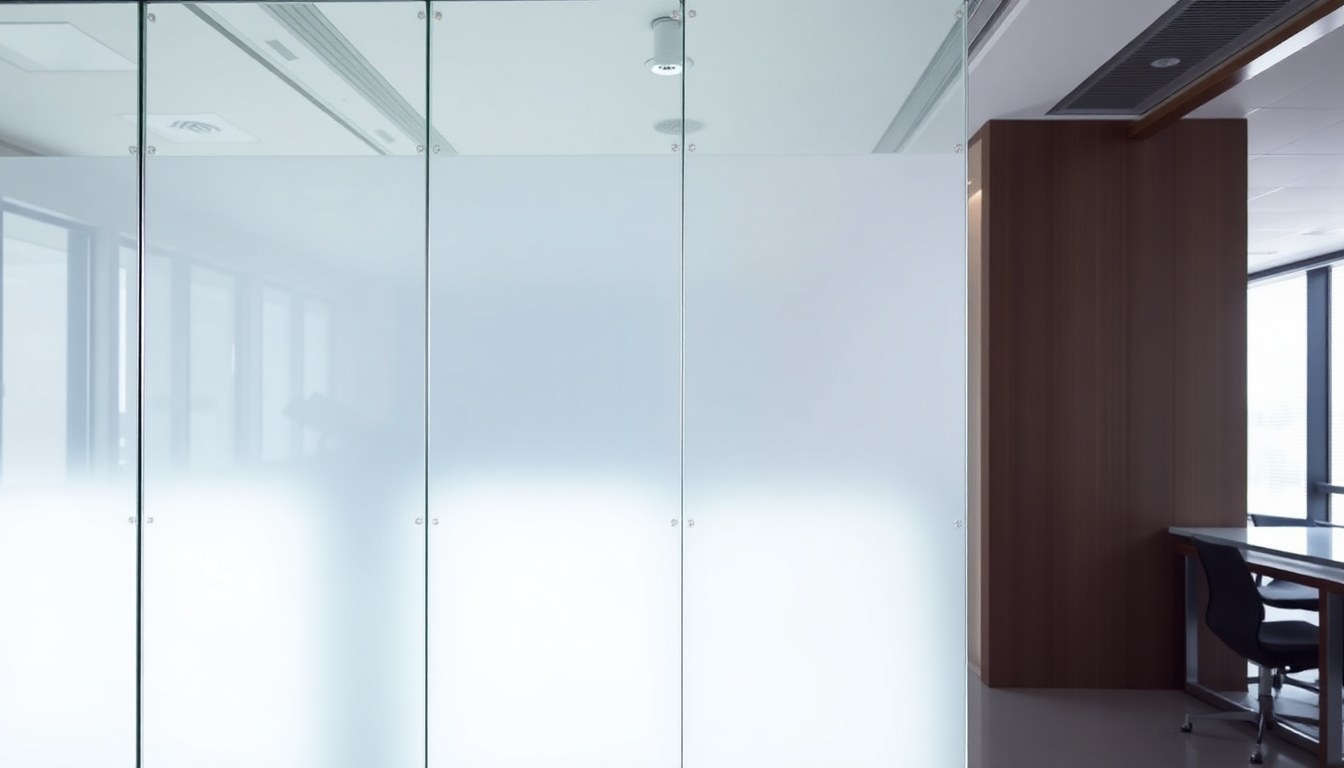
When designing modern office spaces, frosted and acid-etched glass have become the go-to solutions for creating privacy without sacrificing natural light. Both finishes obscure vision while maintaining an elegant, professional appearance, but they differ significantly in durability, maintenance requirements, and long-term cost implications. Understanding these differences will help you select the finish that delivers the best value and performance for your office partitions.
Understanding the Basics: What Are Frosted and Acid-Etched Glass?
Frosted glass is created by sandblasting or acid-treating the surface of glass to scatter light and obscure visibility. The sandblasting process uses fine abrasive particles propelled at high speed to create a uniform, milky-white appearance. This mechanical process results in a textured surface that feels slightly rough to the touch, giving the glass a distinctive matte finish.
Acid-etched glass, by contrast, involves applying hydrofluoric acid or similar chemical compounds to the glass surface. This chemical process dissolves the glass surface at a microscopic level, creating a frosted appearance without the mechanical impact of sandblasting. The result is a smoother surface with a similar visual effect to frosted glass but achieved through a different manufacturing method.
Both finishes serve the same primary purpose—providing privacy while allowing light transmission—but the manufacturing differences create distinct advantages and disadvantages in real-world office environments.
Durability Comparison: Which Finish Stands the Test of Time?
Surface Integrity and Wear Resistance
Frosted glass created through sandblasting tends to be more durable in high-traffic office environments. The mechanical process creates a relatively stable surface that resists degradation from regular use. However, the textured nature of sandblasted frosted glass can trap dust and fingerprints more easily, requiring more frequent cleaning to maintain its appearance.
Acid-etched glass offers superior surface consistency and longevity. The chemical etching process creates a more uniform finish that doesn't degrade as quickly from handling, cleaning, or environmental exposure. Studies in the glass industry indicate that acid-etched surfaces maintain their clarity and appearance for longer periods without visible wear patterns.
Resistance to Degradation
Over time, frosted glass can develop visible wear marks in areas of frequent contact, such as near door handles or where employees regularly place their hands. These marks become increasingly noticeable as dust and oils accumulate in the textured surface, making the glass appear aged even when relatively new.
Acid-etched glass resists these contact marks more effectively because its smoother surface doesn't trap contaminants as readily. This advantage becomes particularly valuable in busy office environments where glass partitions experience constant interaction. The finish remains consistent and professional-looking for 10-15 years or more with proper maintenance.
Opacity and Light Transmission: Privacy Meets Functionality
Both frosted and acid-etched glass provide comparable levels of privacy, typically obscuring vision at distances greater than one meter while allowing sufficient light transmission for natural illumination. The opacity level depends on the intensity of the treatment—lighter treatments allow more light while providing less privacy, while heavier treatments do the reverse.
Frosted glass generally offers slightly better light diffusion due to its rougher surface texture, which scatters light more effectively. This can be advantageous in office spaces where you want to maximize natural light while maintaining privacy. However, the scattered light can sometimes create a slightly hazy appearance that some find less aesthetically refined.
Acid-etched glass provides more controlled light transmission with a cleaner visual appearance. The finish creates a more uniform, professional look that appeals to modern office design sensibilities. Many high-end corporate offices prefer acid-etched finishes because they convey a more premium aesthetic while delivering equivalent privacy.
Maintenance and Cleaning: The Hidden Cost Factor
Cleaning Frequency and Difficulty
Frosted glass requires more frequent and labor-intensive cleaning. The textured surface traps dust, fingerprints, and moisture, making the glass appear dirty faster than smooth surfaces. Standard glass cleaners work adequately, but you'll need to use soft cloths or microfiber materials to avoid damaging the frosted surface. Abrasive scrubbing can actually damage the frosted finish, so cleaning must be done gently.
Acid-etched glass cleans more easily and remains cleaner longer between cleaning cycles. The smoother surface doesn't trap dust as effectively, and standard glass cleaning products work well without requiring special techniques. This translates to lower maintenance labor costs over the life of the installation, which can be significant in large office environments with extensive glass partitions.
Long-Term Maintenance Costs
In a typical office with 500+ square meters of glass partitions, the annual cleaning and maintenance costs for frosted glass can be 20-30% higher than acid-etched glass. This difference accumulates substantially over 10-15 years, potentially adding ₹50,000 to ₹100,000+ in additional maintenance expenses for a mid-sized office.
Acid-etched glass also shows fewer signs of aging between professional cleaning sessions, reducing the pressure to maintain frequent cleaning schedules. This advantage makes acid-etched glass particularly valuable for offices where maintaining a pristine appearance is important for client impressions.
Cost Implications: Initial Investment vs. Lifetime Value
Initial Installation Costs
Frosted glass typically costs 5-15% less than acid-etched glass at the point of installation. A typical office partition measuring 10 square meters might cost ₹8,000-₹12,000 for frosted glass versus ₹9,000-₹14,000 for acid-etched glass, depending on your supplier and regional pricing. This initial cost advantage makes frosted glass appealing for budget-conscious projects.
When working with experienced professionals like DezynTrend or LINEAR ARCHITECTS, they can help you evaluate whether the initial savings justify the higher maintenance costs over time.
Total Cost of Ownership
When calculating total cost of ownership over 15 years, acid-etched glass often proves more economical despite higher initial costs. The reduced maintenance requirements, longer-lasting appearance, and lower cleaning labor costs offset the premium paid upfront. For a mid-sized office, this can result in net savings of ₹30,000-₹70,000 over the partition's lifespan.
The decision ultimately depends on your budget constraints and timeline. If you need to minimize upfront capital expenditure, frosted glass remains viable. If you're planning for long-term value and can absorb higher initial costs, acid-etched glass typically delivers better returns on investment.
Design and Aesthetic Considerations
Modern office design increasingly favors acid-etched glass for its cleaner, more refined appearance. The finish complements contemporary interior design styles and works well with minimalist, industrial, and corporate aesthetic approaches. Frosted glass, while still professional, can appear slightly dated in comparison, particularly in premium office environments.
Acid-etched glass also pairs better with high-end fixtures and finishes commonly found in modern offices. If your office features designer furniture or premium materials, acid-etched partitions will coordinate more seamlessly. For budget offices or industrial spaces, frosted glass remains perfectly acceptable and appropriate.
When planning your office design, consulting with professionals like cube interiors or Yash Home Decor can help ensure your glass partition choice aligns with your overall design vision.
Environmental and Sustainability Factors
Both frosted and acid-etched glass are environmentally similar in their core manufacturing impact. However, the longer lifespan of acid-etched glass means fewer replacements over time, reducing overall environmental burden. If your organization prioritizes sustainability, this extended lifespan represents a meaningful advantage.
The manufacturing process for acid-etching involves chemical handling that requires proper environmental controls, while sandblasting generates dust that must be contained and managed. Most reputable manufacturers handle both processes responsibly, but it's worth confirming your supplier's environmental practices.
Frequently Asked Questions
How long does frosted glass typically last in an office environment?
Frosted glass partitions generally remain functional and acceptable-looking for 8-12 years in typical office environments. After this period, visible wear marks, dust accumulation in the texture, and general aging become noticeable. With excellent maintenance, some frosted installations last 15 years, but performance degrades noticeably after 10 years.
Is acid-etched glass more expensive to install than frosted glass?
Yes, acid-etched glass typically costs 5-15% more at installation due to the specialized chemical etching process required. However, when you factor in lower maintenance costs over 10-15 years, acid-etched glass often provides better overall value despite the higher initial investment.
Can you repair or refinish frosted or acid-etched glass if it becomes damaged?
Minor surface damage to frosted glass can sometimes be refinished by re-sandblasting the affected area, though matching the original finish can be challenging. Acid-etched glass is more difficult to repair—damage typically requires panel replacement rather than refinishing. Both options are expensive, making scratch and impact resistance important considerations during installation.
Which finish provides better privacy: frosted or acid-etched glass?
Both finishes provide essentially equivalent privacy when applied at similar intensities. The choice should be based on durability, maintenance, and aesthetic preferences rather than privacy performance. If you need maximum privacy, both can be applied more heavily, though this reduces light transmission.
Do frosted and acid-etched glass require different cleaning products?
Both can be cleaned with standard glass cleaners, but frosted glass requires gentler handling to avoid damaging the textured surface. Acid-etched glass tolerates more vigorous cleaning without damage. For frosted glass, always use soft cloths and avoid abrasive scrubbing materials.
Making Your Decision
Choosing between frosted and acid-etched glass depends on balancing initial cost against long-term maintenance and durability. Frosted glass offers lower upfront costs but demands more frequent cleaning and shows wear more quickly. Acid-etched glass costs more initially but delivers superior longevity, easier maintenance, and a more refined aesthetic that aligns with modern office design.
For most office environments where glass partitions will remain in place for 10+ years, acid-etched glass represents the better investment. However, if budget constraints are paramount or you plan to refresh your office design within 8-10 years, frosted glass remains a viable option.
Ready to explore glass partition options for your office? Browse the glass businesses listed on glassy.in to connect with experienced suppliers and designers who can help you select the perfect finish for your workspace. Whether you choose frosted or acid-etched glass, working with qualified professionals ensures proper installation and long-lasting results.