
Glass Partitions
Fluted Glass Partitions vs Frosted: Which Hides Better in Bathrooms?
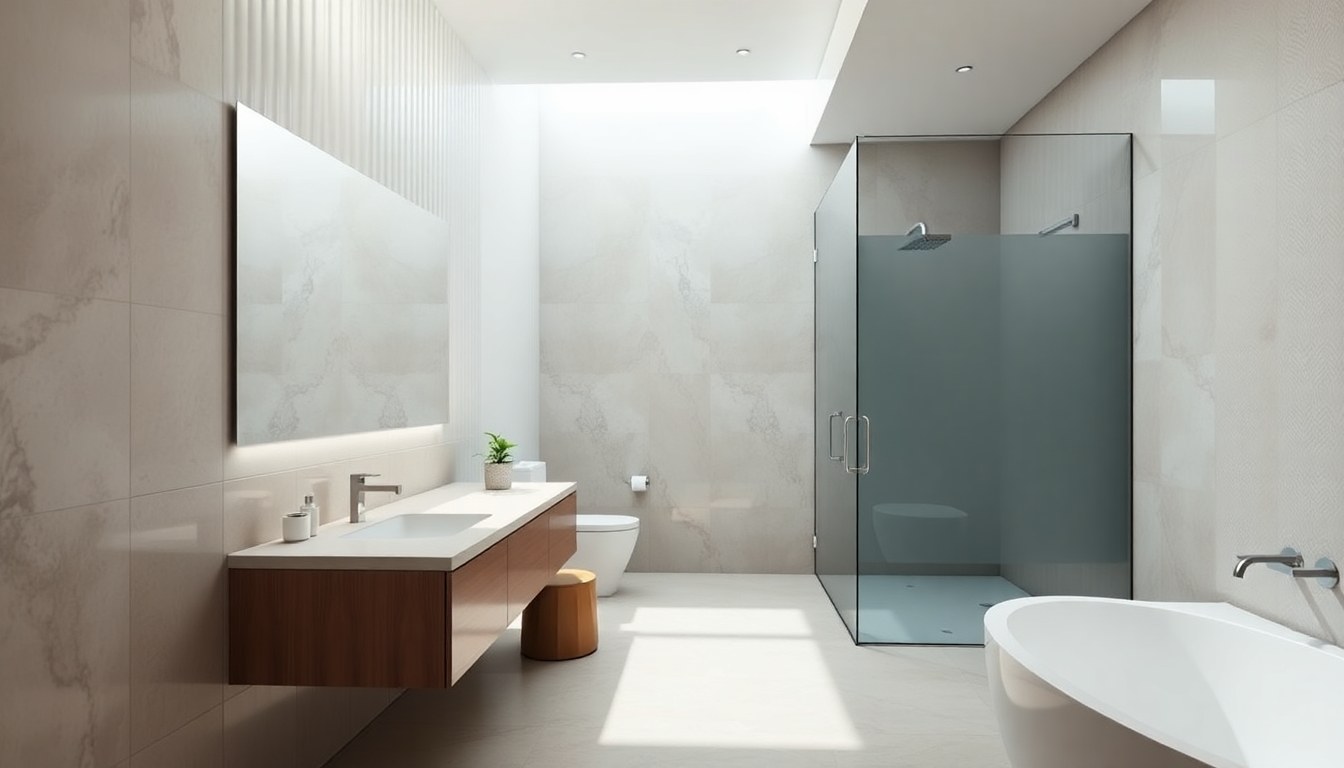
When designing a modern bathroom, glass partitions have become the go-to choice for shower enclosures and privacy screens—but the finish you select makes all the difference. Fluted and frosted glass both obscure visibility while maintaining an open, spacious feel, yet they perform differently in privacy, light diffusion, and upkeep. This guide breaks down the real differences so you can choose the right finish for your bathroom needs.
Understanding Fluted Glass Partitions
Fluted glass, also called reeded glass, features parallel vertical or horizontal grooves etched into its surface. These ridges create a linear pattern that distorts the view while allowing light to pass through. The grooves typically range from 2mm to 5mm in depth and spacing, creating a textured appearance that's both functional and aesthetically appealing.
The reeded pattern works by bending light rays as they pass through the grooves, making it difficult for someone outside the partition to see a clear silhouette or fine details. However, the level of obscuration depends on the groove depth and the distance from which someone is viewing. Fluted glass has gained popularity in Indian bathrooms, particularly in metropolitan areas like Mumbai, Bangalore, and Delhi, where contemporary interior design is highly valued.
Privacy Performance of Fluted Glass
Fluted glass offers moderate to good privacy depending on the groove specifications. Standard 4mm fluted glass obscures most body details and facial features, making it suitable for most residential bathrooms. However, if someone presses their face close to the glass, they may discern general shapes and movements. For maximum privacy, deeper or more densely spaced grooves provide better obscuration.
Understanding Frosted Glass Partitions
Frosted glass is created by sandblasting or acid-etching the glass surface, resulting in a uniform, milky-white appearance. Unlike fluted glass, frosted finishes have no directional pattern—the entire surface is evenly textured at the microscopic level. This creates a diffused, frosted look that completely obscures vision from both sides.
Frosted glass has been a bathroom staple for decades because it delivers consistent, reliable privacy. The sandblasted or etched surface scatters light in all directions, preventing anyone from seeing through the glass regardless of angle or distance. In India, frosted glass remains the most commonly specified finish for bathroom enclosures in both residential and commercial settings.
Privacy Performance of Frosted Glass
Frosted glass provides excellent privacy in virtually all situations. The uniform texture prevents any clear view of shapes, details, or movements from either side. This makes it ideal for bathrooms where maximum privacy is non-negotiable, especially in multi-story residential buildings or shared spaces. The privacy level remains consistent regardless of lighting conditions or viewing angle.
Light Diffusion: Which Finish Performs Better?
Light handling is a critical consideration in bathroom design, as proper illumination affects both functionality and ambiance. Fluted and frosted glass behave differently when light passes through them.
Fluted Glass and Light Transmission
Fluted glass allows more light to pass through compared to frosted glass, typically transmitting 70-80% of available light. The grooves direct light in specific directions based on the groove orientation—vertical grooves scatter light horizontally, while horizontal grooves scatter it vertically. This directional diffusion can create subtle shadow patterns inside the shower or bathing area, adding visual interest while maintaining privacy.
The linear pattern of fluted glass can also enhance the sense of height in a bathroom, particularly when grooves run vertically. This makes fluted glass an excellent choice for smaller bathrooms where maximizing perceived space is important.
Frosted Glass and Light Transmission
Frosted glass transmits approximately 50-65% of available light, as the uniform texture scatters light diffusely in all directions. This results in a softer, more even illumination inside the shower area, without directional shadows or patterns. The light diffusion is consistent regardless of the light source's position or angle.
While frosted glass transmits less light overall, the even distribution creates a more uniform, spa-like ambiance that many homeowners prefer. In bathrooms with abundant natural light or good artificial lighting, the difference in light transmission is barely noticeable.
Cleaning and Maintenance: A Practical Comparison
Bathroom glass endures constant exposure to moisture, soap residue, hard water deposits, and body oils. The ease of cleaning directly impacts the long-term appearance and hygiene of your partition.
Cleaning Fluted Glass
The grooves in fluted glass trap water droplets, soap scum, and mineral deposits more readily than smooth surfaces. Cleaning requires extra effort—you'll need to scrub along the grooves with a soft brush or cloth to remove buildup. Hard water deposits can accumulate in the grooves, creating visible white streaks over time.
- Use a squeegee immediately after bathing to remove excess water
- Apply a glass cleaner and scrub grooves gently with a soft brush weekly
- Consider a water-softening treatment if your area has hard water
- Avoid abrasive scrubbers that may scratch the glass
Cleaning Frosted Glass
Frosted glass is easier to maintain than fluted glass because the surface is uniform without grooves to trap debris. Water droplets and soap residue sit on the surface and can be wiped away quickly. However, frosted glass shows water spots and fingerprints more prominently due to its matte finish.
- Wipe with a squeegee daily to prevent water spot accumulation
- Use a microfiber cloth with a glass cleaner for weekly cleaning
- Water spots are more visible, so regular maintenance is necessary for a pristine appearance
- The surface is less prone to mineral deposit buildup in grooves
Cost Comparison and Availability in India
Both fluted and frosted glass partitions are widely available across India, with pricing varying by thickness, size, and supplier. Fluted glass typically costs 10-15% more than frosted glass due to the specialized manufacturing process required to create precise grooves. A standard 8mm fluted glass partition costs approximately ₹3,500-₹5,500 per square meter, while comparable frosted glass ranges from ₹3,000-₹4,800 per square meter.
Installation costs are similar for both finishes, as they use the same hardware and mounting systems. However, fluted glass may require slightly more careful handling during installation to avoid damaging the grooves. Both finishes are readily available in major Indian cities, with numerous glass suppliers offering customization options for size and thickness.
Which Should You Choose?
Your choice between fluted and frosted glass depends on your specific priorities:
- Choose fluted glass if: You value maximum light transmission, prefer a contemporary aesthetic, have a smaller bathroom where visual space matters, and are willing to invest slightly more in maintenance and cost.
- Choose frosted glass if: Privacy is your top priority, you prefer easier cleaning and maintenance, you want a classic, timeless look, or you're working within a tighter budget.
For bathrooms with excellent natural light and a design-forward approach, fluted glass enhances the modern aesthetic while providing good privacy. For traditional bathrooms, family homes, or situations where maximum privacy and ease of maintenance are paramount, frosted glass remains the superior choice.
Frequently Asked Questions
Does fluted glass really hide better than frosted glass?
No—frosted glass actually provides better privacy than fluted glass. Frosted glass completely obscures vision from all angles and distances, while fluted glass allows silhouettes and general shapes to be visible if someone looks closely. Frosted glass is the better choice if privacy is your primary concern.
Can you see through fluted glass at night with a light behind it?
Yes, fluted glass offers less privacy in high-contrast lighting situations. If a bright light is positioned behind the partition, silhouettes become more visible through the grooves. Frosted glass performs better in these conditions because the uniform texture blocks vision regardless of lighting.
Which glass finish is easier to keep clean in a humid bathroom?
Frosted glass is easier to clean because it has no grooves to trap water droplets, soap scum, or mineral deposits. Fluted glass requires more frequent scrubbing along the grooves, especially in areas with hard water. Daily squeegee use is essential for both finishes to prevent water spots.
Is fluted glass more durable than frosted glass?
Both fluted and frosted glass have similar durability when made from quality materials. Fluted glass's grooves don't make it weaker, but they can be more challenging to repair if damaged. Frosted glass is equally durable and may be slightly easier to repair if minor chips occur.
What's the price difference between fluted and frosted glass in India?
Fluted glass typically costs 10-15% more than frosted glass. Standard pricing ranges from ₹3,500-₹5,500 per square meter for fluted glass and ₹3,000-₹4,800 per square meter for frosted glass, depending on thickness and supplier location.
Ready to upgrade your bathroom with the perfect glass partition? Browse trusted glass suppliers and manufacturers in your area through the glassy.in directory—India's most comprehensive platform for glass products and services. Connect with verified vendors, compare quotes, and find the ideal solution for your bathroom design.