
Glass Partitions
Fluted Glass Partitions vs Frosted: Which Hides Clutter Better?
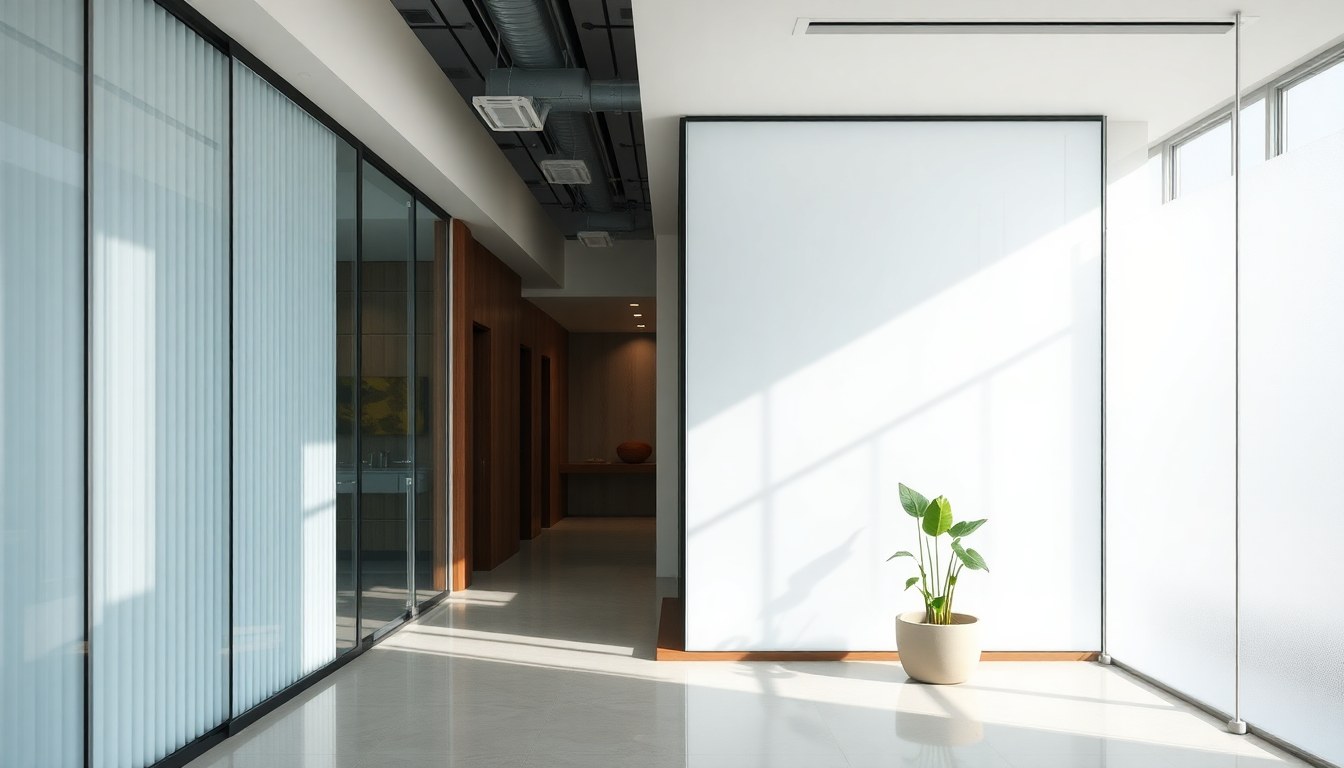
When designing office spaces or home interiors in India, glass partitions offer a modern, space-expanding solution—but the finish you choose dramatically affects both aesthetics and functionality. Fluted (or reeded) glass and frosted glass are the two most popular options, each with distinct advantages for hiding clutter, managing light, and maintaining cleanliness. Understanding the differences between these finishes will help you make the right choice for your specific needs and budget.
What Are Fluted and Frosted Glass Partitions?
Fluted glass features vertical or horizontal ridges that run across the surface, creating a textured, linear pattern. These reeds refract light in multiple directions, offering partial opacity while maintaining a sleek, contemporary appearance. Fluted glass is manufactured by rolling the molten glass over specially designed cylinders or by applying the texture during the tempering process.
Frosted glass, by contrast, has a uniformly smooth, matte surface created through acid-etching, sandblasting, or applying a frosted film. This process removes the glass's transparency entirely, creating a diffused, milky appearance. Frosted finishes are more uniform in their opacity and offer a softer, more refined aesthetic that works well in minimalist and traditional settings alike.
Opacity and Clutter Concealment: The Core Difference
When it comes to hiding clutter, opacity is everything. Frosted glass wins decisively in this category. Its complete matte finish obscures everything behind it—desks, storage units, wiring, or personal items are completely invisible. This makes frosted glass ideal for office spaces where you want to maintain a clean, organized appearance regardless of what's actually stored behind the partition.
Fluted glass offers partial opacity. The ridged texture distorts the view significantly, but with careful observation, silhouettes and larger objects are still visible. You'll see shadows and general shapes, but fine details remain hidden. This makes fluted glass better suited for spaces where you want some visual separation without complete concealment—such as between a reception area and workspace, where you still want colleagues to sense activity and movement.
Practical Clutter-Hiding Scenarios
- Frosted: Best for storage rooms, server closets, or behind-the-scenes office areas where you need complete visual privacy
- Fluted: Better for separating workstations or creating semi-private meeting areas where some visual connection is desirable
- Combination approach: Many modern Indian offices use frosted partitions at lower levels (where desks sit) and fluted glass above, balancing privacy with light flow
Light Diffusion and Brightness
Both finishes diffuse light effectively, but in different ways. Fluted glass scatters light across its ridged surface, creating directional diffusion. This means light bends and spreads, but you can still sense the direction of the light source. Rooms separated by fluted partitions feel naturally lit because the linear pattern guides light flow in a somewhat organized manner.
Frosted glass diffuses light uniformly in all directions, creating an even, soft glow throughout the space. This is particularly valuable in office environments where harsh shadows or glare from direct sunlight can reduce productivity. Frosted partitions act like a diffuser, spreading light evenly and reducing eye strain. However, frosted glass does absorb slightly more light than fluted glass, so spaces may feel marginally dimmer when using full frosted partitions.
In Indian climates with intense afternoon sun, frosted glass is often preferred for its superior glare reduction. Fluted glass works better in north-facing offices or spaces with controlled, indirect lighting.
Maintenance and Cleanliness
This is where the practical differences become apparent. Frosted glass is remarkably easy to maintain. Its smooth, matte surface doesn't show fingerprints, water spots, or dust as readily as clear or fluted glass. A simple wipe with a microfiber cloth and mild glass cleaner keeps it looking pristine. The uniform finish means dirt is less visible even when present.
Fluted glass requires more frequent cleaning. The ridges trap dust, fingerprints, and water droplets, making them more visible and harder to remove. You'll need to use a soft brush or cloth to clean along the ridges, and water can collect in the grooves if not dried properly. In humid Indian climates, this can be a genuine concern, as trapped moisture may lead to mineral deposits or mold growth in the ridges over time.
Maintenance Comparison
- Frosted: Weekly wipe-down sufficient; fingerprints barely visible; suitable for high-traffic areas
- Fluted: Requires weekly detailed cleaning; fingerprints and dust visible in ridges; needs careful drying in humid climates
- Cost factor: Frosted glass saves on maintenance labor in large office installations
Design Impact and Aesthetic Considerations
Fluted glass conveys a sense of movement and modern sophistication. The linear pattern adds visual interest and texture to a space, making it feel more dynamic. It works exceptionally well in contemporary office designs, tech startups, and creative studios. The reeded pattern can also complement certain architectural styles, particularly those with horizontal or vertical emphasis.
Frosted glass offers a more timeless, refined appearance. It feels elegant and understated, working seamlessly in corporate offices, law firms, healthcare facilities, and luxury residences across India's metros. Frosted partitions create a sense of calm and professionalism, and they pair well with both minimalist and traditional interior designs. Many premium office buildings in Bangalore, Mumbai, and Delhi favor frosted glass for this reason.
Your choice should align with your brand identity and office culture. A startup might choose fluted glass for its contemporary edge, while an established corporate firm might prefer frosted glass for its professional gravitas.
Cost Comparison
Pricing for both finishes varies based on glass thickness, framing system, and installation complexity. In India, frosted glass partitions typically cost 10-15% more than standard clear glass, while fluted glass partitions cost slightly less—sometimes 5-10% more than clear glass, depending on the manufacturer and texture quality.
However, the total cost of ownership matters more than upfront price. Frosted glass's lower maintenance requirements can offset its higher initial cost over a 5-10 year period. If you're installing partitions in a large office with 50+ workstations, the maintenance labor savings from choosing frosted glass could amount to significant savings.
Both options are considerably cheaper than full-height brick or drywall partitions, and both allow for easier reconfiguration if your office layout needs to change.
Which Should You Choose?
Your decision ultimately depends on your priorities:
- Choose frosted glass if: You need maximum clutter concealment, work in a high-traffic area, prefer minimal maintenance, or want a refined, professional appearance
- Choose fluted glass if: You value contemporary aesthetics, want some visual connection across partitions, prioritize light diffusion with directional control, or have a tighter budget
- Choose a combination: Use frosted at eye level (for privacy) and fluted above (for light and openness)—this hybrid approach is increasingly popular in Indian offices
Frequently Asked Questions
Does frosted glass completely hide what's behind it?
Yes, frosted glass provides complete visual opacity. You cannot see through it or discern details of objects behind it, only perceive light and dark areas. This makes it ideal for maximum clutter concealment.
Can you see through fluted glass partitions?
Fluted glass offers partial opacity. While fine details are obscured, silhouettes, movement, and larger objects are still visible as distorted shapes. It provides privacy without complete visual isolation.
Which finish is better for natural light in offices?
Both diffuse light effectively, but fluted glass maintains slightly better light transmission. Frosted glass diffuses light more evenly but absorbs marginally more. In bright Indian climates, frosted glass's superior glare reduction often makes it the better choice for productivity.
How often do fluted and frosted glass partitions need cleaning?
Frosted glass needs weekly cleaning with minimal effort—fingerprints are barely visible. Fluted glass requires more frequent, detailed cleaning because dust and fingerprints settle in the ridges. In humid climates, fluted glass also needs careful drying to prevent mineral deposits.
Are fluted and frosted glass partitions expensive compared to clear glass?
Frosted glass typically costs 10-15% more than clear glass, while fluted glass costs 5-10% more. Both are significantly cheaper than solid partition walls. The maintenance cost difference may favor frosted glass over the long term.
Ready to upgrade your office or home with the right glass partition finish? Browse verified glass suppliers and manufacturers on glassy.in, India's largest glass-business directory. Compare quotes, check reviews, and connect with professionals in your city today.