
Glass Guides
Frosted Glass vs Acid-Etched Glass: Opacity, Durability & Maintenance Comparison
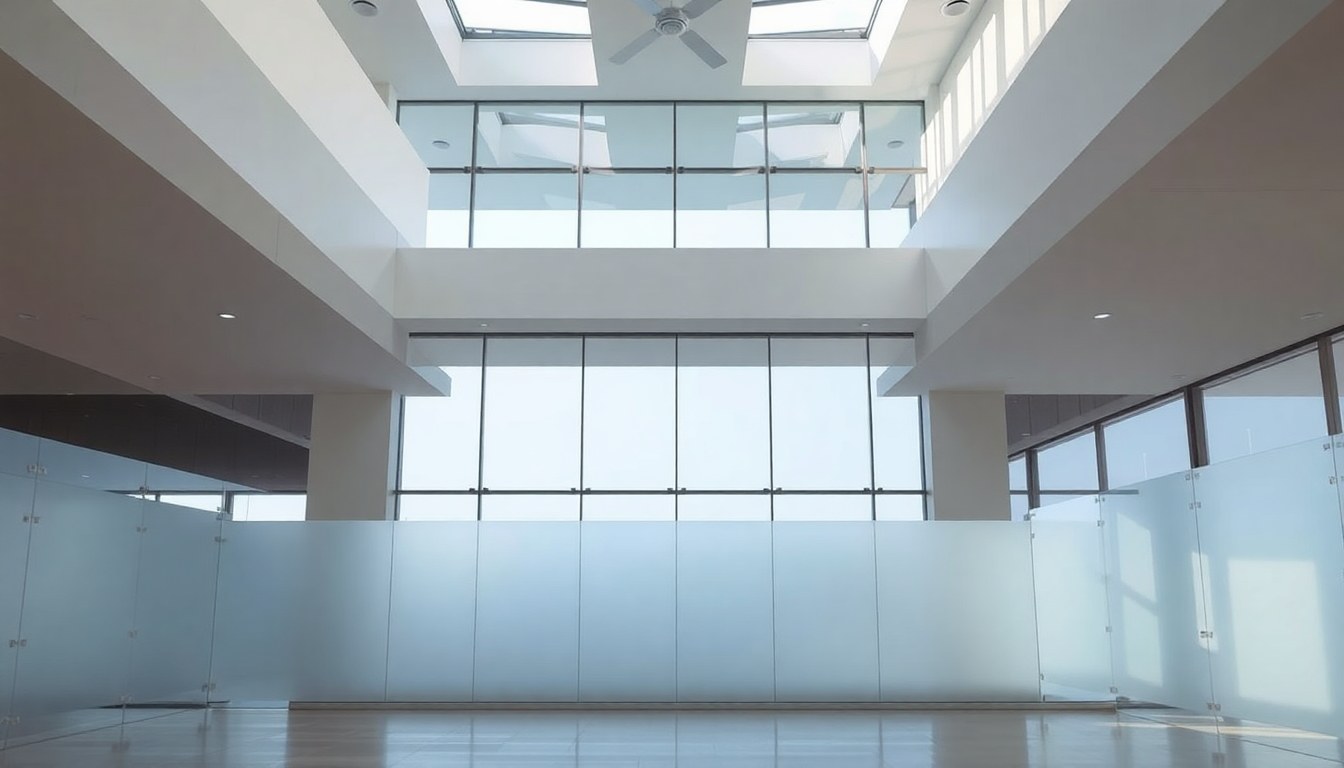
Both frosted glass and acid-etched glass create privacy while allowing diffused light to pass through, making them popular choices for office partitions, bathroom windows, and interior design. However, these two finishes are created through entirely different methods and behave differently over time when exposed to moisture, dust, and cleaning chemicals. Understanding the distinctions between them helps you choose the right material for your specific application and budget.
Manufacturing Methods: How They're Made
Frosted glass is created using a sandblasting or grinding process where fine abrasive particles are sprayed onto the glass surface at high pressure. This mechanical abrasion removes the top layer of glass, creating a matte, light-scattering finish. The sandblasting method is relatively quick and can be applied to pre-cut glass sheets of any size, making it flexible for custom projects.
Acid-etched glass, by contrast, is produced by applying hydrofluoric acid or similar chemical compounds to the glass surface. This chemical process dissolves the silica in the glass, creating a frosted appearance. The acid is typically applied through masking techniques to create patterns or left on the entire surface for uniform frosting. This method requires careful handling of hazardous chemicals and is usually performed in controlled manufacturing facilities rather than on-site.
Key Differences in Production
- Frosted glass: Mechanical abrasion using sandblasting or grinding equipment
- Acid-etched glass: Chemical etching using hydrofluoric acid or fluorine compounds
- Speed: Frosted glass can be produced quickly; acid-etched requires more controlled conditions
- Customization: Both allow patterns, but acid-etching offers finer detail control
- Safety: Frosted is safer to produce; acid-etching requires strict chemical handling protocols
Opacity and Light Transmission
Both frosted and acid-etched glass scatter light and provide privacy, but the degree of opacity and the quality of light diffusion differ slightly. Frosted glass typically offers a more uniform, consistent matte finish because the sandblasting creates a relatively even surface texture. This results in predictable light transmission, usually blocking 85-95% of direct visibility while allowing approximately 60-75% of light to pass through.
Acid-etched glass produces a smoother frosted appearance with a slightly glossier feel compared to frosted glass. The chemical etching creates a more refined surface texture, which can sometimes transmit slightly more light while maintaining similar privacy levels. The visual quality is often considered more aesthetically refined, particularly in high-end residential and commercial applications.
Light Quality Considerations
When light passes through frosted glass, it scatters more diffusely due to the rougher surface created by sandblasting. This can create a softer, more scattered glow. Acid-etched glass provides a slightly cleaner light transmission with less haze, making it preferable for applications where you want privacy without the "industrial" appearance of sandblasted frosting. For bathroom windows in Indian homes, where natural light is valued, acid-etched glass often provides a more elegant solution.
Surface Durability and Resistance
Durability is where these two finishes show the most significant differences. Frosted glass, created through mechanical abrasion, has a rougher surface with microscopic peaks and valleys. This texture can trap dust, moisture, and fingerprints more easily. However, the frosted surface is generally resistant to scratching because the entire surface is already textured—additional scratches are less noticeable against the existing rough finish.
Acid-etched glass has a smoother, more refined surface compared to frosted glass. This smoothness means it resists dust accumulation better and shows fingerprints less readily. However, because the surface is smoother, it can be more susceptible to visible scratching if not handled carefully. The etched surface is also more prone to damage from abrasive cleaning materials that can further alter the glass texture.
Moisture and Humidity Resistance
In humid environments like bathrooms in Indian cities such as Mumbai, Bangalore, and Kolkata, moisture behavior differs between the two. Frosted glass's rougher surface can trap moisture in its micro-textures, potentially leading to water spots and mineral deposits that are visible and difficult to clean. Acid-etched glass's smoother surface sheds moisture more effectively, making it more suitable for high-humidity applications. However, both finishes are inherently resistant to moisture damage—the issue is primarily about appearance and maintenance rather than structural integrity.
Cleaning and Maintenance Requirements
Cleaning frosted glass requires more effort than cleaning acid-etched glass due to the surface texture. The rough, porous nature of sandblasted frosting traps dust particles, and water spots are common in areas with hard water. Cleaning requires gentle scrubbing with soft cloths and appropriate glass cleaners, as aggressive scrubbing can sometimes alter the appearance of the frosted finish over time. For office partitions in Delhi or Pune where frosted glass is frequently used, regular maintenance is necessary to keep the glass looking clean.
Acid-etched glass is significantly easier to maintain. The smoother surface doesn't trap dust as readily, and water spots are less problematic. Standard glass cleaning solutions work well, and the surface can tolerate more vigorous cleaning without damage. A microfiber cloth and standard window cleaner are usually sufficient to maintain the appearance. This lower maintenance requirement makes acid-etched glass popular in commercial settings where cleaning frequency and ease are important factors.
Recommended Cleaning Practices
- Frosted glass: Use soft microfiber cloths, avoid abrasive scrubbers, use pH-neutral glass cleaners, dry immediately to prevent water spots
- Acid-etched glass: Can use standard glass cleaners, tolerates microfiber or soft cloth cleaning, dries quickly without spotting
- Both types: Avoid vinegar-based cleaners on acid-etched glass as acidity can further etch the surface
- Hard water areas: Use distilled water for final rinse to prevent mineral deposits
Cost and Availability in India
Frosted glass is generally more affordable than acid-etched glass in India. The sandblasting process is simpler and can be performed by numerous glass manufacturers across the country. Prices for frosted glass typically range from ₹800 to ₹2,500 per square meter depending on thickness and customization. The lower cost makes frosted glass a popular choice for budget-conscious commercial projects and residential renovations.
Acid-etched glass commands a premium price due to the specialized manufacturing process and safety requirements. Prices typically range from ₹1,500 to ₹4,500 per square meter. However, the superior aesthetics, easier maintenance, and better performance in humid environments often justify the higher cost for residential applications and upscale commercial spaces. Major Indian cities like Bangalore, Mumbai, and Hyderabad have multiple suppliers offering acid-etched glass, though availability may be more limited in smaller towns.
Best Use Cases and Applications
Frosted glass is ideal for office partitions, conference rooms, and commercial spaces where privacy is the primary requirement and budget constraints exist. It works well in dry, climate-controlled environments where moisture exposure is minimal. Frosted glass is also suitable for decorative applications where the visible texture is part of the design aesthetic. Many Indian offices choose frosted glass for cabin partitions and meeting rooms because of its affordability and privacy benefits.
Acid-etched glass excels in bathroom windows, shower enclosures, and residential applications where humidity is a concern. It's the better choice for high-end residential projects, luxury hotels, and commercial spaces where aesthetics and ease of maintenance are priorities. In humid Indian climates, acid-etched glass in bathrooms maintains its appearance better over time and requires less frequent cleaning. For homeowners in cities like Chennai or Kochi where moisture is persistent, acid-etched glass is often the preferred choice despite the higher initial investment.
Application Comparison Table
- Office partitions: Frosted glass (cost-effective) or acid-etched glass (premium look)
- Bathroom windows: Acid-etched glass (better moisture resistance)
- Shower enclosures: Acid-etched glass (easier to maintain in wet conditions)
- Conference rooms: Frosted glass (privacy) or acid-etched glass (aesthetic appeal)
- Interior glass doors: Acid-etched glass (durability and appearance)
- Budget renovations: Frosted glass (cost-effective)
Frequently Asked Questions
Can frosted glass be converted to acid-etched glass or vice versa?
No, once glass is frosted or acid-etched, it cannot be converted to the other finish. The manufacturing methods are fundamentally different, and reversing either process would require removing the entire treated layer. If you're unsure which finish you need, it's important to decide before purchasing the glass.
Which frosted or acid-etched glass is better for bathrooms in India?
Acid-etched glass is generally better for Indian bathrooms due to superior moisture resistance, easier maintenance, and a more refined appearance. In humid climates like Mumbai, Bangalore, and Kolkata, acid-etched glass resists water spotting and mineral deposits better than frosted glass. While the initial cost is higher, the long-term maintenance savings and aesthetic benefits make it worthwhile.
How long do frosted and acid-etched glass finishes last?
Both finishes are permanent and don't fade or degrade under normal conditions. However, frosted glass can become less visible over time if scratched repeatedly, while acid-etched glass maintains its appearance longer. With proper maintenance, both should last 10-15 years or longer without needing refinishing.
Is acid-etched glass more durable than frosted glass?
Acid-etched glass is more durable in humid environments and requires less maintenance, but frosted glass is equally durable structurally. The difference lies in appearance maintenance rather than glass integrity. Frosted glass's rough surface hides scratches better, while acid-etched glass's smooth surface shows damage more readily but cleans more easily.
What's the price difference between frosted and acid-etched glass in India?
Acid-etched glass typically costs 50-100% more than frosted glass. Frosted glass ranges from ₹800-₹2,500 per square meter, while acid-etched glass costs ₹1,500-₹4,500 per square meter. Prices vary based on thickness, customization, and your location within India. Contact local glass suppliers for exact quotes.
Ready to choose the perfect glass finish for your project? Explore India's largest glass business directory at glassy.in to connect with verified frosted and acid-etched glass suppliers near you. Compare prices, read reviews, and find the best solution for your specific needs.