
Shower Enclosures
Frosted Glass Shower Enclosures: Privacy, Durability & Design Combinations
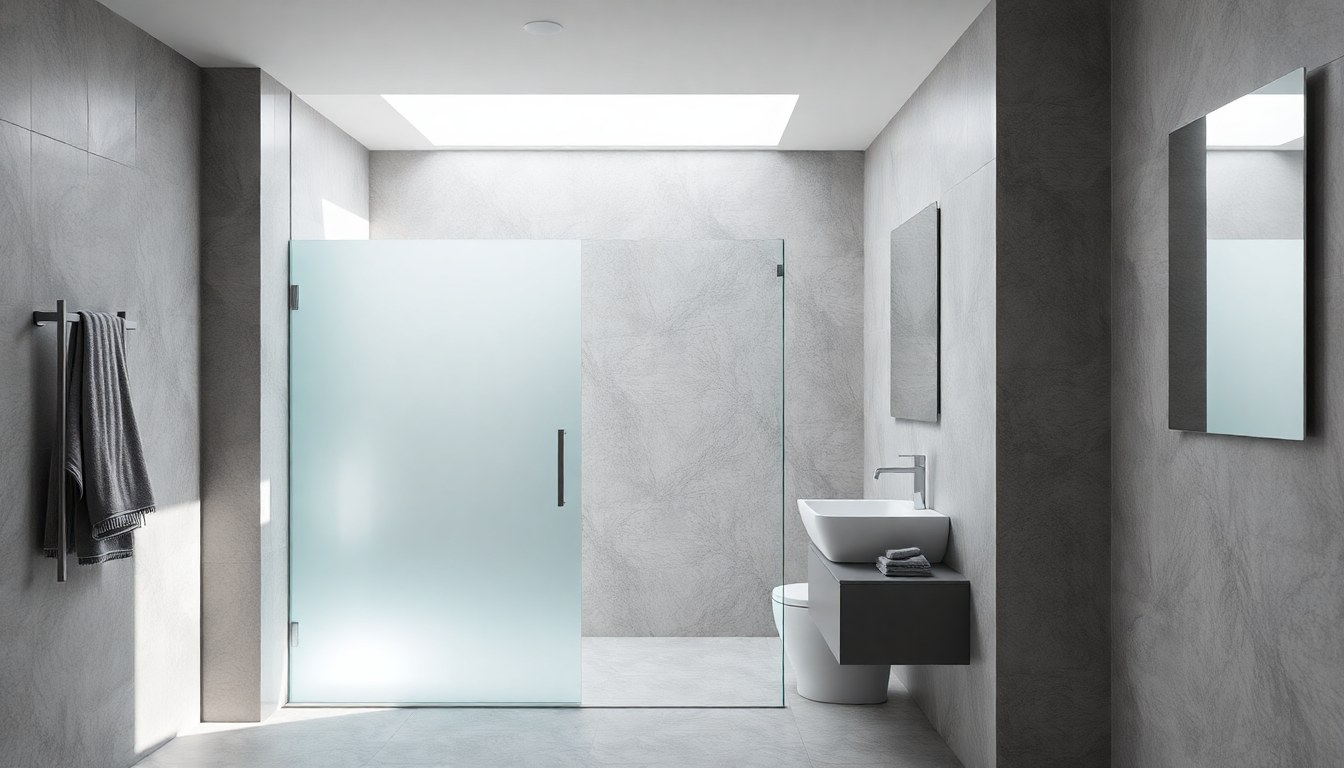
Frosted glass shower enclosures have become a hallmark of modern bathroom design, offering the perfect balance between privacy and aesthetic appeal. Unlike fully opaque solutions, frosted glass allows natural light to filter through while obscuring direct sightlines—a feature that transforms cramped bathrooms into brighter, more spacious-feeling spaces. Whether you're renovating a Mumbai apartment or designing a luxury villa in Bangalore, understanding the nuances of frosted glass—from etching methods to durability and design pairings—will help you make an informed choice that enhances both function and style.
Understanding Frosted Glass: What It Is and How It's Made
Frosted glass is created by treating the surface of clear glass with one of several techniques that scatter light diffusely, creating a translucent, milky appearance. The frosting process removes the glass's transparency while maintaining its structural integrity, making it ideal for shower enclosures where privacy is essential but natural light is valued.
The most common methods for creating frosted glass include:
- Acid Etching: A chemical process that uses hydrofluoric acid to etch the glass surface, creating a permanent frosted finish. This method is durable and produces a consistent, professional appearance.
- Sandblasting: Compressed air and fine sand particles are directed at the glass surface to create a frosted texture. This technique offers excellent control over the depth and appearance of the frosting.
- Vinyl Frosting: Self-adhesive frosted vinyl sheets are applied to the glass surface. This is a reversible, cost-effective option popular for rental properties and temporary installations.
- Thermal Treatment: Heat is applied to create a frosted effect, though this method is less common for shower enclosures.
For shower enclosures in India, acid-etched and sandblasted frosted glass are the most popular choices due to their durability and resistance to moisture. Vinyl frosting, while affordable, may not withstand the constant humidity and temperature fluctuations of a bathroom environment for extended periods.
Privacy Levels: Choosing the Right Opacity
One of the primary reasons homeowners select frosted glass is for privacy. However, not all frosted glass offers the same level of concealment. Understanding privacy gradients will help you select the right product for your needs.
Light Frosting (30-50% Opacity)
Light frosting creates a subtle, elegant look that obscures general shapes and movements but allows some detail visibility. This option works well in open-concept bathrooms or master suites where you want to maintain visual connection with the rest of the space while showering. Light frosting is also popular in commercial settings like gym locker rooms where privacy is needed but the aesthetic should remain open and inviting.
Medium Frosting (50-80% Opacity)
Medium frosting is the sweet spot for most residential shower enclosures. It provides solid privacy—silhouettes are barely visible—while still allowing diffused light to pass through. This opacity level is ideal for family bathrooms and ensures that someone showering cannot be clearly seen from outside the enclosure.
Heavy Frosting (80-100% Opacity)
Heavy frosting approaches near-complete opacity, providing maximum privacy. Some homeowners prefer this for master bathrooms or guest bathrooms where privacy is paramount. However, heavily frosted glass reduces light transmission significantly, which may require additional bathroom lighting.
When selecting opacity, consider the natural light available in your bathroom, the size of the space, and your personal privacy preferences. In smaller Indian bathrooms, medium frosting often provides the best balance.
Durability and Maintenance of Frosted Glass Shower Enclosures
Frosted glass is remarkably durable when properly installed and maintained. The frosting process actually strengthens the glass surface in some cases, as acid etching and sandblasting create a microscopically rough texture that resists scratching better than smooth glass.
Longevity and Performance
Properly installed frosted glass shower enclosures can last 15-20 years or more, depending on water quality and maintenance practices. In areas with hard water—common across many Indian cities including Delhi, Pune, and Ahmedabad—mineral deposits may accumulate on frosted surfaces more visibly than on clear glass. This is a cosmetic issue rather than a durability concern, but it does affect appearance.
Maintenance Best Practices
To keep your frosted glass shower enclosure in pristine condition:
- Clean weekly with a soft cloth and mild soap solution or specialized glass cleaner.
- Avoid abrasive scrubbing pads that can damage the frosted surface.
- Use a squeegee after each shower to prevent water spots and mineral buildup.
- In hard-water areas, use a water softener or install a shower filter to reduce mineral deposits.
- For stubborn mineral buildup, white vinegar or commercial glass descalers work effectively without damaging the frosted finish.
The frosted texture actually makes water spots less visible than on clear glass, which is a practical advantage in humid Indian bathrooms.
Design Combinations: Pairing Frosted Glass with Clear Glass
Modern bathroom design trends increasingly favor hybrid approaches that combine frosted and clear glass in the same enclosure. These combinations offer both aesthetic sophistication and practical functionality.
Popular Design Pairings
Horizontal Color-Block Design: The lower half of the enclosure is frosted (for privacy where it matters most), while the upper half remains clear. This design maximizes light transmission and creates a contemporary, layered look. It's particularly effective in bathrooms with high windows or skylights.
Vertical Stripe Pattern: Alternating vertical panels of frosted and clear glass create visual interest while maintaining privacy. This approach works well in larger bathrooms and can be customized to match your bathroom's width and aesthetic preferences.
Frosted Frame with Clear Center: A frosted border frames a clear central panel, combining privacy at eye level with light transmission through the center. This design is elegant and works in both modern and traditional bathrooms.
Gradient Frosting: The glass transitions from fully clear at the top to fully frosted at the bottom, creating a sophisticated ombré effect. This premium option requires specialized manufacturing but delivers stunning visual impact.
Design Considerations for Indian Bathrooms
In smaller Indian bathrooms, where space is often limited, combining frosted and clear glass helps maintain the perception of openness. A frosted lower panel (roughly 1.2 to 1.5 meters high) provides adequate privacy for most users, while clear glass above allows light to circulate throughout the bathroom. This approach also reduces the visual weight of the enclosure, making the bathroom feel larger.
For luxury bathrooms in metropolitan areas, gradient frosting and artistic etching patterns—such as geometric designs or nature-inspired motifs—add a personalized, high-end touch that elevates the entire space.
Comparing Frosted Glass with Other Privacy Solutions
While frosted glass is an excellent choice, it's worth comparing it with alternatives to ensure you're selecting the best option for your needs.
- Frosted Glass: Permanent, durable, allows light transmission, requires professional installation, costs ₹8,000-₹25,000+ per enclosure depending on size and complexity.
- Clear Glass with Privacy Film: Reversible, affordable (₹3,000-₹8,000), easier to install, but less durable and may require replacement every 5-7 years.
- Textured Glass: Offers privacy without frosting, allows light transmission, but can be harder to clean and more expensive than frosted options.
- Opaque Panels: Maximum privacy but blocks light entirely, making bathrooms feel smaller and requiring additional lighting.
For most Indian homeowners, frosted glass represents the best value proposition—it's durable, maintains light transmission, and offers a timeless aesthetic that won't feel dated in five years.
Installation and Customization Options
Frosted glass shower enclosures can be customized to fit virtually any bathroom layout. Whether you need a standard rectangular enclosure, a corner unit, or a custom-shaped panel for a unique bathroom design, professional glass manufacturers can accommodate your requirements.
Installation typically involves securing the frosted glass panels to a frame (usually aluminum or stainless steel) using brackets and seals designed to prevent water leakage. Professional installation is recommended to ensure proper waterproofing and structural integrity. In India, expect installation costs to range from ₹5,000-₹15,000 depending on complexity and location.
Customization options include:
- Custom frosting patterns and designs
- Partial frosting (combining frosted and clear sections)
- Colored frosted glass (subtle tints in blue, gray, or bronze)
- Integrated shelving or niches with frosted glass backing
- Frameless or semi-frameless designs for a minimalist aesthetic
Frequently Asked Questions
How much privacy does frosted glass actually provide?
Frosted glass at medium to heavy opacity (50-100%) prevents clear visibility of a person showering. While silhouettes may be faintly visible with heavy backlighting, detailed features and movements are obscured. For most residential applications, this level of privacy is entirely sufficient and preferred because it maintains natural light in the bathroom.
Is frosted glass more expensive than clear glass shower enclosures?
Frosted glass typically costs 15-30% more than clear glass for the same enclosure size and frame type. The additional cost reflects the frosting process (acid etching or sandblasting) and any customization involved. However, the durability and aesthetic benefits often justify the investment, and prices have become more competitive as frosted glass has gained popularity in India.
Can frosted glass be cleaned as easily as clear glass?
Frosted glass is actually easier to maintain in some ways because water spots and mineral deposits are less visible on the textured surface. Cleaning requires the same gentle approach—soft cloths and mild detergents—but you'll notice fewer visible streaks and spots compared to clear glass, particularly in hard-water areas.
What happens to frosted glass over time in a humid bathroom?
Frosted glass remains structurally sound indefinitely in humid bathroom environments. The main concern is mineral buildup from hard water, which appears as a whitish coating on the frosted surface. This is purely cosmetic and easily removed with vinegar or commercial descalers. The frosting itself does not degrade or become transparent over time.
Can I retrofit frosted glass to an existing clear glass enclosure?
Yes, you can apply frosted vinyl film to existing clear glass enclosures, though this is less durable than factory-frosted glass. For a permanent solution, you would need to replace the glass panels entirely. Replacing individual panels is often more affordable than purchasing a new enclosure and can be arranged through most glass suppliers across Indian cities.
Ready to upgrade your bathroom with a frosted glass shower enclosure? Explore India's largest glass-business directory at glassy.in to connect with certified glass manufacturers and installation specialists in your area. Compare quotes, view portfolios, and find the perfect frosted glass solution for your home today.