
Shower Enclosures
Corner Shower Enclosures vs Straight: Space & Drainage Comparison
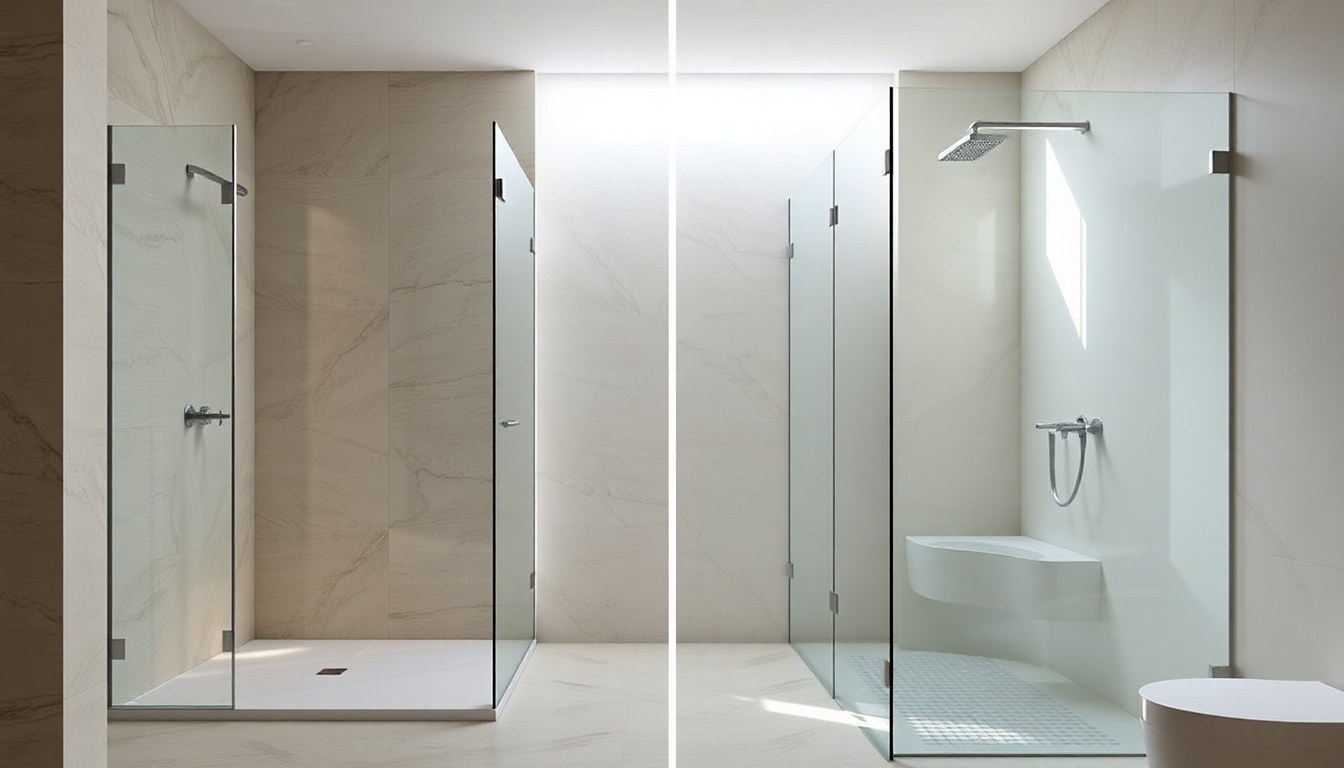
When renovating your bathroom, the shower enclosure design you choose directly affects how efficiently your space functions and how water flows. Corner shower enclosures and straight (linear) designs each offer distinct advantages—corner units maximize small spaces, while straight enclosures provide flexibility and easier maintenance. Understanding the differences in water drainage, installation complexity, and spatial requirements will help you make the right choice for your home.
What Are Corner and Straight Shower Enclosures?
A corner shower enclosure is positioned in the corner of your bathroom, utilizing two existing walls as the enclosure's sides. This design typically features one or two glass panels that form an L-shape or triangular footprint. The shower tray sits snugly in the corner, making it an excellent space-saving solution for compact bathrooms.
A straight (or linear) shower enclosure runs along a single wall without using corner space. These enclosures have a rectangular footprint and are often wider than corner units, requiring more wall space but offering a more open, spacious feel. Straight enclosures are ideal for larger bathrooms where wall space is available and aesthetic minimalism is desired.
Space Efficiency: Which Design Saves More Room?
Corner shower enclosures are the clear winner for small bathrooms. By positioning the shower in an underutilized corner, you free up valuable floor space in the main bathroom area. A typical corner unit occupies roughly 80–120 cm on each wall, whereas a straight enclosure can extend 120–180 cm along a single wall. This difference becomes critical in Indian urban homes where bathroom sizes often range from 1.5 m × 1.8 m to 2 m × 2.5 m.
For families with limited square footage, corner enclosures also allow better placement of other fixtures like vanities, towel racks, and storage cabinets. If your bathroom is already cramped, a straight enclosure might force you to compromise on other essential elements.
- Corner units: Best for bathrooms under 4 m²; create an open, uncluttered feel
- Straight enclosures: Better for bathrooms over 5 m²; offer a spa-like, spacious appearance
- Hybrid option: L-shaped or curved enclosures bridge both worlds, though they cost 15–20% more
Water Drainage and Flow: Critical Differences
Drainage Efficiency in Corner Enclosures
Corner shower enclosures benefit from two walls that help contain water splash. However, drainage can be less efficient if the shower tray isn't perfectly leveled or if the drain is positioned off-center. Water tends to pool in corners if the gradient isn't precise—typically, you need a 2–3% slope toward the drain. Many corner trays come with pre-molded drainage channels that guide water effectively, but installation quality is paramount.
Drainage in Straight Enclosures
Straight enclosures offer superior drainage efficiency because the rectangular design allows for a more straightforward, single-direction water flow toward the drain. The floor gradient is easier to achieve and maintain, reducing the risk of water pooling. This design is particularly advantageous in high-moisture climates like coastal Indian regions or during monsoon seasons.
Both designs require proper waterproofing behind the glass panels and around the base. The difference lies in the complexity: corner units demand more precise waterproofing work at the junction of two walls, while straight enclosures require attention along a single wall and two sides.
Installation Complexity and Cost Implications
Corner Enclosure Installation
Installing a corner shower enclosure is moderately complex. The process involves:
- Verifying that both corner walls are plumb (perfectly vertical) and square to each other
- Installing the corner profile or frame, which must be precisely aligned
- Setting the shower tray with proper slope and waterproofing
- Fitting glass panels into the corner frame, which requires careful measurement and cutting
- Sealing all joints with silicone sealant to prevent water ingress
If your walls are uneven—common in older Indian homes—corner installation becomes more challenging and expensive. Professional installation typically costs ₹8,000–₹15,000 for a basic corner unit, depending on your city and the quality of materials.
Straight Enclosure Installation
Straight enclosures are generally faster to install because they only require alignment along one wall. The installation steps are simpler:
- Measure and mark the wall where the enclosure will sit
- Install the base profile along a single, straight line
- Position the shower tray with proper drainage slope
- Fit glass panels sequentially, with fewer corner joints to seal
- Apply waterproofing and final sealant
Labor costs for straight enclosures are typically ₹6,000–₹12,000, making them 10–20% cheaper to install. If your walls are slightly out of plumb, a straight enclosure is more forgiving because adjustments are linear rather than angular.
Material Quality and Durability
Both corner and straight enclosures use similar materials: tempered glass, aluminum frames, and acrylic or ceramic shower trays. The durability difference isn't in the type but in how well each design handles stress.
Corner enclosures experience concentrated stress at the corner frame junction. Over time, if not properly sealed, water can seep behind the corner profile and cause mold or structural damage. Straight enclosures distribute stress evenly along the wall, reducing concentrated pressure points.
For longevity, invest in:
- 8–10 mm tempered glass (thicker glass resists impact better)
- Anodized aluminum frames (resist corrosion in humid climates)
- High-quality silicone sealant rated for wet areas (replace every 2–3 years)
- Proper ventilation to reduce mold growth on seals
Professional architects and interior designers, such as those at CG Interiors, often recommend corner units for heritage homes where walls may not be perfectly straight, as corner frames can hide minor imperfections better than straight profiles.
Aesthetic and Design Considerations
Corner shower enclosures create a defined, cozy bathing space that works well in traditional or compact bathroom layouts. They're particularly popular in Indian homes where bathrooms serve multiple purposes. The enclosed feeling can make the shower feel more private and intimate.
Straight enclosures project a modern, open aesthetic. They suit contemporary bathroom designs and make smaller bathrooms feel larger visually. If you're planning a minimalist or Scandinavian-style bathroom, a straight enclosure is the better choice. They also photograph better for home décor inspiration, making them popular in design-forward homes.
If you're working with an architect or interior designer like PARI Interior Design, discuss how the enclosure style complements your overall bathroom design, flooring, and tile patterns.
Maintenance and Cleaning
Corner enclosures have more seams and joints due to the two-wall configuration, which means more areas where soap scum and mold can accumulate. Cleaning the corner seal requires extra attention—use a soft brush and mild bathroom cleaner weekly to prevent buildup.
Straight enclosures are easier to maintain because they have fewer joints. A single wall and two side seals are quicker to clean and inspect. If you prefer low-maintenance bathrooms, a straight enclosure saves time and effort over the years.
Both types benefit from a squeegee after each shower and adequate bathroom ventilation (exhaust fan running for 20–30 minutes post-shower).
Which Design Suits Your Bathroom?
Choose a corner enclosure if:
- Your bathroom is under 4 m² (common in Indian apartments)
- You want to maximize usable floor space for other fixtures
- Your walls are uneven or not perfectly square (corner frames hide imperfections)
- You prefer a defined, private shower space
- Your budget is moderate and you're willing to invest in professional installation
Choose a straight enclosure if:
- Your bathroom is 5 m² or larger
- You prioritize drainage efficiency and easier maintenance
- You want a modern, open aesthetic
- Your walls are plumb and straight (easier installation)
- You prefer lower installation costs and faster setup
- You live in a high-humidity climate or coastal area where drainage is critical
Real-World Costs and Budgeting
In India, a basic corner shower enclosure costs ₹15,000–₹35,000 (glass + frame + tray + installation). Premium brands with better sealing and thicker glass run ₹40,000–₹70,000. Straight enclosures range from ₹12,000–₹30,000 for basic models and ₹35,000–₹60,000 for premium options.
Additional costs to budget for:
- Waterproofing membrane: ₹2,000–₹5,000
- Plumbing adjustments: ₹1,500–₹3,000
- Ventilation fan installation: ₹3,000–₹6,000
- Tile work around enclosure: ₹5,000–₹15,000
Frequently Asked Questions
Do corner shower enclosures leak more than straight ones?
Not necessarily. Both can leak if poorly installed or maintained. Corner enclosures have more seams, so they require more careful sealing. Straight enclosures are more forgiving because they have fewer joints. The key is professional installation and regular maintenance—replace silicone sealant every 2–3 years regardless of design.
Can I retrofit a straight enclosure into a corner space?
Yes, but it wastes space. If you have a corner bathroom, using a straight enclosure along one wall leaves the corner unused and makes the bathroom feel cramped. It's better to use a design suited to your available space.
Which enclosure is better for elderly users or accessibility?
Straight enclosures are generally better because they offer a wider entry and easier access. Corner enclosures can feel cramped for users with mobility challenges. Consider a walk-in straight enclosure with a low threshold (3–5 cm) for accessibility.
How much water does a corner enclosure waste compared to a straight one?
Water waste depends on drainage efficiency, not design type. A well-installed corner unit with proper slope wastes no more water than a straight enclosure. Poor installation causes waste in both cases.
What's the lifespan of each type?
Both designs last 10–15 years with proper maintenance. The limiting factor is usually the silicone sealant (2–3 years) and the shower tray (10–12 years). Glass and aluminum frames are durable for 20+ years if not damaged.
Final Thoughts: Making Your Choice
The decision between corner and straight shower enclosures ultimately depends on your bathroom size, layout, and personal preferences. For most Indian homes with compact bathrooms, corner enclosures maximize space and functionality. For larger, modern bathrooms, straight enclosures offer superior drainage and a contemporary aesthetic.
Before purchasing, consult with a professional architect or interior designer. Firms like Arch4Foundation can assess your specific bathroom dimensions, wall conditions, and drainage requirements to recommend the best solution.
Ready to upgrade your bathroom with the perfect shower enclosure? Explore verified glass suppliers, architects, and interior designers on glassy.in, India's largest glass-business directory. Get quotes, compare options, and connect with trusted professionals in your city today.