
Shower Enclosures
Reeded Glass for Shower Privacy: Optical Distortion vs. Obscurity Standards
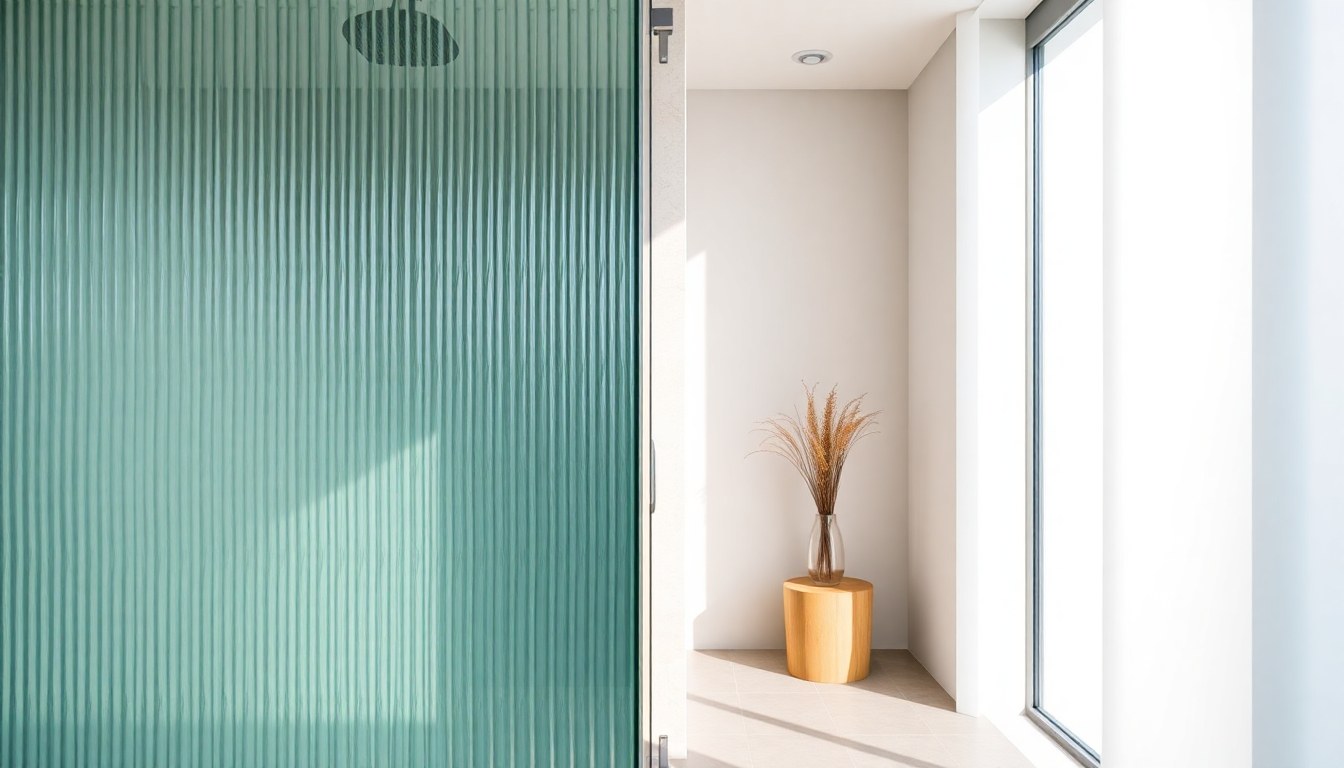
Reeded and fluted glass has become the gold standard for shower enclosures across Indian homes, offering a perfect balance between natural light and privacy through intelligent optical distortion. Unlike frosted or tinted alternatives, reeded patterns work by bending and scattering light rays, making it nearly impossible for anyone outside the shower to discern details while maintaining brightness inside. Understanding how these patterns achieve privacy—and which designs meet industry obscurity standards—helps you select the right glass for your bathroom renovation.
What is Reeded Glass and How Does It Work?
Reeded glass, also called fluted glass, features parallel vertical or horizontal ridges cast into or embossed onto the glass surface during manufacturing. These ridges act as tiny prisms, bending light rays at different angles as they pass through the glass. The result is a controlled optical distortion that obscures details while allowing diffused light to penetrate, keeping your shower naturally lit without feeling like a cave.
The physics behind reeded glass is straightforward: when light hits a smooth glass surface, it travels straight through, allowing clear visibility. But when light encounters the ridge-and-valley pattern of reeded glass, each ray refracts (bends) at a slightly different angle depending on where it strikes the ridge. This causes the light to scatter, destroying the coherent image that would otherwise reach an observer's eye. The deeper and more closely spaced the reeds, the greater the optical distortion and the higher the privacy level.
Manufacturing Process
Indian glass manufacturers typically produce reeded glass using two methods: pressing and rolling. In the pressing method, molten glass is pressed between two dies—one smooth, one with the reed pattern—creating the characteristic ridges. In the rolling method, molten glass passes through engraved rollers that emboss the pattern. Both processes are cost-effective and allow for consistent quality across large sheets, making reeded glass an affordable privacy solution compared to hand-etched or sandblasted alternatives.
Optical Distortion: The Science Behind Shower Privacy
Optical distortion in reeded glass operates on the principle of light refraction. When a light ray hits a reed at an angle, it bends according to Snell's Law, which describes how light changes direction when passing between materials of different densities (in this case, air and glass). The magnitude of refraction depends on the angle of incidence and the refractive index of glass, which is approximately 1.52 for standard soda-lime glass used in shower enclosures.
The cumulative effect of millions of refracted rays creates what optical engineers call "scrambling"—the destruction of the coherent image. A person standing outside a reeded glass shower enclosure sees only blurred shapes and color variations, not recognizable body details. Meanwhile, someone inside the shower experiences relatively normal visibility because light enters from above (where the distortion is less pronounced) and the interior is brightly lit.
Depth and Spacing of Reeds
The privacy effectiveness of reeded glass depends critically on two parameters:
- Reed depth: Deeper reeds (typically 2–4 mm) create sharper refraction angles and greater optical distortion. Shallow reeds (under 1 mm) offer minimal privacy and are used mainly for aesthetic purposes.
- Reed spacing: Closer spacing (0.5–1 mm between centers) provides more consistent distortion across the entire surface. Wider spacing (2 mm or more) allows more light to pass through undistorted regions, reducing overall privacy.
A well-designed reeded pattern balances these factors to maximize privacy while maintaining adequate light transmission. Most Indian manufacturers offer reeded glass with 1–2 mm depth and 1–1.5 mm spacing as a standard, which meets Indian Standards (IS) guidelines for shower enclosure privacy.
Obscurity Standards and Privacy Ratings
The glass industry uses standardized tests to measure privacy levels, though India does not yet have a formal national obscurity rating system comparable to Europe's DIN 5031 or North America's ASTM E1300. However, Indian Standards IS 2911-1 (safety glass for buildings) and IS 12200 (safety requirements for glass in buildings) reference light transmission and haze values as indirect measures of privacy.
In practical terms, shower enclosure glass is classified into three privacy categories:
- Light privacy (30–50% haze): Allows silhouettes to be visible; suitable for partial screens or accent panels. Transmits 50–70% of light.
- Medium privacy (50–80% haze): Obscures body details while maintaining clear shapes; ideal for most residential showers. Transmits 30–50% of light.
- High privacy (80–95% haze): Blocks nearly all detail; creates a frosted or heavily textured appearance. Transmits 10–30% of light.
Reeded glass typically achieves medium to high privacy depending on pattern depth and spacing. A 2 mm deep reed with 1 mm spacing usually delivers 70–85% haze, making it suitable for most Indian bathrooms where privacy is the primary concern but natural light is still desired.
How Haze is Measured
Haze is quantified using a haze meter, which measures the percentage of light transmitted through the glass that is scattered (diffused) rather than transmitted directly. A haze value of 80% means that 80% of light passing through the glass is scattered, while only 20% passes straight through. Higher haze values correlate with better privacy but lower overall light transmission, so there is always a trade-off between privacy and brightness.
Reeded Glass Patterns and Design Options
Modern shower enclosures offer several reeded glass patterns, each with distinct optical and aesthetic characteristics. Here are the most popular options available in India:
Vertical Reeds
Vertical reeds run from top to bottom of the glass panel, creating a classic, elegant look. They are the most common choice for shower enclosures and offer excellent privacy while maintaining vertical light lines that can make a bathroom feel taller. Vertical reeds work well in both framed and frameless enclosures and are widely available from Indian manufacturers at price points ranging from ₹1,500 to ₹3,000 per square meter, depending on glass thickness and reed depth.
Horizontal Reeds
Horizontal reeds run side to side and create a modern, linear aesthetic. They offer similar privacy to vertical reeds but can make a space feel wider. Horizontal patterns are slightly less common in India but are gaining popularity in contemporary bathroom designs. Pricing is comparable to vertical reeds.
Cross-Hatch or Waffle Patterns
Cross-hatch patterns combine vertical and horizontal reeds, creating a grid or waffle effect. This design offers superior privacy (often 85–90% haze) because light is scattered in two directions simultaneously. However, cross-hatch glass is thicker and more expensive, typically ranging from ₹2,500 to ₹4,500 per square meter. The added privacy comes at the cost of slightly reduced light transmission and a more textured appearance.
Parallel Flutes
Parallel flutes are wider, more deeply spaced ridges (2–3 mm apart) that create a bolder, more dramatic visual effect. They offer lower privacy than standard reeds but superior light transmission and a distinctive design statement. Parallel flutes are popular in luxury bathroom renovations and cost ₹2,000 to ₹3,500 per square meter.
Gradient Reeds
Some manufacturers offer gradient reeds where the depth or spacing of the pattern varies across the glass surface, creating a subtle transition from more private (deeper reeds) to less private (shallower reeds) areas. This design option allows for customized privacy levels in different zones of the shower enclosure and is an emerging trend in high-end Indian bathrooms.
Practical Considerations for Shower Enclosure Selection
Choosing the right reeded glass involves balancing privacy, light, aesthetics, durability, and budget. Here are key factors to consider:
- Bathroom lighting: If your bathroom has abundant natural light from windows, you can use shallower reeds or lighter privacy patterns. In bathrooms with limited natural light, deeper reeds ensure adequate brightness inside the shower despite higher privacy.
- Enclosure style: Frameless enclosures showcase the glass pattern more prominently, so aesthetic reeds (like parallel flutes) work well. Framed enclosures can accommodate bolder patterns since the frame provides visual structure.
- Cleaning and maintenance: Deeper reeds trap more water droplets and soap residue, requiring more frequent cleaning. Shallower reeds are easier to maintain and dry faster.
- Tempered glass requirement: All shower enclosure glass in India should be tempered (heat-treated to increase strength) per IS 12200. Reeded glass can be tempered without losing its optical properties, though the process must be carefully controlled to prevent distortion.
- Thickness: Standard shower enclosure glass is 6–8 mm thick. Thicker glass (10 mm) offers greater durability and structural rigidity, especially for frameless designs, but costs 20–30% more.
Frequently Asked Questions
Does reeded glass provide complete privacy, or can someone still see silhouettes?
Standard reeded glass (70–85% haze) obscures body details and facial features but may allow silhouettes or general shapes to be visible, especially in bright lighting conditions. If complete privacy is essential—such as in commercial or high-traffic bathrooms—you may need to combine reeded glass with a frosted band or use cross-hatch patterns that offer 85–90% haze. For most residential showers, medium-privacy reeded glass is sufficient because the shower is typically used by household members only.
Is reeded glass more expensive than frosted or sandblasted glass?
Reeded glass is generally more affordable than hand-etched or sandblasted options because it is produced using industrial pressing or rolling methods at scale. Standard reeded glass costs ₹1,500–₹3,000 per square meter, while custom sandblasted designs can exceed ₹5,000 per square meter. Frosted glass (acid-etched) falls in a similar price range as reeded glass, around ₹1,800–₹3,200 per square meter, depending on the manufacturer and region in India.
Can reeded glass be used in frameless shower enclosures?
Yes, reeded glass works excellently in frameless enclosures. In fact, frameless designs highlight the reeded pattern as a design feature. Frameless enclosures require thicker, tempered glass (usually 10 mm) and careful installation with precision hardware, but the visual result is modern and elegant. Ensure your glass supplier provides tempered reeded glass certified to IS 12200 standards for safety.
How do I clean reeded glass to prevent water spots and soap buildup?
Reeded glass requires regular cleaning because the ridges trap water droplets and soap residue. After each shower, squeegee the glass from top to bottom to remove excess water. Weekly, clean with a mixture of equal parts white vinegar and water, using a soft brush to gently scrub the reeds. Avoid abrasive scrubbers that can scratch the glass surface. For stubborn buildup, apply a commercial glass cleaner and let it sit for 5 minutes before wiping. Installing a water-repellent coating (hydrophobic treatment) can reduce spotting and make cleaning easier; these coatings cost ₹2,000–₹5,000 for a shower enclosure but last 2–3 years.
What is the difference between reeded glass and fluted glass?
Reeded glass and fluted glass are terms used interchangeably in the industry. Both refer to glass with parallel ridges that create optical distortion for privacy. Some manufacturers use "reeded" for smaller, more closely spaced ridges and "fluted" for larger, more widely spaced ridges, but there is no standardized distinction. When shopping for shower glass, focus on the specific pattern depth and spacing rather than the terminology, as these parameters determine privacy and light transmission.
Conclusion: Finding the Right Balance
Reeded glass achieves shower privacy through elegant optical physics—the refraction and scattering of light by parallel ridges—without sacrificing natural brightness or aesthetic appeal. By understanding how reed depth and spacing affect privacy ratings, and by selecting a pattern that matches your bathroom's lighting and design preferences, you can create a shower enclosure that is both functional and beautiful. Whether you choose vertical reeds for a classic look, cross-hatch for maximum privacy, or parallel flutes for contemporary style, reeded glass remains one of India's most practical and affordable privacy solutions for residential bathrooms.
Ready to upgrade your shower with premium reeded glass? Explore verified glass suppliers, manufacturers, and installation specialists in your city on glassy.in, India's largest glass-business directory. Compare quotes, read reviews, and connect with trusted professionals who can deliver tempered, certified shower enclosure glass tailored to your needs.