
Shower Enclosures
Fluted Glass vs Frosted Glass: Which Hides Better for Bathroom Privacy?
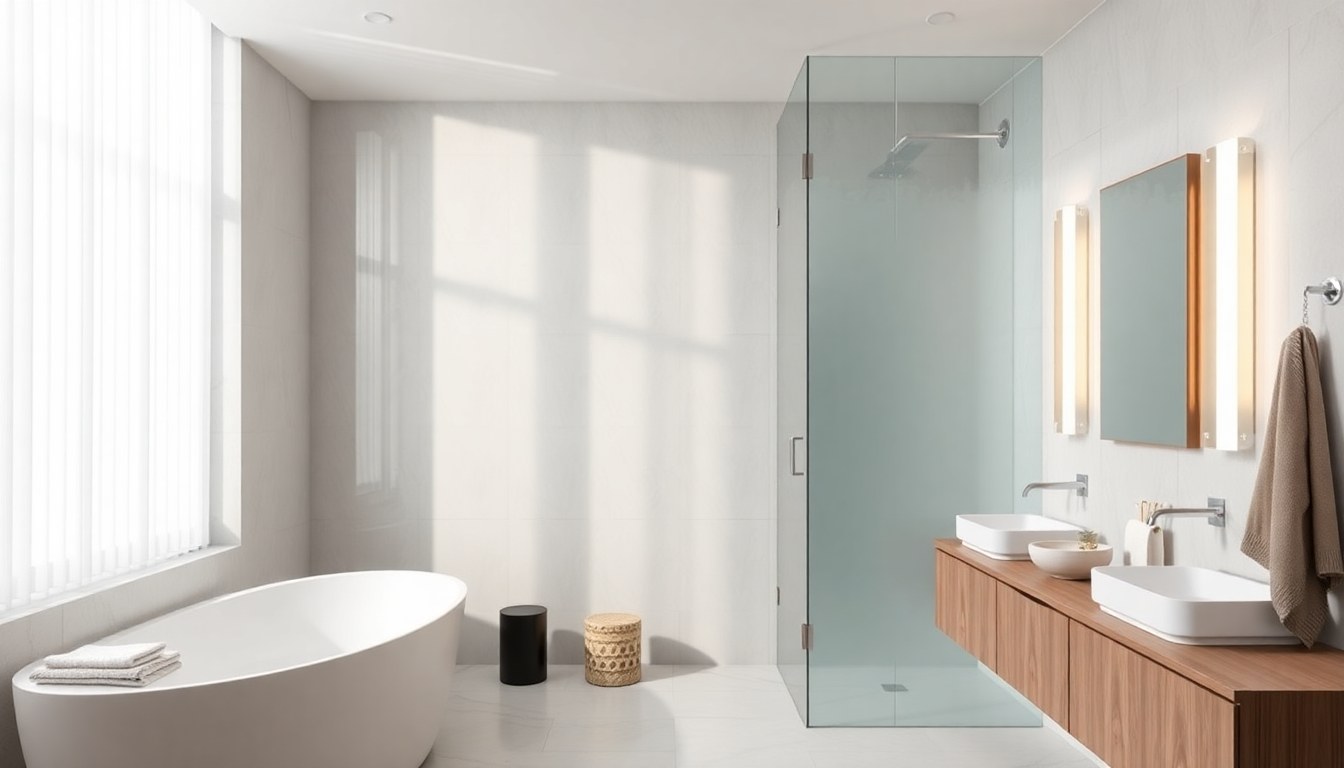
When designing a bathroom shower enclosure, privacy is non-negotiable—but so is style and practicality. Fluted and frosted glass have emerged as the two most popular choices for Indian homeowners seeking that perfect balance, yet they deliver vastly different results in opacity, light diffusion, and maintenance demands. This head-to-head comparison will help you decide which finish truly hides better and suits your bathroom's unique needs.
Understanding Fluted Glass: Structure and Performance
Fluted glass, also called reeded glass, features parallel vertical grooves or ridges etched into its surface. These channels create a linear pattern that catches and bends light in specific directions, making the glass appear textured and semi-opaque from certain angles. The depth and width of the flutes vary depending on the manufacturing process—Indian manufacturers typically offer flute depths ranging from 2mm to 5mm, which directly impacts privacy levels.
The optical properties of fluted glass work by breaking up the light path as it passes through. When someone stands on one side of a fluted glass partition, their silhouette becomes blurred and fragmented, though general shapes and movements remain visible. This characteristic makes fluted glass an excellent choice for bathrooms where you want privacy without complete visual isolation.
Privacy Level of Fluted Glass
Fluted glass provides what professionals call "soft privacy." You can see that someone is present and moving, but fine details—facial features, exact body contours—remain hidden. This level of privacy suits most Indian households, particularly in open-plan or joint-family living situations where bathrooms are adjacent to common areas. The deeper the flutes, the greater the privacy; shallow flutes offer more light transmission but less concealment.
Understanding Frosted Glass: The Diffusion Approach
Frosted glass achieves opacity through a different mechanism: the surface is treated with acid etching or a sandblasting process that creates millions of tiny, irregular pits across the glass face. These microscopic imperfections scatter light in all directions rather than bending it in a linear fashion. The result is a uniformly translucent appearance that obscures detail from all viewing angles equally.
The frosting process can be applied to varying degrees. Light frosting allows more light penetration and slightly clearer silhouettes, while heavy frosting creates an almost opaque barrier. Many Indian glass suppliers offer customizable frosting intensities to match specific privacy and lighting preferences, with costs typically ranging from ₹800 to ₹2,500 per square meter depending on glass thickness and frosting density.
Privacy Level of Frosted Glass
Frosted glass delivers superior privacy compared to standard fluted glass. The uniform diffusion means that regardless of angle, light, or distance, observers cannot discern meaningful shapes or movements. This makes frosted glass the preferred choice for bathrooms with windows facing neighbors or common corridors. In densely populated Indian cities like Mumbai, Bangalore, and Delhi, where apartment buildings stand close together, frosted glass often provides the peace of mind homeowners seek.
Opacity and Light Diffusion: A Direct Comparison
The core difference between these two finishes lies in how they handle light. Fluted glass creates directional light diffusion—light bends predictably along the groove pattern, meaning certain angles offer better privacy than others. Frosted glass diffuses light omnidirectionally, creating consistent privacy from all perspectives. For bathrooms receiving direct sunlight, this distinction matters considerably.
- Fluted Glass: Allows 60-70% light transmission; directional privacy; sharper silhouettes visible from perpendicular angles
- Frosted Glass: Allows 40-60% light transmission depending on frosting intensity; uniform privacy; no angle offers clear visibility
- Fluted Glass: Maintains color and texture visibility of objects behind glass
- Frosted Glass: Obscures color and texture entirely; creates a milky, uniform appearance
If your bathroom lacks natural light and you rely on artificial lighting, fluted glass may be preferable since it allows more light to penetrate. Conversely, if bright sunlight floods your bathroom and privacy is paramount, frosted glass delivers superior performance. Many Indian designers recommend frosted glass for ground-floor bathrooms and fluted glass for upper-floor installations where privacy concerns are naturally lower.
Cleaning and Maintenance: The Practical Reality
Both finishes present cleaning challenges that smooth glass avoids entirely, but the difficulties differ significantly. Fluted glass's grooves trap water droplets, soap residue, and dust particles within the ridge channels. Cleaning requires brushing along the flute direction with a soft-bristled brush and appropriate cleaner to dislodge debris. Most Indian homeowners find that weekly maintenance with a bathroom cleaner and cloth prevents buildup, though deep cleaning every two weeks is often necessary in hard-water regions.
Frosted glass, while lacking grooves, develops a different problem: mineral deposits and soap scum cling to the microscopically pitted surface more stubbornly than on smooth glass. The etched texture provides more surface area for deposits to accumulate. However, cleaning the surface itself is straightforward—a squeegee, cloth, and standard bathroom cleaner handle most daily maintenance. The challenge emerges when mineral buildup occurs; removing it may require vinegar solutions or specialized glass cleaners.
Long-Term Maintenance Costs
Fluted glass typically requires more frequent, labor-intensive cleaning but uses standard, inexpensive products. Frosted glass needs less frequent scrubbing but occasionally demands professional cleaning or stronger chemical treatments for stubborn mineral deposits. Over five years, maintenance costs roughly balance out, though fluted glass wins for households with soft water and frosted glass for those with hard water (common in Delhi, Rajasthan, and parts of Gujarat).
Aesthetic Trends and Design Considerations for 2026
Contemporary bathroom design in India increasingly favors frosted glass for its minimalist, sophisticated appearance. The uniform, soft-focus quality aligns with Scandinavian and Japanese-inspired design trends that emphasize calm, uncluttered spaces. Frosted glass also photographs well for social media, making it popular among design-conscious homeowners and interior professionals.
Fluted glass, however, remains favored in traditional and transitional interiors. The linear pattern adds visual interest and texture without appearing trendy, meaning fluted installations age gracefully. Luxury bathroom projects in cities like Pune and Hyderabad increasingly specify custom flute patterns—diagonal, wavy, or mixed-depth flutes—to create distinctive, high-end aesthetics that set them apart from standard finishes.
Emerging Hybrid Solutions
Some manufacturers now offer hybrid finishes combining frosted and fluted effects—frosted panels with subtle flute patterns, or fluted glass with light frosting to enhance privacy. These custom solutions cost 15-25% more than standard finishes but deliver superior privacy without sacrificing light transmission. If your budget allows, these represent an excellent middle ground.
Cost Comparison and Value for Money
Pricing varies by supplier, region, and glass thickness, but general trends hold across India. Standard fluted glass shower enclosures range from ₹12,000 to ₹35,000 for a typical 1200mm × 2000mm panel, depending on frame quality and installation complexity. Frosted glass of equivalent size typically costs ₹14,000 to ₹40,000, with the premium reflecting the additional etching or sandblasting process.
Custom frosting patterns and specialty flutes command higher prices. Designer finishes in metro areas (Mumbai, Bangalore, Delhi) may reach ₹60,000-₹100,000+ for premium installations with frameless designs and high-end hardware. For most Indian homeowners, standard fluted or frosted glass offers excellent value, with the choice driven by privacy needs rather than cost.
Which Hides Better: The Verdict
Frosted glass wins for absolute privacy. Its uniform diffusion prevents any meaningful visibility from any angle, making it the superior choice when privacy is the primary concern. This is particularly important in Indian homes where bathrooms often lack windows or face shared spaces, and where cultural preferences strongly favor complete visual privacy.
However, "better" depends on your specific situation. If you prioritize light transmission, aesthetic texture, and lower maintenance intensity, fluted glass performs admirably. If you have hard water, prefer minimalist design, or need maximum privacy assurance, frosted glass is the clear choice. Consider your bathroom's natural light, water hardness, maintenance preferences, and design goals before deciding.
Frequently Asked Questions
Does fluted glass provide enough privacy for a bathroom?
Fluted glass provides adequate privacy for most situations—silhouettes and movements are obscured, though general shapes remain visible. However, if privacy is absolutely critical (ground-floor bathrooms, windows facing neighbors), frosted glass offers superior protection. The privacy level also depends on flute depth; deeper flutes hide better than shallow ones.
Which glass finish is easier to clean in hard-water areas?
Fluted glass is generally easier to maintain in hard-water regions because mineral deposits don't cling as stubbornly to grooves as they do to the pitted surface of frosted glass. However, you must clean flute grooves regularly to prevent buildup. Frosted glass requires less frequent scrubbing but may need occasional professional cleaning or vinegar treatments for stubborn deposits.
Can frosted glass be made less opaque to allow more light?
Yes, absolutely. Frosting intensity is customizable—lighter frosting allows 60-70% light transmission while still providing good privacy, whereas heavy frosting allows only 40-50%. Discuss your preferred light level with your glass supplier; they can apply the appropriate frosting density to match your needs.
Is fluted or frosted glass more durable long-term?
Both finishes are equally durable when properly installed and maintained. The glass itself doesn't degrade, though the surface treatment can be scratched if abrasive cleaners or rough materials contact it. Avoid steel wool and harsh chemicals; use soft cloths and pH-neutral cleaners for both finishes to ensure longevity.
What's the difference between fluted glass and reeded glass?
Fluted and reeded glass are essentially the same product—both feature parallel grooves or ridges etched into the surface. "Reeded" is simply an alternative term used by some manufacturers and suppliers. The terms are interchangeable in the Indian glass industry.
Ready to upgrade your bathroom with the perfect privacy glass? Browse our extensive directory of trusted glass suppliers across India on glassy.in. Compare quotes, read reviews from verified customers, and find the ideal fluted or frosted glass solution for your home today.