
Shower Enclosures
Shower Enclosure Glass Thickness: Why 10mm Tempered Is Standard in India
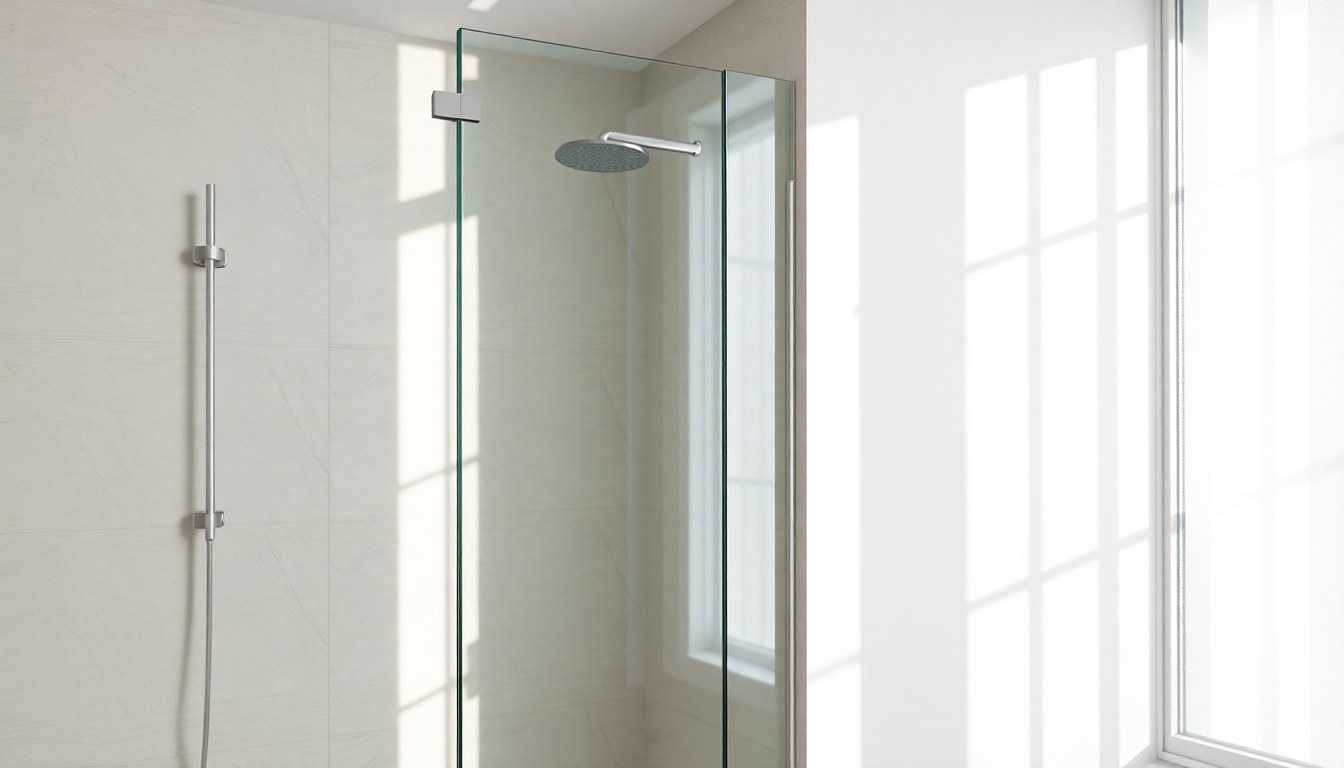
When shopping for a shower enclosure in India, you'll notice that 10mm tempered glass dominates the market—and for good reason. This thickness isn't arbitrary; it's mandated by safety standards, engineering best practices, and warranty requirements that protect both manufacturers and homeowners. Understanding why 10mm has become the gold standard will help you make an informed decision and avoid costly mistakes in your bathroom renovation.
Indian Safety Standards and Building Codes
India's building regulations, particularly the National Building Code (NBC) and Bureau of Indian Standards (BIS) guidelines, establish minimum safety requirements for glass installations in wet areas. While the NBC doesn't explicitly prescribe a single thickness for shower enclosures, it emphasizes that all glass used in bathrooms must be tempered (also called toughened) and capable of withstanding thermal and mechanical stress without creating dangerous sharp fragments if broken.
The 10mm thickness emerged as the industry standard because it strikes the optimal balance between safety and practicality. Thinner glass (6mm or 8mm) can meet basic codes in some applications but offers less protection against impact and thermal shock—common hazards in the high-moisture, temperature-fluctuating bathroom environment. Thicker glass (12mm or 15mm) provides extra durability but becomes unnecessarily heavy, expensive, and difficult to install in residential settings.
- Tempered glass requirement: All shower enclosure glass must be heat-treated to increase strength and safety
- Impact resistance: 10mm tempered glass withstands daily impacts from bottles, brushes, and accidental contact
- Thermal stress tolerance: Handles temperature swings from hot showers to cold mornings without cracking
- Fragment safety: When broken, tempered glass crumbles into small, relatively harmless granules rather than sharp shards
Load-Bearing Capacity and Structural Integrity
A shower enclosure glass panel must support its own weight plus the dynamic forces created by water pressure, wind from ventilation, and occasional impacts. A 10mm tempered glass panel typically weighs 25-30 kg per square meter, depending on the exact composition. This weight is manageable for standard bathroom hinges, frames, and wall anchors designed for residential use.
When you reduce thickness to 8mm, the panel becomes lighter but significantly less rigid. Under the constant pressure of water and humidity, thinner panels can develop micro-flexing, which accelerates seal degradation and increases the risk of leaks. At 10mm, the glass maintains sufficient rigidity to prevent flex while remaining light enough that standard bathroom infrastructure can support it without reinforcement.
Why Thickness Matters for Long-Term Performance
The relationship between thickness and rigidity follows engineering principles: a glass panel's resistance to bending increases exponentially with thickness. Moving from 8mm to 10mm doesn't just add 25% more material—it increases structural stiffness by approximately 56%. This means fewer vibrations, better seal integrity, and longer gasket lifespan. Over a 10-15 year period, this translates to fewer leaks and maintenance issues.
Warranty and Manufacturer Standards
Most reputable shower enclosure manufacturers in India—brands sold across Delhi, Mumbai, Bangalore, and other major cities—offer 10-year warranties specifically on 10mm tempered glass installations. This isn't coincidence; manufacturers have calculated that 10mm glass, when properly installed, delivers the reliability needed to honor extended warranties without excessive claim rates.
If you purchase a shower enclosure with 6mm or 8mm glass, you may find that the warranty is either shorter (typically 2-5 years) or explicitly excludes certain failure modes like stress cracks or seal leaks. Manufacturers use thickness as a key metric to define their product tier and warranty commitment. A 10mm enclosure signals a commitment to durability; thinner options are marketed as budget alternatives with corresponding limitations.
- 10mm glass enclosures: 10-year warranties (standard for premium brands)
- 8mm glass enclosures: 5-7 year warranties (mid-range products)
- 6mm glass enclosures: 2-3 year warranties (budget segment)
- Warranty typically covers manufacturing defects, not user-caused damage
Cost-Benefit Analysis: Why 10mm Remains Affordable
You might assume that 10mm glass costs proportionally more than 8mm, but the actual price difference in India is modest—often only 15-25% higher for a complete enclosure. This is because the cost of manufacturing tempered glass is dominated by the tempering process itself, not raw material. Whether you're tempering 6mm or 10mm glass, the furnace time, handling, and quality control costs remain relatively constant.
When you factor in longevity, fewer repairs, and warranty coverage, 10mm glass becomes the more economical choice over a 10-15 year horizon. A homeowner who saves ₹5,000-10,000 by choosing 8mm glass might spend ₹15,000-20,000 on repairs, resealing, and replacement within a decade. The premium for 10mm is essentially an investment in peace of mind and durability.
Regional Pricing Considerations
Prices vary across India based on local manufacturing capacity and import duties. In cities like Pune, Hyderabad, and Chennai with established glass manufacturing hubs, 10mm enclosures may be 10-15% cheaper than in smaller towns that rely on imports. Shopping through established directories and local suppliers can help you find competitive pricing without compromising on the 10mm standard.
Thermal Shock and Climate Resilience
India's diverse climate—from humid coastal regions to dry northern plains—subjects bathroom glass to varying thermal stresses. A common failure mode in poorly specified enclosures is thermal shock: when cold water splashes onto warm glass during a hot shower, the surface temperature drops rapidly while the interior remains warm, creating internal stress. If the glass is too thin, this stress exceeds the material's tolerance, leading to cracks.
10mm tempered glass distributes thermal stress more evenly across its thickness, reducing the risk of thermal shock failure. The added mass also means slower temperature change, giving the glass more time to equalize internally. This resilience is especially important in India's monsoon regions where humidity and temperature swings are extreme.
Installation and Practical Considerations
10mm glass is the industry standard for installation because it works seamlessly with commonly available hardware, frames, and sealing systems. Hinges, handles, and frame channels are engineered with 10mm glass in mind. Using thinner glass may require custom hardware or compromise on fit and function. Using thicker glass (12mm+) can cause alignment issues and increase installation costs.
Professional installers across India are trained on 10mm specifications, which means faster, more reliable installation. If you choose a non-standard thickness, you may face delays, custom ordering, or installation errors that void warranties. Sticking with 10mm ensures you can access qualified installers and replacement parts easily in any Indian city.
- Standard hardware is engineered for 10mm glass
- Installation time is predictable and faster
- Replacement parts and repairs are readily available
- Professional installers are familiar with 10mm specifications
- Custom thicknesses may require special orders and higher costs
Frequently Asked Questions
Is 8mm tempered glass safe for shower enclosures in India?
8mm tempered glass meets basic safety codes and is used in budget enclosures, but it offers less thermal shock resistance and lower impact tolerance than 10mm. While it won't suddenly shatter under normal use, it's more prone to stress cracks over time, especially in humid climates. If cost is a concern, 10mm remains the best value because its longevity offsets the modest price premium.
Can I use 6mm glass for a small shower enclosure?
6mm glass is generally not recommended for shower enclosures in India, even for small spaces. The reduced thickness increases flex and stress concentration, making it vulnerable to thermal shock and impact. Most manufacturers and installers advise against 6mm for full enclosures, though it may be acceptable for small splash panels or partitions in high-end designs where structural support is supplemented by the frame.
Why is tempered glass mandatory, and what happens if it breaks?
Tempered glass is mandatory because when it breaks, it crumbles into small, relatively harmless granules instead of sharp shards. This dramatically reduces injury risk. If your 10mm tempered glass enclosure breaks, you'll see a spider-web pattern of cracks and granular fragments, but no dangerous jagged edges. Untreated glass would shatter into large, razor-sharp pieces—a serious safety hazard in a wet bathroom.
Does 10mm glass reduce water leakage compared to thinner options?
Indirectly, yes. Because 10mm glass is stiffer and less prone to flexing, the seals and gaskets maintain better contact with the frame and glass surface. This reduces micro-gaps where water can seep. Thinner glass flexes more, which accelerates gasket wear and creates pathways for leaks. So while the glass itself doesn't "seal" water, its rigidity supports the seal system's effectiveness over time.
What's the price difference between 10mm and 8mm shower enclosures in India?
A 10mm tempered glass enclosure typically costs 15-25% more than an equivalent 8mm model, translating to roughly ₹5,000-15,000 additional investment depending on size and brand. However, when you account for the longer warranty (10 years vs. 5 years), reduced maintenance, and fewer repairs, the 10mm option becomes more economical over the enclosure's lifetime.
Make the Right Choice for Your Bathroom
10mm tempered glass has become India's shower enclosure standard because it delivers the optimal balance of safety, durability, affordability, and ease of installation. Whether you're renovating in Bangalore, Delhi, or any other Indian city, specifying 10mm glass ensures compliance with building codes, access to quality hardware and installers, and confidence in your investment. When you're ready to explore shower enclosure options from verified suppliers and manufacturers, visit the glassy.in directory to connect with trusted glass businesses near you.