
Shower Enclosures
Laminated Glass for Skylights: Safety, UV Blocking & Condensation Prevention
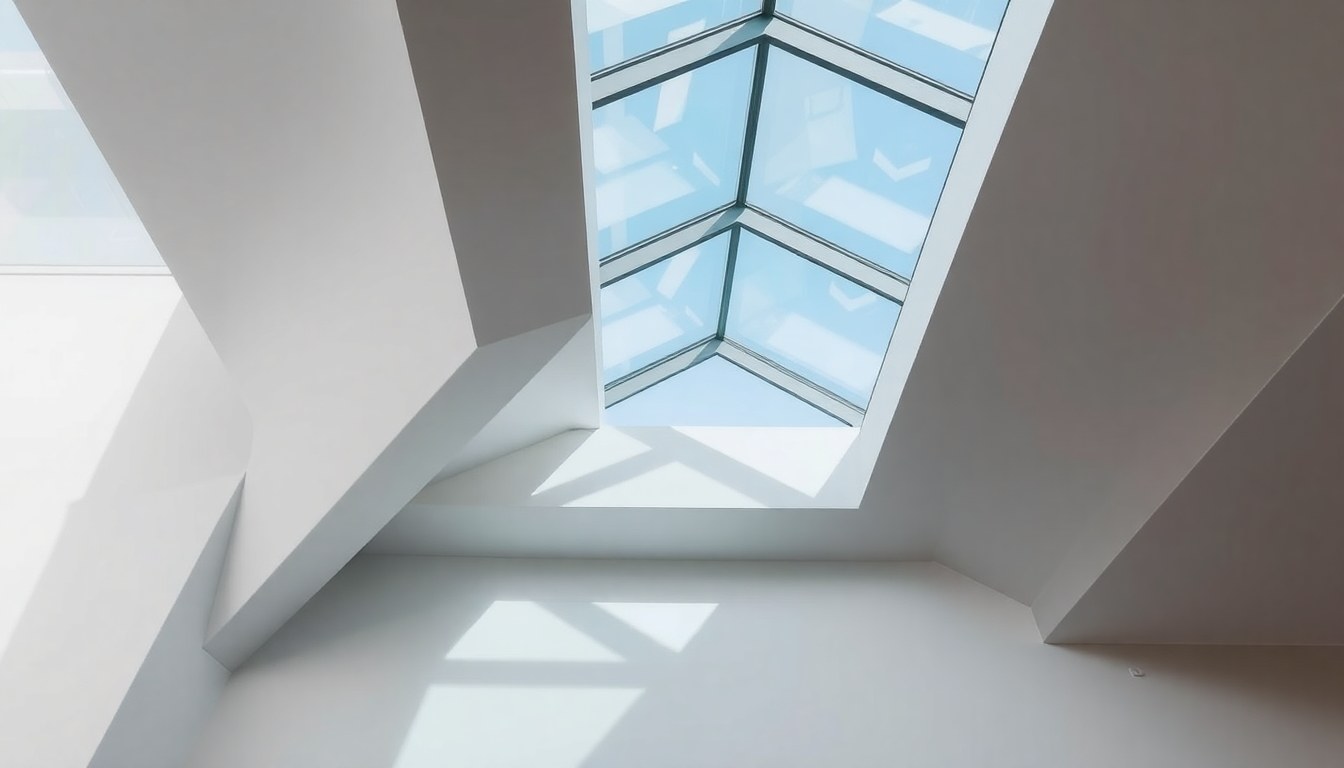
Skylights flood your home with natural light, but standard glass leaves you vulnerable to shattered glass, harmful UV rays, and moisture buildup. Laminated glass skylights solve all three problems by bonding two panes with a protective interlayer that holds fragments together, blocks UV radiation, and works seamlessly with insulated glass units (IGUs) to prevent condensation. Whether you're renovating a Mumbai apartment or building a new home in Bangalore, understanding laminated glass skylight options helps you choose the safest, most energy-efficient solution for your roof.
Why Laminated Glass is Essential for Skylights
Skylights experience unique stresses that standard glass cannot handle safely. Falling branches, hail, thermal shock, and accidental impact from roof maintenance all pose shattered-glass hazards directly above occupied spaces. Laminated glass prevents catastrophic failure by bonding two or more glass panes with an interlayer—typically polyvinyl butyral (PVB) or ethylene vinyl acetate (EVA)—that acts like a safety net, keeping glass fragments adhered even after impact.
Beyond safety, skylights are exposed to intense sunlight for 8–10 hours daily in Indian climates. Unprotected glass transmits 100% of UV radiation, fading furniture, carpets, and artwork while increasing indoor heat gain. Laminated glass with UV-blocking interlayers reduces fading by up to 99% and lowers cooling costs by reflecting solar energy before it enters living spaces. This dual benefit makes laminated glass the preferred choice for premium residential and commercial skylights across India.
Safety Standards for Skylight Glass
Indian Building Code (IBC) and Bureau of Indian Standards (BIS) recommend laminated or tempered glass for all skylights in occupied buildings. Laminated glass is preferred because tempered glass, while strong, shatters into small cubes that can still cause injury if a pane fails. Laminated glass meets IS 2553:2007 (safety glass) and offers superior performance in high-traffic areas, bathrooms, and commercial spaces where falling glass poses genuine risk.
UV-Blocking Interlayer Options for Skylights
The interlayer in laminated glass determines its UV-blocking capability and optical clarity. Choosing the right interlayer balances light transmission, heat control, and UV protection for your specific climate and building use.
Polyvinyl Butyral (PVB) Interlayers
PVB is the most common interlayer material, offering excellent clarity and UV protection. Standard PVB blocks 99% of UV-A and UV-B radiation, protecting interiors from fading and reducing solar heat gain by 10–15%. PVB interlayers come in various thicknesses (0.38 mm to 1.52 mm), with thicker interlayers providing greater acoustic insulation and impact resistance. For Indian climates with intense sun exposure, 0.76 mm PVB is the industry standard for skylights.
PVB does have one limitation: it yellows slightly over 10–15 years under extreme UV exposure, particularly in tropical regions. This discoloration is purely cosmetic and does not affect UV-blocking performance, but it can slightly reduce light transmission. High-performance PVB formulations now include UV stabilizers that minimize yellowing and maintain optical clarity for 20+ years.
Ethylene Vinyl Acetate (EVA) Interlayers
EVA interlayers offer superior clarity and color stability compared to PVB, making them ideal for skylights where light transmission is critical. EVA blocks 98% of UV radiation while maintaining pristine optical clarity indefinitely. However, EVA is softer than PVB and provides less acoustic insulation. EVA interlayers are commonly used in high-end residential skylights where aesthetics and light quality take priority over sound dampening.
Tinted and Reflective Interlayers
For skylights in hot climates or south-facing orientations, tinted interlayers reduce solar heat gain by 30–40% while maintaining UV protection. Bronze, gray, and green tints are popular in Indian markets. Reflective interlayers (with metallic coatings) offer maximum heat rejection but reduce light transmission by 40–50%, making them suitable only for commercial spaces where glare control is essential. Cost comparison:
- Standard PVB (0.76 mm): ₹800–₹1,200 per sq. meter
- High-performance PVB (UV-stabilized): ₹1,200–₹1,800 per sq. meter
- EVA interlayers: ₹1,500–₹2,200 per sq. meter
- Tinted/reflective interlayers: ₹1,800–₹2,800 per sq. meter
Condensation Prevention with Insulated Glass Units (IGUs)
Condensation on skylights occurs when warm, humid indoor air contacts cold glass surfaces. In Indian bathrooms, kitchens, and bedrooms, this moisture buildup leads to mold, wood rot, and reduced skylight visibility. The solution is an insulated glass unit (IGU)—also called a double-glazed unit—where laminated glass is paired with a second pane, separated by a sealed air gap or inert gas.
How IGUs Prevent Condensation
A standard single-pane laminated skylight has an interior surface temperature that matches outdoor air temperature. In monsoon season, when outdoor temperatures drop to 15–18°C and indoor humidity reaches 70–80%, condensation forms instantly on the inner glass surface. An IGU with a 12 mm air gap increases the inner surface temperature by 8–12°C, raising it above the dew point and preventing condensation entirely.
For maximum condensation prevention in humid climates, specify an IGU with argon gas fill (instead of air) and a low-emissivity (Low-E) coating on the inner pane. Argon gas reduces heat transfer, keeping the inner surface warmer, while Low-E coatings reflect indoor heat back into the room. This combination can reduce condensation by 95% in tropical climates.
IGU Specifications for Indian Skylights
Standard IGU skylight configurations include:
- 6 mm laminated + 12 mm air gap + 6 mm tempered glass: Entry-level, suitable for dry climates and non-critical areas. Cost: ₹2,500–₹3,500 per sq. meter.
- 8 mm laminated + 12 mm argon + 6 mm Low-E tempered: Premium option for humid regions, bathrooms, and kitchens. Cost: ₹4,500–₹6,500 per sq. meter.
- 10 mm laminated + 16 mm argon + 8 mm Low-E tempered: Luxury specification for high-end residences and commercial buildings. Cost: ₹6,500–₹9,000 per sq. meter.
Waterproofing and Installation Best Practices
Proper waterproofing is critical because skylights are exposed to direct rainfall and wind-driven moisture. Laminated glass itself is waterproof, but the frame, seal, and flashing are vulnerable to leaks if installed incorrectly.
Frame and Seal Selection
Aluminum frames are industry standard for skylights because they resist rust and moisture. However, aluminum conducts heat, creating thermal bridges that reduce IGU insulation performance. Thermally broken aluminum frames—with polyamide inserts between inner and outer aluminum—reduce heat transfer by 40–50%. For maximum thermal performance, specify frames with EPDM gaskets and silicone sealants rated for 20+ years in tropical climates.
Flashing and Roof Integration
Flashing is the critical interface between the skylight frame and roof structure. Water must flow around the flashing, not under it. Proper flashing installation requires:
- Flashing installed in layers: upper flashing overlaps roof shingles, lower flashing sits above roof surface.
- Silicone sealant applied at all flashing joints and frame edges.
- Roof pitch minimum 15° to ensure water runoff; flat roofs require special sloped curbs.
- Ventilation gap (50 mm minimum) between skylight frame and roof insulation to allow air circulation and prevent moisture accumulation.
In Indian monsoon regions, many installers add an additional waterproofing membrane (bituminous or EPDM) under the flashing for extra protection. This adds ₹500–₹1,000 per skylight but reduces leak risk significantly.
Laminated Glass vs. Polycarbonate Skylights: Cost and Performance Comparison
Polycarbonate is a popular alternative to glass skylights because it is lighter, cheaper, and unbreakable. However, laminated glass outperforms polycarbonate in several critical ways for permanent roof installations.
- UV Protection: Laminated glass blocks 99% of UV rays; polycarbonate blocks 98–99% but degrades over 10–15 years, requiring replacement.
- Optical Clarity: Laminated glass maintains crystal-clear transparency indefinitely; polycarbonate yellows and clouds over time, reducing light transmission by 20–30%.
- Thermal Performance: IGU laminated glass with Low-E coating reduces heat transfer by 70%; polycarbonate (even double-wall) reduces heat transfer by only 40–50%.
- Condensation: Laminated IGUs prevent condensation; polycarbonate's poor insulation leads to heavy condensation in humid climates.
- Lifespan: Laminated glass lasts 50+ years; polycarbonate requires replacement every 15–20 years.
- Cost (initial): Polycarbonate skylights: ₹1,500–₹2,500 per sq. meter. Laminated glass skylights: ₹2,500–₹9,000 per sq. meter.
- Cost (lifecycle): Polycarbonate total cost over 50 years (including 2–3 replacements): ₹6,000–₹10,000 per sq. meter. Laminated glass total cost: ₹2,500–₹9,000 per sq. meter.
For permanent installations in homes and commercial buildings, laminated glass is the superior choice despite higher upfront cost. Polycarbonate is appropriate only for temporary structures, greenhouses, or applications where occasional replacement is acceptable.
Installation Considerations for Indian Climates
India's diverse climate zones require tailored skylight specifications. Coastal regions (Mumbai, Chennai) demand extra corrosion resistance and waterproofing. Arid regions (Delhi, Rajasthan) prioritize heat rejection and UV protection. Monsoon regions (Kerala, Goa) require robust flashing and condensation prevention.
Always hire certified installers familiar with local building codes and climate conditions. Improper installation voids warranties and leads to leaks, condensation, and premature failure. Budget 30–40% of skylight cost for professional installation, flashing, and waterproofing—this investment protects your home for decades.
Frequently Asked Questions
Does laminated glass block UV rays completely?
Laminated glass with standard PVB interlayers blocks 99% of UV-A and UV-B radiation, providing near-complete protection from fading and skin damage. The remaining 1% is negligible and does not cause measurable fading or health risk. EVA and tinted interlayers also block 98–99% of UV rays, making all laminated glass options effective for UV protection.
Can I install a laminated glass skylight on a flat roof?
Yes, but flat roofs require a sloped curb (minimum 15° pitch) to direct water away from the skylight frame. Without a curb, water pools around the skylight and eventually leaks through the flashing. Curb installation adds ₹3,000–₹8,000 depending on size and material, but is essential for flat-roof skylights in India's monsoon climate.
How often do IGU skylights develop condensation?
A properly installed IGU with argon gas and Low-E coating rarely develops condensation, even in humid climates. Condensation may appear briefly on cold winter mornings or after hot showers, but it typically evaporates within 30 minutes as the inner glass warms. If condensation persists for hours, the IGU seal has likely failed and requires professional inspection.
What is the typical lifespan of a laminated glass skylight?
Laminated glass itself lasts 50+ years with no degradation. The interlayer (PVB or EVA) remains effective indefinitely in most climates, though PVB may yellow slightly after 15–20 years in extreme tropical sun. The frame, gaskets, and flashing typically last 20–30 years and may require maintenance or replacement. Overall skylight lifespan is 30–50 years with proper installation and maintenance.
Are laminated glass skylights more expensive than tempered glass?
Yes, laminated glass skylights cost 15–25% more than tempered glass skylights. However, laminated glass offers superior safety (fragments stay bonded), better UV protection, and superior condensation prevention when used in IGUs. For residential applications where safety and comfort are priorities, the additional cost is justified. Tempered glass is acceptable in commercial or industrial settings where safety standards are less stringent.
Ready to upgrade your home with premium laminated glass skylights? Explore certified glass suppliers and installers in your city through the glassy.in directory. Compare quotes, read reviews, and connect with trusted professionals who understand Indian building codes and climate requirements. Your perfect skylight solution is just a search away.