
Shower Enclosures
Laminated Glass for Skylights: UV Protection & Durability in Monsoon
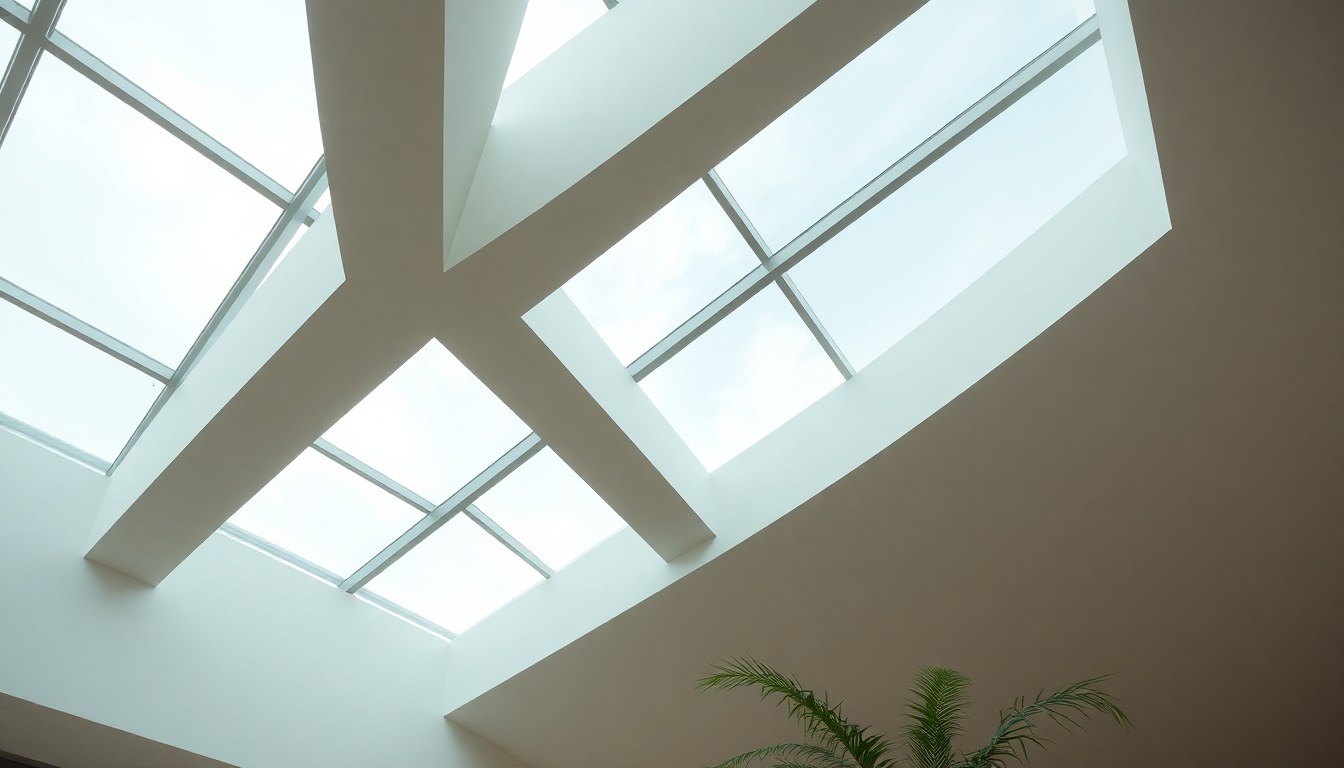
Skylights flood homes with natural light but expose interiors to intense UV radiation and weather stress—especially during India's brutal monsoon season. Laminated glass skylights combine safety, UV protection, and weather resilience in ways that toughened glass simply cannot match, making them the superior choice for overhead glazing in Indian climates.
Why Laminated Glass Outperforms Toughened Glass for Skylights
Toughened (tempered) glass has earned a reputation for strength, but overhead applications demand more than raw impact resistance. When toughened glass breaks, it shatters into small, harmless cubes—but the entire pane fails at once, leaving your home exposed to weather and debris. Laminated glass, by contrast, holds together even when damaged because an interlayer (typically polyvinyl butyral or PVB) bonds two or more glass sheets together.
In a monsoon downpour, a cracked toughened skylight becomes a liability. Water penetrates freely, damaging insulation, drywall, and furnishings. A laminated glass skylight with the same crack remains structurally intact; the interlayer prevents the pane from separating, and water infiltration is dramatically reduced. This resilience makes laminated glass the standard for overhead glazing in climates with heavy rain, hail, and wind-driven moisture.
Additionally, laminated glass naturally filters UV radiation through its interlayer, while toughened glass offers no inherent UV protection. For skylights, where sunlight is direct and prolonged, this difference matters for both interior fading and occupant health.
Understanding Interlayer Options for Skylight Lamination
The interlayer is the heart of laminated glass performance. Different materials and thicknesses deliver different benefits, and choosing the right one depends on your climate, budget, and aesthetic goals.
Polyvinyl Butyral (PVB)
PVB is the most common interlayer in India and globally. It offers excellent clarity, strong adhesion to glass, and reliable UV filtering. Standard PVB (typically 0.76 mm thick per layer) filters approximately 99% of UVB and 65–75% of UVA radiation. For monsoon regions, PVB-laminated skylights provide proven durability at competitive prices (₹3,500–₹8,000 per square meter for residential-grade laminated glass, depending on thickness and supplier).
PVB performs well in humid conditions and resists delamination when exposed to moisture over years. It also dampens sound, a bonus if you live near traffic or experience heavy rain noise.
Ethylene Vinyl Acetate (EVA) and Ionoplast
EVA interlayers are softer and more flexible than PVB, offering better impact absorption. Ionoplast resins (such as Saflex Ionomer) are harder and more rigidly bonded to glass, providing superior structural performance in extreme weather. Ionoplast-laminated skylights cost 20–40% more than PVB but excel in high-wind zones and areas prone to hail.
For Chennai and Hyderabad, where monsoon winds can exceed 60 km/h and occasional hail occurs, ionoplast interlayers justify the premium investment. They also resist yellowing better over decades, maintaining clarity and UV protection longer than PVB.
UV Protection: Safeguarding Interiors and Health
India's tropical and subtropical climates expose homes to intense solar radiation year-round. Unfiltered UV light fades furniture, artwork, and textiles within months and contributes to skin damage for occupants in sun-exposed rooms.
Standard laminated glass with PVB interlayer blocks roughly 99% of UVB (the most damaging form) and 65–75% of UVA. For enhanced protection, manufacturers offer UV-absorbing interlayers that filter up to 99.9% of UVA and UVB combined. These premium interlayers cost ₹1,500–₹3,000 more per square meter but are worthwhile for living rooms, home offices, and bedrooms where occupants spend extended time beneath skylights.
The interlayer's UV filtering is permanent and does not degrade with age, unlike window films or coatings that may peel or cloud. This makes laminated glass a lifetime investment in both interior preservation and occupant wellness.
Tinted and Reflective Laminated Glass
Some manufacturers offer laminated skylights with tinted interlayers (bronze, gray, or green) that reduce solar heat gain and glare while maintaining UV protection. In Chennai and Hyderabad, where cooling costs are significant, tinted laminated skylights can reduce air-conditioning load by 15–25% while still admitting ample daylight. Reflective or low-emissivity (Low-E) coatings can be applied to one surface of the glass before lamination, further enhancing thermal control.
Installation and Maintenance for Monsoon Climates
Proper installation is critical for laminated glass skylights to perform as intended, especially in high-rainfall regions.
Sealing and Flashing
Skylights fail not because of the glass but because of poor sealing around the frame. During monsoon, water-driven wind can force rain into gaps between the skylight frame and roof structure. Use silicone sealant (Grade A, rated for exterior exposure) around the entire perimeter, and ensure the flashing (metal trim that bridges the skylight frame and roof) is properly sloped to shed water away from the building.
In Chennai and Hyderabad, where salt-laden air accelerates corrosion, specify stainless-steel or aluminum flashing with protective coatings. Galvanized steel flashing will rust within 3–5 years in coastal areas.
Condensation and Ventilation
Laminated glass skylights can develop interior condensation during monsoon season if indoor humidity is high and the skylight is not ventilated. Install a small vent or ensure the room has adequate air circulation. In bathrooms and kitchens, use exhaust fans to manage moisture before it reaches the skylight.
If condensation persists, consider double-glazed laminated skylights (two laminated panes with an air gap). This adds cost (₹12,000–₹25,000 per square meter) but virtually eliminates condensation and improves thermal insulation.
Cleaning and Care
Laminated glass skylights require minimal maintenance. Clean the exterior quarterly or after heavy rain to remove dust, bird droppings, and organic matter that can trap moisture. Use a soft cloth and mild soap solution; avoid abrasive cleaners that may scratch the glass or interlayer. Interior cleaning is straightforward—standard glass cleaner and a lint-free cloth suffice.
Cost-Benefit Analysis: Laminated vs. Toughened Skylights
Laminated glass skylights cost 30–50% more upfront than toughened glass skylights of the same size. A 1.2 m × 1.2 m laminated skylight in a residential setting typically costs ₹8,000–₹15,000, while a toughened equivalent runs ₹5,000–₹10,000.
However, the long-term savings and risk mitigation justify the premium:
- Water damage prevention: A single monsoon leak can cause ₹50,000–₹2,00,000 in structural and furnishing damage. Laminated glass reduces this risk significantly.
- Interior preservation: UV protection prevents fading, extending the life of furniture and textiles by decades.
- Safety: Laminated glass holds together if cracked, preventing sharp glass shards and sudden water ingress.
- Resale value: Homes with high-quality skylights command premium prices in Indian real estate markets.
- Energy efficiency: Tinted or Low-E laminated skylights reduce cooling costs by 15–25% in tropical climates.
Over a 25-year lifespan, laminated glass skylights deliver better value than toughened alternatives, especially in monsoon-prone regions like Chennai, Hyderabad, Bangalore, and Mumbai.
Selecting the Right Supplier in India
Quality varies significantly among Indian glass manufacturers. When sourcing laminated skylights, verify that the supplier:
- Uses certified interlayer materials (PVB, EVA, or ionoplast from recognized global manufacturers like Eastman or Kuraray).
- Operates an autoclave or vacuum-press lamination facility to ensure proper bonding and eliminate air bubbles.
- Provides documentation of UV transmission values and interlayer specifications.
- Offers warranties covering delamination (typically 10–15 years for residential use).
- Has experience installing skylights in your region's climate (monsoon, coastal, or high-altitude).
Reputable manufacturers in Chennai, Hyderabad, Bangalore, and Mumbai include both multinational brands (Guardian, Asahi, Saint-Gobain) and established Indian players. Request samples and compare clarity, tint, and interlayer adhesion before committing to a large order.
Frequently Asked Questions
Will laminated glass skylight block all UV radiation?
Standard laminated glass with PVB interlayer blocks approximately 99% of UVB and 65–75% of UVA. Enhanced UV-absorbing interlayers filter up to 99.9% of both UVA and UVB. No glass blocks 100% of UV, but laminated glass provides far superior protection compared to standard or toughened glass, which offer minimal UV filtering.
How long do laminated glass skylights last in monsoon climates?
When properly installed and maintained, laminated glass skylights last 25–40 years in monsoon climates. The glass itself is permanent, but the interlayer may gradually yellow or lose some optical clarity after 20+ years of intense UV exposure. Regular cleaning and proper ventilation extend the lifespan significantly. Toughened glass skylights, by contrast, fail catastrophically when cracked, often within 10–15 years in high-rainfall regions.
Is double-glazed laminated glass necessary for skylights in India?
Double-glazed laminated skylights (two laminated panes with an air gap) are optional but recommended for bathrooms, kitchens, and high-humidity areas. They eliminate condensation and improve thermal insulation, reducing cooling costs by an additional 10–15%. For living rooms and bedrooms in Chennai and Hyderabad, single-glazed laminated skylights are sufficient if properly ventilated. Double-glazing adds ₹4,000–₹10,000 per square meter to the cost.
Can laminated glass skylights be repaired if cracked?
Minor cracks (hairline fractures) in laminated glass skylights do not compromise performance; the interlayer holds the glass together and prevents water infiltration. However, the crack is visible and may propagate over time. Large cracks or significant damage require professional replacement of the entire skylight unit. Repair is not practical because the interlayer cannot be replaced without removing the glass.
What is the best interlayer for skylights in coastal areas like Chennai?
Ionoplast interlayers (such as Saflex Ionomer) are ideal for coastal regions because they resist delamination in salt-laden, humid air better than PVB. Ionoplast-laminated skylights cost 20–40% more but offer superior durability and maintain clarity longer. Pair ionoplast glass with stainless-steel or coated aluminum flashing to maximize corrosion resistance in coastal monsoon climates.
Conclusion
Laminated glass skylights are the superior choice for Indian homes in monsoon-prone regions. They combine permanent UV protection, exceptional weather resilience, and safety benefits that toughened glass cannot match. By selecting the appropriate interlayer, ensuring professional installation, and maintaining proper ventilation, you can enjoy decades of natural light without risking water damage, interior fading, or safety hazards.
Ready to upgrade your home with high-quality laminated glass skylights? Explore certified glass suppliers and installation specialists in your region through the glassy.in directory. Compare quotes, read reviews, and connect with experienced professionals who understand monsoon climates and local building standards.