
Shower Enclosures
Frosted Glass for Bathroom Privacy: Acid-Etching vs Film Application
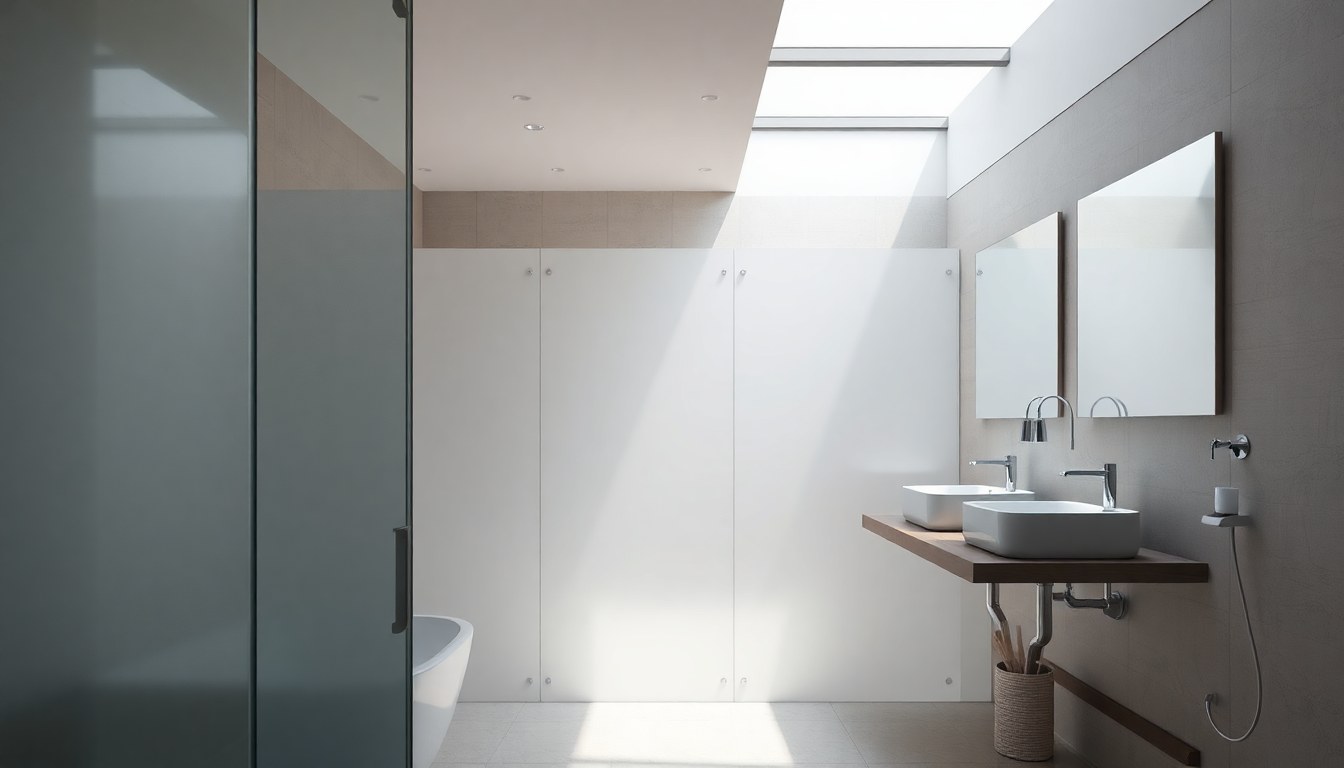
Frosted glass has become the go-to solution for bathroom privacy in modern Indian homes, offering a balance between natural light and seclusion. When it comes to achieving that frosted effect, two primary methods dominate the market: acid-etching and film application. Understanding the differences between these techniques will help you make an informed decision that aligns with your budget, aesthetic preferences, and long-term maintenance expectations.
Understanding Acid-Etched Frosted Glass
Acid-etching is a permanent glass treatment process where hydrofluoric acid or similar chemical compounds are applied to the glass surface to create a frosted appearance. The acid chemically alters the glass surface, creating a diffused, matte finish that scatters light evenly throughout the bathroom. This method has been used in the glass industry for decades and remains a popular choice for high-end bathroom installations across India.
The acid-etching process involves careful application of the chemical compound to bare glass, which then etches the surface at a microscopic level. The result is a uniform, permanent frosting that becomes an integral part of the glass itself. This permanence is one of the key advantages that attracts homeowners and architects alike.
How Acid-Etching Works
During the acid-etching process, the glass is first cleaned thoroughly to ensure the chemical adheres evenly. The acid is then applied using spray, brush, or immersion methods, depending on the size and shape of the glass piece. The duration of acid exposure determines the depth and intensity of the frosted effect—longer exposure creates a more opaque finish. After the desired frosting level is achieved, the glass is rinsed with water and neutralized to stop the chemical reaction.
Exploring Frosted Glass Film Applications
Frosted glass films are adhesive-backed vinyl or polyester products that mimic the appearance of acid-etched glass without permanently altering the glass surface. These films are applied directly to the glass using specialized techniques and can be removed without damage. They've gained significant popularity in recent years due to their affordability and ease of installation, making them an attractive option for budget-conscious homeowners and rental properties.
The film consists of multiple layers: a frosted top layer that provides privacy, an adhesive layer that bonds to the glass, and a backing layer that's removed during installation. High-quality frosted films can look remarkably similar to acid-etched glass, though they behave differently in terms of durability and maintenance.
Installation Process for Films
Installing frosted glass film requires precision and skill. The glass surface must be meticulously cleaned and dried before application. The film is then carefully positioned and smoothed onto the glass using a squeegee to remove air bubbles. Professional installation typically takes a few hours per bathroom, depending on the number of glass panels and their size. The adhesive sets fully within 24-48 hours, after which the bathroom can be used normally.
Durability and Longevity Comparison
When evaluating durability, acid-etched glass holds a significant advantage. Since the frosting is permanent and part of the glass structure, it cannot wear off, peel, or fade. Acid-etched glass maintains its appearance indefinitely, requiring only regular cleaning with mild soap and water. In a humid bathroom environment, this permanence is invaluable—there's no risk of the frosting deteriorating due to moisture exposure.
Frosted films, while durable when properly installed, have a finite lifespan. High-quality films typically last 5-10 years before showing signs of wear, peeling at edges, or developing a hazy appearance. Humidity, temperature fluctuations, and direct water exposure can accelerate degradation. Budget films may deteriorate faster, sometimes within 2-3 years. However, the removable nature of films means you can replace them without replacing the glass itself.
- Acid-etched glass: Permanent solution lasting the lifetime of the glass (20+ years)
- Premium frosted films: 5-10 years with proper care
- Standard frosted films: 2-5 years depending on bathroom conditions
- Maintenance: Both require regular cleaning, but films need more careful handling
Cost Analysis: Initial Investment and Long-Term Value
Cost is often the deciding factor for many Indian homeowners. Frosted glass films are significantly cheaper upfront, typically ranging from ₹200 to ₹500 per square foot depending on film quality and brand. A standard bathroom partition of 10-15 square feet might cost ₹2,000 to ₹7,500 for film application. Installation charges add another ₹1,000 to ₹3,000, depending on complexity.
Acid-etched glass costs more initially, ranging from ₹800 to ₹1,500 per square foot, with the same 10-15 square foot partition costing ₹8,000 to ₹22,500. However, when you calculate the cost per year over the lifespan of the solution, acid-etching becomes more economical. A film that costs ₹5,000 but needs replacement every 7 years costs approximately ₹714 annually, whereas acid-etched glass costing ₹15,000 and lasting 25+ years costs approximately ₹600 annually.
Hidden Costs to Consider
When budgeting for frosted glass solutions, factor in maintenance and replacement costs. Films may require professional reapplication if they peel or bubble, which can cost ₹3,000-₹5,000 each time. Acid-etched glass, once installed, has virtually no hidden costs beyond standard glass cleaning supplies. For homeowners planning to stay in their property long-term, the initial investment in acid-etching often proves more economical.
Design Flexibility and Aesthetic Options
Both methods offer design versatility, but in different ways. Acid-etching allows for intricate patterns, custom designs, and varying opacity levels to be incorporated during the manufacturing process. You can achieve decorative borders, custom logos, or artistic patterns that become permanent features of the glass. However, custom acid-etching requires advance planning and typically involves longer lead times, as the glass must be specially manufactured.
Frosted films excel in design flexibility after installation. You can apply them to existing glass without replacement, combine different opacity levels, and even incorporate decorative elements or patterns. Films can be easily changed if you want to update your bathroom aesthetic, making them ideal for those who like to refresh their spaces periodically. Many Indian homeowners appreciate this flexibility, especially in rental properties where permanent modifications aren't possible.
- Acid-etching: Permanent patterns, custom designs, limited post-installation changes
- Films: Easy pattern changes, decorative options, can be removed and replaced
- Opacity control: Both methods offer various levels, from light frosting to complete privacy
Maintenance and Cleaning Considerations
Maintaining frosted glass surfaces differs slightly between the two methods. Acid-etched glass is straightforward to clean—use a soft cloth, mild soap, and water. The frosted surface doesn't trap dirt as easily as some might think, and standard glass cleaners work well. The main consideration is avoiding abrasive scrubbers that could scratch the glass itself, though this applies to any glass surface.
Frosted films require gentler handling during cleaning. Avoid using harsh chemicals or abrasive materials that could damage or peel the film edges. Use soft microfiber cloths and mild, non-abrasive cleaners. Excessive water pressure or steam from hot showers can gradually weaken the adhesive, particularly at seams and edges. Regular inspection for peeling or bubbling helps catch issues early before they worsen.
Environmental and Safety Factors
The acid-etching process involves chemical handling, which raises environmental considerations. Professional manufacturers follow strict safety protocols and waste disposal regulations to minimize environmental impact. The process itself is safe once completed—the finished glass is perfectly safe for bathroom use with no chemical residue.
Frosted films are generally considered safe and non-toxic once installed, though the adhesives used are chemical-based. Some premium films use eco-friendly adhesives, which is worth checking if environmental concerns are important to you. Both methods are safe for families and pets once installation is complete. Neither method involves ongoing chemical exposure in the bathroom environment.
Choosing Between Acid-Etching and Film Application
Your choice between acid-etching and film application depends on several factors specific to your situation. Choose acid-etching if you're installing frosted glass in a permanent home, want a maintenance-free solution, prefer custom designs, and can invest more upfront. This method is ideal for high-end bathroom renovations and situations where the glass will remain in place for many years.
Choose frosted film if you're renting, want an affordable privacy solution, like design flexibility, prefer reversibility, or need a quick installation. Films work well for temporary privacy needs, budget-conscious projects, or when you want to test the frosted glass aesthetic before committing to permanent solutions. They're also perfect for commercial spaces like office bathrooms where periodic updates are common.
Frequently Asked Questions
Can frosted glass film be applied to existing bathroom glass?
Yes, frosted glass film can be applied to existing glass surfaces without requiring glass replacement. The glass must be clean and dry before application. This is one of the major advantages of film—you don't need to remove or replace the existing glass. Professional installation ensures proper adhesion and a bubble-free finish. Films work on both shower enclosures and bathroom windows.
Is acid-etched glass more hygienic than frosted film?
Both acid-etched glass and frosted films are hygienic when properly maintained. The frosted surface of either method doesn't harbor more bacteria than regular glass. Regular cleaning with soap and water keeps both surfaces sanitary. Acid-etched glass may have a slight advantage in high-moisture environments because there are no adhesive seams that could trap moisture, but both are suitable for bathrooms when maintained properly.
How long does frosted glass film last in a humid bathroom?
Quality frosted films typically last 5-10 years in humid bathroom environments. The lifespan depends on film quality, installation expertise, bathroom ventilation, and how much direct water exposure the film receives. Proper ventilation and occasional inspection help extend film life. If your bathroom has excellent ventilation and the film isn't in direct shower spray, it may last toward the longer end of this range.
Can acid-etched glass be removed or changed?
No, acid-etching is a permanent process. Once the glass is etched, the frosting cannot be removed without replacing the glass entirely. If you want to change the design or remove the frosting, you must purchase new glass. This permanence is a key consideration when choosing acid-etching—ensure you're satisfied with the design before committing to the process.
Which option is better for shower enclosures specifically?
For shower enclosures, acid-etched glass is generally the better choice due to its permanence and resistance to constant water exposure. Shower enclosures experience more moisture and water contact than bathroom windows, which can accelerate film degradation. However, high-quality frosted films designed for wet areas can work in shower enclosures with proper installation and good bathroom ventilation. Consider your budget and long-term plans when deciding.
Whether you choose acid-etched glass or frosted film, both solutions effectively provide bathroom privacy while maintaining natural light. Visit the glassy.in directory to connect with glass professionals across India who specialize in frosted glass installations. Browse verified suppliers, compare quotes, and find the perfect solution for your bathroom privacy needs.