
Glass Partitions
Frosted Glass Partitions for Open Office Cabins: Sound Absorption & Design Trends 2026
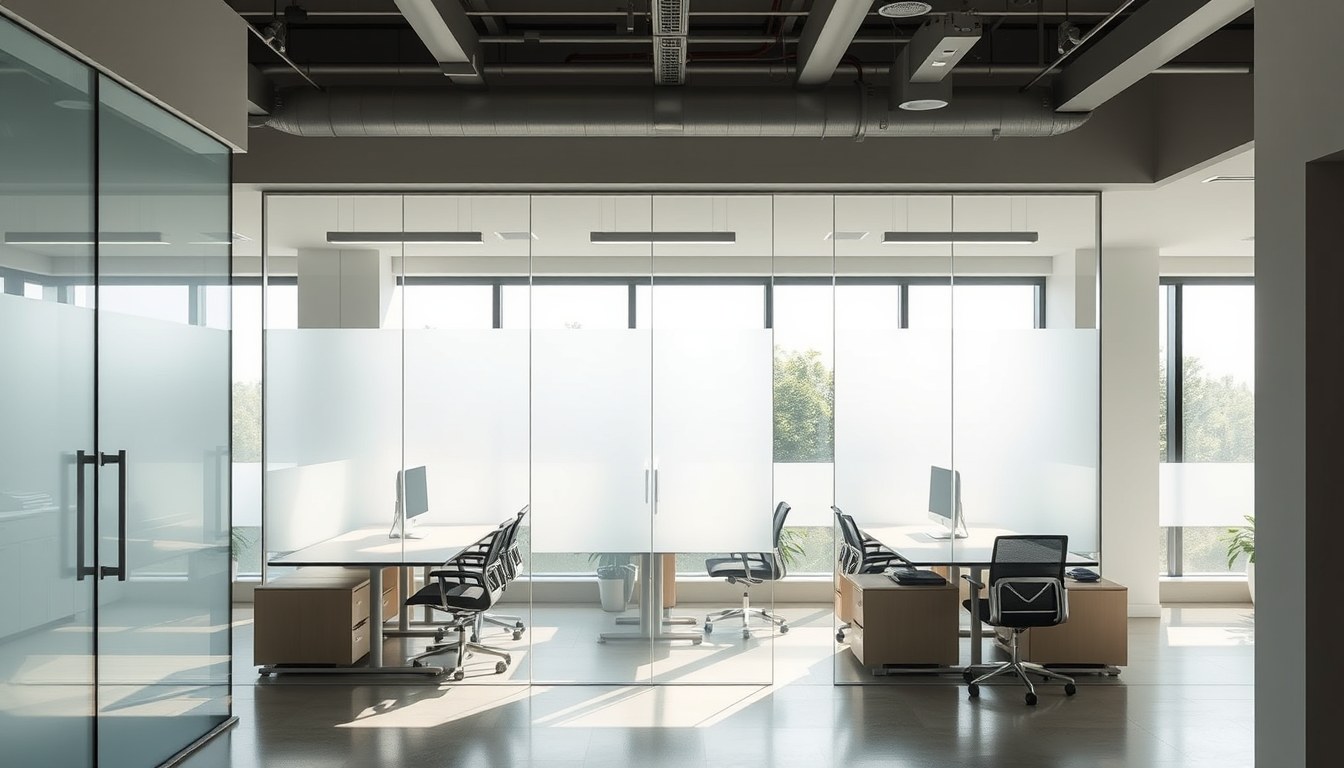
Open-plan offices dominate Indian tech parks and startup hubs, but noise, distraction, and lack of privacy remain persistent challenges. Frosted glass partitions offer a modern solution—they maintain visual connectivity and natural light while delivering meaningful sound absorption and acoustic control. As workspace design evolves in 2026, frosted glass cabins are becoming the standard for Bangalore tech companies, Mumbai startups, and enterprise offices across India.
Why Frosted Glass Partitions Are Ideal for Open Office Cabins
Frosted glass partitions strike a balance that solid walls and traditional cubicles cannot match. They create semi-private workspaces without the claustrophobic feel of enclosed rooms, allowing employees to focus while remaining visually connected to the broader office environment. This design approach supports collaborative culture—teams can see movement and activity without constant visual interruption.
The aesthetic appeal is equally important. Frosted glass delivers a contemporary, premium look that signals investment in workplace quality. Unlike opaque partitions or fabric panels, frosted glass reflects professional design standards and photographs well for company branding. For Bangalore's competitive tech talent market and Mumbai's startup ecosystem, this visual sophistication matters when attracting and retaining skilled workers.
Acoustic Performance: How Frosted Glass Controls Sound
Sound absorption in frosted glass partitions depends on three factors: glass thickness, glazing composition, and the use of acoustic-rated laminates. Standard frosted glass alone provides limited sound reduction—typically 30-35 dB. However, laminated frosted glass with acoustic interlayers significantly improves performance, reducing sound transmission by 40-50 dB or more, depending on specification.
Laminated acoustic glass features a viscoelastic interlayer that dampens vibrations rather than reflecting them. When sound waves strike the glass, the interlayer absorbs energy, preventing noise from traveling through to the adjacent space. For open offices, this means phone calls remain confidential, focused work becomes possible, and meeting rooms maintain acoustic integrity even when surrounded by activity.
Decibel Levels and Real-World Application
Understanding decibel reduction helps specify the right partition. A normal conversation measures around 60 dB. With standard frosted glass, sound leakage remains noticeable. With laminated acoustic glass (40-50 dB reduction), conversation becomes muffled and difficult to understand—adequate for most office scenarios. For executive cabins, conference rooms, or sensitive client meetings, 50+ dB reduction is recommended.
- Standard frosted glass: 30-35 dB reduction—suitable for visual privacy only
- Laminated frosted glass (single layer): 40-45 dB reduction—ideal for general office cabins
- Double-glazed laminated frosted glass: 50+ dB reduction—recommended for executive suites and meeting rooms
Design Trends for Frosted Glass Office Cabins in 2026
Contemporary office design increasingly favors modular, flexible systems that adapt to changing team structures and work patterns. Frosted glass partitions support this flexibility—they can be installed, reconfigured, and removed without permanent structural changes. This modularity appeals to growing startups and established companies undergoing organizational restructuring.
Color and finish variations are expanding. While classic frosted white remains popular, designers now specify subtle tints—soft grey, light blue, or champagne finishes—that add personality without compromising light transmission. Integrated privacy glass technology (switchable frosted glass that transitions from transparent to frosted electronically) is gaining adoption in premium office projects, though cost remains a consideration for mid-market Indian businesses.
Integration with Biophilic and Wellness Design
2026 office design increasingly incorporates natural elements and wellness principles. Frosted glass partitions support this trend by maintaining natural light flow while reducing visual clutter. Plants, wooden accents, and natural materials pair effectively with frosted glass, creating calm, focused work environments. This approach aligns with employee wellness priorities—natural light exposure improves mood and productivity.
Flexible Cabin Layouts for Hybrid Work
Hybrid work models require offices to accommodate focused individual work, small team collaboration, and spontaneous meetings. Frosted glass partitions enable this flexibility by creating semi-private spaces that feel neither isolated nor exposed. Modular cabin systems with frosted glass panels allow organizations to reconfigure layouts quarterly or annually as work patterns evolve, maximizing real estate efficiency.
Specifying Frosted Glass Partitions: Technical Considerations
Selecting the right frosted glass partition system requires understanding your specific acoustic, privacy, and aesthetic requirements. Work with experienced architects and interior designers who understand both the technical specifications and the practical constraints of your office space.
Thickness and Lamination
Frosted glass partitions typically range from 6mm to 12mm in thickness. Thicker glass provides better sound absorption and structural rigidity but increases cost. For most office applications, 8-10mm laminated frosted glass offers the optimal balance. Ensure the acoustic interlayer is specified—standard lamination for safety alone does not provide adequate sound absorption.
Framing and Installation
The frame system significantly impacts acoustic performance. Aluminum frames with rubber gaskets and proper sealing minimize sound leakage at joints and edges. Poorly sealed frames can undermine the acoustic benefits of quality glass. Floor-to-ceiling installation with sealed top and bottom tracks ensures consistent acoustic performance. Avoid gaps between the partition and structural elements—these act as acoustic shortcuts.
Compliance and Safety Standards
Ensure specifications comply with Indian building codes. Laminated glass is mandatory for safety in partitions that could be struck or damaged. Confirm that acoustic ratings are certified by recognized testing standards—ISO 717-1 is the international standard for sound insulation in buildings. Reputable glass suppliers and installers will provide test certificates documenting acoustic performance.
Cost and Budget Considerations for Indian Offices
Frosted glass partition costs vary significantly based on glass type, acoustic specification, framing system, and installation complexity. Standard frosted glass partitions typically cost ₹800–₹1,500 per square meter. Laminated acoustic frosted glass ranges from ₹1,500–₹3,500 per square meter, depending on thickness and acoustic rating. Double-glazed systems with advanced acoustic properties can exceed ₹4,000 per square meter.
For a typical 4m × 3m office cabin (12 sq. meters), budget ₹18,000–₹42,000 for materials and installation. While this exceeds basic drywall partitions, the benefits—flexibility, aesthetics, light transmission, and acoustic control—often justify the investment over a 10-15 year office lifecycle. Many organizations find frosted glass partitions cost-competitive with traditional construction when accounting for reconfiguration flexibility and reduced need for supplementary acoustic treatments.
When evaluating suppliers, consult established glass dealers and interior design firms. SABRI GLASS HOUSE and GLASS CONSORTIUM are reliable sources for quality frosted glass specifications and installation. For design consultation, firms like Void + Edifice Architectural Design Studio and LINEAR ARCHITECTS specialize in contemporary office layouts incorporating frosted glass systems.
Case Study: Frosted Glass Cabins in Bangalore and Mumbai Tech Offices
Bangalore's tech corridor has rapidly adopted frosted glass partition systems. Major IT companies and mid-sized startups report that frosted glass cabins improve focus, reduce noise complaints, and enhance the visual appeal of open offices. The light transmission properties prove especially valuable in Bangalore's tropical climate—frosted glass partitions allow natural light to penetrate deeper into office layouts, reducing daytime lighting costs and improving employee comfort.
Mumbai startups similarly benefit from frosted glass design. In space-constrained Mumbai offices, the visual lightness of frosted glass partitions creates a sense of spaciousness that solid walls cannot achieve. Acoustic benefits address the challenge of high ambient noise from city streets and neighboring offices. Several Mumbai design studios now specify frosted glass as standard for client office projects, recognizing its alignment with contemporary workplace expectations.
Installation and Maintenance Best Practices
Professional installation is critical for acoustic performance. Ensure installers seal all joints, edges, and connections with acoustic sealant. Poor installation can reduce acoustic benefits by 20-30%. Verify that the installer has experience with laminated frosted glass systems and understands the importance of airtight construction.
Maintenance is straightforward. Frosted glass partitions require regular cleaning—use standard glass cleaner and soft cloths to avoid scratching the frosted surface. Avoid abrasive materials or harsh chemicals that can damage the frosted finish. Inspect seals annually, particularly around high-traffic areas or where partitions meet structural elements, and reseal if gaps develop.
Frequently Asked Questions
How much sound does frosted glass actually block?
Standard frosted glass blocks approximately 30-35 dB of sound. Laminated acoustic frosted glass blocks 40-50 dB, making conversation difficult to understand through the partition. Double-glazed laminated systems achieve 50+ dB reduction. The exact reduction depends on glass thickness, interlayer composition, and installation quality. For reference, a normal conversation is 60 dB, so 40-45 dB reduction makes speech unintelligible but not completely silent.
Can frosted glass partitions be reconfigured or removed?
Yes—this is a major advantage of modular frosted glass partition systems. Unlike permanent drywall construction, frosted glass cabins can be disassembled, relocated, or reconfigured to accommodate organizational changes. This flexibility makes them ideal for growing companies and organizations adapting to hybrid work models. Removal typically requires only disconnecting framing components and unbolting from floor and ceiling.
Is frosted glass more expensive than traditional drywall partitions?
Frosted glass partitions are more expensive upfront—typically 2-3 times the cost of basic drywall. However, when accounting for reconfiguration flexibility, aesthetic value, light transmission, and acoustic benefits, the long-term cost-per-use often favors frosted glass. Additionally, frosted glass eliminates the need for supplementary acoustic panels or additional treatments, potentially offsetting initial cost differences.
What maintenance do frosted glass partitions require?
Maintenance is minimal. Regular cleaning with standard glass cleaner keeps the frosted surface clear. Avoid abrasive materials that scratch the frosted finish. Inspect seals annually and reseal if gaps develop. Unlike drywall partitions, frosted glass does not require painting, repainting, or repair of damage—scratches are less visible on frosted surfaces, and the material is inherently durable.
Are frosted glass partitions suitable for all office types?
Frosted glass partitions work well for most office environments—tech companies, startups, professional services, and corporate offices. They are less suitable for spaces requiring maximum acoustic isolation (recording studios, sensitive client confidentiality areas) or where complete visual privacy is essential. For these specialized applications, consider double-glazed systems with enhanced acoustic specifications or hybrid solutions combining frosted glass with solid panels.
Conclusion: Designing Modern Office Spaces with Frosted Glass
Frosted glass partitions represent the future of office design in India. They balance the transparency and collaboration benefits of open offices with the focus and privacy that modern workers require. With acoustic performance that genuinely reduces noise distraction, aesthetic appeal that signals investment in workplace quality, and flexibility that adapts to evolving work patterns, frosted glass cabins are becoming standard in Bangalore tech parks, Mumbai startups, and professional offices nationwide.
As you plan your office renovation or new workspace, consider frosted glass partitions as a strategic investment in employee productivity, workplace aesthetics, and long-term flexibility. Consult experienced glass suppliers and design professionals to specify systems that match your acoustic requirements, budget, and design vision.
Ready to explore frosted glass partition options for your office? Browse verified glass dealers, architects, and interior designers on glassy.in—India's largest glass-business directory. Connect with local experts in your city who understand your specific office needs and can deliver quality installations backed by professional support.