
Glass Partitions
Frosted Glass Partition Thickness & Sound Insulation: What You Need
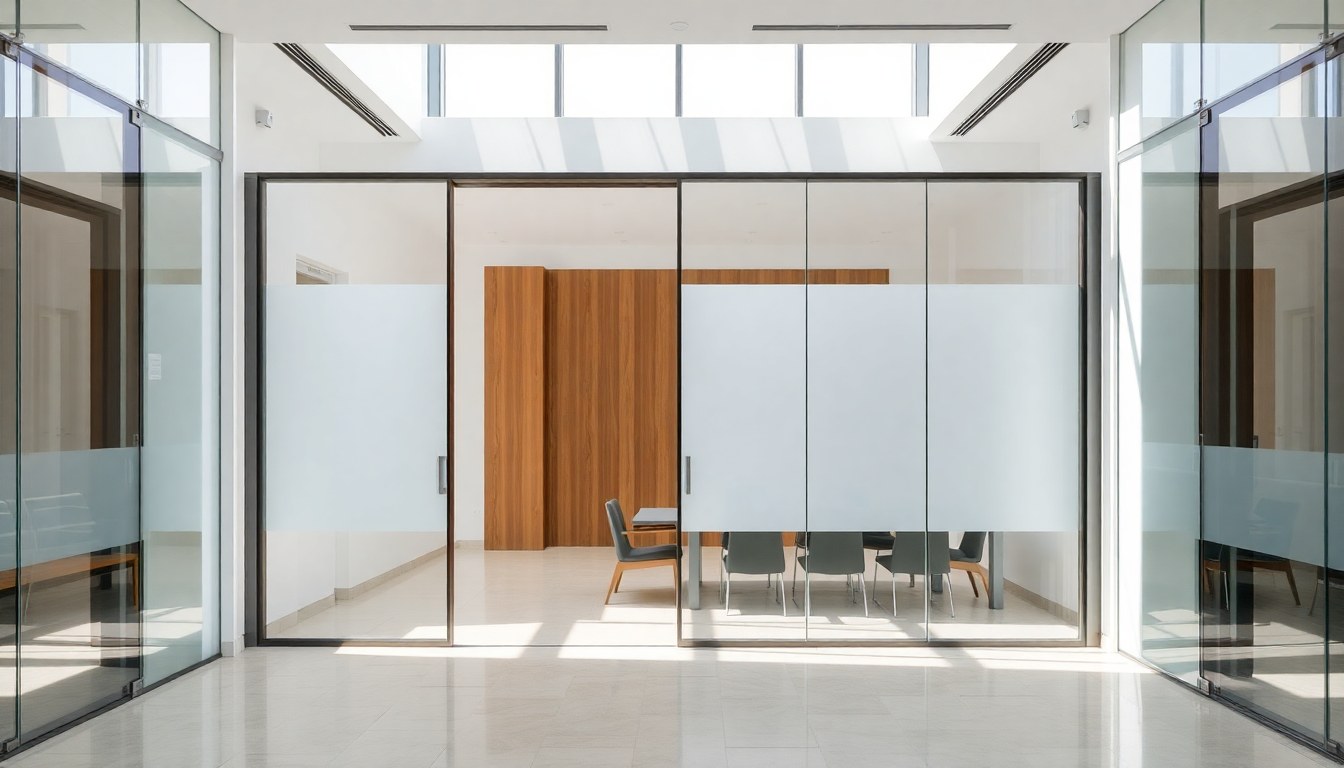
Frosted glass partitions have become the go-to solution for modern offices, studios, and healthcare facilities across India—they deliver visual privacy while maintaining an open, professional aesthetic. However, many business owners overlook a critical factor: the relationship between glass thickness and acoustic performance. The thickness you choose directly determines how much sound passes through, making it essential to understand your options before investing in partitions.
Understanding Glass Thickness and Sound Insulation Basics
Sound insulation in glass partitions works on a simple principle: denser, thicker materials absorb and reflect more sound energy. When sound waves hit a glass surface, some energy is reflected back into the source room, some is absorbed by the glass itself, and some passes through to the other side. The thicker the glass, the more sound energy it can dissipate before reaching the opposite side.
Glass thickness is measured in millimetres (mm) and typically ranges from 4mm to 12mm for partition applications in India. The most common options are 4mm, 6mm, 8mm, and 10mm. Each thickness level offers different acoustic performance characteristics, and selecting the right one depends on your noise environment, budget, and privacy requirements. It's important to note that doubling the thickness doesn't necessarily double the sound reduction—the relationship is logarithmic, meaning each additional 2-3mm provides diminishing returns in acoustic improvement.
How Sound Reduction Is Measured
Acoustic performance is typically measured using the Sound Reduction Index (SRI), expressed in decibels (dB). A higher SRI value means better sound insulation. For example, a 4mm glass partition might offer an SRI of around 28-30dB, while a 10mm partition could reach 40-42dB. In practical terms, a 10dB improvement is perceived by the human ear as roughly a 50% reduction in loudness.
Frosted Glass Thickness Options: 4mm, 6mm, 8mm, and 10mm
4mm Frosted Glass Partitions
4mm is the thinnest standard option and the most budget-friendly. It provides basic visual privacy through the frosting process while offering minimal sound insulation—typically around 28-30dB SRI. This thickness works well for low-noise environments such as quiet office spaces, reception areas, or retail showrooms where visual separation is the primary goal rather than acoustic control.
The advantages of 4mm glass include lower cost (approximately ₹300-500 per square foot in India), lightweight installation, and a sleek, modern appearance. However, it will not significantly reduce conversation noise, ringing phones, or light background music from adjacent spaces. If your priority is privacy from prying eyes rather than sound blocking, 4mm is adequate.
6mm Frosted Glass Partitions
6mm represents a middle ground between cost and performance. It delivers a modest improvement in sound insulation, reaching approximately 32-34dB SRI. This thickness is suitable for small meeting rooms, individual office cabins, or studio spaces where moderate noise control is needed. It blocks roughly 50% more sound than 4mm glass.
At approximately ₹400-650 per square foot, 6mm offers better value for acoustic performance than 4mm. It's popular in corporate offices across Bangalore, Mumbai, and Delhi where open-plan layouts require some sound separation without the expense of thicker glass. The frosting maintains privacy while the increased thickness provides noticeable acoustic improvement for normal office conversations.
8mm Frosted Glass Partitions
8mm glass is where serious acoustic performance begins. It typically achieves 36-38dB SRI, making it suitable for sound-sensitive environments. This thickness is recommended for recording studios, audio post-production facilities, therapy rooms, and executive conference rooms where conversation confidentiality is important.
The cost ranges from ₹500-800 per square foot, representing a significant jump from 6mm. However, the acoustic improvement is substantial—most people will find conversations on the other side of 8mm glass difficult to understand clearly. If your facility experiences moderate to high ambient noise, or if confidentiality is critical, 8mm is the recommended minimum thickness.
10mm Frosted Glass Partitions
10mm is the premium option, offering excellent sound insulation at approximately 40-42dB SRI. This thickness is ideal for high-noise environments, hospitals, legal offices, and professional studios where maximum privacy and acoustic control are non-negotiable. At this thickness, most conversations become nearly inaudible from the other side.
The cost is substantially higher—₹700-1200 per square foot—but the acoustic performance justifies the investment for noise-critical applications. Many premium corporate offices, healthcare facilities, and broadcasting studios in Indian metros specify 10mm as their standard. The frosting combined with the thickness creates an effective privacy barrier both visually and acoustically.
Selecting the Right Thickness for Your Space
Office Environments
Standard corporate offices with moderate noise levels typically benefit from 6mm to 8mm frosted glass. Open-plan layouts with high foot traffic and multiple conversations happening simultaneously warrant 8mm or thicker. For executive offices, boardrooms, and confidential meeting spaces, 8mm is the industry standard. Consider the background noise level in your facility—if you're near a busy road or have industrial operations nearby, choose 8mm or 10mm.
Recording Studios and Audio Facilities
Audio recording requires exceptional sound isolation. Minimum 8mm is recommended, with 10mm being the preferred choice for professional studios. Many studios combine thick glass with additional acoustic treatments like mineral wool or foam inside the partition cavity for even better performance. SAN Design Square in Bangalore specializes in custom glass solutions for studios and creative spaces.
Healthcare and Therapy Spaces
Patient confidentiality and acoustic comfort are paramount in healthcare settings. Hospitals, clinics, therapy rooms, and counselling centres should use minimum 8mm, preferably 10mm frosted glass. This ensures conversations remain private and patients feel secure in their consultations.
Retail and Hospitality
Retail showrooms, hotel meeting rooms, and restaurant private dining areas typically use 6mm frosted glass. Visual privacy is the primary concern, though some acoustic separation is beneficial. 6mm offers the right balance of cost and performance for these applications.
Installation and Additional Acoustic Considerations
Thickness alone doesn't guarantee sound insulation—installation quality matters significantly. Gaps around frames, poor sealing, and hollow partition structures allow sound to bypass the glass entirely. Ensure your installer uses proper acoustic sealants and gaskets. The frame material also influences performance; aluminium frames with rubber gaskets perform better than wooden frames.
For maximum acoustic performance, consider laminated glass instead of standard toughened glass. Laminated frosted glass (where two or more glass panes are bonded with a plastic interlayer) offers superior sound damping. A 6mm laminated glass can match or exceed the acoustic performance of 8mm standard glass. Additionally, adding an air gap between two separate glass panels (double-glazing) dramatically improves sound insulation—for example, two 6mm panes with a 50mm air gap can achieve 45+ dB SRI.
When sourcing materials, work with established suppliers like Sri Lakshmi Glass Plywood And Hardware who understand both frosting specifications and acoustic requirements. Proper installation by experienced professionals ensures you achieve the acoustic performance your investment should deliver.
Cost-Benefit Analysis: Thickness vs. Investment
The cost difference between thicknesses adds up quickly across larger partition areas. For a 100 square foot partition, the difference between 4mm and 10mm could be ₹40,000-70,000. However, investing in adequate thickness upfront is more cost-effective than retrofitting later or dealing with noise complaints from staff and clients.
Consider the long-term value: improved employee productivity in quiet spaces, better client confidentiality, reduced noise-related stress, and professional appearance. These benefits often justify the additional investment in thicker glass. For most professional environments in India, 8mm represents the optimal balance between cost and acoustic performance.
Frequently Asked Questions
Does frosted glass reduce sound better than clear glass of the same thickness?
No—frosting is a surface treatment that affects light transmission, not acoustic properties. A 6mm frosted glass partition and a 6mm clear glass partition have virtually identical sound insulation. The frosting provides visual privacy, while thickness provides acoustic performance. If you need both privacy types, choose your thickness based on acoustic needs and specify frosting for visual privacy.
Can I add soundproofing material behind frosted glass to improve insulation?
Yes, absolutely. Adding mineral wool, acoustic foam, or fibreglass inside the partition cavity (behind the glass) significantly improves sound absorption. Many professional studios and healthcare facilities use this approach. A 6mm glass partition with 50mm of acoustic material can outperform 10mm glass alone. Discuss this option with your installer to determine the best configuration for your space.
Is 8mm frosted glass enough for a recording studio?
8mm can work for basic voice recording or podcasting, especially if combined with acoustic treatments. However, professional music recording studios typically prefer 10mm glass paired with additional acoustic insulation. The investment in thicker glass plus proper acoustic design ensures your studio meets professional standards and isolates external noise effectively.
How does temperature affect frosted glass partition performance?
Temperature changes cause glass to expand and contract slightly, but this doesn't significantly impact acoustic performance. However, poor sealing around frames can worsen in extreme temperatures, allowing sound to leak through gaps. Ensure your installer uses high-quality, temperature-resistant sealants and gaskets rated for India's climate variations.
What's the difference between frosted and tinted glass for partitions?
Frosting and tinting are separate visual treatments. Frosted glass scatters light for diffused privacy, while tinted glass (grey, bronze, or green) reduces light transmission. Both offer similar acoustic performance at the same thickness. You can also get frosted-tinted glass combining both effects. Choose based on your aesthetic preference and lighting needs; thickness remains the primary acoustic factor.
Make the Right Choice for Your Space
Selecting frosted glass partition thickness requires balancing acoustic performance, budget, and your specific noise environment. For most professional spaces in India, 8mm frosted glass offers excellent value—it provides meaningful sound insulation while remaining cost-effective. For noise-critical applications like studios and healthcare, invest in 10mm. For quiet offices focused primarily on visual privacy, 6mm suffices.
Ready to specify the right frosted glass partitions for your project? Browse India's largest glass-business directory at glassy.in to connect with experienced glass suppliers, installers, and architects who understand acoustic requirements and can guide you toward the perfect solution for your space.