
Glass Partitions
Frosted Glass vs Fluted Glass Partitions: Opacity, Light, and Aesthetics Compared
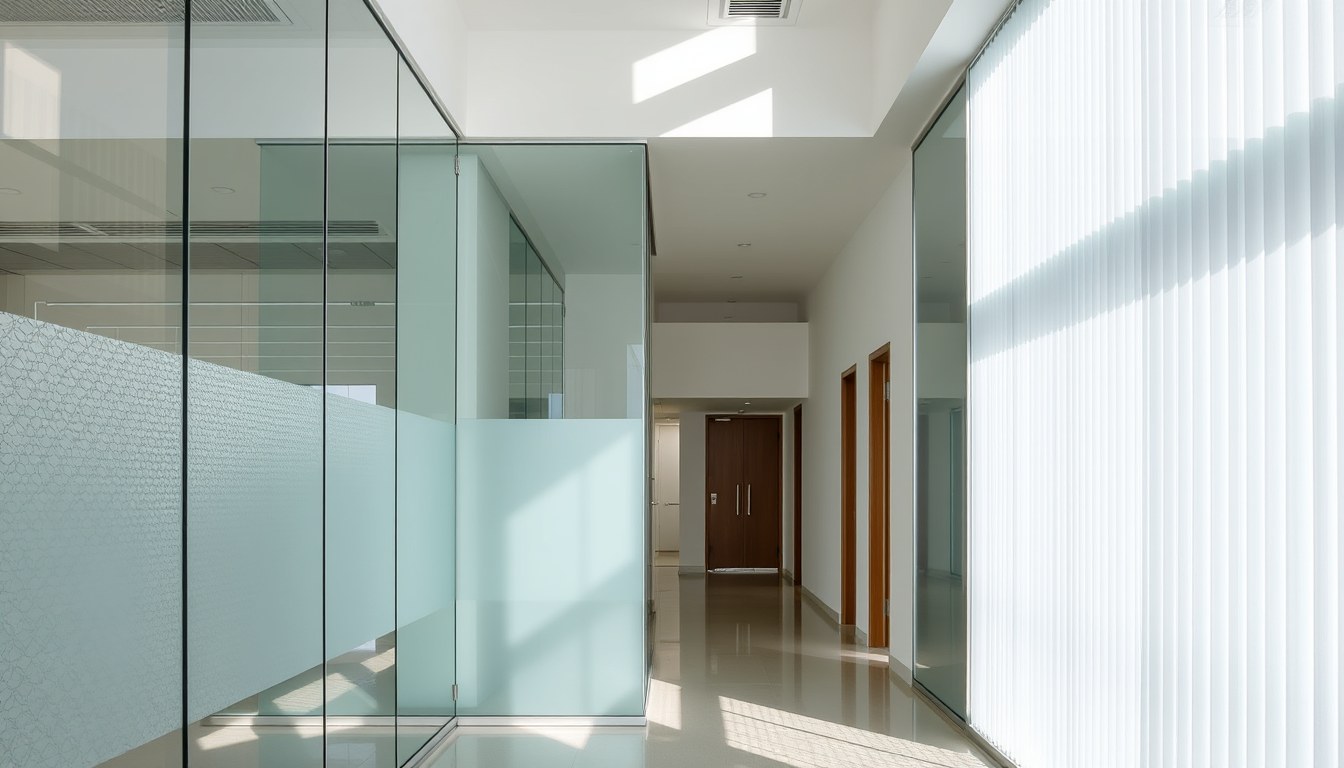
When designing modern office spaces, frosted and fluted glass partitions have become go-to solutions for creating semi-private areas while maintaining visual openness. Both options offer distinct advantages in privacy, light diffusion, and aesthetic appeal, but they work differently and suit different design goals. Understanding their key differences helps you make an informed choice that aligns with your workspace needs, budget, and brand identity.
What Are Frosted and Fluted Glass Partitions?
Frosted glass is created by acid-etching or sandblasting the surface of clear glass, resulting in a uniform, opaque finish that obscures visibility while still allowing light to pass through. The process removes the glass's transparency, creating a milky, uniform appearance that feels modern and minimalist. This finish is applied evenly across the entire pane, making it a straightforward solution for privacy without sacrificing natural light.
Fluted glass, by contrast, features vertical or horizontal ridges and grooves molded into the glass during manufacturing. These linear patterns refract light and create visual distortion, making it difficult to see clearly through while still maintaining a sense of depth and dimension. Fluted glass is sometimes called "reeded glass" or "ribbed glass," and the grooves can vary in width and spacing depending on the specific product.
Privacy Levels: How Each Performs
Frosted Glass Privacy
Frosted glass offers consistent, uniform privacy across the entire partition. Because the surface is evenly textured, it prevents clear visibility from either side—someone cannot discern facial features, body movements, or detailed activities through frosted glass. This makes it ideal for spaces requiring moderate to high privacy, such as executive offices, meeting rooms, or confidential work areas.
The privacy level of frosted glass is predictable and reliable. If someone stands directly against the glass, they may cast a silhouette, but details remain obscured. This characteristic makes frosted glass a trusted choice in healthcare facilities, legal offices, and corporate environments where privacy is non-negotiable.
Fluted Glass Privacy
Fluted glass provides privacy through optical distortion rather than opacity. The ridges bend and scatter light rays, making it difficult to see straight through. However, the level of privacy can vary depending on the groove depth and spacing—finer flutes offer better privacy, while wider, shallower grooves provide less obstruction to vision.
Fluted glass maintains a sense of movement and presence on the other side of the partition. You can often detect whether someone is there and their general silhouette, but fine details remain hidden. This makes fluted glass suitable for spaces requiring moderate privacy where you still want to sense activity and movement—such as between open-plan office areas or creative studios.
Light Diffusion and Brightness
How Frosted Glass Handles Light
Frosted glass excels at diffusing natural light evenly throughout a space. The etched surface scatters light rays in all directions, eliminating harsh shadows and creating soft, ambient illumination. This diffusion is particularly valuable in offices where you want to maximize natural light while minimizing glare and maintaining privacy.
The light transmission of frosted glass typically ranges from 50-80%, depending on the etching intensity. Lighter frosted finishes allow more light through, while darker or heavier frosting reduces light penetration. This flexibility allows designers to calibrate privacy and brightness to specific room requirements. Unlike fluted glass, frosted glass creates a uniform brightness without the linear patterns that can sometimes create visual rhythm or distraction.
How Fluted Glass Handles Light
Fluted glass diffuses light through refraction, bending light rays along the direction of the grooves. This creates a more directional light diffusion compared to frosted glass. The ridges can cast subtle shadows and create a textured appearance, adding visual interest and depth to the partition.
Light transmission through fluted glass typically ranges from 60-85%, making it comparable to frosted glass in terms of brightness. However, the quality of light differs—fluted glass produces a slightly more dynamic lighting effect with gentle linear patterns, whereas frosted glass provides uniform, soft illumination. In spaces with abundant natural light, fluted glass can create an elegant, layered aesthetic.
Aesthetic and Design Considerations
Frosted glass conveys a clean, contemporary aesthetic that works well in minimalist, corporate, and tech-forward office designs. Its uniform appearance feels sophisticated and intentional, making it popular in high-end corporate environments and modern startups. Frosted glass also pairs seamlessly with metal frames (aluminum or steel) and works across various color palettes.
Fluted glass introduces texture and visual complexity, making it ideal for designs that prioritize warmth and sophistication. The linear grooves add a subtle architectural detail that catches light differently throughout the day, creating dynamic visual interest. Fluted glass works particularly well in upscale offices, hospitality spaces, and designs that emphasize craftsmanship and attention to detail.
The choice between the two often comes down to brand identity. A law firm or financial institution might prefer frosted glass for its professional, neutral appearance, while a design agency or creative studio might opt for fluted glass to showcase aesthetic sophistication and attention to detail.
Cost, Maintenance, and Durability
Frosted glass is generally more affordable than fluted glass because the etching or sandblasting process is straightforward and cost-effective at scale. Installation costs are similar to standard glass partitions. Maintenance is simple—frosted glass can be cleaned with standard glass cleaner, though fingerprints may be slightly more visible on lighter finishes.
Fluted glass typically costs 15-25% more than frosted glass due to the molding process required during manufacturing. The grooves can collect dust and require slightly more thorough cleaning to maintain a pristine appearance. However, fluted glass is equally durable and long-lasting as frosted glass when properly installed and maintained.
Both options are scratch-resistant and durable for commercial environments. Frosted glass may show scratches more noticeably due to its uniform finish, while fluted glass's texture can help conceal minor marks. If your office experiences heavy traffic or frequent cleaning, consider the maintenance implications of each option.
Which Should You Choose for Your Office?
Choose frosted glass if you prioritize consistent privacy, maximum light diffusion, affordability, and a clean, modern aesthetic. Frosted glass is ideal for executive offices, conference rooms, healthcare facilities, and any space where uniform privacy is essential. It's also the better choice if you have a tight budget or prefer minimal maintenance.
Choose fluted glass if you want to balance privacy with visual sophistication, appreciate textured aesthetics, and don't mind a slightly higher investment. Fluted glass suits creative offices, upscale corporate environments, hospitality spaces, and designs where architectural detail matters. It's particularly effective when paired with thoughtful lighting design that highlights the grooves.
For larger office designs, many architects and interior designers combine both options strategically. For example, Studio ARCPLUS CONSTRUCTION and Vastulinear Pvt Ltd often recommend using frosted glass for high-privacy areas and fluted glass for semi-public zones or accent walls. This layered approach maximizes both functionality and design impact.
Installation and Customization Options
Both frosted and fluted glass partitions can be customized to fit your space. Frosted glass can be etched with logos, patterns, or gradient effects, allowing for branded privacy solutions. Some manufacturers offer partial frosting—where only portions of the glass are etched—creating visual interest while maintaining sightlines in specific areas.
Fluted glass comes in various groove patterns and depths. Standard vertical flutes are most common, but diagonal or horizontal patterns are available for distinctive designs. The groove spacing ranges from fine (2-3mm) to wide (5-10mm), allowing you to calibrate privacy and aesthetics precisely.
Both options integrate seamlessly with frameless, semi-frameless, or framed partition systems. They work with aluminum, steel, or wooden frames depending on your design direction. Professional installation ensures proper sealing, alignment, and longevity.
Frequently Asked Questions
Can you see through frosted glass if you press your face against it?
No, frosted glass maintains privacy even with close proximity. The etched surface prevents clear vision from either side, though you may detect a silhouette or shadow. This is one reason frosted glass is preferred in privacy-sensitive environments.
Is fluted glass more expensive than frosted glass?
Yes, fluted glass typically costs 15-25% more than frosted glass due to the manufacturing process. However, both remain affordable compared to solid walls, and the price difference is often justified by the aesthetic and functional benefits.
Which glass type is better for natural light?
Both frosted and fluted glass transmit 50-85% of natural light, making them equally effective for brightening interior spaces. Frosted glass provides more uniform diffusion, while fluted glass creates more directional, textured light. Your choice depends on whether you prefer soft, even illumination or dynamic, patterned light.
Can frosted or fluted glass be used in wet areas like bathrooms?
Yes, both can be used in bathrooms and wet areas when properly sealed and installed with water-resistant framing. Fluted glass may require more frequent cleaning in humid environments to prevent water spotting in the grooves.
Do frosted and fluted glass partitions reduce sound?
Standard frosted and fluted glass provide minimal sound insulation. For acoustic privacy, you'd need laminated glass, double-glazed systems, or acoustic-rated partitions. Consult specialists like OFIA if sound control is a priority.
Final Thoughts
Both frosted and fluted glass partitions are excellent choices for modern offices, each with distinct strengths. Frosted glass offers consistent privacy, affordability, and clean aesthetics, making it the practical choice for most corporate environments. Fluted glass provides sophisticated visual texture and dynamic light play, ideal for design-conscious spaces willing to invest in premium finishes.
The best choice depends on your specific needs: privacy level, aesthetic preferences, budget, and maintenance capacity. Many successful office designs use both options strategically, creating layered visual interest while meeting functional requirements.
Ready to explore frosted or fluted glass partitions for your office? Browse India's largest glass-business directory on glassy.in to connect with manufacturers, suppliers, and installation specialists in your region. Find trusted partners who understand your vision and can deliver quality glass solutions tailored to your workspace.