
Glass Usage
From Factory to Treasure: The Story of Sandwich Glass
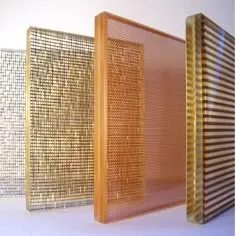
From Factory to Treasure: The Story of Sandwich Glass
Discover the timeless allure of Sandwich Glass, a masterpiece of craftsmanship and innovation that continues to inspire luxury interiors worldwide.
The Origins of Sandwich Glass
Sandwich Glass, named after the town of Sandwich in Massachusetts, is a testament to the ingenuity of early American glassmakers. Established in 1825 by Deming Jarves, the Boston and Sandwich Glass Company revolutionized the glassmaking industry. Jarves envisioned a factory that could produce high-quality glassware at scale, catering to the growing demand for decorative and functional items.
During the early 19th century, glass was considered a luxury material, often reserved for the elite. However, the Sandwich Glass Company democratized its availability by introducing innovative manufacturing techniques. This shift marked the beginning of a new era in home décor, where glass became a symbol of sophistication and style.
One of the key factors behind the success of Sandwich Glass was its strategic location. Situated near Cape Cod, the factory had access to abundant raw materials and a skilled workforce. The proximity to Boston also facilitated trade and distribution, allowing the company to reach a wider audience.
Sandwich Glass quickly gained popularity for its unique designs and impeccable craftsmanship. From intricate patterns to vibrant colors, each piece was a work of art that reflected the creativity of its makers. Collectors and historians often describe Sandwich Glass as “the perfect blend of utility and beauty.”
Today, Sandwich Glass is celebrated as a cultural treasure, with many pieces displayed in museums and private collections. Its legacy continues to inspire modern designers, who draw upon its rich history to create contemporary masterpieces.
For interior designers and architects in India, Sandwich Glass offers a wealth of inspiration. Its timeless appeal can elevate any space, adding a touch of elegance and sophistication that resonates with luxury homeowners.
A Revolutionary Manufacturing Process
The manufacturing process of Sandwich Glass was nothing short of revolutionary. Deming Jarves introduced the use of pressed glass techniques, which allowed for mass production without compromising on quality. This innovation was a game-changer, making glassware more affordable and accessible.
Pressed glass involves pouring molten glass into molds and applying pressure to shape it. This method not only reduced production costs but also enabled the creation of intricate designs that were previously impossible to achieve. The result was a range of products that combined functionality with artistic flair.
One of the standout features of Sandwich Glass was its use of vibrant colors. The factory experimented with various chemical compounds to produce shades like cobalt blue, ruby red, and emerald green. These colors added a new dimension to glassware, making it a popular choice for decorative purposes.
Another innovation was the introduction of patterned molds. These molds allowed artisans to imprint detailed designs onto the glass, ranging from floral motifs to geometric patterns. The precision and consistency of these designs set Sandwich Glass apart from its competitors.
Statistics show that by the mid-19th century, the Boston and Sandwich Glass Company was producing over 1 million pieces annually. This remarkable output was a testament to the efficiency of its manufacturing process and the high demand for its products.
For Indian luxury homeowners, the manufacturing techniques of Sandwich Glass offer valuable lessons in combining tradition with innovation. By exploring glass tiles that redefine elegance at Glasstiles.in, you can incorporate similar principles into your interior design projects.
The Artistry Behind the Designs
The artistry of Sandwich Glass is one of its most captivating aspects. Each piece was meticulously crafted, reflecting the skill and creativity of its makers. The designs often drew inspiration from nature, with motifs like flowers, leaves, and shells adorning the glassware.
One of the most iconic patterns associated with Sandwich Glass is the “Lacy” design. This intricate pattern features delicate loops and swirls, creating a lace-like effect that is both elegant and timeless. The Lacy design remains a favorite among collectors and interior designers alike.
Another notable feature was the use of engraving and etching techniques. These methods allowed artisans to add personalized touches to the glassware, making each piece unique. Engraved Sandwich Glass items were often gifted as tokens of love and appreciation, adding sentimental value to their aesthetic appeal.
The artistry extended beyond the designs to the craftsmanship itself. Sandwich Glass was known for its flawless finish and durability, qualities that made it a preferred choice for both decorative and practical applications.
For architects and interior designers in India, the artistry of Sandwich Glass serves as a source of inspiration. Incorporating similar patterns and techniques into modern spaces can create a harmonious blend of tradition and contemporary style.
Consider using glass tiles with intricate designs to replicate the elegance of Sandwich Glass. These tiles can transform ordinary spaces into extraordinary ones, making them ideal for luxury homes.
The Rise of Boston
The success of Sandwich Glass played a significant role in the rise of Boston as a hub for innovation and commerce. The city’s proximity to the factory allowed it to become a center for trade, attracting merchants and artisans from across the region.
Boston’s thriving economy provided a fertile ground for the growth of the glassmaking industry. The city’s infrastructure and transportation networks facilitated the distribution of Sandwich Glass products, ensuring their availability in markets far and wide.
As Boston grew, so did its reputation as a cultural and artistic center. The city’s museums and galleries began showcasing Sandwich Glass, highlighting its significance as both a functional item and a work of art. This recognition further cemented Boston’s status as a leader in innovation and design.
Today, Boston’s legacy as a hub for creativity continues to inspire designers worldwide. The city’s emphasis on quality and craftsmanship resonates with Indian architects and interior designers who seek to create spaces that are both beautiful and functional.
By studying the rise of Boston and its connection to Sandwich Glass, Indian designers can gain valuable insights into the importance of location, innovation, and artistry in their projects. These lessons can be applied to create interiors that stand out in the competitive luxury market.
Whether you’re designing a modern penthouse or a traditional villa, the story of Sandwich Glass offers timeless inspiration. Explore how glass tiles can bring this legacy to life in your own projects by visiting Glasstiles.in.