
Shower Enclosures
Frameless vs Framed Shower Enclosures: Which is Better for Indian Bathrooms?
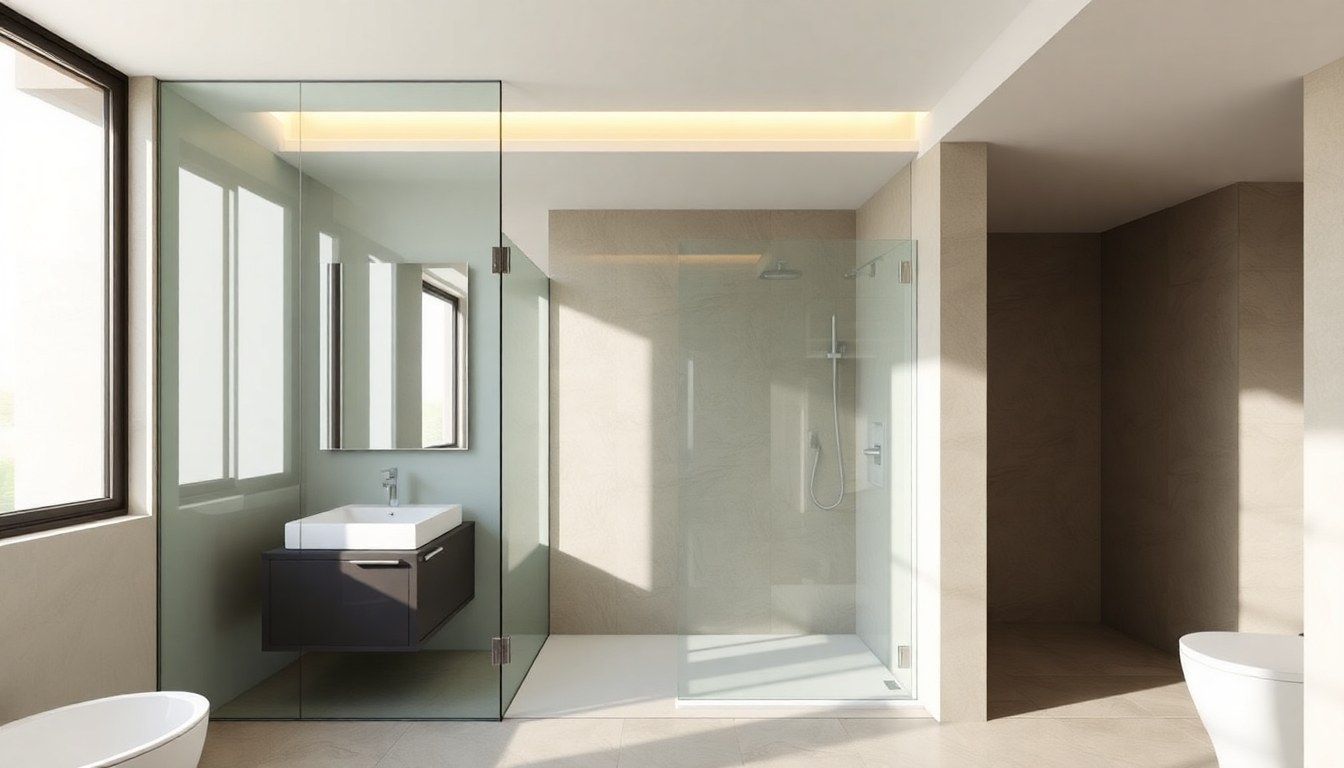
Shower enclosures have become essential features in modern Indian bathrooms, transforming wet areas into elegant, functional spaces. The choice between frameless and framed glass shower partitions significantly impacts your bathroom's aesthetics, functionality, and long-term maintenance. This comprehensive guide examines both options across critical parameters to help you make an informed decision that suits your needs, budget, and bathroom design.
Understanding the Basic Differences
Framed shower enclosures feature metal frames—typically aluminum or stainless steel—that hold the glass panels in place along all edges. These frames provide structural support and house the sealing mechanisms that prevent water leakage. The frames are visible and become a design element in themselves, available in various finishes like chrome, brushed nickel, or matte black.
Frameless shower enclosures, on the other hand, use thicker tempered glass panels (typically 10mm to 12mm) that require minimal or no metal framing. They rely on heavy-duty hinges, clamps, and U-channels for support, creating a sleek, open appearance. The glass edges are polished and exposed, giving a contemporary, minimalist look that has gained tremendous popularity in Indian metros like Mumbai, Bangalore, and Delhi.
The fundamental difference extends beyond aesthetics. Frameless enclosures demand precise measurements and professional installation, while framed versions offer more flexibility during fitting and can accommodate minor wall irregularities more easily—a practical consideration in many Indian homes where construction tolerances may vary.
Design Aesthetics and Visual Impact
When it comes to visual appeal, frameless shower enclosures create an illusion of space that works exceptionally well in smaller Indian bathrooms. The absence of bulky frames allows uninterrupted sight lines, making even compact bathrooms feel more spacious and airy. This design philosophy aligns with contemporary interior trends favoring clean lines and minimal visual clutter.
Framed enclosures offer their own aesthetic advantages. The frames can serve as accent elements that tie together other bathroom fixtures and fittings. If your bathroom features chrome taps, towel rails, and accessories, a matching chrome-framed shower enclosure creates visual cohesion. This coordinated look appeals to homeowners who prefer traditional or transitional bathroom designs over ultra-modern styles.
For luxury apartments and villas, frameless enclosures often become statement pieces that showcase premium glass quality and sophisticated hardware. The transparency and lightness of frameless designs complement marble, granite, and designer tiles better, allowing these expensive finishes to remain the focal point rather than competing with heavy metal frames.
Water Sealing and Leak Prevention
Water sealing represents one of the most critical functional differences between these two enclosure types. Framed shower enclosures incorporate rubber or vinyl seals within the metal frames, creating multiple barriers against water escape. These seals run along all edges where glass meets the frame, providing reliable leak protection even with slight installation imperfections.
Frameless enclosures rely primarily on precise glass-to-glass or glass-to-wall sealing. High-quality silicone sealant and specialized sweeps at the bottom of doors prevent water from escaping. However, the effectiveness depends heavily on installation precision and the quality of sealing materials used. In Indian conditions, where water pressure and bathroom ventilation vary widely, proper sealing becomes even more crucial.
Considerations for Indian Bathrooms
Indian bathrooms often deal with hard water that contains high mineral content, leading to limescale buildup on seals and glass surfaces. Framed enclosures make it easier to replace worn seals without disturbing the entire installation. The rubber gaskets in framed systems can be replaced individually when they deteriorate, extending the enclosure's lifespan.
Frameless systems require more diligent maintenance of silicone seals. Once silicone degrades or develops mold—common in humid coastal cities like Chennai or Kochi—it must be carefully removed and reapplied, which requires professional expertise to maintain the watertight integrity.
Maintenance Requirements and Cleaning
Daily maintenance differs significantly between frameless and framed shower enclosures. Frameless glass, with its smooth, continuous surfaces, is easier to wipe down and squeegee after each shower. The absence of frame channels means fewer crevices where soap scum, hard water deposits, and mildew can accumulate—a major advantage in Indian bathrooms where daily bathing is the norm.
Framed enclosures require more detailed cleaning attention. The metal frames, rubber seals, and channels where glass sits can trap moisture, soap residue, and mineral deposits. These areas need regular scrubbing with appropriate cleaners to prevent buildup and maintain hygiene. The frames themselves may require specific cleaning products depending on their finish to avoid corrosion or discoloration.
- Frameless enclosures: Simple glass cleaner and squeegee sufficient for daily maintenance
- Framed enclosures: Require frame-specific cleaners, seal maintenance, and channel cleaning
- Both types: Benefit from anti-limescale coatings, especially important for Indian hard water conditions
- Professional deep cleaning: Frameless systems easier to service; framed systems may need seal replacement every 3-5 years
Cost Analysis: Initial Investment and Long-Term Value
The price difference between frameless and framed shower enclosures is substantial and represents a primary decision factor for most Indian homeowners. Framed enclosures typically cost between ₹8,000 to ₹25,000 for a standard-sized shower area, depending on glass quality, frame finish, and hardware specifications. These systems offer excellent value for mid-range bathroom renovations and new constructions.
Frameless shower enclosures command premium pricing, usually ranging from ₹25,000 to ₹60,000 or more for similar dimensions. The higher cost reflects thicker tempered glass, precision manufacturing, specialized hardware like heavy-duty hinges and clamps, and the skilled labor required for accurate installation. In metropolitan markets, prices can escalate further based on glass treatments, custom sizing, and imported hardware.
Return on Investment Considerations
Despite higher upfront costs, frameless enclosures often deliver better long-term value in premium properties. They enhance bathroom aesthetics significantly, contributing to higher property valuations—an important consideration in competitive real estate markets across Indian cities. Buyers and renters increasingly expect modern bathroom fittings, and frameless glass enclosures signal quality and contemporary design.
Framed enclosures offer practical value for rental properties, budget renovations, and homes where bathroom upgrades need to balance cost with functionality. Their durability and easier maintenance make them sensible choices when premium aesthetics are not the primary concern.
Durability and Longevity in Indian Conditions
Both enclosure types can last many years when properly installed and maintained, but they face different challenges in Indian environments. Coastal regions with high humidity and salt-laden air can corrode metal frames over time, especially if the protective coating is compromised. Stainless steel frames perform better than aluminum in such conditions but add to the cost.
Frameless enclosures eliminate metal corrosion concerns related to frames but place all structural demands on the glass itself and mounting hardware. The tempered glass used in quality frameless systems is extremely durable and resistant to thermal shock—important when cold water hits sun-heated glass surfaces. However, the hinges, clamps, and handles require regular inspection and occasional tightening to maintain structural integrity.
Indian bathrooms often experience temperature fluctuations and high humidity levels that can stress both systems. Proper ventilation becomes crucial for both types to prevent moisture-related deterioration of seals, frames, and hardware. Exhaust fans and adequate air circulation extend the lifespan of any shower enclosure significantly.
Installation Complexity and Professional Requirements
Installation difficulty varies considerably between these two options. Framed shower enclosures are more forgiving during installation, allowing for minor adjustments to accommodate uneven walls or floors—common in Indian construction. Experienced bathroom fitters can typically install framed systems within a day, and the frame structure helps compensate for small measurement discrepancies.
Frameless installations demand precision measurement, perfectly plumb walls, and expert glass handling. Even millimeter-level errors can result in doors that don't close properly or gaps that allow water escape. This work requires specialized glass installers with specific experience in frameless systems. Finding such expertise may be easier in major cities but challenging in smaller towns, potentially affecting both installation quality and cost.
The installation timeline also differs. Frameless projects often require custom glass cutting based on exact bathroom measurements, leading to longer lead times between ordering and installation. Framed systems frequently use standard sizes or can be adjusted on-site, enabling faster project completion—beneficial when bathroom renovations need to finish quickly.
Frequently Asked Questions
Which shower enclosure type is better for small Indian bathrooms?
Frameless shower enclosures work exceptionally well in small bathrooms because they create visual continuity and make spaces appear larger. The transparent glass without bulky frames allows light to flow freely, preventing the enclosed feeling that framed systems can create. However, if budget is a primary concern, a well-designed framed enclosure with clear glass and slim chrome frames can also work effectively in compact spaces without the premium cost of frameless options.
How do I prevent hard water stains on shower glass in Indian bathrooms?
Hard water staining is a common challenge across India. Apply a protective nano-coating or water-repellent treatment to your shower glass during installation, which makes water bead and roll off rather than leaving mineral deposits. Daily squeegeeing after showers removes most water before it can dry and leave marks. For existing stains, use a mixture of white vinegar and water or specialized limescale removers. Frameless enclosures are slightly easier to maintain stain-free due to fewer crevices where deposits accumulate.
Can frameless shower enclosures be installed in older Indian homes?
Frameless enclosures can be installed in older homes, but wall condition is critical. The walls must be strong enough to support the weight of thick glass panels and withstand the stress from door operation. Walls should be perfectly plumb and true, which may require remedial work in older constructions. If walls are uneven or weak, framed enclosures are the safer, more practical choice as their structure is less dependent on perfect wall conditions and distributes weight differently.
What is the typical lifespan of framed versus frameless shower enclosures?
Quality frameless shower enclosures can last 15-20 years or more with proper maintenance, as tempered glass is highly durable and metal components are minimal. Framed enclosures typically last 10-15 years, with the metal frames and rubber seals being the limiting factors. In coastal or highly humid Indian regions, framed systems may require seal replacement every 3-5 years and frame maintenance to prevent corrosion. Both types benefit significantly from regular cleaning and proper bathroom ventilation to maximize longevity.
Are frameless shower enclosures safe for families with children or elderly members?
Both frameless and framed enclosures use tempered safety glass that shatters into small, relatively harmless pieces if broken, making them equally safe. Frameless doors can be heavier due to thicker glass, requiring slightly more force to operate, which might be challenging for elderly users or young children. However, quality hardware ensures smooth operation. Framed enclosures with lighter glass panels may be easier to handle. For safety-conscious families, consider adding grab bars and non-slip flooring regardless of enclosure type.
Choosing the right shower enclosure depends on your specific requirements, bathroom conditions, budget, and design preferences. Whether you opt for the sleek elegance of frameless glass or the practical value of framed systems, quality installation and regular maintenance ensure years of reliable performance. Explore verified shower enclosure suppliers and installers across India on glassy.in to find the perfect solution for your bathroom project.