
Shower Enclosures
Frameless vs Framed Shower Enclosures: Complete Comparison for Indian Bathrooms
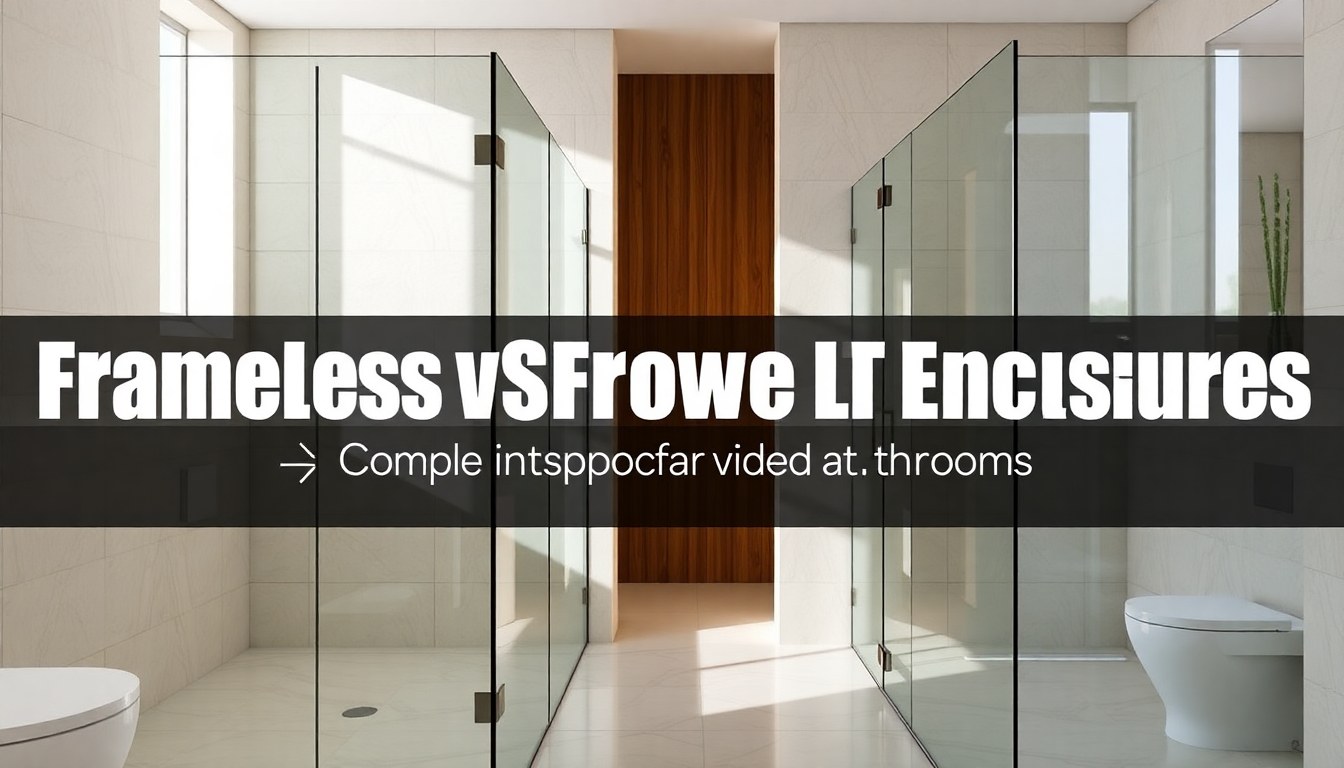
Choosing the right shower enclosure can transform your bathroom from ordinary to extraordinary, but the decision between frameless and framed options often leaves homeowners confused. While frameless enclosures offer sleek, modern aesthetics with minimal hardware, framed versions provide budget-friendly durability with more traditional styling. This comprehensive guide breaks down every aspect of both options—from initial costs and installation to long-term maintenance and water sealing—helping you make an informed choice that suits your Indian home's specific needs and budget.
Understanding the Basic Differences
Frameless shower enclosures use thick tempered glass panels, typically 10mm to 12mm, held together with minimal metal hardware like hinges and clamps. The glass edges remain exposed, creating a seamless, open appearance that makes bathrooms feel more spacious. These enclosures rely on the structural strength of thicker glass rather than metal frames for support.
Framed shower enclosures, on the other hand, feature glass panels surrounded by metal frames—usually aluminum or stainless steel—that provide structural support and hold the glass in place. The glass used is typically thinner, ranging from 4mm to 6mm, since the frame bears most of the structural load. The frame runs along all edges of the glass panels, creating visible borders throughout the enclosure.
Semi-frameless enclosures represent a middle ground, featuring frames only on certain edges while leaving others exposed. This hybrid approach offers some of the aesthetic appeal of frameless designs at a more accessible price point, making them increasingly popular in Indian metropolitan homes.
Cost Comparison and Budget Considerations
The price difference between frameless and framed shower enclosures is significant and often becomes the deciding factor for Indian homeowners. Frameless enclosures typically cost between ₹25,000 to ₹65,000 for a standard shower area, depending on glass quality, hardware finish, and customization requirements. Premium installations in cities like Mumbai, Bangalore, and Delhi can exceed ₹1,00,000 for larger or more complex configurations.
Framed shower enclosures are considerably more budget-friendly, with prices ranging from ₹8,000 to ₹25,000 for standard sizes. The lower cost stems from thinner glass requirements, simpler hardware, and faster installation processes. For middle-class Indian families renovating bathrooms, framed options often provide excellent value without compromising basic functionality.
Long-Term Value and Return on Investment
When considering resale value, frameless enclosures generally add more perceived value to properties, particularly in premium housing segments. Real estate agents in major Indian cities report that modern bathroom fittings, including frameless glass enclosures, can positively influence buyer decisions. However, the actual monetary return depends heavily on your property's overall market segment and location.
Framed enclosures, while less impressive aesthetically, offer excellent durability for their price point. If you plan to stay in your home long-term rather than reselling soon, a well-maintained framed enclosure can serve reliably for 10-15 years, making it a practical investment for many Indian households.
Aesthetics and Visual Impact
Frameless shower enclosures deliver unmatched visual elegance and contemporary appeal. The absence of bulky frames creates an illusion of more space—a crucial advantage in compact Indian bathrooms where every square foot matters. The clear glass allows bathroom tiles, accent walls, and lighting to remain visible, creating a cohesive design flow that interior designers frequently recommend for modern homes.
The minimalist hardware used in frameless designs—typically chrome, brushed nickel, or matte black finishes—adds subtle sophistication without overwhelming the space. This clean aesthetic complements contemporary bathroom trends popular in Indian metros, including subway tiles, floating vanities, and rainfall showerheads.
Framed enclosures present a more traditional, defined look. The visible metal frames create clear boundaries within the bathroom space, which some homeowners prefer for creating distinct wet and dry zones. While less trendy than frameless options, quality framed enclosures with well-finished aluminum or steel frames can still look polished and professional, especially when coordinated with other bathroom fixtures.
Water Sealing and Leak Prevention
Water leakage concerns are paramount in Indian bathrooms, where improper sealing can lead to wall damage, floor seepage, and even structural issues in apartment buildings. Frameless enclosures use specialized seals and gaskets at glass-to-glass and glass-to-wall joints. High-quality silicone sealants create watertight barriers, but the effectiveness depends heavily on professional installation precision.
The lack of overlapping frames means water can potentially escape through gaps if installation isn't perfect. However, when installed correctly by experienced professionals, frameless enclosures perform excellently in preventing leaks. The key is ensuring proper door alignment and using quality weather stripping along the bottom sweep.
Framed enclosures generally provide superior water containment due to overlapping frame designs that create multiple barriers against water escape. The metal frames hold rubber gaskets and seals more securely, reducing the likelihood of gaps developing over time. For Indian homes with high water pressure or vigorous shower use, framed enclosures often prove more forgiving of minor installation imperfections.
Maintenance and Cleaning Requirements
Frameless shower enclosures require regular maintenance to maintain their pristine appearance. The exposed glass surfaces show water spots, soap scum, and hard water stains more prominently—a significant concern in Indian cities with hard water supplies. Daily squeegeeing after showers and weekly cleaning with glass cleaners help maintain clarity and prevent mineral buildup.
The minimal hardware means fewer crevices where soap and grime accumulate, making the actual cleaning process straightforward. Many Indian homeowners apply protective glass coatings that repel water and reduce staining, though these treatments need reapplication every 6-12 months.
Framed enclosures present different maintenance challenges. The metal frames and rubber seals create numerous joints and corners where mold, mildew, and soap residue can accumulate. Regular scrubbing of frame channels and seal replacements every few years become necessary. However, water spots on the glass are less noticeable due to the frame's visual distraction, and the thinner glass is easier to clean quickly.
Dealing with Hard Water Stains
Hard water remains a persistent issue across most Indian cities, leaving white calcium deposits on glass surfaces. For frameless enclosures, a mixture of white vinegar and water applied weekly helps prevent buildup. Commercial lime removers designed for glass can tackle stubborn stains, but avoid abrasive cleaners that scratch the surface.
Framed enclosures face similar hard water challenges, with the added complication of mineral deposits forming in frame channels. Regular attention to these areas prevents permanent staining and ensures smooth door operation over time.
Installation Complexity and Requirements
Installing frameless shower enclosures demands precision and expertise. The heavy glass panels require careful handling, and measurements must be exact since there's no frame to hide minor discrepancies. Wall surfaces must be perfectly plumb and level, as any irregularities become immediately visible. In India, finding skilled installers experienced with frameless systems is easier in major cities but can be challenging in smaller towns.
The installation typically takes one to two days, including proper curing time for sealants. Wall anchors must be robust enough to support the glass weight, which can be problematic in older Indian buildings with weaker wall materials. Professional installation is non-negotiable for frameless systems—DIY attempts almost always result in leaks or safety issues.
Framed shower enclosures are significantly more forgiving during installation. The frame structure compensates for minor wall irregularities, and the lighter glass panels are easier to handle. Many experienced carpenters and bathroom fitters across India can competently install framed enclosures, making professional installation more affordable and accessible. Installation usually completes within a single day.
Durability and Longevity
When properly installed and maintained, both frameless and framed shower enclosures can last 15-20 years or more. Frameless enclosures benefit from thicker glass that's less prone to breakage from impacts. The tempered glass used shatters into small, relatively harmless pieces if broken, providing safety advantages. However, the hinges and clamps may require occasional tightening or replacement as they bear the full weight of the glass.
The minimal hardware means fewer components that can corrode or fail, but when hardware does need replacement, parts for frameless systems can be expensive and sometimes require ordering from specialized suppliers. In humid Indian coastal cities like Chennai or Mumbai, choosing corrosion-resistant hardware finishes becomes particularly important.
Framed enclosures distribute stress across the entire frame structure, reducing strain on individual components. The thinner glass is more vulnerable to breakage, but the surrounding frame provides some impact protection. Rubber seals typically need replacement every 3-5 years, and frames may show wear or corrosion over time, especially in humid climates. However, these maintenance items are generally inexpensive and widely available across India.
Frequently Asked Questions
Which is better for small Indian bathrooms—frameless or framed shower enclosures?
Frameless shower enclosures are generally better for small bathrooms because they create an illusion of more space through their transparent, unobstructed design. The lack of bulky frames makes the bathroom feel more open and airy. However, if budget is a primary constraint, a semi-frameless enclosure offers a good compromise, providing some visual openness at a more affordable price point than fully frameless options.
How much does it cost to replace a framed shower enclosure with a frameless one in India?
Replacing a framed enclosure with a frameless one typically costs between ₹30,000 to ₹70,000, including removal of the old enclosure, any necessary wall repairs, new frameless glass panels, hardware, and professional installation. The cost varies based on enclosure size, glass thickness, hardware finish, and your city. Metro cities generally have higher labor costs but also more competitive supplier options.
Do frameless shower enclosures leak more than framed ones?
Frameless enclosures don't inherently leak more than framed ones when properly installed by experienced professionals. The key difference is that frameless systems require more precise installation and higher-quality sealants to prevent leaks, while framed enclosures are more forgiving of minor installation imperfections due to their overlapping frame design. Quality installation matters more than the enclosure type itself.
Can hard water damage frameless glass shower enclosures?
Hard water doesn't damage the glass itself but leaves unsightly mineral deposits and white stains that can become permanent if not regularly cleaned. Indian cities with particularly hard water require diligent maintenance—daily squeegeeing and weekly vinegar treatments help prevent buildup. Applying protective glass coatings can significantly reduce staining, though they require periodic reapplication. Framed enclosures face similar hard water challenges but stains are less visually prominent due to the frame's presence.
Which type of shower enclosure is easier to repair if damaged?
Framed shower enclosures are generally easier and less expensive to repair. Individual glass panels can be replaced without affecting the entire structure, and damaged frames or seals are readily available from local suppliers across India. Frameless enclosures often require specialized replacement parts that may need ordering from specific manufacturers, and repairs typically require professional service. However, the thicker glass in frameless systems is less prone to damage in the first place.
Choosing between frameless and framed shower enclosures ultimately depends on your budget, aesthetic preferences, bathroom size, and maintenance commitment. Both options serve Indian homes well when selected appropriately for the specific situation. If you're ready to explore shower enclosure options from verified suppliers and installers, visit the glassy.in directory to connect with trusted glass professionals in your city who can provide detailed quotations and expert guidance tailored to your bathroom requirements.