
Shower Enclosures
Frameless Shower Enclosure vs Framed: Complete Comparison for Indian Bathrooms
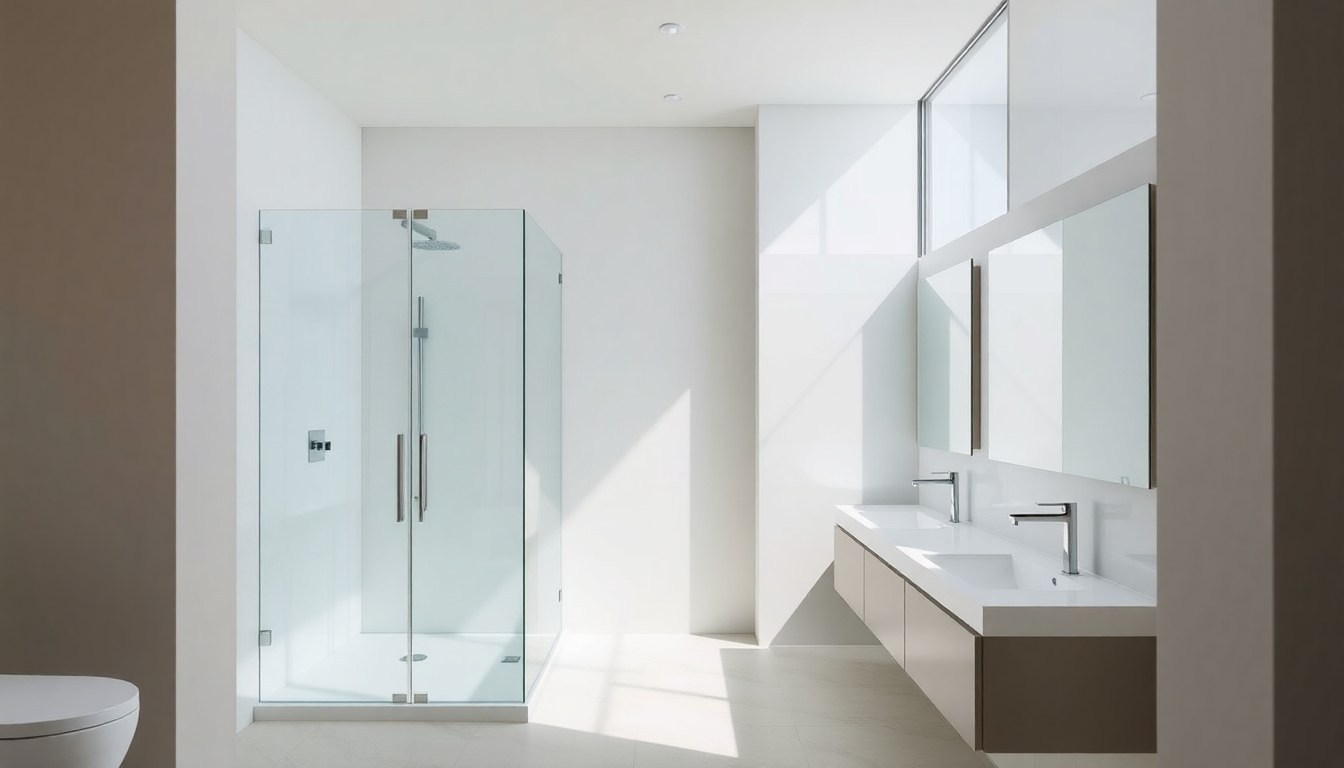
Choosing between a frameless and framed shower enclosure is one of the most important decisions you'll make during your bathroom renovation. While frameless enclosures offer a sleek, modern aesthetic with thicker glass panels, framed options provide affordability and structural support through aluminum or steel frames. This comprehensive guide examines both options specifically for Indian bathrooms, helping you understand which solution best fits your space, budget, and lifestyle needs.
Understanding the Basic Differences
Frameless shower enclosures are constructed from thick tempered glass panels, typically 8mm to 12mm, held together by minimal hardware such as hinges, handles, and support bars. The absence of metal framing creates an uninterrupted glass-to-glass appearance that showcases your tilework and makes bathrooms appear more spacious. These enclosures rely entirely on the strength of the glass itself, which is why thicker panels are essential.
Framed shower enclosures, on the other hand, use thinner glass panels (usually 4mm to 6mm) supported by aluminum or stainless steel frames around all edges. The metal framework provides structural integrity, allowing manufacturers to use thinner, lighter glass. The frames typically come in various finishes including chrome, brushed nickel, matte black, and white, giving you options to match your bathroom fixtures.
The fundamental trade-off is between the minimalist elegance of frameless designs and the cost-effectiveness and structural support of framed options. Your choice will depend on factors including budget, bathroom size, aesthetic preferences, and maintenance willingness.
Cost Comparison for Indian Markets
Budget is often the deciding factor for Indian homeowners, and there's a significant price difference between these two options. Frameless shower enclosures typically cost between ₹18,000 to ₹45,000 for a standard bathroom, depending on glass thickness, hardware quality, and customization requirements. Premium installations in cities like Mumbai, Delhi, and Bangalore can exceed ₹60,000 for larger or highly customized designs.
Framed shower enclosures are considerably more affordable, ranging from ₹8,000 to ₹20,000 for standard sizes. The metal framing reduces material costs because thinner glass can be used safely. For budget-conscious renovations or rental properties, framed enclosures deliver functionality without the premium price tag.
Installation costs also differ. Frameless enclosures require specialized expertise and precise measurements, adding ₹3,000 to ₹8,000 to your total expense. Framed units are more forgiving during installation and can sometimes be installed by general contractors, potentially reducing labor costs. However, when calculating long-term value, consider that frameless enclosures often increase property resale value more significantly than framed alternatives.
Aesthetic Appeal and Design Flexibility
Frameless shower enclosures have become synonymous with modern luxury bathrooms. The unobstructed glass creates a spa-like ambiance and makes even small Indian bathrooms appear larger and more open. This optical illusion is particularly valuable in urban apartments where bathroom spaces average just 40 to 60 square feet. The transparency allows beautiful tilework, accent walls, or designer fixtures to become focal points rather than being hidden behind metal frames.
The clean lines of frameless glass complement contemporary design trends popular in Indian metros. Whether you've invested in Italian marble, designer tiles from Kajaria or Somany, or created a feature wall with textured stone, frameless enclosures ensure these elements remain visible. The minimal hardware also means fewer visual interruptions, creating a seamless, high-end look.
Framed enclosures offer different aesthetic advantages. The frames can be selected to coordinate with other bathroom fixtures like faucets, towel bars, and showerheads. If you're working with a traditional or transitional bathroom design, framed enclosures in bronze or brushed nickel finishes can actually enhance the overall cohesion. They also work well in bathrooms where you want to create defined zones or where the wall tiles are simple and don't require showcasing.
Customization Options
Frameless enclosures offer superior customization because each installation is essentially built to your exact specifications. Irregular bathroom layouts, sloped ceilings, or unique architectural features can be accommodated more easily. You can choose from various glass types including clear, frosted, tinted, or patterned options, and select premium hardware finishes in gold, rose gold, or matte black to match your vision.
Framed enclosures typically come in standard sizes and configurations, though some customization is possible. The frame itself limits design flexibility, but this standardization also means quicker manufacturing and installation timelines, which can be advantageous if you're working on a tight renovation schedule.
Maintenance and Cleaning Requirements
Daily maintenance differs significantly between the two options. Frameless shower enclosures require more diligent cleaning because water spots, soap scum, and hard water stains are highly visible on the uninterrupted glass surface. Indian water, particularly in cities like Delhi, Pune, and Hyderabad, tends to have high mineral content, making water staining a persistent challenge. You'll need to squeegee the glass after each shower and perform deep cleaning with specialized glass cleaners weekly.
The metal channels and seals in framed enclosures can trap soap residue, moisture, and mildew, requiring regular attention to prevent buildup. The frames themselves need cleaning, and the rubber gaskets or seals may deteriorate over time, especially in humid coastal cities like Chennai, Kochi, or Goa. However, water spots are less noticeable on framed enclosures because the metal framework breaks up the glass surface visually.
Long-term maintenance costs favor frameless enclosures. Quality frameless installations with proper sealing require minimal repairs over their 15-20 year lifespan. Framed enclosures may need seal replacements, frame touch-ups if corrosion occurs, and potentially complete frame replacement if water damage affects the metal components. In humid Indian climates, aluminum frames can develop corrosion spots, while stainless steel frames resist this better but cost more initially.
Water Leakage and Sealing Performance
Water leakage concerns are valid for both enclosure types, but the mechanisms differ. Frameless enclosures rely on precise installation, quality hinges, and silicone sealing at the glass-to-wall and glass-to-floor junctions. When installed correctly by experienced professionals, they provide excellent water containment. However, poor installation or settling of your building structure can create gaps that allow water seepage.
The key vulnerability in frameless designs is the door area where glass panels meet. Unlike framed doors with rubber seals, frameless doors use magnetic or gravity seals that create a tight closure but aren't completely watertight. A small amount of water may escape if the showerhead is directed at the door or if water pressure is particularly high. Using a floor drain positioned appropriately and ensuring proper bathroom floor sloping mitigates this issue.
Framed enclosures typically offer superior water containment because rubber gaskets and seals run along all edges, creating multiple barriers against water escape. The overlapping design of framed doors, combined with compression seals, prevents water from escaping even under high pressure. For Indian bathrooms without proper floor drains or where water containment is critical, framed enclosures provide more reliable protection.
Climate considerations matter too. In high-humidity regions, both types require adequate bathroom ventilation to prevent moisture accumulation. Frameless enclosures dry faster because there are fewer crevices where water can collect, potentially reducing mold and mildew growth compared to the channels and seals of framed systems.
Suitability for Different Indian Bathroom Sizes
Small bathrooms, common in Indian apartments, benefit tremendously from frameless enclosures. The visual transparency makes a 40-square-foot bathroom feel considerably larger. The absence of bulky frames maximizes usable shower space, which is valuable when every inch counts. However, very small bathrooms may face challenges with door swing radius, making sliding frameless doors a better choice than hinged ones.
Medium-sized bathrooms (60-80 square feet) work well with either option. Here, the decision shifts more toward aesthetic preference and budget. If you've invested in premium tiles or fixtures, frameless enclosures showcase these investments better. If budget is constrained or you prefer defined bathroom zones, framed enclosures perform excellently without the space feeling cramped.
Large luxury bathrooms naturally suit frameless enclosures, which complement the spaciousness and premium finishes typical of such spaces. Walk-in frameless showers with rainfall showerheads and body jets create resort-style experiences increasingly popular in upscale Indian homes. Framed enclosures in large bathrooms can sometimes appear dated or budget-oriented unless you're deliberately pursuing a vintage or industrial aesthetic.
Installation Considerations for Indian Buildings
Wall strength is critical for frameless installations because the heavy glass panels require secure anchoring. Older Indian buildings with hollow brick or plastered walls may need reinforcement before frameless enclosures can be safely installed. Concrete walls in newer constructions handle frameless installations easily. Framed enclosures distribute weight across the frame structure, placing less stress on wall anchoring points and making them suitable for a wider range of wall types.
Building movement is another factor. Indian buildings, particularly in seismic zones or areas with expansive soil, may experience slight settling over time. Frameless enclosures are more sensitive to this movement, potentially developing gaps in sealing. Framed enclosures, with their flexible rubber seals, accommodate minor structural shifts more forgivingly.
Frequently Asked Questions
Which is better for preventing water leakage in Indian bathrooms?
Framed shower enclosures generally provide better water containment due to rubber gaskets and overlapping seals along all edges. Frameless enclosures can be equally effective when professionally installed with proper sealing, but they're less forgiving of installation errors or building settlement. If your bathroom lacks a floor drain or has limited floor sloping, framed enclosures offer more reliable water containment.
How much does frameless shower enclosure cost compared to framed in India?
Frameless shower enclosures typically cost ₹18,000 to ₹45,000 for standard installations, while framed enclosures range from ₹8,000 to ₹20,000. The price difference reflects thicker glass requirements, premium hardware, and specialized installation for frameless options. Including installation, frameless enclosures cost approximately 2-3 times more than comparable framed alternatives.
Do frameless shower enclosures require more maintenance?
Frameless enclosures require more frequent cleaning because water spots and soap scum are highly visible on uninterrupted glass surfaces. You should squeegee after each use and deep clean weekly, especially in hard water areas. However, they have fewer long-term maintenance issues compared to framed enclosures, which may need seal replacements and frame corrosion treatment over time.
Can frameless shower enclosures be installed in small Indian bathrooms?
Yes, frameless enclosures are actually excellent for small bathrooms because the transparent glass creates an illusion of more space. However, consider sliding doors instead of hinged ones if space is very limited, as hinged doors require clearance for opening. Ensure your walls are strong enough to support the heavier glass panels before proceeding with installation.
Which option increases home resale value more?
Frameless shower enclosures typically add more to resale value because they're perceived as premium features that appeal to buyers seeking modern, luxury bathrooms. In urban Indian markets like Mumbai, Bangalore, and Gurgaon, well-executed frameless installations can provide good return on investment. However, in budget-conscious markets or for rental properties, framed enclosures offer better cost-to-benefit ratios.
Whether you choose the contemporary elegance of frameless glass or the practical affordability of framed enclosures, selecting quality materials and professional installation ensures years of reliable performance. Visit the glassy.in directory to connect with experienced shower enclosure suppliers and installers across India who can help you make the right choice for your specific bathroom needs and budget.