
Shower Enclosures
Frameless Glass Shower Enclosure vs Framed: Complete Comparison for Indian Bathrooms
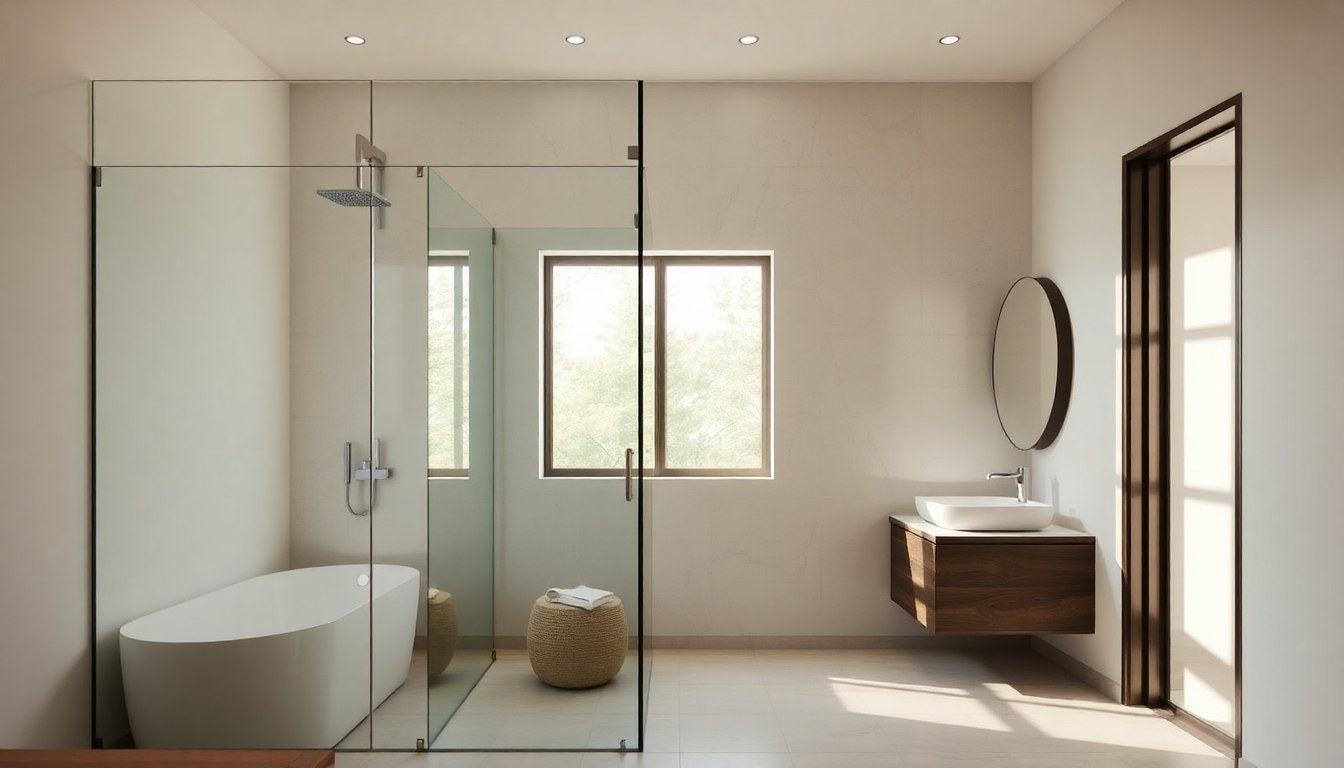
Choosing between a frameless and framed shower enclosure is one of the most important decisions you'll make during your bathroom renovation. While frameless enclosures offer sleek, modern aesthetics and easier cleaning, framed options provide better water containment at a lower price point—typically ₹12,000-28,000 compared to ₹18,000-45,000 for frameless alternatives. This comprehensive guide breaks down every aspect of both options to help you make the right choice for your Indian bathroom.
Understanding the Basic Structural Differences
The fundamental difference between frameless and framed shower enclosures lies in their construction approach. Framed enclosures use metal frames—typically aluminum or stainless steel—around all edges of the glass panels, providing structural support and creating a defined border. These frames hold thinner glass panels, usually 4-6mm thick, and include rubber gaskets or seals to prevent water leakage.
Frameless enclosures, on the other hand, eliminate visible metal framing on most surfaces, using only minimal hardware like hinges and handles. Because they lack the structural support of frames, frameless enclosures require thicker tempered glass—typically 8-12mm—to maintain stability and safety. The glass panels are held in place by discreet clamps and channels, creating a clean, uninterrupted look that showcases the glass itself.
This structural difference impacts everything from installation complexity to long-term maintenance, making it crucial to understand which design philosophy aligns better with your bathroom needs and budget constraints.
Aesthetic Appeal and Visual Impact
Frameless shower enclosures have become the gold standard for luxury bathrooms across Mumbai, Delhi, Bangalore, and other metro cities. The absence of bulky metal frames creates an open, airy feel that makes even compact Indian bathrooms appear more spacious. The clear glass allows your expensive tile work, accent walls, or decorative shower fixtures to remain visible, turning your shower area into a design feature rather than hiding it behind metal borders.
Framed enclosures offer a more traditional, defined look that some homeowners prefer. The visible frames create clear boundaries and can complement bathrooms with chrome fixtures, towel bars, and other metallic elements when you choose matching finishes. Modern framed enclosures now come in various finishes including brushed nickel, matte black, and champagne gold, allowing better coordination with contemporary Indian bathroom designs.
For smaller bathrooms common in Indian apartments—typically 5x7 feet or 6x8 feet—frameless enclosures can make a significant visual difference. The transparent, minimalist design reduces visual clutter and creates the illusion of more space, whereas framed enclosures with their visible borders can make compact bathrooms feel more enclosed.
Cost Comparison and Budget Considerations
Price is often the deciding factor for Indian homeowners, and the cost difference between these two options is substantial. Framed shower enclosures typically range from ₹12,000 to ₹28,000 for standard sizes, depending on the quality of aluminum frames, glass type, and hardware. This makes them accessible for mid-range bathroom renovations and builder-grade apartment projects.
Frameless enclosures command a premium, with prices ranging from ₹18,000 to ₹45,000 or more for the same bathroom dimensions. The higher cost reflects the thicker tempered glass required, specialized hardware, and more complex installation process. Custom frameless enclosures for luxury bathrooms with unique dimensions or curved glass can exceed ₹60,000.
Breaking Down the Cost Components
- Glass thickness: Frameless enclosures use 10-12mm glass versus 4-6mm for framed, significantly increasing material costs
- Hardware quality: Frameless hinges, clamps, and handles are precision-engineered and more expensive than framed alternatives
- Installation complexity: Frameless enclosures require skilled installers and take longer to fit, increasing labor charges by 30-50%
- Customization: Frameless designs are often custom-made to exact specifications, while framed enclosures come in standard sizes
For budget-conscious renovations or rental properties, framed enclosures offer excellent value. However, if you're investing in a forever home or luxury apartment, the additional cost of frameless enclosures often proves worthwhile for the aesthetic upgrade and easier maintenance.
Water Leakage Prevention and Sealing Performance
Water containment is critical in Indian bathrooms where proper drainage and waterproofing are ongoing concerns. Framed enclosures have a distinct advantage here—the rubber gaskets and seals within the metal frames create multiple barriers against water escape. The overlapping frame design channels water back into the shower area, making them more forgiving if your bathroom floor isn't perfectly level.
Frameless enclosures rely primarily on precise installation and high-quality silicone sealing at the base and edges. While they can be completely watertight when installed correctly, they're less forgiving of installation errors or settling over time. The minimal hardware means there are fewer physical barriers to water escape, making proper slope and drainage absolutely essential.
Common Water Leakage Issues
With frameless enclosures, water can seep through the small gaps where glass panels meet or at the threshold if the silicone seal degrades. This is particularly problematic in Indian bathrooms with hard water, which can cause mineral buildup that compromises seals. Regular resealing every 2-3 years may be necessary depending on water quality and usage patterns.
Framed enclosures can develop leaks if the rubber gaskets dry out or if the frame alignment shifts, but replacement gaskets are inexpensive and easy to install. The frame itself acts as a secondary water barrier, so minor seal degradation rarely results in significant leakage outside the shower area.
Maintenance, Cleaning, and Long-Term Durability
Frameless shower enclosures are significantly easier to clean and maintain. Without metal frames collecting soap scum, hard water deposits, and mildew, you simply wipe down smooth glass surfaces. Indian households with hard water will particularly appreciate this advantage, as mineral deposits that plague framed enclosures are much easier to remove from uninterrupted glass.
Framed enclosures require more detailed cleaning attention. The metal frames, rubber gaskets, and corners where frame meets glass tend to accumulate soap residue and develop mildew, especially in humid Indian climates. You'll need to scrub these areas regularly with appropriate cleaners to prevent buildup and maintain a hygienic shower environment.
Cleaning Best Practices
- For frameless: Use a squeegee after each shower, clean glass weekly with vinegar solution or commercial glass cleaner, and reseal silicone joints annually
- For framed: Scrub frames and gaskets weekly with mild detergent, apply anti-mildew treatments monthly in humid climates, and replace worn gaskets every 3-5 years
- Hard water treatment: Both types benefit from water softeners or regular descaling treatments using citric acid or specialized hard water removers
Long-term durability favors frameless enclosures when quality materials are used. The thicker glass is more resistant to chips and scratches, and there are no frames to corrode or discolor over time. Framed enclosures may show wear on the metal finishes after 5-7 years, especially in coastal cities like Mumbai or Chennai where humidity and salt air accelerate corrosion.
Suitability for Different Indian Bathroom Sizes and Layouts
Bathroom size significantly influences which option works best. For compact bathrooms under 40 square feet—common in Indian apartments—frameless enclosures create a more open feel and prevent the space from feeling cramped. The visual continuity allows your eye to travel through the space uninterrupted, making the bathroom appear larger than its actual dimensions.
Larger bathrooms above 60 square feet can accommodate either option comfortably. In these spaces, framed enclosures can actually help define zones and create intentional separation between wet and dry areas. The frames add architectural interest without overwhelming the space.
Layout-Specific Recommendations
For corner installations—the most common configuration in Indian bathrooms—both options work well, though frameless enclosures offer more flexibility for custom angles and non-standard corner dimensions. If your bathroom has an alcove or niche shower area, framed enclosures are often easier to install and provide better water containment since three walls already exist.
Walk-in shower designs, increasingly popular in luxury Indian homes, almost exclusively use frameless glass panels. The open design philosophy of walk-in showers aligns perfectly with the minimalist aesthetic of frameless enclosures, creating a seamless, spa-like experience.
Installation Complexity and Timeline
Framed shower enclosures are straightforward to install, typically requiring 3-5 hours for a standard configuration. Many manufacturers provide semi-customizable standard sizes that fit common Indian bathroom dimensions, reducing the need for extensive customization. The frames are somewhat forgiving of minor wall irregularities, making installation less demanding.
Frameless enclosures demand precision installation, often requiring 6-8 hours or more. Walls must be plumb and square, as the glass panels have no frames to hide imperfections. Professional installers need to carefully measure, drill into tiles without cracking them, and ensure perfect alignment of all hardware. Any mistakes during installation can compromise both aesthetics and water-sealing performance.
Finding skilled installers for frameless enclosures can be challenging outside major metros. While framed enclosure installation skills are common among general glass contractors, frameless installation requires specialized training and experience. This can affect both cost and timeline, particularly in tier-2 and tier-3 Indian cities.
Frequently Asked Questions
Which is better for small Indian bathrooms: frameless or framed shower enclosures?
Frameless enclosures are generally better for small bathrooms under 40 square feet as they create an open, spacious feel. The absence of bulky frames reduces visual clutter and makes the bathroom appear larger. However, if budget is a primary concern, a well-designed framed enclosure with clear glass and minimal frame profile can also work effectively in compact spaces.
Do frameless shower enclosures leak more than framed ones?
Frameless enclosures don't inherently leak more, but they require precise installation and quality silicone sealing to prevent water escape. Framed enclosures are more forgiving due to their rubber gaskets and overlapping frame design. If installed correctly by experienced professionals, both types can be completely watertight. The key difference is that framed enclosures tolerate minor installation imperfections better.
How much more expensive are frameless shower enclosures in India?
Frameless enclosures typically cost 50-70% more than framed alternatives. Expect to pay ₹18,000-45,000 for frameless versus ₹12,000-28,000 for framed enclosures of similar size. The price difference reflects thicker glass, premium hardware, and more complex installation. Custom frameless designs for unique bathroom layouts can cost even more, sometimes exceeding ₹60,000.
Which type requires less maintenance in Indian hard water conditions?
Frameless enclosures require less maintenance effort as they have no metal frames or rubber gaskets where hard water deposits, soap scum, and mildew accumulate. You can quickly wipe down smooth glass surfaces, making daily maintenance easier. However, both types require regular cleaning and descaling treatments in hard water areas to maintain their appearance and prevent mineral buildup.
Can I install a frameless shower enclosure in an old bathroom?
Yes, but your walls must be structurally sound, properly waterproofed, and reasonably plumb. Old bathrooms with uneven walls, damaged tiles, or compromised waterproofing may require renovation work before frameless enclosure installation. Framed enclosures are more suitable for older bathrooms as their frames can accommodate minor wall irregularities and provide additional structural support without extensive preparation work.
Whether you choose the sleek sophistication of frameless glass or the practical reliability of framed enclosures, selecting quality materials and professional installation is essential. Visit glassy.in to connect with experienced shower enclosure suppliers and installers across India who can help you make the right choice for your bathroom renovation project.