
Glass Partitions
Fluted Glass vs Clear Glass Partitions: Design Impact & Light Diffusion
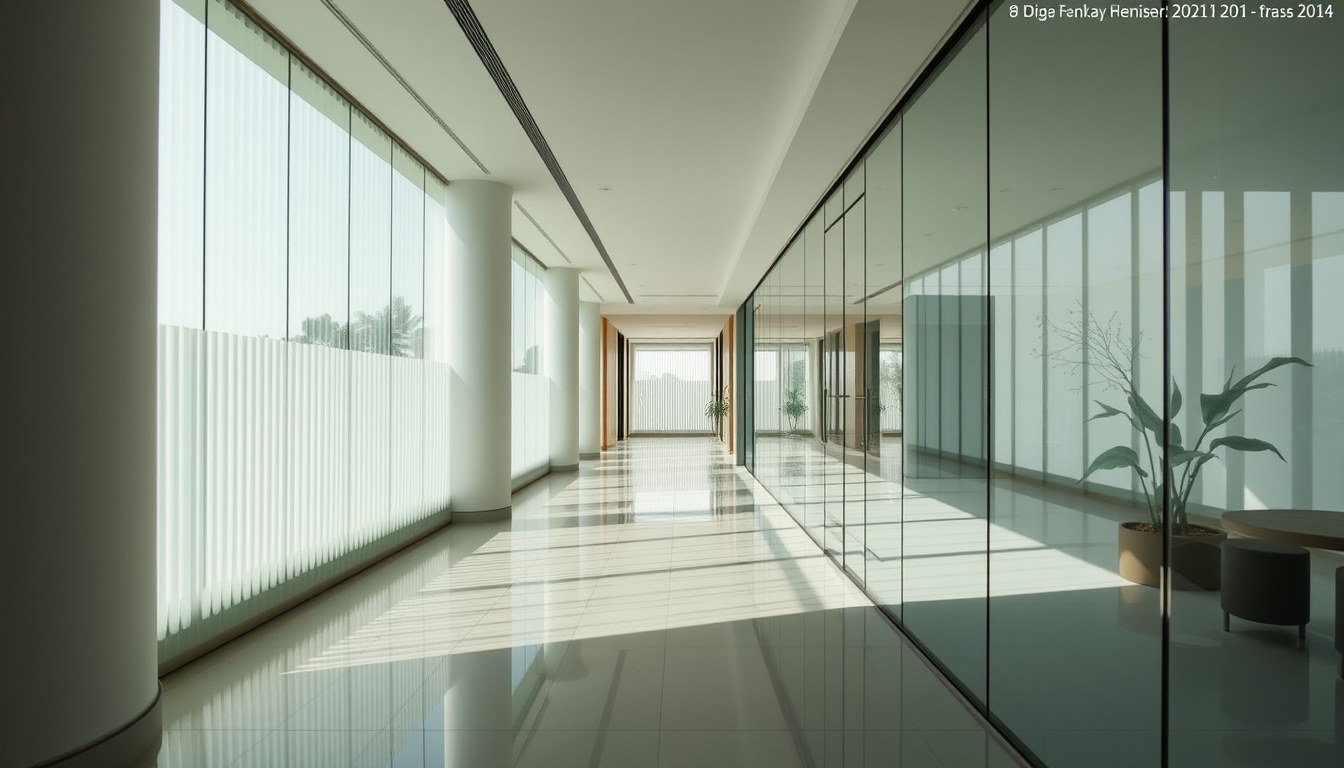
When designing modern office spaces, retail environments, or residential interiors in India, the choice between fluted (reeded) glass and clear glass partitions significantly affects both aesthetics and functionality. Fluted glass diffuses light softly while maintaining partial privacy, whereas clear glass maximizes transparency and visual connection. Understanding how each material behaves with natural and artificial light, and how they integrate with contemporary design trends, helps you make the right choice for your space.
Understanding Fluted and Clear Glass: Key Differences
Fluted glass, also called reeded or ribbed glass, features parallel vertical or horizontal grooves across its surface. These ridges refract light in multiple directions, creating a soft, diffused illumination that obscures detailed visibility while still allowing light to pass through. Clear glass, by contrast, remains completely transparent, offering unobstructed sightlines and maximum light transmission at around 90%.
The manufacturing process differs between the two. Clear glass is produced through standard float glass processes, while fluted glass requires specialized rollers or pressing techniques during production to create the consistent ridge pattern. Both are available in various thicknesses (typically 6mm to 12mm for partitions) and can be laminated for safety in high-traffic areas. In the Indian market, both materials are widely available from manufacturers across major cities like Bangalore, Mumbai, Delhi, and Hyderabad, with prices varying based on thickness, lamination, and finish quality.
Light Transmission Characteristics
Clear glass transmits approximately 88–92% of visible light, depending on the number of panes and any coatings applied. Fluted glass typically transmits 70–85% of light, with some energy lost to refraction through the grooves. This difference becomes noticeable in spaces relying heavily on natural daylight, such as office cubicles facing windows or retail display areas.
Light Diffusion and Visual Privacy
One of the most significant functional differences between these materials lies in how they handle light diffusion and privacy. Fluted glass scatters light rays as they pass through the ridges, creating a soft, even illumination that reduces glare and harsh shadows. This makes it ideal for spaces where harsh direct sunlight or bright artificial lighting might cause discomfort.
Clear glass, meanwhile, maintains sharp light transmission, which can intensify glare in certain conditions. However, it preserves the visual connection between spaces, allowing occupants to see movement, gestures, and general activity on the other side. Fluted glass obscures fine details—you cannot read text or recognize faces clearly through it, though silhouettes and broad movements remain visible. This makes fluted glass superior for privacy-sensitive areas like conference rooms, medical offices, or personal workspaces.
Glare Reduction and Comfort
Fluted glass excels at reducing glare because its ridged surface breaks up direct light rays. In office environments where employees work at screens for extended periods, this diffusion reduces eye strain. Clear glass can create reflections and glare, particularly when positioned opposite windows or bright artificial light sources, requiring supplementary measures like blinds or anti-glare films.
Aesthetic and Design Impact
The visual appearance of these materials varies dramatically, influencing the overall design language of your interior. Clear glass creates a sense of openness, spaciousness, and connectivity—qualities highly valued in modern office design and contemporary homes. It works well with minimalist, industrial, and Scandinavian design aesthetics, where transparency and clean lines dominate.
Fluted glass introduces texture and visual interest while maintaining a sophisticated, refined appearance. The ridged pattern softens the industrial feel of glass and creates a more subtle, elegant aesthetic. It pairs beautifully with mid-century modern, contemporary, and transitional design styles. Many high-end corporate offices, boutique hotels, and luxury residences in Indian metros now favor fluted glass for its aesthetic sophistication and functional privacy benefits.
Design Trends in India
Recent design trends in India show growing preference for fluted glass in commercial interiors. Startups and tech companies in Bangalore and Hyderabad increasingly use fluted glass partitions in open-plan offices to balance collaboration with privacy. Retail spaces in Mumbai and Delhi employ fluted glass for changing rooms and display areas, combining functionality with upscale aesthetics. Residential projects in premium segments across Indian cities now incorporate fluted glass in bathrooms, home offices, and bedroom partitions.
Clear glass remains dominant in minimalist and modern luxury designs, particularly for creating visual flow in open-concept apartments and commercial spaces where transparency is a design priority.
Practical Considerations: Maintenance and Durability
Both materials require regular maintenance, but their cleaning differs slightly. Clear glass shows fingerprints, dust, and water spots more visibly, requiring frequent cleaning to maintain its transparency. Fluted glass hides minor dust and fingerprints within its grooves, appearing cleaner longer between washes. However, the ridges can trap dust and require more thorough cleaning with soft brushes or specialized tools to avoid water spots settling in the grooves.
Durability-wise, both materials are equally robust when manufactured to standard safety specifications. Laminated versions of either type offer enhanced safety by holding glass together if broken, making them suitable for high-traffic areas. Tempered clear or fluted glass provides greater impact resistance and is ideal for partition systems in busy commercial environments or homes with children.
Cost Considerations
Clear glass partitions typically cost less per square meter than fluted glass because the manufacturing process is simpler and requires less specialized equipment. In India, basic clear glass partitions range from ₹1,500 to ₹3,500 per square meter, while fluted glass generally costs ₹2,500 to ₹5,000 per square meter, depending on thickness, finish quality, and supplier location. Laminated or tempered versions of either type add 30–50% to the base cost. Installation costs remain similar for both materials when using comparable framing systems.
Choosing Between Fluted and Clear Glass for Your Space
Your choice depends on balancing aesthetic preferences, functional requirements, and budget constraints. Consider these factors when deciding:
- Privacy needs: Fluted glass suits spaces requiring visual privacy without total isolation, such as offices, bathrooms, and counseling rooms. Clear glass works for open-plan designs where visual connection is valued.
- Light quality: If your space receives harsh direct sunlight, fluted glass reduces glare and creates softer illumination. Clear glass works better in naturally dim spaces or where maximum light transmission is essential.
- Design aesthetic: Fluted glass adds texture and sophistication; clear glass emphasizes openness and minimalism. Match your choice to your overall interior design direction.
- Maintenance capacity: Clear glass requires more frequent cleaning but is simpler to maintain. Fluted glass shows dirt less but needs more careful cleaning of grooves.
- Budget: Clear glass offers lower upfront costs; fluted glass justifies higher expense through enhanced privacy and aesthetic value.
- Safety requirements: High-traffic areas benefit from laminated or tempered versions of either material; choose based on aesthetic preference once safety is assured.
Frequently Asked Questions
Can you see through fluted glass at night with interior lighting?
Yes, though less clearly than through clear glass. When interior lights are on and exterior is dark, silhouettes and general shapes become visible through fluted glass, but facial features and fine details remain obscured. For complete privacy at night, consider pairing fluted glass with frosted sections, privacy films, or integrated blinds.
Is fluted glass more expensive than clear glass in India?
Generally, yes. Fluted glass costs 40–60% more than clear glass due to specialized manufacturing processes. However, the additional investment often justifies itself through improved privacy, reduced glare, and enhanced aesthetic appeal in premium commercial and residential projects.
Which glass type is better for office partitions?
Both serve different office needs. Fluted glass excels in open-plan offices where privacy between workstations is desired without losing the sense of openness. Clear glass suits collaborative spaces, reception areas, and executive offices where visual transparency supports communication and transparency. Many modern offices use a combination of both materials strategically.
Does fluted glass reduce sound transmission?
Slightly more than clear glass due to its textured surface, but the difference is minimal. For meaningful sound reduction, both materials require additional measures such as lamination, thicker panes, or acoustic seals. Double-glazed systems with air gaps provide superior soundproofing regardless of glass type.
How do I clean fluted glass effectively?
Use a soft microfiber cloth or squeegee with a glass cleaner solution. For stubborn dirt in grooves, use a soft brush or old toothbrush to gently agitate the ridges before wiping. Avoid abrasive scrubbers that can scratch the surface. Regular dusting prevents dirt accumulation in the fluted pattern.
Make Your Choice with Confidence
Both fluted and clear glass partitions offer distinct advantages, and the best choice depends on your specific requirements for privacy, light quality, aesthetics, and budget. Visit the glassy.in directory to connect with India's leading glass manufacturers and suppliers who can provide samples, detailed pricing, and expert guidance for your partition project. Whether you're designing an office in Bangalore, a retail space in Mumbai, or a luxury home in Delhi, our network of verified glass professionals can help you select and install the perfect partition solution.