
Glass Facades
Ceramic Frit Glass Patterns: Design Options and Solar Control for Ahmedabad Facades
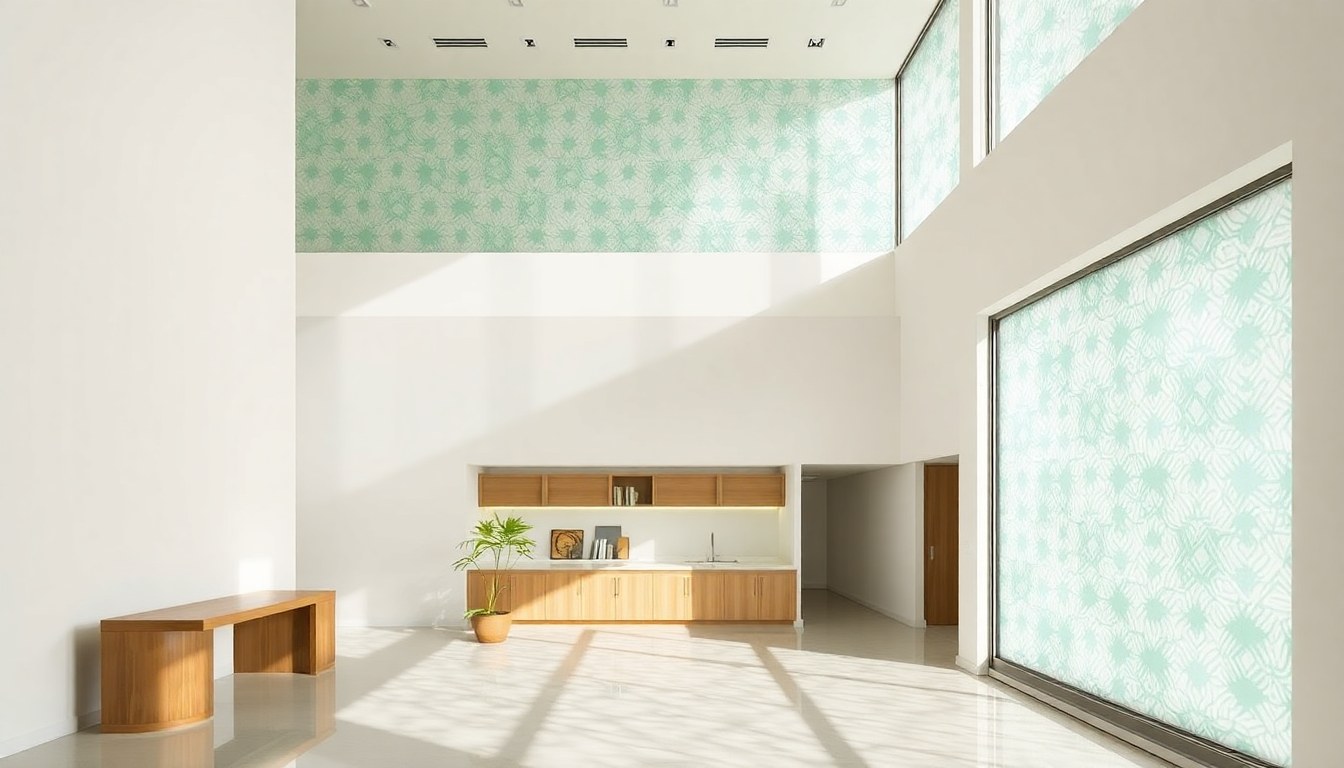
Ahmedabad's intense summer heat and high solar radiation make facade design a critical factor in building energy performance. Ceramic frit glass combines aesthetic flexibility with functional solar control, allowing architects to create distinctive building exteriors while reducing cooling loads by 25-40% compared to standard clear glass. This technology fuses ceramic enamel patterns directly onto glass surfaces, creating permanent, low-maintenance shading that withstands Ahmedabad's harsh climate for decades.
Understanding Ceramic Frit Glass Technology
Ceramic frit consists of finely ground glass particles mixed with inorganic pigments and binders. When applied to glass surfaces and fired in a tempering furnace at temperatures exceeding 650°C, the frit permanently bonds to the glass substrate. This process creates a durable, scratch-resistant surface that becomes an integral part of the glass rather than a coating that can degrade over time.
The ceramic particles embed into the glass surface during the heat-treatment process, making the pattern virtually indestructible. Unlike films or applied coatings, ceramic frit cannot peel, fade under UV exposure, or deteriorate in Ahmedabad's monsoon humidity. This permanence makes it particularly suitable for high-rise facades where maintenance access is expensive and disruptive.
Manufacturers can apply ceramic frit to various glass types including annealed, heat-strengthened, and fully tempered glass. The frit application must occur before tempering, as the high temperatures required for ceramic fusion align with the glass tempering process. This integration allows architects to combine solar control patterns with the structural and safety benefits of tempered glass in a single manufacturing step.
Solar Heat Gain Reduction for Ahmedabad Climate
Ahmedabad experiences peak summer temperatures exceeding 45°C with intense solar radiation throughout the day. Ceramic frit glass addresses this challenge by blocking a portion of solar radiation before it enters the building. The percentage of coverage directly correlates with solar heat gain reduction—a 50% frit coverage typically reduces solar heat gain coefficient (SHGC) by approximately 30-35% compared to clear glass.
The pattern density and color significantly impact thermal performance. Darker colors like black, dark grey, and brown absorb more solar energy, while white and lighter colors reflect it. For Ahmedabad's climate, designers often specify medium to dark colors with 40-60% coverage to balance daylight admission with heat rejection. This approach maintains adequate natural light for interior spaces while substantially reducing air conditioning loads during peak summer months.
Performance Metrics for Commercial Applications
When evaluating ceramic frit glass for commercial facades, architects should consider these key performance indicators:
- Solar Heat Gain Coefficient (SHGC): Ranges from 0.25 to 0.45 depending on frit coverage and color, compared to 0.70-0.82 for clear glass
- Visible Light Transmission (VLT): Typically 20-50% with standard frit patterns, allowing adequate daylight while reducing glare
- Shading Coefficient: Generally between 0.30 and 0.55, indicating significant solar control capability
- U-Value: Remains similar to the base glass configuration, as frit primarily affects solar radiation rather than conductive heat transfer
These metrics help building designers calculate cooling load reductions and energy cost savings. For a typical commercial office building in Ahmedabad, switching from clear glass to ceramic frit glass with 50% coverage can reduce facade-related cooling loads by 8-12 tons of refrigeration per 1000 square feet of glazing.
Design Pattern Options and Customization
Ceramic frit glass offers virtually unlimited pattern possibilities, from simple dots and lines to complex gradients and custom imagery. Standard pattern libraries include geometric designs, organic textures, and gradient fades that transition from dense coverage at the top of facades to lighter coverage below, optimizing solar control while maintaining ground-level views.
Digital ceramic printing technology has expanded design possibilities significantly. Architects can now specify custom patterns including corporate logos, traditional Indian motifs, or site-specific imagery. The digital process allows precise control over dot size, spacing, and pattern registration across multiple glass panels, ensuring visual continuity across large facade installations.
Popular Pattern Categories for Indian Commercial Projects
- Gradient Patterns: Transition from 70% coverage at top to 20% at bottom, following the sun's path and reducing sky glare while preserving street-level transparency
- Geometric Designs: Regular dots, lines, or hexagonal patterns that create visual interest while providing uniform solar control
- Custom Graphics: Brand elements, cultural motifs, or architectural details that differentiate buildings in competitive commercial markets
- Randomized Textures: Irregular patterns that mimic natural materials or create subtle visual depth without obvious repetition
Working with experienced suppliers like Delfina Ceramic Pvt. Ltd. ensures pattern feasibility and manufacturing quality. Some intricate designs may require adjustments to accommodate screen-printing limitations or ensure structural integrity of the tempered glass.
Manufacturing Process and Quality Considerations
The ceramic frit application process requires specialized equipment and quality control. Manufacturers typically use screen printing to apply frit paste in precise patterns onto clean glass surfaces. The glass then passes through a tempering furnace where temperatures reach 650-700°C, simultaneously fusing the ceramic and tempering the glass.
Quality control focuses on several critical factors. Pattern registration must remain consistent across panels, especially for large facades where misalignment becomes visually obvious. The ceramic fusion must be complete to prevent frit particles from detaching during handling or installation. Color consistency across production batches ensures visual uniformity when panels are installed side-by-side on building facades.
Indian manufacturers have developed significant expertise in ceramic frit glass production, with several facilities capable of processing jumbo-sized lites up to 3.2 x 6 meters. This capability reduces the number of mullions required for large facades, creating cleaner architectural lines and reducing installation costs. Lead times typically range from 3-5 weeks depending on project size and pattern complexity.
Cost Comparison with Alternative Shading Solutions
Ceramic frit glass represents a mid-range investment among facade shading options. Material costs typically range from ₹450 to ₹850 per square foot depending on glass thickness, frit coverage, and pattern complexity. This pricing positions it between standard tinted glass (₹300-500/sq ft) and external shading systems like aluminum brise-soleil (₹1,200-2,500/sq ft).
The total cost of ownership favors ceramic frit glass for many applications. Unlike mechanical shading systems, ceramic frit requires no maintenance, moving parts, or eventual replacement. External shading devices accumulate dust, require periodic cleaning, and may need replacement every 15-20 years. Ceramic frit glass maintains its appearance and performance for the life of the building with only standard glass cleaning.
Value Analysis for Ahmedabad Commercial Projects
When evaluating ceramic frit glass against alternatives, consider these factors:
- Energy Savings: Reduced cooling loads translate to lower electricity costs, with payback periods of 4-7 years for typical commercial installations
- Maintenance Costs: Zero maintenance beyond standard glass cleaning versus annual servicing for mechanical systems
- Aesthetic Flexibility: Custom patterns create distinctive building identity without the visual bulk of external shading devices
- Durability: Permanent ceramic fusion outlasts films, coatings, and most mechanical systems
For developers seeking GRIHA or IGBC certification, ceramic frit glass contributes points for energy efficiency and daylighting optimization. The measurable SHGC reduction and glare control support green building documentation requirements while creating marketable aesthetic differentiation.
Installation and Specification Guidelines
Specifying ceramic frit glass requires coordination between architects, facade consultants, and glass suppliers. Detailed shop drawings should indicate frit pattern orientation, especially for directional designs or gradients. Specify which glass surface receives the frit application—surface #2 (interior surface of exterior lite) is standard for insulated glass units as it protects the ceramic from weathering while allowing easy inspection.
Installation follows standard curtain wall or structural glazing procedures, with additional attention to pattern alignment. For projects with repeating patterns, establish clear reference points and installation sequences to maintain visual continuity. Quality installers will mock up pattern alignment before full-scale installation begins, especially for prominent facades visible from major thoroughfares.
Ahmedabad's strong winds during pre-monsoon dust storms require proper structural design of the glazing system. Ceramic frit does not affect the structural capacity of tempered glass, so standard wind load calculations apply. However, darker frit colors may increase thermal stress on the glass, requiring careful analysis for large panels or installations with restricted edge clearances.
Frequently Asked Questions
What is the typical lifespan of ceramic frit glass in Indian climate conditions?
Ceramic frit glass maintains its appearance and performance for the entire lifespan of the building, typically 30-50 years or more. The ceramic enamel becomes permanently fused to the glass during the tempering process, making it highly resistant to UV degradation, moisture, temperature extremes, and atmospheric pollutants common in Indian urban environments. Unlike films or coatings that may deteriorate within 10-15 years, properly manufactured ceramic frit shows no measurable degradation even after decades of exposure.
Can ceramic frit patterns be applied to insulated glass units for better thermal performance?
Yes, ceramic frit is commonly applied to one or both lites of insulated glass units (IGUs). The standard configuration places frit on surface #2 (the interior surface of the exterior lite) to protect it from weathering while maximizing solar control. For enhanced performance, architects can combine ceramic frit with low-E coatings on different surfaces of the IGU, achieving SHGC values as low as 0.18-0.22 while maintaining reasonable visible light transmission. This combination is particularly effective for west-facing facades in Ahmedabad that experience intense afternoon solar heat gain.
How does ceramic frit glass compare to electrochromic smart glass for solar control?
Ceramic frit glass offers fixed solar control at significantly lower cost (₹450-850/sq ft versus ₹3,500-6,500/sq ft for electrochromic glass), with zero operational energy requirements and no maintenance. Electrochromic glass provides variable tinting that adjusts to changing conditions, offering more flexibility but requiring electrical infrastructure, control systems, and periodic maintenance. For most commercial applications in Ahmedabad, ceramic frit delivers adequate solar control at better value, while electrochromic glass suits premium projects where dynamic control justifies the investment.
What percentage of frit coverage is recommended for Ahmedabad's climate?
For Ahmedabad's hot-dry climate with intense solar radiation, frit coverage of 40-60% typically provides optimal balance between solar control and daylight admission. South and west facades benefit from higher coverage (50-70%) to manage peak solar loads, while north facades may use lighter coverage (30-40%) to maximize natural light. Gradient patterns that transition from dense coverage at the top to lighter coverage below often work well, reducing sky glare while maintaining ground-level views and daylight penetration.
Can existing building facades be retrofitted with ceramic frit glass?
Ceramic frit cannot be added to installed glass as it requires high-temperature firing during manufacturing. Retrofit applications require complete glass replacement with new ceramic frit units. However, this replacement often makes economic sense during facade renovation projects, as the improved solar control reduces ongoing cooling costs while updating the building's appearance. The investment typically pays back through energy savings within 5-8 years for buildings with high cooling loads and significant glazing area.
Ready to explore ceramic frit glass options for your next facade project? Connect with experienced glass suppliers and facade specialists through the glassy.in directory to discuss pattern options, performance requirements, and project-specific solutions for Ahmedabad's demanding climate.