
Glass Facades
Top 10 Architects in Whitefield Bangalore for Curtain Wall Projects
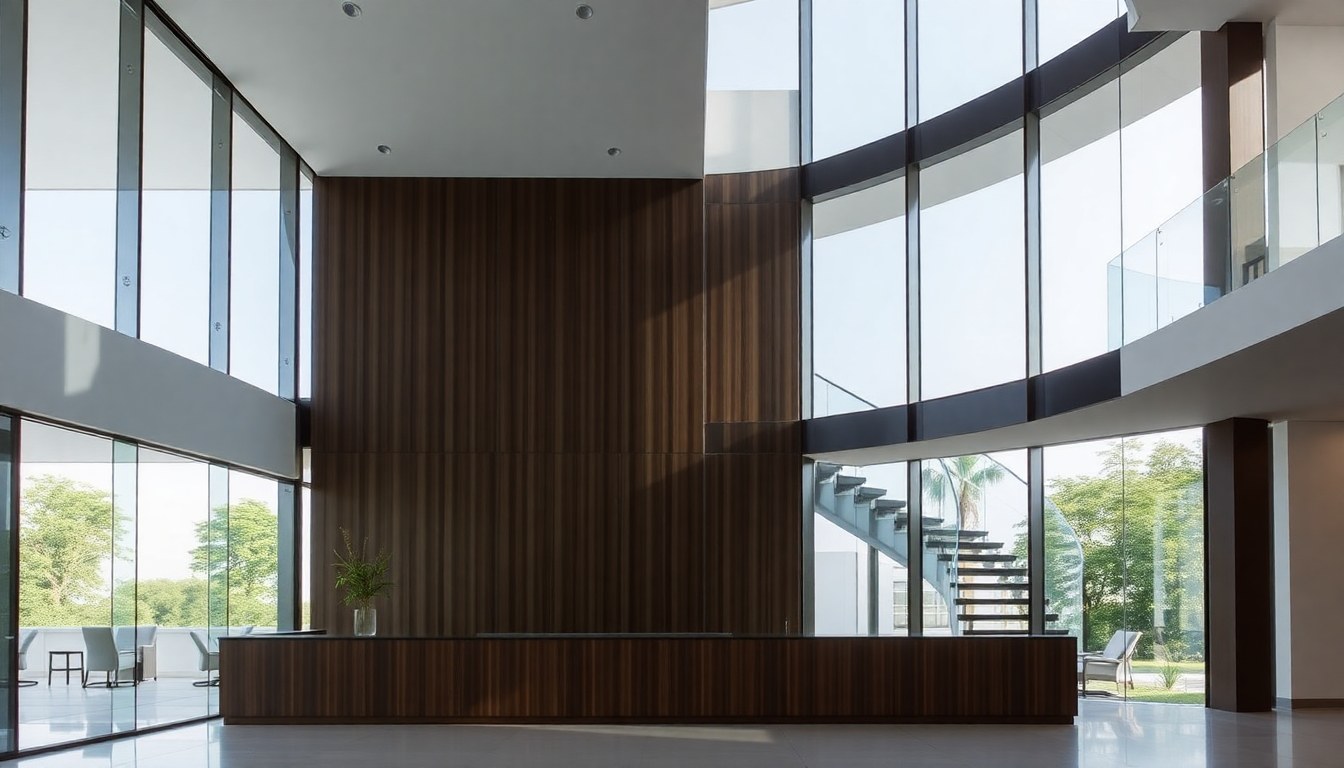
Whitefield has emerged as Bangalore's premier commercial and IT hub, featuring some of the city's most striking modern buildings with sophisticated curtain wall systems. If you're planning a commercial project requiring expert curtain wall design and glass facade integration, finding the right architect is crucial for balancing aesthetics, energy efficiency, and structural integrity. This guide showcases the top architects in Whitefield who specialize in curtain wall projects and can transform your vision into reality.
Why Curtain Wall Expertise Matters in Modern Architecture
Curtain wall systems are non-structural cladding systems that hang like a curtain on the building's exterior, creating stunning glass facades while protecting the structure from weather elements. These sophisticated systems require specialized knowledge of structural engineering, thermal performance, wind load calculations, and waterproofing techniques that go far beyond traditional architectural practice.
In Whitefield's rapidly developing landscape, where commercial towers and IT parks dominate the skyline, curtain wall systems have become the preferred choice for developers seeking modern aesthetics combined with energy efficiency. The right architect understands how to integrate these systems with HVAC requirements, solar heat gain considerations, and local building codes while maintaining design excellence.
Expert curtain wall architects also coordinate closely with specialized fabricators and glazing contractors to ensure seamless execution. They specify appropriate glass types—whether low-E coated, laminated, or insulated glass units—based on the building's orientation, climate considerations, and performance requirements.
Leading Architectural Firms for Curtain Wall Projects in Whitefield
Whitefield hosts a diverse range of architectural practices, from boutique studios to established firms with decades of experience. When evaluating architects for curtain wall projects, consider their portfolio of completed glass facade projects, understanding of modern glazing technologies, and ability to collaborate with structural engineers and curtain wall consultants.
Established Practices with Commercial Expertise
Several established architectural firms in Whitefield have built strong reputations for handling large-scale commercial projects with complex curtain wall requirements. These practices typically maintain in-house teams familiar with international standards for glass facades, including ASTM specifications and local NBC compliance. Firms like SASH Architects, BBMP sanction drawings bring valuable experience in navigating regulatory approvals while incorporating modern glass facade systems.
When selecting an architect from this category, review their past projects for similar scale and complexity. Ask about their experience with unitized versus stick-built curtain wall systems, and their familiarity with various glazing options including structural glazing, spider glazing, and point-fixed glass systems.
Contemporary Design Studios
Whitefield also features innovative design studios that specialize in contemporary architecture with strong emphasis on glass and transparency. Practices such as TS:DS | Architecture & Interiors and Lumin Architects and interiors focus on creating light-filled spaces that maximize natural daylight while managing solar heat gain through intelligent facade design.
These studios often bring fresh perspectives on integrating curtain wall systems with sustainable design principles, incorporating features like external shading devices, high-performance glazing, and ventilated double-skin facades that reduce cooling loads in Bangalore's tropical climate.
Full-Service Design Firms
Several Whitefield architects offer comprehensive services spanning architecture, interiors, and project management. Firms including BRICK MANSION Interiors, CozyNest Interiors, and Nirman Civil & Infra | Nirman Studio provide integrated design solutions that ensure curtain wall systems harmonize with interior spaces and overall building functionality.
Full-service firms handle everything from initial concept design through construction documentation and site supervision, providing single-point accountability that many commercial clients prefer. Their holistic approach ensures that curtain wall detailing integrates seamlessly with interior finishes, HVAC systems, and building services.
Key Considerations When Selecting a Curtain Wall Architect
Choosing the right architect for your curtain wall project requires careful evaluation of several critical factors beyond basic design capabilities. The complexity of modern glass facade systems demands architects who understand both aesthetic vision and technical performance requirements.
Technical Competency and Engineering Coordination
Successful curtain wall projects require close collaboration between architects, structural engineers, and facade consultants. Your architect should demonstrate strong technical knowledge of curtain wall systems, including understanding of thermal breaks, pressure equalization, drainage pathways, and structural attachment methods. Ask potential architects about their experience coordinating with curtain wall consultants and their familiarity with performance testing requirements including air infiltration, water penetration, and structural load testing.
Portfolio and Track Record
Review completed projects carefully, paying attention to the scale and complexity of curtain wall installations. Request references from previous clients and, if possible, visit completed buildings to assess the quality of execution. Look for projects that demonstrate successful integration of curtain wall systems with varying building heights, as wind loads and structural requirements increase significantly with taller structures.
Understanding of Local Climate and Regulations
Bangalore's tropical climate presents specific challenges for curtain wall design, including managing solar heat gain, monsoon waterproofing, and condensation control. Your architect should understand how to specify appropriate glass coatings, insulated glass unit configurations, and shading strategies suited to local conditions. Additionally, familiarity with Karnataka building codes, BBMP approval processes, and fire safety regulations specific to glass facades is essential.
Cost Factors in Curtain Wall Projects
Curtain wall systems represent a significant investment, typically ranging from ₹3,500 to ₹12,000 per square meter depending on system complexity, glass specifications, and performance requirements. Understanding cost drivers helps in budget planning and value engineering discussions with your architect.
Basic stick-built systems with standard float glass represent the most economical option, while unitized systems with high-performance low-E coated insulated glass units command premium pricing. Additional features like external shading fins, structural silicone glazing, or custom powder-coated aluminum finishes increase costs further. Your architect should provide transparent cost guidance early in the design process and help identify opportunities for value engineering without compromising performance or aesthetics.
Remember that curtain wall costs extend beyond initial installation. Lifecycle considerations including maintenance accessibility, cleaning requirements, and long-term durability should factor into material selection. An experienced architect helps balance first costs against operational expenses to optimize total cost of ownership.
The Design and Approval Process
Curtain wall projects in Whitefield typically follow a structured timeline spanning design development, regulatory approvals, fabrication, and installation. Understanding this process helps set realistic expectations and ensures smooth project execution.
The design phase begins with concept development and preliminary facade studies, progressing through detailed design where curtain wall systems are fully specified with performance criteria. Your architect prepares detailed drawings and specifications for both regulatory approval and contractor bidding. BBMP approval for commercial buildings with glass facades requires comprehensive documentation including structural stability certificates, fire safety provisions, and energy performance compliance.
Following approvals, the fabrication phase typically spans 12-16 weeks for custom curtain wall systems, during which your architect coordinates shop drawing reviews and pre-installation mock-up testing. On-site installation requires careful sequencing with other building trades, and your architect's site supervision ensures quality control and adherence to design intent.
Emerging Trends in Curtain Wall Design
The curtain wall industry continues evolving with new technologies and design approaches that forward-thinking Whitefield architects are incorporating into their projects. Double-skin facades with ventilated cavities provide enhanced thermal performance while creating distinctive architectural expressions. Integrated photovoltaic glass panels transform facades into energy-generating surfaces, aligning with India's increasing focus on sustainable building practices.
Smart glass technologies including electrochromic glazing that adjusts tint based on sunlight intensity are gaining traction in premium commercial projects. These adaptive facades reduce cooling loads while maintaining views and natural light. Parametric design tools enable architects to create complex geometric facade patterns that would have been impractical with traditional design methods, resulting in striking visual effects while maintaining structural integrity.
Biophilic design principles are also influencing curtain wall projects, with architects incorporating vertical gardens, external planting terraces, and other green elements into glass facade systems. These features enhance occupant wellbeing while contributing to urban biodiversity and microclimate management.
Frequently Asked Questions
What is the typical cost per square foot for curtain wall installation in Whitefield?
Curtain wall costs in Whitefield typically range from ₹325 to ₹1,100 per square foot (₹3,500 to ₹12,000 per square meter) depending on system type, glass specifications, and complexity. Basic stick-built systems start at the lower end, while unitized systems with high-performance insulated glass units and custom finishes reach the upper range. Additional features like structural glazing, external shading, or specialized coatings increase costs further. Your architect can provide detailed cost estimates based on specific project requirements during the design phase.
How long does it take to complete a curtain wall project from design to installation?
A typical curtain wall project timeline spans 8-12 months from initial design through installation completion. The design and approval phase requires 2-3 months, followed by 3-4 months for fabrication of custom curtain wall components. On-site installation duration varies with building height and complexity, typically requiring 3-5 months for mid-rise commercial buildings. Complex projects with custom geometries or specialized performance requirements may extend these timelines. Early engagement with your architect and curtain wall fabricator helps establish realistic schedules aligned with overall project milestones.
Do I need a specialized curtain wall consultant in addition to my architect?
For complex or large-scale curtain wall projects, engaging a specialized facade consultant provides valuable expertise beyond typical architectural services. Facade consultants perform detailed performance analysis, wind tunnel testing coordination, thermal modeling, and construction phase quality assurance. Many experienced architects in Whitefield maintain relationships with reputable facade consultants and can advise whether your project complexity justifies this additional expertise. Smaller projects with standard curtain wall systems may not require separate consultants if your architect has strong curtain wall experience.
What glass specifications work best for Bangalore's climate?
Bangalore's tropical climate with high solar radiation requires careful glass selection to manage heat gain while maintaining natural light. Low-E coated insulated glass units with appropriate Solar Heat Gain Coefficient (SHGC) values between 0.25-0.35 provide optimal performance for most commercial applications. Visible Light Transmission (VLT) of 40-50% balances daylight admission with glare control. For west and south-facing facades experiencing maximum sun exposure, consider double low-E coatings or additional external shading devices. Your architect should specify glass performance criteria based on building orientation, internal heat loads, and HVAC system capacity.
Are there any specific BBMP regulations for glass facades in Whitefield?
Glass facades in Whitefield must comply with Karnataka Building Bye-laws and National Building Code provisions regarding structural safety, fire resistance, and energy efficiency. Key requirements include structural certification for wind load resistance, provision of fire-rated glass in specified locations, adequate means of escape considerations, and compliance with Energy Conservation Building Code (ECBC) for commercial buildings over 1000 square meters. Your architect should be thoroughly familiar with these regulations and coordinate necessary approvals with BBMP authorities. Additional clearances may be required from the Fire Department for high-rise buildings with extensive glass facades.
Ready to start your curtain wall project in Whitefield? Explore the comprehensive directory of architects, glass fabricators, and curtain wall specialists at glassy.in, India's largest glass business directory. Connect with verified professionals who can bring your vision to life with expertise in modern glass facade systems and contemporary architectural design.