
Glass Facades
Glass Facade Wind Load Requirements for Mumbai Coastal High-Rise Buildings
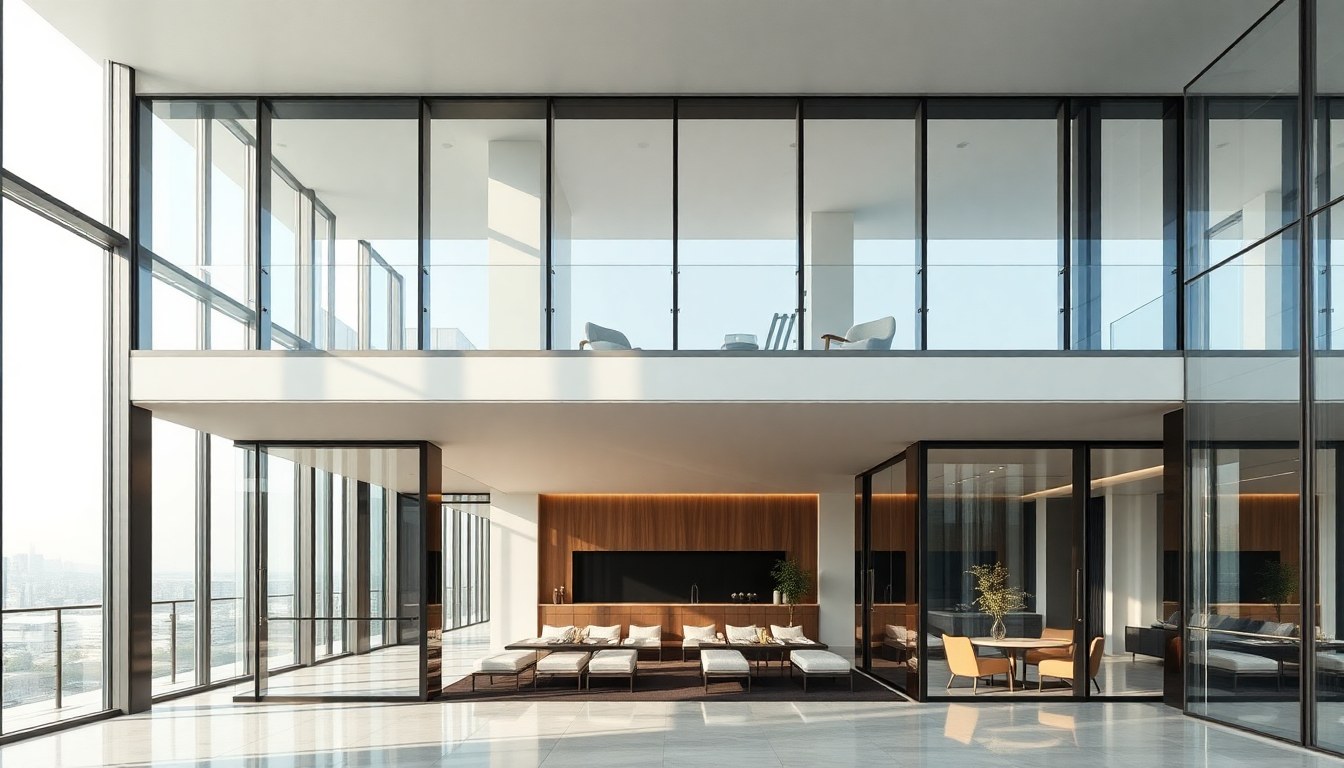
Mumbai's coastal high-rise buildings face some of the most demanding environmental conditions in India, with wind loads, salt spray, and cyclonic pressures testing the limits of glass facade systems. Understanding and implementing proper wind load requirements is not just a regulatory necessity—it's critical to ensuring structural integrity, occupant safety, and long-term performance of glazing systems in this aggressive marine environment.
Understanding Wind Load Classification for Mumbai's Coastal Zone
Mumbai falls under wind zone classification that requires special attention for high-rise construction. According to IS 875 (Part 3):2015, the city is located in a region with basic wind speeds ranging from 44 to 50 m/s depending on the specific coastal proximity. Buildings within 10 kilometers of the coastline face enhanced wind pressures that must be factored into facade design calculations.
The wind load on glass facades increases exponentially with building height. For structures above 30 meters, terrain category and height multipliers significantly amplify the design wind pressure. Coastal high-rises in Mumbai must account for terrain category 1 (exposed coastal areas) in their calculations, which produces the highest wind pressure coefficients compared to inland urban environments.
Cyclonic wind conditions present additional challenges. Mumbai's exposure to severe cyclonic storms during monsoon seasons means that glass facade systems must be designed for ultimate limit state wind pressures that can exceed 4 kPa on windward faces of tall buildings. These extreme events, though infrequent, dictate the minimum performance standards for all glazing installations.
IS Code Requirements and Compliance Standards
The primary standards governing glass facade wind load design in Mumbai include IS 875 (Part 3):2015 for wind loads, IS 2553:1990 for glazing in buildings, and IS 16613:2017 for structural glazing systems. These codes work together to establish minimum safety factors, deflection limits, and performance criteria that all coastal high-rise facades must meet.
Critical Design Parameters
Wind pressure calculations must incorporate several factors specific to Mumbai's coastal environment. The design wind pressure (Pd) is calculated using the formula: Pd = 0.6 × Vz² where Vz is the design wind velocity at height z. For a 100-meter tall building in Mumbai's coastal zone, this can result in design pressures exceeding 3.5 kPa on the windward face.
- Pressure coefficients (Cpe) for building shape and orientation
- Area averaging factors for large glass panels
- Dynamic response factors for slender high-rise structures
- Gust effect factors accounting for wind turbulence
- Combination factors for simultaneous pressure and suction zones
Glass Thickness and Type Selection
Wind load requirements directly determine minimum glass thickness specifications. For typical office buildings in Mumbai's coastal high-rises, annealed glass is rarely suitable due to its limited strength. Toughened glass or laminated glass assemblies become mandatory above certain heights and panel sizes.
A standard 1200mm × 1800mm vision panel at 50 meters height typically requires minimum 10mm toughened glass or 6mm+6mm laminated glass to meet deflection limits (span/60 under design loads) and stress limits (18 MPa for toughened glass). Larger panels or higher elevations demand proportionally thicker glass or advanced configurations like heat-strengthened laminated units.
Structural Glazing Systems for High Wind Zones
Structural silicone glazing (SSG) systems are increasingly popular for Mumbai's premium high-rises, offering clean aesthetics and excellent performance. However, these systems transfer 100% of wind loads through the silicone bond, requiring rigorous design validation and quality control. The silicone adhesive must maintain bond strength despite constant UV exposure, temperature cycling, and salt-laden moisture.
Point-supported glazing systems using spider fittings offer an alternative for architects seeking transparency. These systems concentrate wind loads at discrete fixing points, requiring thicker glass (typically 12mm minimum toughened or laminated) and precise structural analysis. The metal fittings must be marine-grade stainless steel to resist corrosion in Mumbai's coastal atmosphere.
For professionals seeking expertise in facade design and implementation, firms like Grèce Interiors in Bandra West offer specialized knowledge in high-performance glazing systems suitable for coastal environments.
Unitized Curtain Wall Systems
Unitized curtain wall systems provide superior wind load performance and weather-tightness for Mumbai's tallest buildings. These factory-assembled units undergo quality-controlled manufacturing and pre-testing before site installation, ensuring consistent performance across the entire facade.
The aluminum framing members in unitized systems must be designed with adequate depth and wall thickness to resist wind-induced deflection without exceeding L/175 limits. Typical mullion depths for coastal high-rises range from 150mm to 250mm depending on span and wind pressure. Thermal breaks within the aluminum profiles prevent condensation while maintaining structural continuity.
Salt Spray Protection and Coastal Corrosion Resistance
Mumbai's marine environment subjects glass facades to constant salt spray and chloride attack, which can severely compromise metal components and sealants if not properly specified. All aluminum framing should receive marine-grade anodizing (minimum 25 microns) or fluoropolymer coating for long-term corrosion resistance.
Stainless steel components must be grade 316 marine quality, not standard 304 grade, to withstand chloride exposure. Even with proper material selection, regular maintenance washing is essential to prevent salt accumulation that accelerates corrosion and staining.
- Structural silicone sealants with enhanced UV and salt-fog resistance
- Drainage systems designed to evacuate salt-laden water quickly
- Sacrificial corrosion barriers at dissimilar metal junctions
- Regular facade maintenance schedules (quarterly washing minimum)
Glass selection should also consider salt spray impact. While glass itself is largely unaffected, coatings such as low-E films can degrade if exposed to chloride-rich condensation. Protected cavity low-E coatings (surface 2 or 3 in IGU configurations) perform better than exposed surface coatings in coastal applications.
Testing and Quality Assurance Requirements
Before installation, glass facade systems for Mumbai coastal high-rises should undergo comprehensive performance testing. Mock-up testing per ASTM E1233 validates air infiltration, water penetration, and structural performance under simulated wind loads. Dynamic testing protocols that cycle pressure loads better represent actual storm conditions than static tests.
Water penetration testing is particularly critical given Mumbai's intense monsoon rainfall combined with wind-driven rain. Test pressures should be 150% of calculated design wind pressures, with spray rates of 3.4 liters per minute per square meter. Zero water infiltration is the only acceptable result for habitable spaces.
On-Site Quality Control
Installation quality directly impacts wind load performance. Critical control points include structural silicone joint dimensions (minimum 6mm bite, typically 12-15mm for high wind zones), proper setting blocks to prevent glass-to-metal contact, and correct gasket installation to maintain weather seals.
For sourcing quality materials and components, businesses like Unique Frame And Glass in Bandra West provide access to certified facade materials suitable for demanding coastal applications.
Cyclone-Resistant Design Considerations
Mumbai's vulnerability to tropical cyclones requires facade designs that can withstand not just high wind pressures but also impact from wind-borne debris. IS 875 (Part 3) provides cyclone zone classifications, and buildings in these zones must meet enhanced performance criteria.
Laminated glass becomes essential for cyclone resistance, as the interlayer prevents complete glass failure even when cracked. The minimum specification for cyclone-prone areas is 6.38mm laminated glass (6mm glass + 0.38mm PVB), though 8.38mm or 10.38mm configurations provide better impact resistance for critical applications.
Frame systems must also resist racking and deformation under extreme loads. Testing per ASTM E330 at pressures representing Category 3 cyclone conditions (wind speeds of 50-58 m/s) validates structural adequacy. Connection details between the curtain wall and building structure require particular attention, with adequate fastener capacity and edge distances to prevent pull-out failures.
Frequently Asked Questions
What is the minimum glass thickness required for high-rise facades in Mumbai's coastal areas?
Minimum glass thickness depends on panel size, height, and wind exposure, but typically ranges from 8mm toughened glass for small panels at lower levels to 12mm laminated or thicker configurations for large panels above 50 meters. Each project requires specific calculations per IS 2553 standards, accounting for the building's exact location, height, and wind zone classification.
How often should glass facades on coastal high-rises be inspected and maintained?
Comprehensive facade inspections should occur annually, with particular attention to sealant condition, drainage system functionality, and corrosion of metal components. Cleaning should be performed quarterly minimum to remove salt deposits and prevent accelerated deterioration. After severe cyclonic events, immediate inspection is necessary to identify any damage or compromised elements.
Do structural glazing systems perform adequately in Mumbai's high wind coastal environment?
Yes, when properly designed and installed, structural silicone glazing systems perform excellently in coastal high wind zones. The key is using marine-grade silicone with proven salt-fog resistance, maintaining proper joint dimensions (typically 12-15mm bite), and ensuring factory-controlled application conditions. Regular inspection of silicone joints should be part of the maintenance protocol to catch any degradation early.
What additional factors beyond basic wind load must be considered for Mumbai coastal facades?
Beyond wind loads, designers must account for salt spray corrosion, thermal expansion from high temperature variations, monsoon rain penetration, air quality and pollution effects, and potential cyclone impact loads. Material selection, particularly for aluminum anodizing thickness and stainless steel grade, becomes critical. Drainage system design must handle the combination of wind-driven rain and high water volumes during monsoon storms.
Are there specific certifications or approvals required for glass facade contractors in Mumbai?
While there is no mandatory national certification specifically for facade contractors, reputable firms should demonstrate experience with IS code compliance, have qualified structural engineers on staff, and ideally hold ISO 9001 quality management certification. For large projects, developers often require contractors to have completed similar coastal high-rise projects and provide performance test reports from accredited laboratories for the proposed facade system.
Designing and installing glass facades for Mumbai's coastal high-rise buildings requires specialized expertise in wind engineering, materials science, and local environmental conditions. Whether you're an architect, developer, or building owner, partnering with experienced professionals is essential for long-term performance and safety. Explore the comprehensive directory at glassy.in to connect with qualified glass facade specialists, suppliers, and consultants across Mumbai who understand the unique demands of coastal high-rise construction.