
Glass Railings
Balcony Glass Railings Maintenance: Cleaning, Sealant Care & Longevity
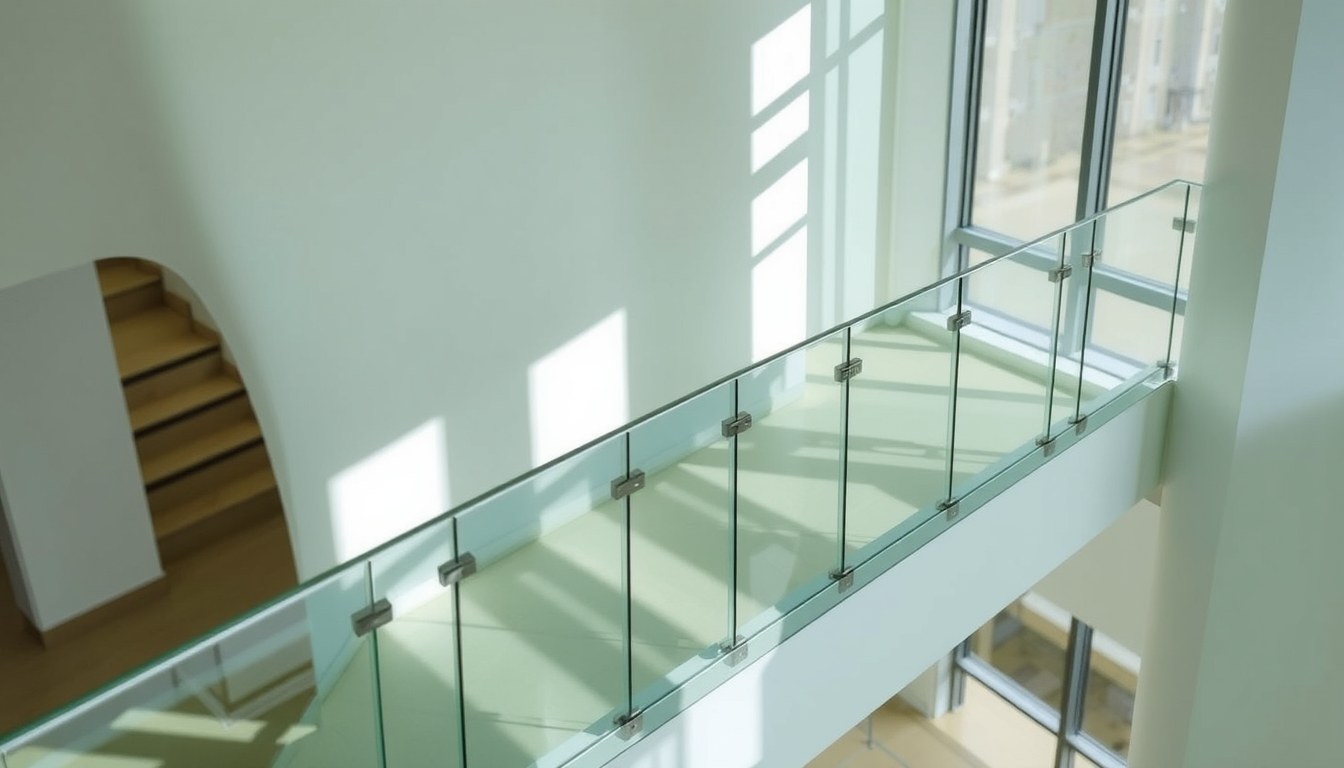
Balcony glass railings offer stunning views and modern appeal, but they're exposed to weather, dust, and environmental stress that can compromise their clarity and structural integrity. Regular maintenance isn't just about keeping them sparkling—it's essential for preventing costly repairs and extending their lifespan by years. This guide walks you through every aspect of glass railing care, from daily cleaning to seasonal sealant checks, so your balcony remains both beautiful and safe.
Understanding Your Glass Railing System
Before diving into maintenance, it helps to understand what you're caring for. Most balcony glass railings consist of tempered or toughened glass panels held in place by aluminum or stainless steel frames, with silicone sealants binding the edges. The glass is typically 10–12 mm thick and designed to withstand significant impact, but the sealants and frame hardware are where wear occurs first.
The durability of your railing depends on three key components: the glass itself (which is relatively maintenance-free), the frame system (which can corrode if neglected), and the sealant (which degrades over time due to UV exposure and temperature fluctuations). Understanding this helps you prioritize maintenance tasks and catch problems early.
Routine Cleaning: Weekly and Monthly Tasks
Keeping your glass railings clean is the foundation of all maintenance. Regular cleaning prevents buildup that can trap moisture and accelerate sealant breakdown, while also keeping your views unobstructed.
Weekly Cleaning Routine
For weekly cleaning, use a soft microfiber cloth or squeegee with plain water or a mild glass cleaner. Spray the solution lightly and wipe in one direction to avoid streaks. Pay special attention to the lower sections where dust and debris accumulate. In coastal areas, rinse with fresh water after cleaning to remove salt residue, which accelerates corrosion of metal frames.
Avoid abrasive sponges, steel wool, or harsh chemicals like bleach or acetone, which can damage the glass coating and degrade sealants. A simple mixture of water and white vinegar (1:1 ratio) works excellently for stubborn mineral deposits without harming the materials.
Monthly Deep Clean
Once a month, perform a more thorough cleaning of both sides of the glass and the frame edges. Use a ladder safely to access both exterior and interior surfaces. Pay close attention to the silicone sealant lines—look for dirt, mold, or algae growth, especially in humid climates or shaded balconies. A soft-bristled brush can gently clean the sealant without damaging it.
- Use a non-abrasive glass cleaner or vinegar solution
- Wipe frames with a damp cloth to remove dust and pollen
- Inspect sealant for visible cracks or discoloration
- Dry everything thoroughly to prevent water spots
Sealant Maintenance and Replacement
Silicone sealants are the unsung heroes of glass railing systems, preventing water infiltration and maintaining structural integrity. However, they degrade over time, typically lasting 5–10 years depending on climate and UV exposure.
Identifying Sealant Problems
Watch for these warning signs that your sealant needs attention or replacement:
- Visible cracks or splits in the silicone line
- Discoloration or dark staining along the sealant
- Loss of adhesion where sealant pulls away from glass or frame
- Mold or algae growth on or around the sealant
- Water leakage or dampness below the railing after rain
In India's tropical and coastal regions, sealant degradation happens faster due to high humidity, intense UV rays, and temperature swings. Balconies in cities like Mumbai, Bangalore, and Chennai may need sealant checks every 18–24 months rather than annually.
Sealant Replacement Process
If your sealant shows signs of failure, replacement is straightforward but requires care. Remove the old sealant using a caulk removal tool or carefully with a utility knife. Clean the gap thoroughly with rubbing alcohol and allow it to dry completely. Apply new silicone sealant (use only high-quality, weather-resistant varieties rated for outdoor use) with a caulking gun, smoothing it with a wet finger or caulk tool. Allow 24–48 hours for curing before exposing the railing to water or heavy use.
For most homeowners, hiring a professional glazier is recommended for sealant replacement, especially for larger railing systems. Professional installation ensures proper application and warranty coverage, typically costing ₹2,000–₹5,000 per linear meter in Indian metros.
Frame and Hardware Care
The aluminum or stainless steel frame holding your glass panels requires regular inspection and maintenance to prevent corrosion and mechanical failure.
Aluminum Frame Maintenance
Aluminum is lightweight and corrosion-resistant, but it can develop oxidation (a white, powdery coating) in humid environments. Clean aluminum frames monthly with a soft brush and mild soap solution. For oxidation, use a specialized aluminum cleaner or a paste of baking soda and water, applied gently with a soft cloth. Avoid aggressive scrubbing, which can damage the anodized finish.
After cleaning, consider applying a thin coat of automotive wax to aluminum frames. This protective layer reduces oxidation and makes future cleaning easier. Reapply wax every 6–12 months, especially in coastal areas.
Stainless Steel Frame Care
Stainless steel is more durable than aluminum but still requires attention. Clean with a soft cloth and mild detergent, wiping in the direction of the grain. For fingerprints or water spots, use a stainless steel cleaner or a cloth dampened with white vinegar. Avoid chlorine-based cleaners, which can cause pitting in stainless steel.
In coastal areas, rinse stainless steel frames with fresh water regularly to remove salt spray, which accelerates corrosion. Inspect fasteners (bolts, screws) quarterly and tighten any that have loosened due to vibration or thermal expansion.
Seasonal Maintenance Schedule
A structured seasonal approach ensures you don't miss critical maintenance windows. Adapt this schedule based on your local climate and weather patterns.
Pre-Monsoon Check (May–June in India)
Before heavy rains arrive, inspect sealants for cracks and ensure all drainage paths around the railing are clear. Check that water runs off the frame properly and doesn't pool. Tighten any loose hardware and clean the glass thoroughly to remove dust that might trap moisture.
Post-Monsoon Inspection (October–November)
After monsoon season, check for water staining, mold growth on sealants, and any movement or looseness in the frame. Clean thoroughly with a vinegar solution to remove mineral deposits left by rainwater. This is an ideal time to replace sealants if needed, as you can identify areas where water infiltrated.
Summer Care (March–May)
Intense heat and UV rays accelerate sealant degradation. Increase cleaning frequency to monthly, and inspect sealants more closely. If your balcony is south-facing, consider applying a UV-protective coating to the sealant or installing a shade solution to reduce direct sun exposure.
Winter Maintenance (December–February)
In cooler regions, temperature fluctuations can cause sealants to contract and crack. Inspect sealants after temperature swings and watch for any new gaps. Clean the glass regularly, as dust and pollution can be more stubborn in cooler, more stable air.
Rust Prevention in Coastal Areas
If your balcony overlooks the sea or is in a coastal city, rust and salt corrosion are constant threats. Coastal environments in places like Goa, Kerala, and Odisha require more aggressive maintenance strategies.
Rinse your entire railing system with fresh water at least weekly, more often during windy periods when salt spray is heavy. After rinsing, dry thoroughly with a cloth to prevent water spots and mineral deposits. Use a protective coating designed for coastal environments on metal frames—these create a barrier against salt and humidity.
Inspect fasteners and joints monthly, as salt accelerates corrosion of steel components. Replace any corroded bolts or screws with stainless steel equivalents, which resist salt better than standard steel. Consider applying a thin layer of marine-grade grease to moving parts and hinges to protect them from salt exposure.
Troubleshooting Common Issues
Even with regular maintenance, issues can arise. Here's how to handle the most common problems:
Cloudy or Hazy Glass
Persistent cloudiness despite cleaning often indicates mineral buildup or sealant residue on the glass surface. Use a specialized glass polishing compound or a mixture of equal parts white vinegar and rubbing alcohol. Apply with a soft cloth and buff gently. If haziness persists, it may be internal (between glass panes in double-glazed systems), requiring professional replacement.
Loose or Rattling Panels
Vibration from wind or traffic can loosen fasteners over time. Inspect all bolts and screws holding the glass panels, and tighten with the appropriate wrench or screwdriver. Check that rubber or silicone gaskets haven't compressed or shifted. If panels still rattle after tightening, the sealant may have failed and needs replacement.
Water Leaks or Moisture Buildup
Water entering the frame system indicates sealant failure or drainage problems. Check that drainage holes in the frame (if present) aren't blocked by debris. Clean them with a thin wire or compressed air. If leaks continue after cleaning, sealant replacement is necessary. In severe cases, water may be entering from above the railing—inspect the connection point with the building structure.
Visible Cracks in Glass
Small surface cracks may not require immediate replacement, but monitor them closely. Thermal stress or impact can cause cracks to spread. If a crack is longer than 6 inches, spreads toward the edge, or affects your safety perception, the panel should be replaced. Contact a professional glazier for assessment and replacement, typically costing ₹3,000–₹8,000 per panel depending on size and thickness.
Frequently Asked Questions
How often should I clean my balcony glass railings?
Clean weekly with plain water or mild glass cleaner for routine maintenance. Perform a deeper monthly clean, inspecting sealants and frames. In coastal areas or high-pollution zones, increase frequency to twice weekly. The exact schedule depends on your location's climate, pollution levels, and how much dust or salt your balcony collects.
What's the best product to clean glass railings without damaging them?
Plain water with a microfiber cloth is safest and often sufficient. For stubborn spots, use a 1:1 mixture of white vinegar and water, or a commercial glass cleaner designed for outdoor use. Avoid bleach, acetone, and abrasive cleaners, which damage glass coatings and degrade sealants. Always dry thoroughly to prevent water spots and mineral buildup.
How long do silicone sealants last on glass railings?
Quality silicone sealants typically last 5–10 years, but this varies significantly based on climate. In India's hot, humid regions, especially coastal areas, sealants may degrade faster—sometimes within 3–5 years. Regular inspection helps you catch problems early. Replace sealants at the first sign of cracking, discoloration, or water leakage rather than waiting for complete failure.
Can I prevent rust on metal frames in coastal areas?
Yes, with consistent care. Rinse frames weekly with fresh water to remove salt spray, and dry thoroughly. Apply protective coatings designed for coastal environments every 12–18 months. Use stainless steel fasteners instead of standard steel, and inspect hardware monthly. These steps significantly extend frame life, though complete rust prevention is impossible in harsh coastal conditions.
When should I replace my glass railing panels?
Replace panels if they develop cracks longer than 6 inches, show signs of impact damage affecting structural integrity, or have become so cloudy or discolored that they obstruct views and can't be cleaned. Small surface scratches or minor discoloration don't require replacement. If you're unsure, consult a professional glazier who can assess whether repair or replacement is necessary.
Maintaining your balcony glass railings doesn't require specialized skills—just consistency and attention to detail. By following a seasonal maintenance schedule, addressing sealant issues promptly, and protecting metal frames from corrosion, you'll keep your railings beautiful and safe for years to come. Need professional help or want to explore railing options for your space? Browse verified glass suppliers and installers on glassy.in, India's trusted glass business directory, to find local experts near you.