
Glass Guides
Acoustic Laminated Glass Thickness Guide for Recording Studios and Auditoriums
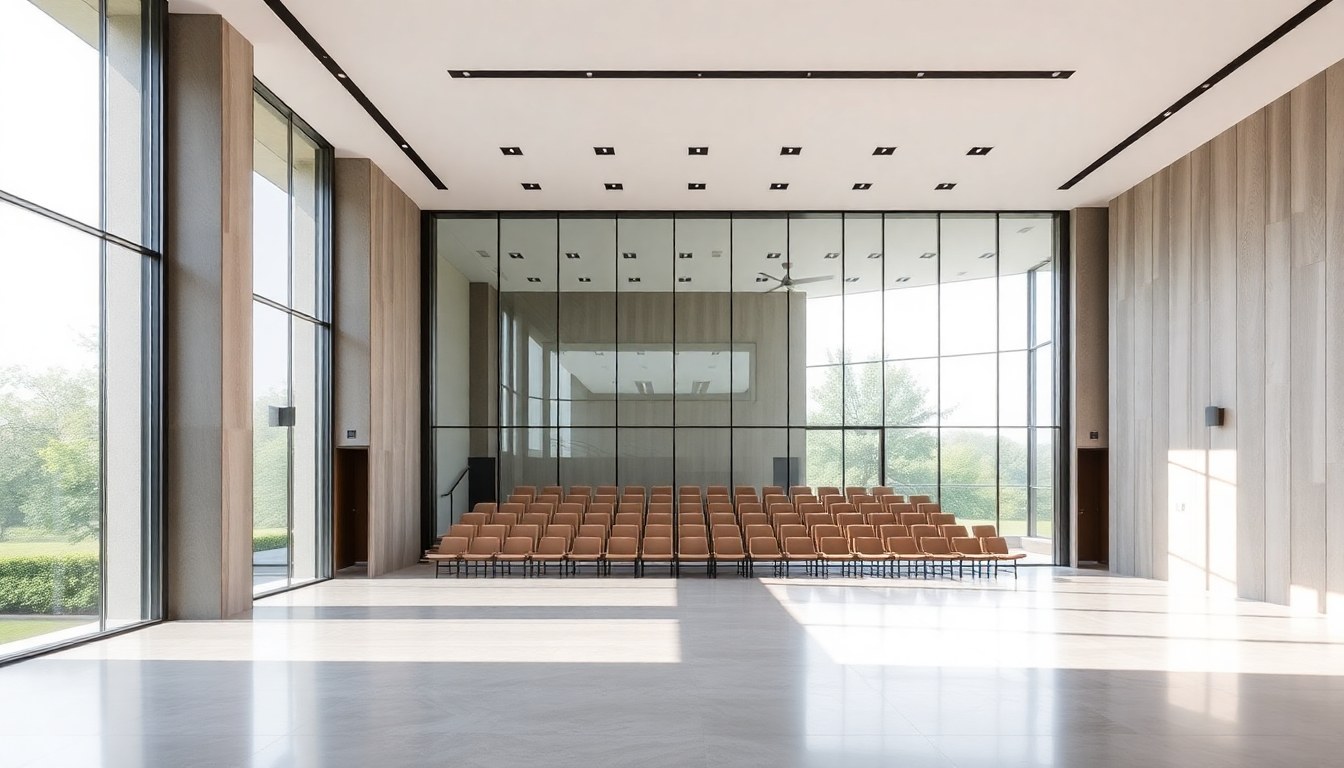
Selecting the right acoustic laminated glass thickness can make the difference between a professional-grade recording studio and one plagued by sound leakage. Whether you're building a music production facility in Mumbai, a home theater in Bangalore, or a performance auditorium in Delhi, understanding Sound Transmission Class (STC) ratings, polyvinyl butyral (PVB) interlayer specifications, and optimal thickness combinations is essential for achieving superior sound isolation. This comprehensive guide breaks down exactly what you need to know to specify acoustic glass that delivers measurable noise reduction.
Understanding STC Ratings and Acoustic Performance
Sound Transmission Class (STC) is the standard metric for measuring how well a building partition reduces airborne sound transmission. The higher the STC rating, the better the sound isolation. For recording studios and auditoriums, you're typically targeting STC ratings between 40 and 55, depending on the specific application and ambient noise levels in your location.
Standard single-pane glass of 6mm thickness delivers an STC rating of approximately 27-29, which is inadequate for any serious acoustic application. Even double-glazed units with regular air gaps only achieve STC ratings of 28-32. Acoustic laminated glass, by contrast, uses specialized PVB interlayers that dampen vibrations and can achieve STC ratings of 35-42 in single-pane configurations and 45-55 when used in insulated glass units (IGUs).
The acoustic performance depends on three primary factors: total glass thickness, the thickness and type of the acoustic PVB interlayer, and asymmetrical glass construction. Asymmetry is particularly important because using different glass thicknesses on either side of the interlayer prevents the coincidence effect, where sound waves at certain frequencies resonate through the glass structure.
PVB Interlayer Selection for Sound Dampening
Not all PVB interlayers provide the same acoustic performance. Standard PVB used in safety laminated glass offers minimal sound dampening. Acoustic PVB interlayers are specifically engineered with viscoelastic properties that absorb sound energy and convert it to negligible heat, significantly reducing sound transmission.
The most common acoustic PVB interlayer thicknesses range from 0.76mm to 2.28mm. Thicker acoustic interlayers generally provide better low-frequency sound dampening, which is critical for recording studios dealing with bass instruments and kick drums. A 1.52mm acoustic PVB interlayer typically improves STC ratings by 2-4 points compared to standard PVB of the same thickness.
Premium Acoustic Interlayer Options
Several manufacturers produce specialized acoustic interlayers. Saflex Acoustic PVB and Eastman's Acoustic PVB are widely available in India and offer proven performance. These interlayers can be combined in multi-layer configurations for even greater sound reduction. For instance, a configuration using two layers of 0.76mm acoustic PVB will outperform a single 1.52mm layer due to the additional dampening interfaces.
When specifying acoustic interlayers for Indian climate conditions, ensure the PVB is rated for high humidity and temperature variations. Quality acoustic PVB maintains its dampening properties across temperature ranges from -20°C to 80°C, making it suitable for both air-conditioned studios and naturally ventilated auditoriums.
Thickness Recommendations by Application
Different acoustic environments require different glass specifications. Here are evidence-based thickness recommendations for common studio and auditorium applications.
Home Recording Studios and Podcast Rooms
For home studios where you're primarily concerned with isolating vocal recording and acoustic instruments from typical residential noise, a laminated glass configuration of 6mm + 1.52mm acoustic PVB + 8mm provides an STC rating of approximately 38-40. This asymmetrical construction (total thickness 15.52mm) handles most residential sound isolation needs and costs between ₹1,200 to ₹1,800 per square foot installed in major Indian cities.
If your home studio is located in a noisy urban environment or near a main road, consider upgrading to an IGU configuration with acoustic laminated glass on one or both panes. A setup using 6mm + 1.52mm acoustic PVB + 6mm laminated glass, combined with a 12mm air gap and 6mm outer pane, achieves STC ratings of 42-45.
Professional Recording Studios
Commercial recording studios require higher performance specifications. The industry standard for professional facilities is an STC rating of 50 or higher. This typically requires an IGU with acoustic laminated glass on both sides: 8mm + 1.52mm acoustic PVB + 10mm for the inner pane, a 16mm air or argon-filled cavity, and 6mm + 1.52mm acoustic PVB + 8mm for the outer pane.
This configuration delivers STC ratings of 50-52 and provides excellent isolation across the frequency spectrum. The asymmetrical construction on both panes (18mm and 14mm total thickness) prevents coincidence dip issues. Expect costs of ₹2,800 to ₹4,200 per square foot for this specification in metros like Mumbai, Delhi, and Bangalore.
Auditoriums and Performance Spaces
Auditoriums have unique requirements because sound isolation works both ways—keeping external noise out during performances and preventing sound leakage to surrounding areas. For auditoriums seating 100-300 people, specify laminated glass of 10mm + 2.28mm acoustic PVB + 12mm (total 24.28mm) for fixed glazing, achieving STC ratings of 40-42.
Larger auditoriums and concert halls benefit from IGU configurations with total thicknesses exceeding 50mm. A high-performance specification might include 10mm + 1.52mm acoustic PVB + 12mm laminated glass, a 20mm cavity filled with argon gas, and an outer pane of 8mm + 1.52mm acoustic PVB + 10mm. This achieves STC ratings of 52-55, suitable for venues hosting amplified music performances.
Installation Considerations for Maximum Acoustic Performance
Even the best acoustic glass will underperform if installation is not executed properly. Sound travels through the path of least resistance, and poor installation details can create flanking paths that bypass your expensive glazing entirely.
Use acoustic sealing compounds specifically designed for sound isolation, not standard silicone sealants. The perimeter seal must be continuous and at least 10mm wide. Acoustic foam tape should be placed between the glass edge and the frame to prevent direct glass-to-frame contact that transmits vibrations. All glazing beads and stops should be fitted with acoustic gaskets.
Frame selection matters significantly. Aluminum frames should have thermal breaks that also serve as acoustic breaks. uPVC frames with multi-chamber designs provide better acoustic isolation than single-chamber profiles. For the highest performance installations, specify frames with acoustic dampening inserts or choose steel frames with acoustic lining.
Avoiding Common Installation Mistakes
One frequent error is leaving gaps in the acoustic seal, particularly at corners and where glazing meets walls. Even a 1mm gap can reduce your effective STC rating by 5-10 points. Another common mistake is using standard setting blocks instead of acoustic-grade neoprene blocks, creating hard contact points that transmit vibrations.
Ensure your installer understands that acoustic glazing requires different techniques than standard architectural glazing. The additional weight of thick laminated glass—a square meter of 10+1.52+12mm laminated glass weighs approximately 60kg—requires adequate structural support and appropriately rated hardware.
Cost-Benefit Analysis and Budget Planning
Acoustic laminated glass represents a significant investment, but it's considerably more cost-effective than rebuilding walls with additional mass or creating isolated room-within-room constructions. A typical 100 square foot recording studio window using professional-grade acoustic glass costs ₹2,80,000 to ₹4,20,000 including installation, compared to ₹6,00,000 to ₹10,00,000 for equivalent acoustic performance using double-wall construction.
When budgeting, remember that acoustic glass is a permanent solution requiring no maintenance beyond standard cleaning. The return on investment for commercial studios comes through the ability to work at any hour without disturbing neighbors, avoiding costly noise complaints and potential legal issues. For home theaters and audiophile listening rooms, the enhanced experience and property value increase justify the premium over standard glazing.
Consider a phased approach if budget is constrained. Prioritize acoustic glazing for the most critical sight lines and use acoustic-rated doors or solid walls for less important elevations. You can always upgrade additional windows later as budget permits, though doing all glazing simultaneously reduces overall installation costs.
Frequently Asked Questions
What is the minimum glass thickness needed for a soundproof recording studio?
For a basic home recording studio, the minimum effective specification is 6mm + 1.52mm acoustic PVB + 8mm laminated glass (15.52mm total thickness), providing an STC rating of 38-40. Professional studios should use minimum 18mm total thickness in an IGU configuration to achieve STC 50+. Single-pane glass below 12mm total thickness, even with acoustic interlayers, is generally inadequate for serious recording work.
Does thicker glass always provide better soundproofing?
Not necessarily. Beyond certain thicknesses, additional mass provides diminishing returns. A 10mm + 1.52mm acoustic PVB + 12mm configuration (23.52mm) with asymmetrical construction outperforms symmetrical 15mm + 15mm glass of the same total thickness due to the coincidence effect. The type of interlayer and asymmetrical design matter more than total thickness alone. Optimal performance comes from balanced specifications rather than simply maximizing thickness.
Can I use acoustic laminated glass in operable windows?
Yes, but with limitations. The weight of acoustic laminated glass requires heavy-duty hardware rated for the additional load. Sliding windows work better than casement styles for thick acoustic glass. However, operable windows inherently have lower STC ratings than fixed glazing due to necessary gaps in sealing. For critical acoustic spaces, limit operable windows and ensure they use compression seals rather than sliding seals. Fixed glazing should be used wherever possible for maximum sound isolation.
How much does acoustic laminated glass cost compared to regular glass in India?
Acoustic laminated glass costs approximately 3-5 times more than standard float glass. Regular 10mm glass costs ₹200-300 per square foot, while 10mm + 1.52mm acoustic PVB + 12mm costs ₹900-1,400 per square foot for materials alone. Installation adds ₹300-600 per square foot depending on location and complexity. IGU configurations with acoustic glass on both panes can reach ₹2,800-4,200 per square foot installed. The premium is justified for applications where sound isolation is critical.
What STC rating do I need for a home theater?
For home theaters, target an STC rating of 45-50 to prevent sound leakage during action movies and to block external noise during quiet dialogue scenes. This typically requires an IGU with at least one acoustic laminated pane. A configuration of 6mm + 1.52mm acoustic PVB + 8mm laminated glass with a 12mm air gap and 6mm outer pane achieves STC 42-45, which is adequate for most residential home theaters. Dedicated home cinema rooms in luxury properties may specify STC 50+ for reference-quality acoustics.
Ready to source acoustic laminated glass for your recording studio, auditorium, or performance space? Browse verified glass suppliers, fabricators, and acoustic glazing specialists on glassy.in, India's most comprehensive glass business directory. Compare specifications, request quotes, and connect with experienced professionals who understand the unique requirements of acoustic installations.