
Glass Usage
Why Toughened Glass is Essential for Modern Architectural Projects
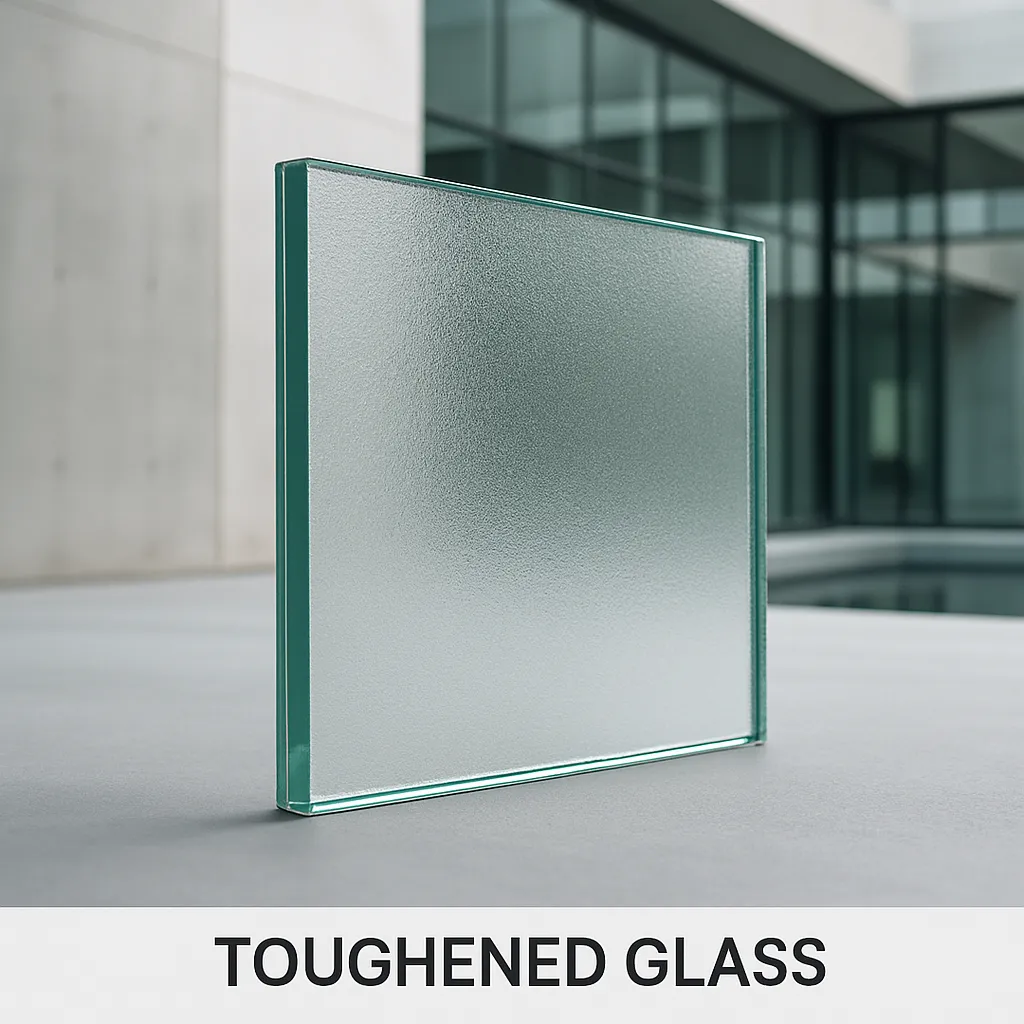
Why Toughened Glass is Essential for Modern Architectural Projects
Introduction to Toughened Glass in Architecture
In the ever-evolving world of architecture, materials play a pivotal role in shaping the aesthetics, functionality, and sustainability of structures. Among these materials, toughened glass has emerged as a cornerstone of modern architectural projects. Its unique combination of strength, safety, and visual appeal makes it indispensable for contemporary designs.
From towering skyscrapers to luxury homes, toughened glass is redefining how we perceive and interact with spaces. Its ability to seamlessly blend form and function has made it a favorite among architects and interior designers alike. But what exactly makes toughened glass so special?
This blog delves into the science, benefits, and applications of toughened glass, offering insights for architects, interior designers, and luxury homeowners in India. Whether you’re planning a new project or looking to upgrade an existing space, understanding the value of toughened glass can help you make informed decisions.
Let’s explore why toughened glass is not just a material but a transformative element in modern architecture.
The Science Behind Toughened Glass
Toughened glass, also known as tempered glass, is a type of safety glass that undergoes a specialized heat treatment process. During manufacturing, the glass is heated to approximately 700°C and then rapidly cooled. This process creates a balance of internal stresses, making the glass significantly stronger than regular annealed glass.
The rapid cooling process, known as quenching, compresses the outer surfaces of the glass while the interior remains in tension. This unique structure not only enhances its strength but also ensures that, if broken, the glass shatters into small, blunt-edged fragments rather than sharp shards. This property is crucial for safety in architectural applications.
According to industry standards, toughened glass is up to five times stronger than ordinary glass. Its ability to withstand high levels of stress and impact makes it ideal for both structural and decorative purposes in modern architecture.
Understanding the science behind toughened glass helps architects and designers appreciate its reliability and versatility, making it a go-to material for innovative projects.
Strength and Durability: Key Features of Toughened Glass
One of the standout features of toughened glass is its exceptional strength. Unlike traditional glass, which is prone to cracking under pressure, toughened glass can withstand significant mechanical stress. This makes it ideal for high-traffic areas and structures exposed to dynamic loads.
Durability is another critical factor. Toughened glass is resistant to scratches and wear, ensuring that it maintains its pristine appearance over time. This is particularly important for luxury homes and commercial spaces where aesthetics are paramount.
For example, in India’s bustling urban centers, toughened glass is often used in office buildings, shopping malls, and residential complexes. Its ability to endure daily wear and tear without compromising on safety or appearance makes it a practical choice for long-term projects.
By choosing toughened glass, architects and designers can create structures that are not only visually stunning but also built to last.
Safety Benefits of Toughened Glass in Construction
Safety is a top priority in any architectural project, and toughened glass excels in this regard. Its unique breakage pattern ensures that, in the rare event of a fracture, the glass crumbles into small, rounded pieces that are less likely to cause injury.
This property makes toughened glass an excellent choice for applications such as windows, doors, partitions, and balustrades. In high-rise buildings, where the risk of accidents is higher, toughened glass provides an added layer of security.
Additionally, toughened glass is resistant to thermal stress, making it less likely to crack under sudden temperature changes. This is particularly beneficial in India, where extreme weather conditions can pose challenges for traditional building materials.
By incorporating toughened glass into their designs, architects can ensure a safer environment for occupants while meeting stringent building codes and regulations.
Energy Efficiency and Thermal Performance
In today’s eco-conscious world, energy efficiency is a key consideration in architectural design. Toughened glass contributes to energy savings by offering excellent thermal performance. When combined with coatings or double-glazing, it can significantly reduce heat transfer, keeping interiors cooler in summer and warmer in winter.
This not only enhances comfort but also reduces reliance on artificial heating and cooling systems, leading to lower energy bills. For luxury homeowners in India, this translates to a more sustainable and cost-effective living experience.
Moreover, toughened glass can be customized with low-emissivity (Low-E) coatings to further improve its energy efficiency. These coatings reflect heat while allowing natural light to pass through, creating bright and inviting spaces without compromising on insulation.
By prioritizing energy-efficient materials like toughened glass, architects can design buildings that are both environmentally friendly and economically viable.
Aesthetic Versatility in Modern Designs
Toughened glass is not just functional; it’s also a design element that adds elegance and sophistication to any space. Its sleek, transparent appearance makes it a versatile choice for both interior and exterior applications.
From frameless glass doors to expansive windows and skylights, toughened glass can be used to create open, airy spaces that blur the boundaries between indoors and outdoors. Its ability to reflect and refract light enhances the overall ambiance, making rooms feel larger and more inviting.
For those looking to add a touch of luxury, toughened glass can be frosted, tinted, or etched with intricate designs. This allows for endless customization options to suit individual tastes and project requirements.
Explore glass tiles that redefine elegance at Glasstiles.in to discover how glass can elevate your design projects.
Resistance to Environmental Stressors
India’s diverse climate poses unique challenges for building materials. From scorching heat to heavy monsoons, structures must be able to withstand a range of environmental stressors. Toughened glass rises to the occasion with its exceptional resistance to weathering.
Unlike traditional glass, toughened glass is less susceptible to damage from UV rays, moisture, and temperature fluctuations. This makes it an ideal choice for outdoor applications such as facades, canopies, and railings.
Additionally, toughened glass is resistant to corrosion and chemical exposure, ensuring that it retains its structural integrity and appearance over time. This durability translates to lower maintenance costs and a longer lifespan for architectural projects.
By choosing toughened glass, architects can create structures that are not only beautiful but also built to endure the elements.
Cost-Effectiveness in Long-Term Projects
While toughened glass may have a higher upfront cost compared to regular glass, its long-term benefits far outweigh the initial investment. Its durability and low maintenance requirements make it a cost-effective choice for projects of all scales.
For instance, toughened glass reduces the need for frequent replacements and repairs, saving both time and money. Its energy-efficient properties also contribute to lower utility bills, making it a financially sound option for homeowners and developers alike.
In commercial projects, the use of toughened glass can enhance property value by creating modern, high-quality spaces that attract tenants and buyers. This makes it a smart investment for architects and real estate developers.
By considering the long-term advantages of toughened glass, stakeholders can achieve a balance between quality, aesthetics, and cost-efficiency.
Applications of Toughened Glass in Contemporary Architecture
Toughened glass is a versatile material with a wide range of applications in modern architecture. Its strength and safety features make it ideal for structural elements such as staircases, balustrades, and flooring.
In residential projects, toughened glass is often used for shower enclosures, kitchen backsplashes, and sliding doors. Its ability to create a seamless, modern look makes it a popular choice for luxury homes in India.
Commercial spaces also benefit from the use of toughened glass in facades, partitions, and skylights. Its transparency and light-reflecting properties enhance the overall aesthetic while promoting energy efficiency.
Whether it’s a high-rise office building or a cozy home, toughened glass offers endless possibilities for innovative and functional design.
Future Trends in Toughened Glass Technology
The future of toughened glass is bright, with ongoing advancements in technology paving the way for even more innovative applications. Smart glass, for instance, is gaining popularity for its ability to switch between transparent and opaque states, offering enhanced privacy and energy efficiency.
Another emerging trend is the integration of solar panels into toughened glass, enabling buildings to generate their own electricity. This aligns with the global push towards sustainable and self-sufficient architecture.
In India, where urbanization is on the rise, the demand for high-performance materials like toughened glass is expected to grow. Architects and designers are increasingly exploring ways to incorporate this versatile material into futuristic designs.
By staying ahead of these trends, professionals can leverage the full potential of toughened glass to create spaces that are not only functional but also visionary.